Light vs Dark Hardwood Floors for Interior Design

Hardwood floor color does more than cover the ground under your feet. It shapes the whole room.
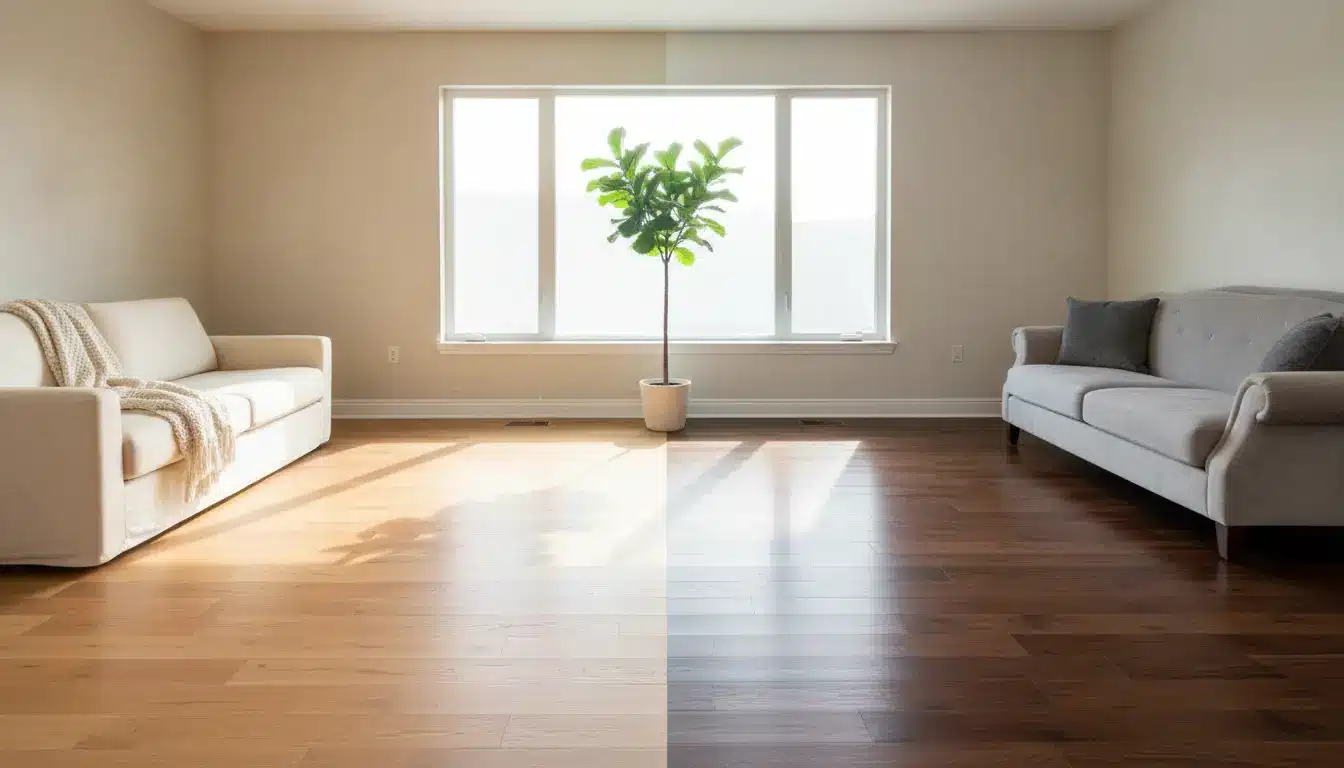
A light floor can make a home feel open, relaxed, and fresh. A dark floor can add depth, contrast, and a more dramatic look. Both can work beautifully, but they create very different interiors.
That is why the choice between light and dark hardwood floors should not come down to personal taste alone; look at these floor colors for inspiration. The right color depends on your room size, natural light, wall color, furniture, cabinet style, and the mood you want the home to have.
When you look at flooring from an interior design point of view, you start to see the floor as part of the full design story. It has to work with everything else in the space.
The Floor Sets the Mood First
The floor covers one of the largest visual surfaces in your home. That means it has a major effect on how a room feels before anyone notices the sofa, curtains, artwork, or decor.
Light hardwood floors usually create a calm and airy feeling. They brighten the room and make the space feel easier to move through. They also give the home a soft, casual look that fits many modern interiors.
Dark hardwood floors create a stronger mood. They make the room feel grounded and more formal. They can make furniture stand out and give the space a richer, more designed look.
Neither one works better for every home. A light floor can look plain if the rest of the room lacks contrast. A dark floor can feel heavy if the room does not get enough light. The best choice depends on the balance you want to create.
Interior design always comes down to balance. The floor should support the room, not overpower it.
Light Hardwood Floors Create an Open Feeling
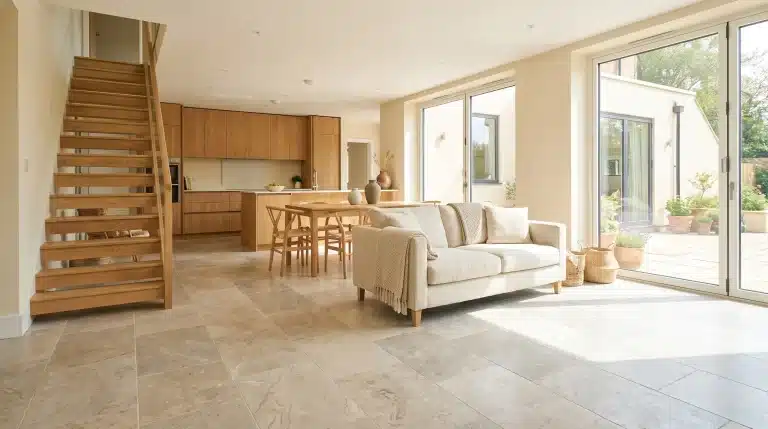
Light hardwood floors work well when you want the home to feel bigger, brighter, and more relaxed. They reflect more light, so they can help small rooms feel more open.
This makes them a strong choice for apartments, narrow hallways, compact bedrooms, and homes with limited natural light. They can also help open floor plans feel more connected because the light color flows gently from one space to another.
Light wood flooring fits well with modern, Scandinavian, coastal, organic, and minimalist interiors. It pairs nicely with white walls, soft beige paint, light gray tones, natural fabrics, and simple furniture.
The beauty of light floors comes from how easy they feel. They do not demand attention. They give the room space to breathe.
If your design style leans clean, calm, and natural, lighter hardwood can give you the foundation you need. It works especially well when you want the furniture, wall color, or architecture to carry the visual interest.
Dark Hardwood Floors Add Depth and Drama
Dark hardwood floors bring a completely different feeling. They can make a room look elegant, bold, and more polished.
A deep brown, espresso, or walnut floor can create beautiful contrast against light walls and soft furniture. This contrast makes the room feel intentional. It gives the design a stronger edge.
Dark floors work especially well in larger rooms with good natural light. They can handle high ceilings, big windows, open layouts, and spacious living areas. In those settings, the darker color adds depth without making the room feel closed in.
They also suit interiors that lean traditional, transitional, luxury, moody modern, or formal. A dark floor can make a dining room feel refined. It can make a living room feel cozy. It can make a bedroom feel more intimate.
But dark wood needs the right surroundings. Without enough light or contrast, it can make a room feel smaller and heavier than intended.
Room Size Matters
Room size plays a big role in the light vs dark decision.
Light floors usually help small rooms feel more spacious. They do not visually close in the space, and they make the floor feel less dominant. This can help a bedroom, hallway, office, or small living room feel more comfortable.
Dark floors can work in small rooms, but they need careful styling. Light walls, simple furniture, large mirrors, and good lighting can help balance the darker surface. Without those elements, the room may feel tight.
In larger rooms, dark hardwood can look beautiful because the space gives the color room to breathe. A big living room or open floor plan can handle deeper flooring because the darker color does not overwhelm the layout.
Light floors also work in large rooms, but they create a different effect. They make the space feel casual, relaxed, and airy instead of dramatic. This works well when you want a soft modern home rather than a formal one.
The floor color should match the scale of the room. Small rooms often need brightness. Large rooms can handle more depth.
Natural Light Changes Everything
Natural light can completely change the way hardwood floor color looks.
A light floor in a sunny room can feel bright, clean, and fresh. In a darker room, it can help lift the space and prevent it from feeling dull. That makes lighter wood a safe choice for homes that do not get much sunlight.
Dark hardwood floors need stronger light to look their best. In a room with large windows, a dark floor can look rich and beautiful. The light brings out the grain and keeps the space from feeling too heavy.
In a room with very little sunlight, dark flooring can absorb what little brightness the room has. That does not always mean you should avoid it, but you need to plan the rest of the room carefully.
Wall color, window treatments, lamps, recessed lighting, and rug choices matter more with dark floors. The darker the floor, the more you need other parts of the room to bring brightness back in.
Before choosing a floor color, look at your home during different times of day. Morning light, afternoon light, and evening lighting can all make the same floor look different.
Light Floors Work Well With Modern Interiors
Many modern homes look great with light hardwood floors because they support a clean and simple design style.
Light oak, natural white oak, blonde wood, and soft beige wood tones can make a room feel current without looking cold. They work well with modern furniture, neutral paint, simple cabinetry, and black or brass accents.
This type of flooring also helps create a calm background. It lets the rest of the design stand out without making the room feel busy.
Light floors pair especially well with organic modern interiors. That style often includes warm white walls, natural wood, stone, linen, boucle, leather, and soft neutral colors. A lighter floor keeps the space feeling natural and uncluttered.
They also work nicely with Scandinavian interiors, where the goal often includes brightness, simplicity, and warmth. A pale wood floor can make that style feel effortless.
The key is to choose a light floor that still has warmth. Some very pale floors can look too washed out. A soft natural tone usually looks better than something that feels flat or gray.
Dark Floors Create Strong Contrast
Interior designers often use contrast to make a room feel more interesting. Dark hardwood floors can help create that contrast immediately.
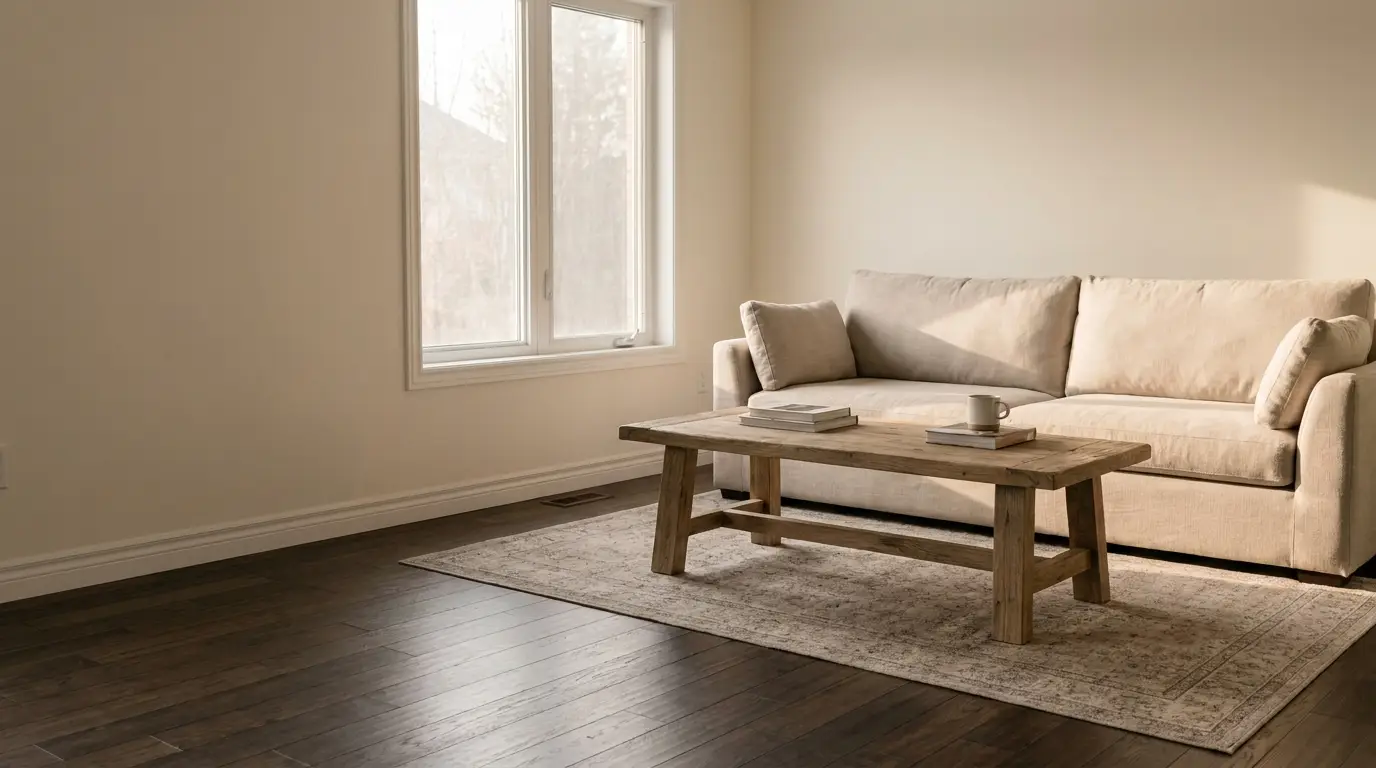
When you pair a dark floor with white or cream walls, the room gains structure. The floor grounds the space, while the walls keep it bright. This combination can look clean, classic, and modern at the same time.
Dark floors also make light furniture stand out. A cream sofa, beige rug, light oak table, or white kitchen island can pop against a deep wood tone. That contrast gives the room a finished look.
However, contrast needs control. Too much contrast can feel harsh. A room with dark floors, bright white walls, black furniture, and little texture may feel cold instead of elegant.
Soft fabrics, warm paint, natural rugs, wood accents, and layered lighting can make dark floors feel more inviting. The goal is not just contrast. The goal is warmth and balance.
Wall Colors Look Different With Each Floor Tone
Wall color and floor color have to work together. A paint color that looks beautiful with light floors may not look the same with dark ones.
Light hardwood floors pair well with warm whites, soft beige, greige, sage, light taupe, and muted earth tones. These combinations create a relaxed and modern look.
Dark hardwood floors pair well with warm whites, creamy neutrals, soft mushroom tones, muted greens, deep blues, and rich beige shades. These colors can soften the contrast and make the room feel more layered.
Cool gray walls can feel tricky with both light and dark wood. With light floors, they may make the room feel too cold. With dark floors, they may make the space feel heavy. Warmer neutral walls usually work better in most homes.
A good wall color should connect with the floor undertone. If the floor has warm brown or golden undertones, the wall should not fight that warmth. If the floor has a cooler brown tone, the wall color should bring enough softness to keep the room comfortable.
The floor and wall color do not need to match. They just need to feel like they belong in the same room.
Furniture Changes the Final Look
Furniture can push light or dark hardwood floors in different directions.
Light floors give furniture a softer background. They work well with natural wood pieces, white sofas, beige upholstery, black accent chairs, woven textures, and simple modern shapes.
This makes light flooring easy to style. You can change the furniture over time without feeling locked into one specific look.
Dark floors create more contrast with furniture. Light furniture looks brighter against them. Rich leather, velvet, wood, and metal accents can also look more dramatic on a darker floor.
But dark floors can make dark furniture blend in too much. If you place a dark brown sofa, dark coffee table, and dark rug on a dark floor, the room can lose definition. You need lighter pieces or texture to break things up.
A rug can help in both cases. On light floors, a rug adds warmth and pattern. On dark floors, it can soften the contrast and brighten the seating area.
When choosing flooring, think about the furniture you already own and the style you want later. A floor color should give your furniture a strong foundation, not make it harder to design the room.
Kitchen Cabinets Need Special Attention
The kitchen often decides whether light or dark hardwood floors will work well throughout the home.
Light floors can look beautiful with white cabinets, warm wood cabinets, green cabinets, and black cabinets. They give the kitchen a fresh and open look. They also help the room feel less heavy when the cabinets have a strong color.
Dark hardwood floors can look elegant with white or cream cabinets. That classic contrast creates a polished kitchen design. They can also work with natural wood cabinets, but you need enough difference between the cabinet color and the floor color.
When the cabinets and floor sit too close in tone, the room can feel flat. You lose contrast. The design starts to look like one large block of wood.
If you want wood cabinets with wood floors, pay close attention to undertones. The colors do not need to match exactly. In fact, they often look better when they coordinate rather than match. A slight difference in tone can give the kitchen more depth.
The kitchen has many fixed finishes, including counters, backsplash, hardware, and appliances. The floor color needs to work with all of them.
Open Floor Plans Need Flow
Open floor plans make flooring choices more important because one floor color may run through the kitchen, dining area, living room, and hallway.
Light hardwood floors often work well in open layouts because they create a smooth and airy flow. They help the home feel connected without making one area feel too dominant.
Dark floors can also work in open spaces, especially when the home has plenty of light. They can make the layout feel more dramatic and grounded. But they need enough balance through furniture, rugs, and wall color.
In open plans, the floor should not compete with every room. It has to connect the spaces. That means the color should look good next to kitchen cabinets, living room furniture, dining chairs, trim, doors, and stair details.
A light floor gives more flexibility if each room has different furniture or decor. A dark floor creates a stronger design statement, but it asks for more consistency throughout the home.
If you like to change decor often, light or medium-light hardwood usually gives you more freedom.
Lifestyle Affects the Design Choice
Interior design matters, but everyday life matters too. A floor has to look good when people actually live on it.
Light hardwood floors can hide dust better than dark floors. They also tend to show fewer small marks from daily traffic. This makes them easier for busy homes, families, and spaces that get a lot of movement.
Dark floors can show dust, lint, pet hair, and footprints more easily. They can still look beautiful, but they may need more visual upkeep to keep that polished look.
That does not mean dark floors make a bad choice. It just means you should know what kind of look you want day to day. If you love a dramatic floor and do not mind a little extra attention, dark wood may fit your style.
If you want a low-stress design that looks relaxed even when life gets busy, lighter wood may make more sense.
The best interior design choices support real life. A beautiful room should not feel hard to live in.
Light Floors Feel Casual and Flexible
Light hardwood floors tend to feel more relaxed. They create a casual elegance that works well in modern homes.
They also give you more freedom with decor. You can bring in black accents for contrast, warm wood furniture for texture, or colorful rugs for personality. The floor stays quiet while the rest of the room changes.
This flexibility matters if you like to update your home over time. You can repaint the walls, change the sofa, replace the rug, or update cabinet hardware without worrying that the floor will clash.
Light floors also help modern homes feel warmer when they have the right undertone. Natural oak, soft beige, and light honey tones can make a room feel bright but still welcoming.
That combination explains why light wood has become such a strong choice for interior design. It gives the home a clean look without making it feel stiff.
Dark Floors Feel Rich and Intentional
Dark hardwood floors have a more formal feel. They make a room look planned, layered, and grounded.
This works well when you want the home to feel elegant. Dark walnut, deep brown oak, and espresso tones can add a sense of richness that lighter floors do not create in the same way.
They also make architectural details stand out. White trim, tall baseboards, stair rails, fireplaces, and built-in cabinets can look sharper against a dark floor.
Dark wood can also help create a cozy feeling in bedrooms, libraries, dining rooms, and sitting areas. The deeper color can make the space feel more intimate.
For a modern look, keep the finish matte or satin. A very shiny dark floor can look dated. A softer finish gives the wood a more natural and current appearance.
Dark floors can look incredible, but they need a clear design plan. They work best when the rest of the room brings light, texture, and contrast.
Medium Tones Offer a Safe Middle Ground
Not every home needs a very light or very dark floor. Medium hardwood tones can offer the best of both worlds.
A medium oak, warm brown, soft chestnut, or natural walnut tone can bring warmth without making the room feel heavy. It can also add depth without creating the same upkeep concerns as very dark flooring.
Medium wood works well in many interior design styles. It can fit modern, transitional, rustic, traditional, and contemporary homes. It also pairs with a wide range of wall colors and furniture finishes.
This makes medium hardwood a strong option for homeowners who want a timeless look. It does not feel as casual as a pale floor, but it does not feel as dramatic as a dark one.
From a design standpoint, medium tones create balance. They add enough color to ground the room while still giving you flexibility.
If you feel torn between light and dark, a medium natural brown may solve the problem.
Undertones Matter More Than People Think
The biggest mistake people make with hardwood color involves undertones.
A light floor can lean yellow, pink, beige, gray, or white. A dark floor can lean red, black, brown, or espresso. Those undertones affect how the floor looks with paint, cabinets, furniture, and lighting.
For modern interiors, softer natural undertones usually work best. Light floors should look warm and organic, not too yellow or too gray. Dark floors should look rich and brown, not overly red or black.
Strong red tones can make a home feel more traditional. Strong gray tones can make it feel cold. Strong orange tones can make it feel dated.
The best hardwood floor colors for interior design usually sit in a natural range. They look like real wood, not a heavy stain trying too hard.
Always compare samples inside the home. Put them next to cabinets, walls, rugs, and furniture. Look at them in daylight and at night. The undertone will show itself once the sample sits in the real space.
Which One Works Better for Modern Homes?
For most modern homes, light to medium hardwood floors offer the most flexibility. They make rooms feel open, pair well with neutral interiors, and work with many design styles.
Natural oak, blonde wood, light beige oak, warm white oak, and soft medium brown tones all fit modern interiors well. They look current, but they do not feel too trendy.
Dark floors work better when the home has strong natural light, larger rooms, and a more dramatic design direction. They can look beautiful in modern luxury homes, formal spaces, and rooms with high contrast.
The right answer depends on the home. A small home with low light may look better with a lighter floor. A large open home with tall windows may handle a dark floor beautifully.
Interior design does not follow one rule for every space. It looks at the full picture.
Final Thoughts
Light and dark hardwood floors can both look beautiful in interior design. They simply create different moods.
Light floors make a home feel open, relaxed, and flexible. They work well in modern, coastal, Scandinavian, and organic interiors. They also help smaller spaces feel brighter and easier to style.
Dark floors add contrast, depth, and elegance. They work well in larger rooms, formal spaces, and homes with plenty of natural light. They can make a room feel rich and intentional when the rest of the design supports them.
The best choice comes down to the feeling you want to create. Look at your room size, natural light, wall color, furniture, cabinets, and overall style. Then choose the floor color that brings everything together.
A good hardwood floor should not just look nice on its own. It should make the whole home feel better.