How to Turn Your Home Into a Natural Ventilation System

One of the best approaches to increase comfort and minimize the use of mechanical cooling is to turn your home into a natural cooling system. Homeowners can use the natural air movement to maintain indoor environments fresher, cooler and healthier even when there is a warm season. This design is employed to suit the building but not in conflict with the building and hence is energy saving and long lasting to stay.
Planning Airflow Paths
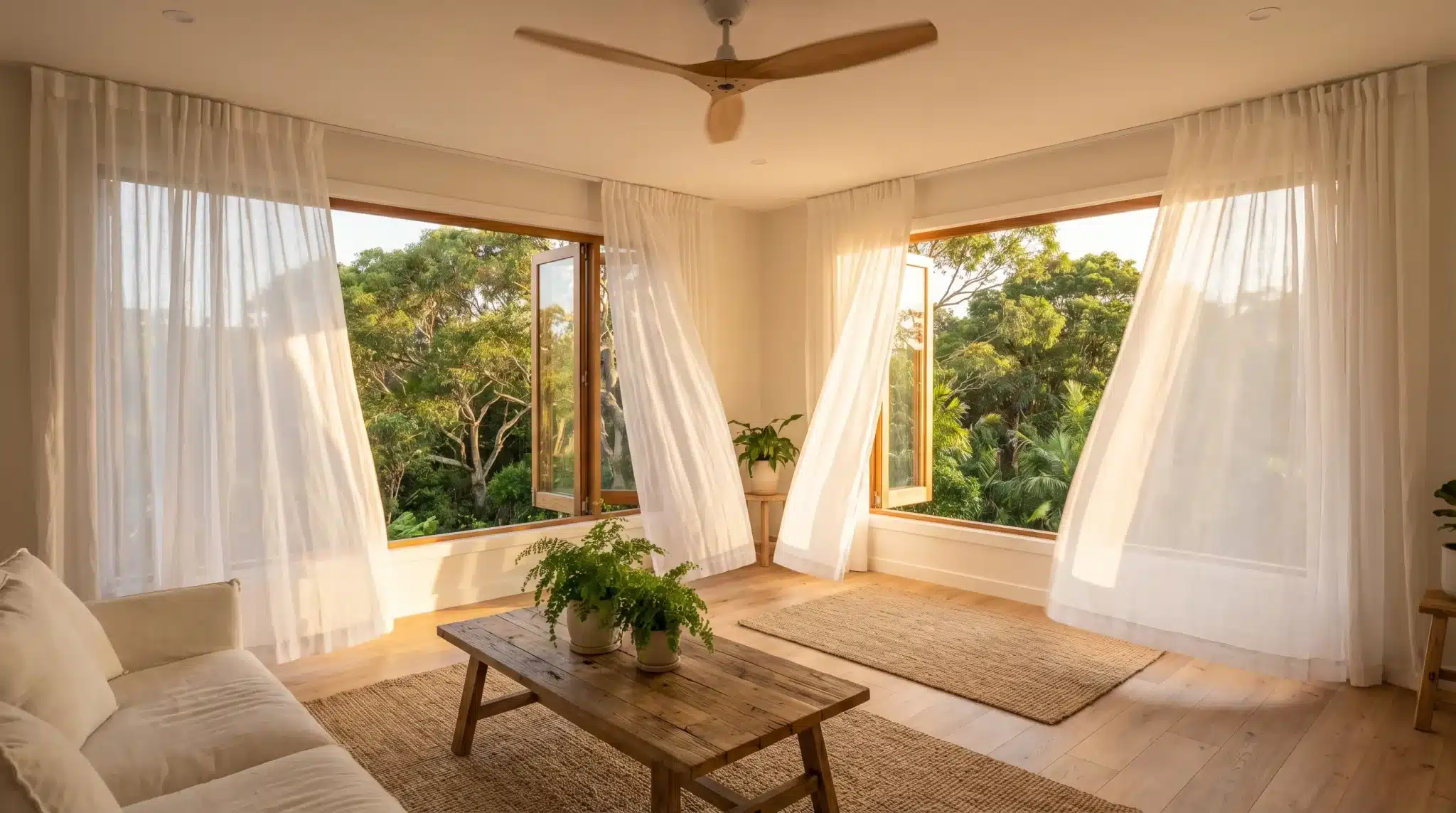
The initial move towards coming up with a natural ventilation system is knowledge about the way in which air gets in and out of the house. Air must have an established route through which it travels in rooms and this involves the determination of the points of intake and exit. Openings on different sides of a room enable air to move through rooms rather than stagnating in a single location. This cross flow is needed to ensure an even-minded indoor comfort.
Elevation differences in the home should also be taken into consideration. Natural exhaust points can be upper level windows or vents, and cooler air can be introduced to the space through lower ones. Once these routes are properly aligned, the home starts to effectively control temperature without mechanical assistance.
Using Building Features
Natural ventilation has much to do with windows and doors and they must be placed with a purpose rather than being arbitrary. By having windows that are on opposite sides of the home, there is a difference in pressure that promotes air movement. Simple changes in the way and timing of opening windows can go a long way in making the indoor air flow better and lessening heat stagnation.
Ventilation can also be supported by the architectural elements like stairwells, hallways, transom windows, etc. These areas enable the flow of air both in a vertical and horizontal direction and spreads the colder air more uniformly throughout the house. Homeowners comparing upgrades like air conditioner installation Calgary can come across instances where ventilation improvements necessitate the use of the system not all the time.
Improving Air Movement Indoors
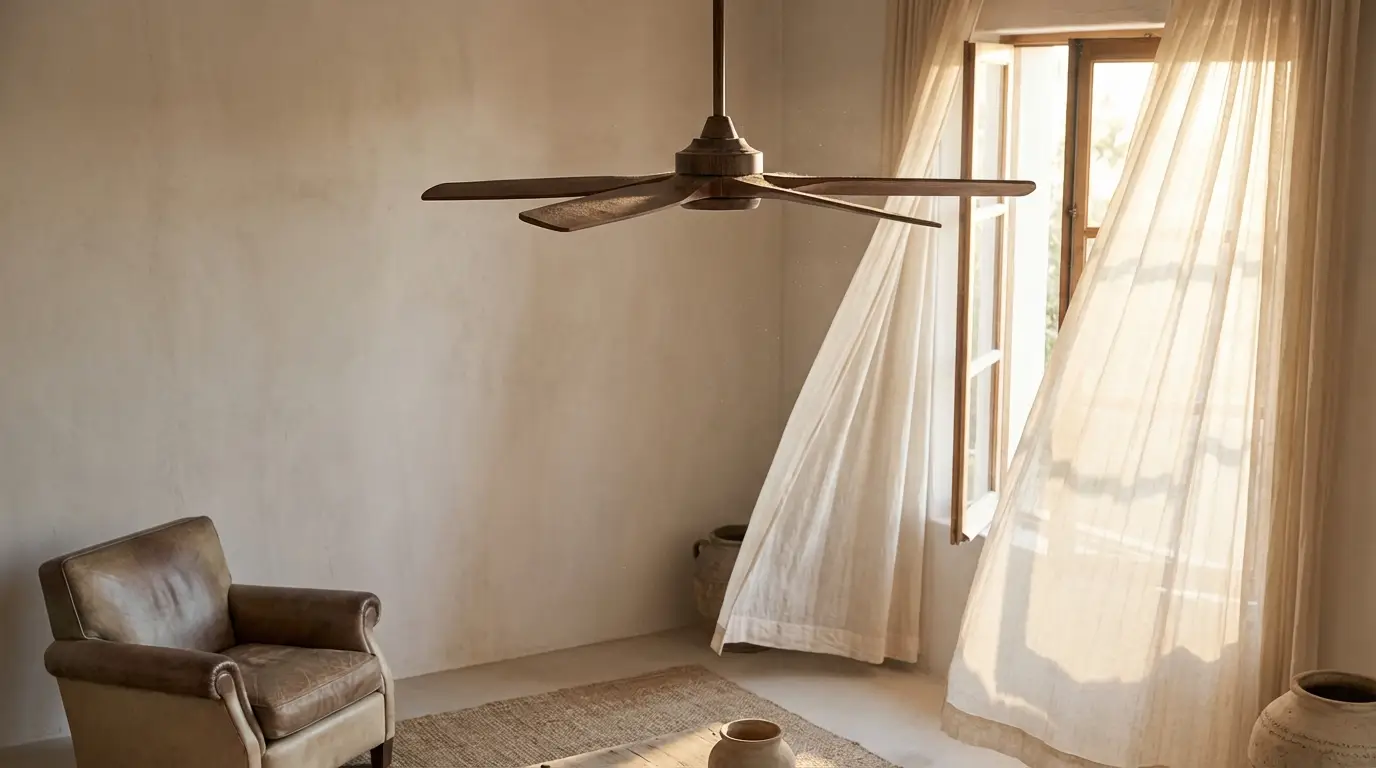
Natural airflow can still be sustained with the help of fans. Placing fans close to windows, or in hallways central to the house, will allow air to pass through the home better. Ceiling fans, especially, are able to draw warm air upwards and cooler air downwards at living level, to enhance comfort without the intense energy consumption.
Having interior doors open or semi-closed according to the direction of airflow can help as well. This enables the air to circulate freely across rooms instead of it getting confined in enclosed areas. With the right balance of airflow, older houses will feel significantly more comfortable during hotter weather.
Environmental and Maintenance Factors
The surrounding environment has a significant impact on the efficiency of natural ventilation of a home. Wind can be redirected or directed towards the house by trees, fences and structures around the home. The knowledge of these patterns can aid homeowners to change landscaping or window application to make use of the existing winds.
Proper maintenance of the home also helps in airflow. Good ventilation is also achieved by having clean vents, free windows and working exhaust systems. Without the maintenance of systems, problems can emerge that will warrant the services of an AC repair professional, although natural cooling systems are mostly employed in homes. Good maintenance and considerate design combine to give long term operation and comfort.
Seasonal and Daily Habits
Timing is important when using natural ventilation. Opening of windows in cool evenings or early mornings permits fresh air to replace heat in the building that was created in the day. Sealing windows in high heat areas allows entrapment of cooler air in the home and avoids unwarranted warming of inside areas.
Ventilation also is facilitated by everyday habits like minimizing indoor sources of heat. Interior temperatures can be lowered by cutting down the use of ovens, controlling the heat of the appliances and changing the lighting. The habits, added with the good airflow strategies, would allow the home to be turned into a simple, yet efficient, natural ventilation system.
An example of an energy-saving method to make your home more comfortable is to create a natural ventilation system and not rely on mechanical cooling. Learning about air circulation in your space and making considerate adaptations to your windows, doors and interior flow will help you foster a constant flow of air, which in turn will automatically help save the heat indoors.