How Much Does a 20×20 Room Addition Cost?

Adding a room sounds exciting until the first contractor quote lands in your inbox. Suddenly, $80,000 feels very real.
A 20×20 room addition, that is 400 square feet of new space, costs between $50,000 and $100,000 on average. Some projects land lower. Others push past $150,000.
The final number depends on the type of room, where you live, the materials you choose, and who builds it. Labor, permits, foundation work, and finishes all add up faster than most people expect.
This guide covers every major cost involved so you can set a real budget and make confident decisions well before construction begins.
What Does a 20×20 Room Addition Cost in 2025?
On average, a 20×20 room addition costs between $50,000 and $100,000 in 2025, working out to roughly $125 to $250 per square foot for 400 square feet of new living space.
High-end builds with custom finishes, complex foundations, or added bathrooms can push the total past $150,000.
The actual cost you pay will depend on your location, the type of room, the contractor you hire, and the materials you select.
20×20 Room Addition Cost by Room Type
The type of room you build has the single biggest impact on your budget. A basic bedroom with no plumbing is a very different project from a full kitchen addition with custom cabinets and new plumbing.
| Room Type | Estimated Cost (20×20) |
|---|---|
| Home Office | $45,000 to $75,000 |
| Bedroom | $50,000 to $70,000 |
| Family or Living Room | $50,000 to $85,000 |
| Sunroom or Four-Season Room | $55,000 to $100,000 |
| In-Law Suite | $60,000 to $120,000 |
| Master Suite (with bathroom) | $75,000 to $135,000 |
| Kitchen Addition | $80,000 to $130,000 |
The Full Price Breakdown for a 20×20 Room Addition

Once you see the average numbers, the next question is straightforward: where does the money actually go? Here is what each major cost category looks like on a 20×20 room addition.
1. Foundation and Framing
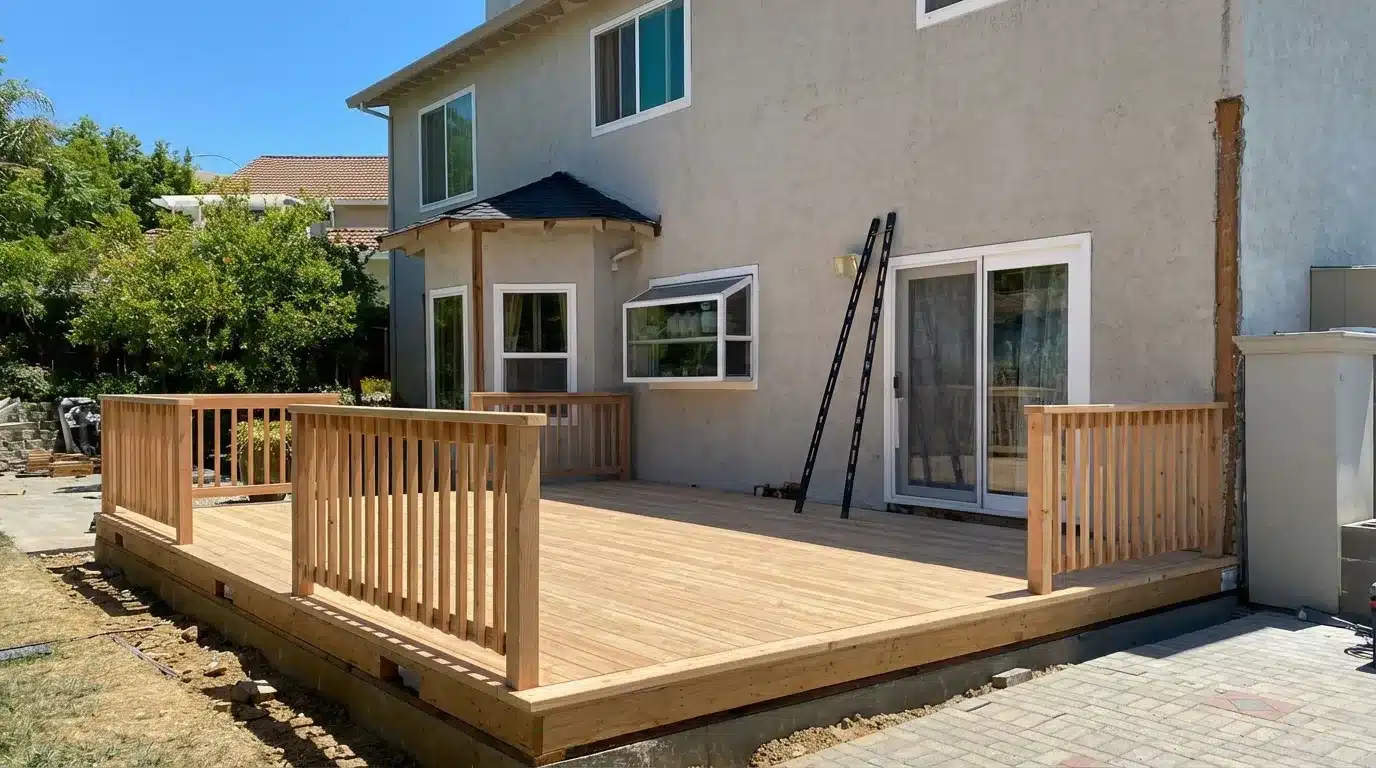
Foundation work typically costs $4,000 to $15,000, while framing adds another $6,000 to $12,000. Second-story additions cost more because they require extra structural support, which increases both material and labor expenses.
2. Labor
Labor usually makes up 40 to 50% of the total project cost. Rates vary by region, with higher costs in states like California, New York, and Massachusetts. Getting at least three contractor quotes can reveal a 20-30% spread in pricing for the exact same scope of work.
3. Materials and Finishes
Material costs for a 20×20 addition typically range from $25,000 to $50,000, depending on your choices. Standard options keep the budget in check, while upgrades like hardwood flooring or custom cabinetry can add $10,000 to $20,000 or more on top of that.
4. Electrical, Plumbing, and HVAC
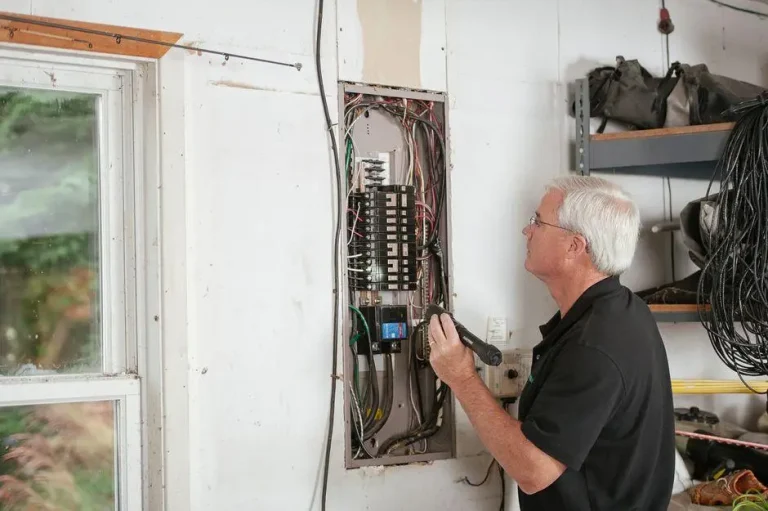
Electrical rough-in runs $3,000 to $8,000 and HVAC extension adds another $3,000 to $10,000. Plumbing, when needed, can cost between $5,000 and $20,000. Rooms without plumbing, like bedrooms and offices, keep this category much lower.
5. Permits and Inspections
Building permits range from $500 to $2,500, depending on your city and project scope. Some areas require architectural drawings before a permit is issued. Skipping permits can result in fines and create serious problems at the time of sale.
Key Factors That Affect Your 20×20 Room Addition Cost
Two homeowners can build the same-sized addition and end up with very different final bills. These are the factors that move your number up or down the most.
- Location: Labor and permit costs are significantly higher in major cities and coastal states compared to the Midwest or South.
- Room Type: Rooms with plumbing, such as kitchens and bathrooms, cost considerably more than bedrooms or home offices.
- Foundation Type: A slab foundation costs less than a crawl space or a full basement.
- Site Conditions: Sloped lots, older homes, or rocky soil increase both labor time and overall cost.
- Material Grade: Upgrading to premium finishes can add $15,000 to $30,000 to the final bill.
- Build Season: Contractors often charge more during peak demand in spring and summer.
- Existing Structure: Matching your home’s current roofline, siding, and windows adds extra material and labor costs.
How to Estimate Costs for a Home Addition?

Start by deciding the size and purpose of the room, since those two factors shape everything else.
From there, get at least three itemized quotes from licensed contractors in your area to get a realistic price range.
Use online cost calculators from trusted sources like HomeGuide or Fixr as a rough baseline, but treat them as a starting point, not a final number.
Factor in foundation type, finish level, and local permit fees, then add a 10-15% buffer on top of the total for anything unexpected that comes up mid-build.
How Long Does a 20×20 Room Addition Take?
Budget planning is only part of the picture. Knowing the timeline helps you prepare for disruptions at home and set realistic expectations about when the space will be ready to use.
| Phase | Estimated Time |
|---|---|
| Planning and Design | 2 to 4 weeks |
| Permitting | 2 to 8 weeks |
| Foundation and Framing | 2 to 4 weeks |
| Electrical, Plumbing, and HVAC | 2 to 3 weeks |
| Interior Finish Work | 3 to 5 weeks |
| Inspections and Final Sign-Off | 1 to 2 weeks |
| Total | 2 to 4 months |
How to Finance a 20×20 Room Addition?
Most householders use a home equity loan, a HELOC, or a cash-out refinance to cover the cost of a room addition.
A home equity loan gives you a fixed lump sum at a set interest rate, which makes budgeting straightforward.
A HELOC works more like a revolving line of credit, which is useful when costs come in stages. If you have limited home equity, a personal loan or an FHA 203(k) loan is a solid option worth looking into.
Comparing at least three lenders before committing can save thousands in interest over the full loan term.
Tips for Managing Your 20×20 Room Addition Cost
Cost control does not happen at the end of a project. It happens at the start, through the small planning decisions that most people skip when they are eager to get started.
- Get multiple quotes: Prices between contractors can vary by 20-30% for the same scope of work.
- Set a contingency budget: Keep 10-15% of the total project cost aside for unexpected issues that may arise during construction.
- Lock in your design early: Making changes after work has started, known as change orders, adds up very fast.
- Choose mid-grade materials: They offer solid durability without the price premium of high-end finishes.
- Build in the off-season: Fall and winter often offer more contractor availability and greater room to negotiate price.
- Simplify the layout: Each added corner, offset wall, or custom feature increases both time and cost.
- Use your contractor’s suppliers: Trade discounts on materials can significantly reduce the overall bill.
DIY or Hire Out? What You Can and Cannot Do Yourself

Hiring a contractor for everything is not always necessary. Some tasks are safe to handle yourself, and knowing the difference can help you cut costs without risking the project.
What You Can DIY
- Demolition of non-load-bearing walls, if local codes allow it
- Painting interior walls after drywall is finished
- Installing light fixtures after the electrical rough-in is complete and inspected
- Laying flooring such as vinyl planks or laminate
- Landscaping and yard cleanup after construction wraps up
What You Should Leave to a Licensed Contractor
- Foundation work and concrete pouring
- Structural framing and load-bearing modifications
- Electrical wiring, panel upgrades, and rough-in work
- Plumbing installation and connections
- HVAC ductwork and system extensions
- Permit filing and inspection scheduling
How to Hire the Right Contractor for Your Room Addition?
Start by collecting at least three itemized bids from licensed, insured contractors who have completed room additions before.
Check references from past addition projects specifically, and verify their license status with your state contractor board.
Read the contract carefully before signing, paying close attention to the payment schedule, scope of work, and change-order procedures.
A reliable contractor should never ask for more than 10-30% upfront as a deposit. Taking extra time to vet your options before work begins can prevent major cost overruns and project delays down the line.
Wrapping It Up
A 20×20 room addition is one of the bigger investments a homeowner can make. But when planned well, it pays off in space, comfort, and real home value.
The average cost of a 20×20 room addition is between $50,000 and $100,000, though your actual cost depends on the room type, your location, and the finish level you choose.
Get multiple quotes, set aside a 10-15% buffer, and always check references before signing anything. The more prepared you are going in, the fewer surprises you will face mid-project.
Have you recently completed a room addition? We would love to hear what it cost you. Drop your experience in the comments below.
Frequently Asked Questions
What Is the Average Cost of a 20×20 Room Addition in California?
In California, a 20×20 room addition typically costs between $80,000 and $150,000 due to higher labor rates, stricter building codes, and elevated permit fees.
Do I Need Permits for a 20×20 Room Addition?
Yes, permits are required for almost every room addition in the US, and your contractor should handle pulling them before any work begins.
Is It Cheaper to Add an Addition or Build Up?
A ground-level addition is usually cheaper since adding a second story requires costly structural reinforcement to support the extra weight.
Do You Need a Foundation for an Addition?
Yes, most room additions require a foundation, and the type required depends on your local building codes, soil conditions, and the existing home’s structure.