Classic Italian Dishes Worth Trying at a Restaurant

Italian restaurant cooking rewards patience, proportion, and a steady hand with heat, salt, and texture. Regional standards remain useful because each plate teaches something different about broth, tomato, cheese, olive oil, or braised meat. A thoughtful menu shows that contrast matters as much as richness. For many diners, the most reliable classics still offer the clearest view of skill, restraint, and lasting comfort across a full meal.
Choosing a Great Menu
A strong menu usually reads clearly before a plate reaches the table. Many diners scan the best Italian restaurants in Portland results for guidance, yet a better measure is range, because pasta, rice, sauce, and roasting each test a kitchen differently. Fresh dough, clean stock, and balanced seasoning reveal more than decor. Those details often separate careful cooking from food that leans on familiarity alone.
Spaghetti and Meatballs
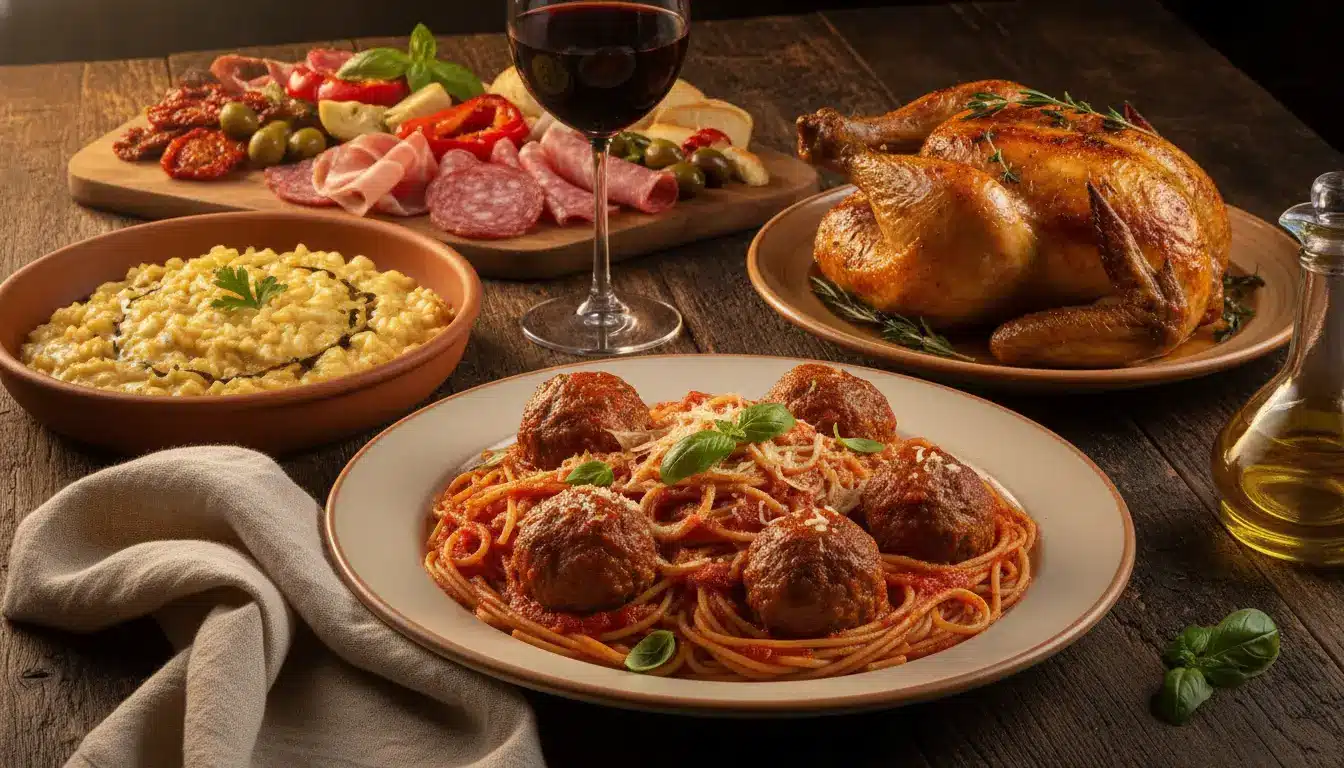
Spaghetti and meatballs survives as a classic for good reason. Proper meatballs stay tender thanks to soaked crumbs, grated cheese, and gentle mixing. The noodles need a light bite, while the tomato sauce should taste bright, savory, and faintly sweet from cooked fruit. Excess sugar flattens the plate. When this standard arrives balanced, it signals sound timing and disciplined control at the stove.
Penne alla Vodka
Penne alla vodka depends on proportion more than extravagance. Cream should soften acidity without muting the tomato’s edge or burying its fragrance. A small measure of vodka helps carry aroma through the sauce, giving the finish lift and roundness. Tube-shaped pasta matters here, since each piece holds enough coating for even flavor. The best versions stay glossy and light and are never pasty.
Cavatelli With Pork Ragù
Cavatelli with pork ragù offers a darker, slower profile. That shape catches shreds of meat and reduced sauce, so each forkful feels complete without turning heavy. Long cooking should draw collagen into the ragù, creating body rather than grease. Tomato brings needed lift. A thoughtful kitchen leaves a clear contrast between savory depth and gentle acidity, which keeps the dish steady from the first bite onward.
Risotto Done Right
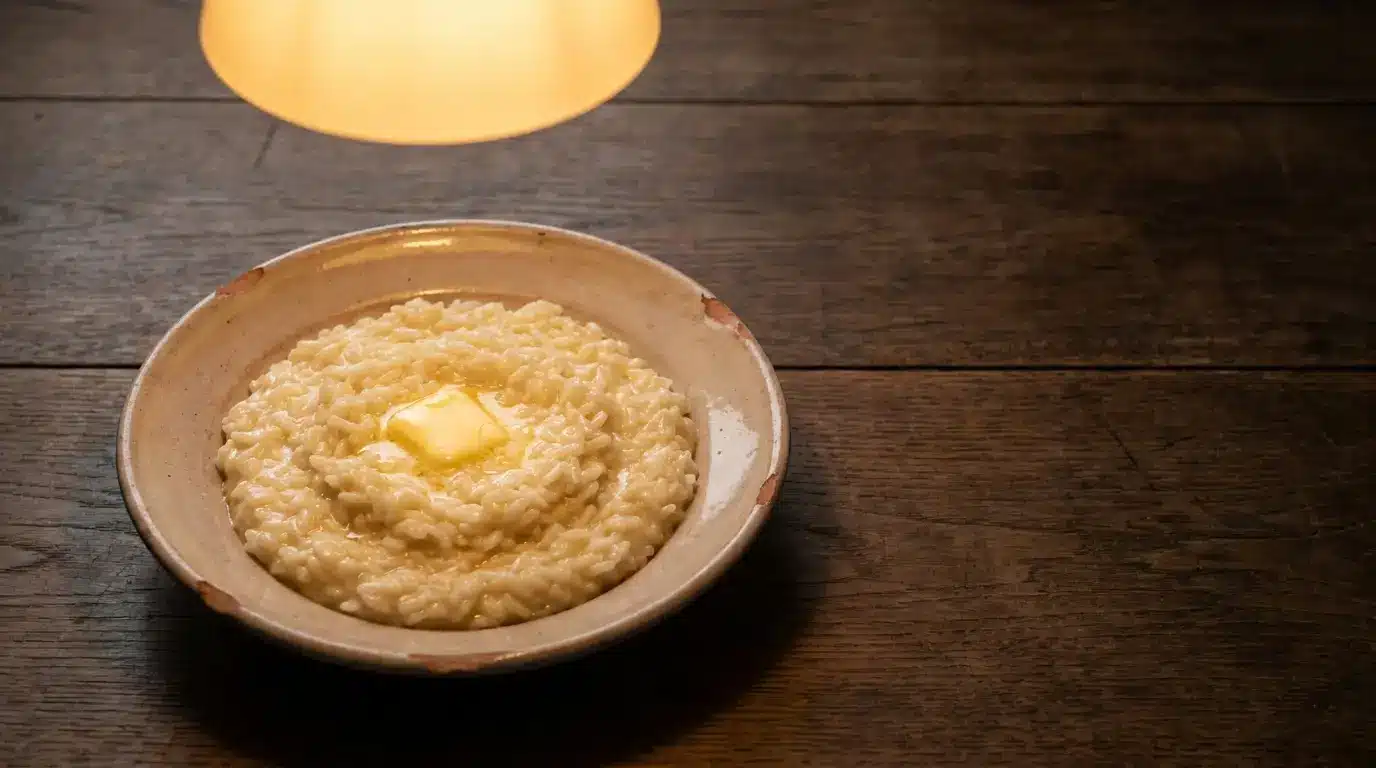
Risotto exposes discipline more quickly than many pasta dishes. Rice must release starch gradually, while broth is added in measured additions that preserve structure. Constant attention is required, as the grains should swell evenly without splitting or turning mushy. Restaurants earn trust here by serving it at once. Delay changes texture fast, and the difference between creamy flow and stiffness can appear within minutes.
Texture Matters
Texture decides whether risotto feels composed or clumsy. A proper spoonful should spread softly, then settle into a loose wave across the plate. Each grain needs a defined center, with starch forming a smooth outer coat. Butter and cheese should support that motion, not smother it.
Roasted Chicken Scarpariello
Chicken scarpariello proves that acidity is the secret to balancing a rich plate. Crisp skin gives structure, while vinegar, peppers, herbs, and pan juices sharpen the palate between bites. Good preparation keeps the meat moist beneath that browned surface. Sausage may join the dish, adding fat and spice, yet balance remains the goal. When handled well, the result feels hearty, lively, and deeply comforting.
Meat and Fish Entrées
Italian kitchens often use restraint with meat and fish rather than pasta. A veal cutlet, grilled branzino, or braised short rib needs support, not clutter. Lemon, capers, wine, herbs, and olive oil can shape a full entrée without masking the main ingredient. That style rewards clean cooking and careful reduction. Diners quickly notice when seasoning sharpens flavor rather than crowding it.
Antipasti and Openers
Antipasti should prepare the appetite, not drain it. Marinated vegetables, cured meats, beans, or bitter greens often work best because they wake the mouth with salt, acid, and crunch. Fried starters have their place, though the first course should still leave room for later richness. A measured opening also reveals kitchen priorities. Clean knives, fresh oil, and lively dressing usually make a strong first impression.
Italian Wine Pairings
Wine pairing in Italian dining follows structure more than status. Tomato sauces favor reds with acidity, since bright fruit handles sharpness better than heavy oak. Cream-based pasta often works with mineral whites that clear the palate between bites. Braised meats welcome firmer tannin. Good lists support food rather than compete with it, creating a meal that stays coherent from the opening glass to the final course.
Dessert to Finish
Dessert should be the perfect finish to a meal. Gelato, citrus tart, panna cotta, or a small almond cake can satisfy without leaving a dull finish. After sauce, cheese, and roasted meat, lighter sweetness usually preserves the memory of earlier courses.
Seasonal Specials
Seasonal specials show whether tradition stays active in the kitchen. Spring peas, summer tomatoes, autumn mushrooms, and winter braises can shift the menu while preserving its foundation. Those changes matter because Italian cooking depends on the condition of ingredients as much as on recipe memory. Repeated visits become more useful that way. Diners can track how the same kitchen handles freshness, depth, and weather across the year.
Conclusion
Classic Italian dishes remain worth ordering because each one tests a different part of the kitchen. Meatballs ask for tenderness, ragù needs patience, risotto demands timing, and roasted chicken relies on a balance between fat and acid. Starters, seafood, and dessert complete that picture. For diners seeking a reliable measure of quality, these standards still offer the clearest guide with a meal that feels generous, grounded, and carefully made.