How 3D Renderings Help Homeowners and Designers Plan Renovations Before Work Begins

Planning a renovation is exciting, but it can also be surprisingly difficult. A homeowner may know they want a brighter kitchen, a more comfortable living room, a better bathroom layout, or a more welcoming exterior. A designer may understand the direction clearly. A contractor may know how the work will be done. Still, until the renovation is complete, everyone is often working from imagination.
That is where many renovation projects become stressful. Paint samples, tile boards, floor plans, Pinterest references, and showroom visits are helpful, but they do not always show how everything will come together inside the actual home.
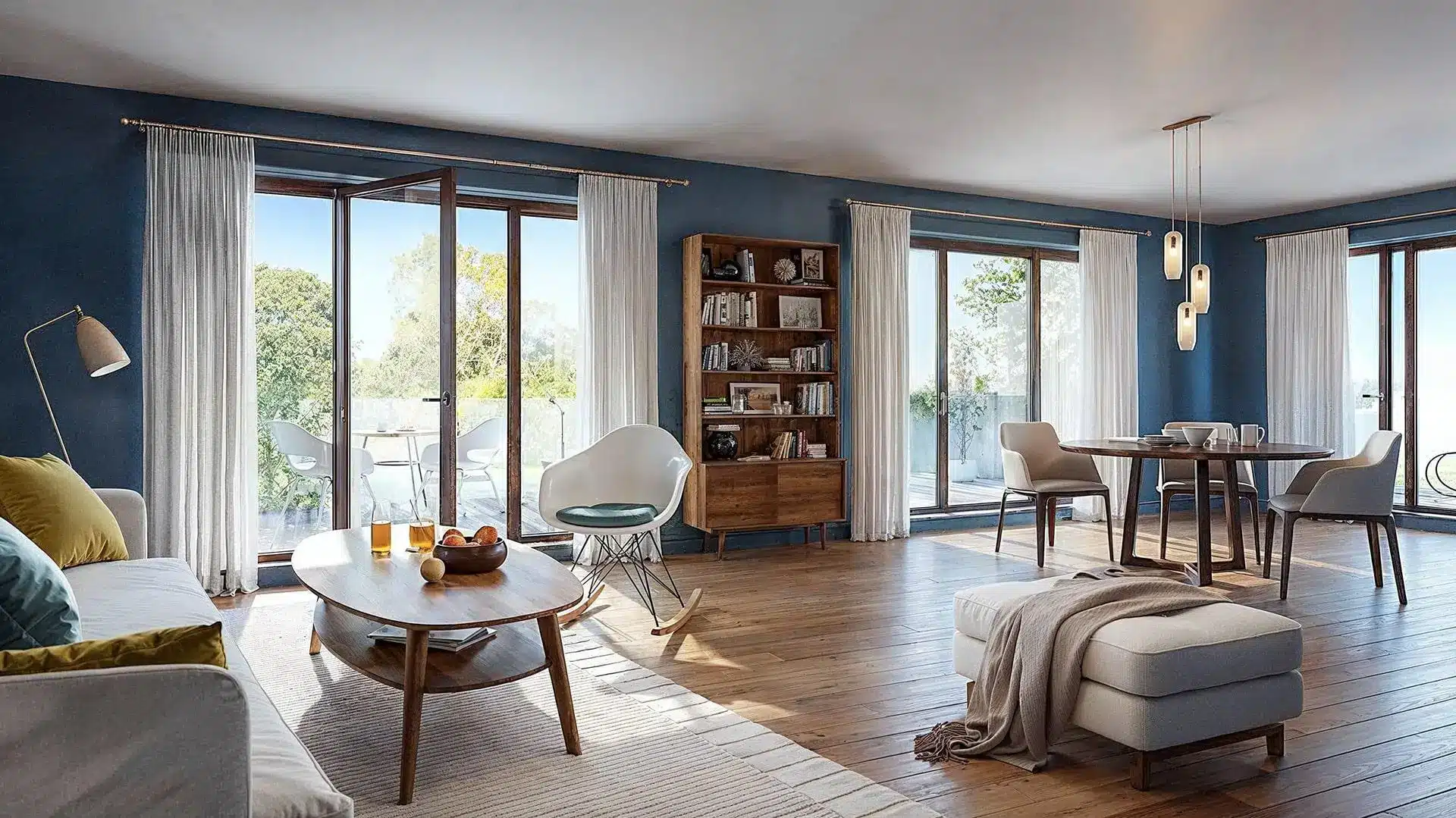
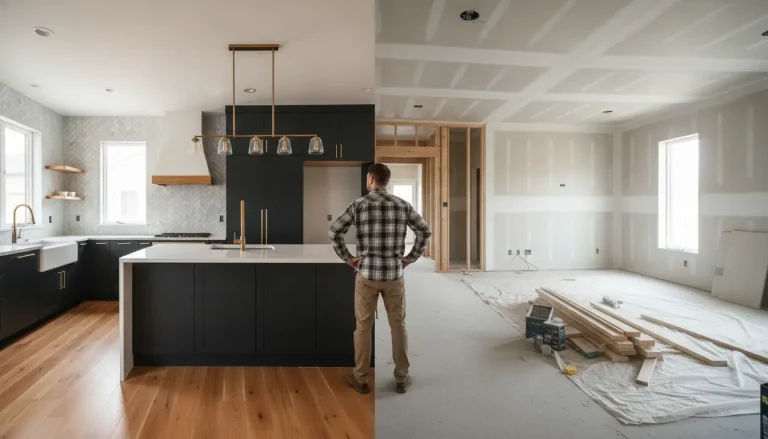
3D renderings help solve this problem. They allow homeowners, interior designers, architects, and contractors to preview a renovation before construction begins. Instead of relying only on drawings and descriptions, everyone can see the proposed design in a realistic visual form.
Seeing the Finished Space Before Making Big Decisions
One of the biggest challenges in renovation is confidence. Homeowners often need to make expensive decisions before they can see the final result. Cabinets, countertops, flooring, lighting, wall colors, furniture, bathroom fixtures, exterior materials, and landscaping choices all affect the final look of a home.
A small sample can look beautiful in a showroom but feel completely different in the actual space. A dark cabinet color may look elegant in theory but make a kitchen feel smaller. A light floor may brighten the room but clash with existing furniture. A bold bathroom tile may look exciting on a mood board but overwhelming when used across a full wall.
3D renderings make these decisions easier to understand. They show how materials, colors, lighting, and furniture work together in the real proportions of the room. This helps homeowners feel more confident before ordering materials or starting construction.
Making Renovation Plans Easier to Understand
Not every homeowner can read architectural drawings or interior design plans easily. A floor plan may show where the kitchen island will go, but it may not communicate how the space will feel. An elevation can show a wall of cabinets, but it may not show the atmosphere of the room.
Design professionals are used to reading these documents, but clients often need something more visual. A rendering turns technical information into an image that is easier to understand.
This is especially useful for renovations that involve layout changes. Removing a wall, opening a kitchen to a living room, adding built-ins, changing window sizes, or redesigning a bathroom can be hard to imagine from drawings alone. A realistic 3D image helps everyone see the future space more clearly.
It can also reduce repeated questions. Instead of asking whether a dining table will fit, whether the room will feel too narrow, or whether the new lighting will be enough, homeowners can see a realistic preview and respond to it directly.
Comparing Design Options Before Spending Money
Renovation budgets can grow quickly. One of the best ways to avoid expensive mistakes is to compare design options before construction begins.
3D renderings allow homeowners and designers to test different ideas visually. For example, a kitchen renovation might include several cabinet colors, two countertop options, different backsplash styles, and multiple lighting approaches. A bathroom might be tested with different tile layouts, vanity colors, mirrors, and shower glass options. An exterior renovation might compare siding colors, roof materials, window trim, landscaping, and front door designs.
Seeing these options side by side is often much more useful than imagining them separately. A homeowner may discover that the original idea feels too cold, too dark, too plain, or too busy once it is shown inside the real space.
This process can save time and money. It is much easier to change a rendering than to replace installed tile, repaint a full exterior, or reorder custom cabinetry.
Helping Homeowners and Designers Communicate Better
A renovation usually involves several people: the homeowner, designer, architect, contractor, cabinet supplier, landscaper, and sometimes a real estate agent or property investor. Each person may have a slightly different picture in mind.
Clear visuals help bring everyone onto the same page.
A rendering gives the team a shared reference point. It can show the intended look, the placement of major features, the relationship between materials, and the overall design direction. This helps reduce misunderstandings before work begins.
For designers, renderings are also useful when presenting ideas to clients. Instead of asking a homeowner to trust an abstract concept, the designer can show how the finished room or exterior is expected to feel. This makes feedback more specific and productive.
For this reason, many design and renovation professionals work with specialists such as Ravelin3D architectural visualization studio to create realistic visual previews of interiors, exteriors, and home improvement projects before construction begins.
Improving Kitchen and Bathroom Renovations
Kitchens and bathrooms are among the most important renovation spaces in any home. They are also among the most expensive to change once work has started.
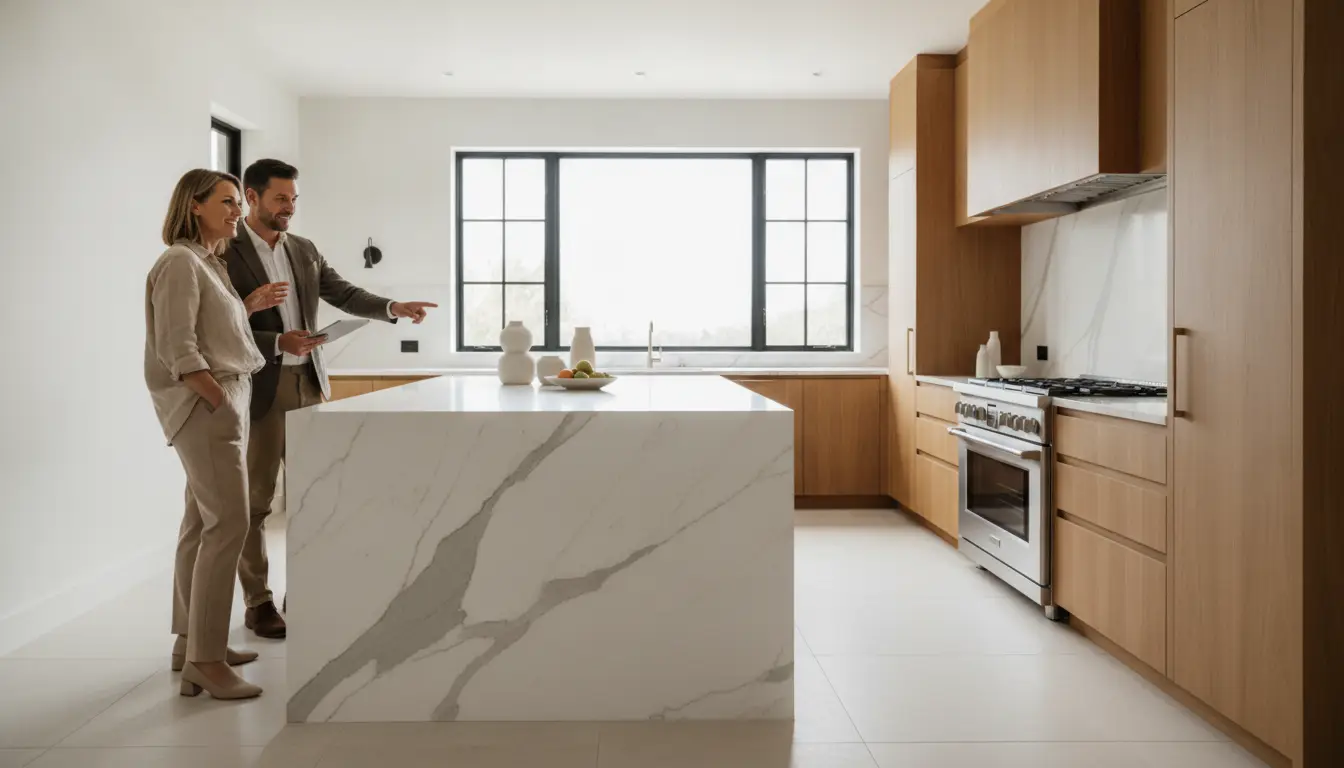
In a kitchen, 3D renderings can show cabinet proportions, island size, appliance placement, pendant lights, backsplash height, countertop materials, flooring, seating, and the connection to nearby rooms. This helps homeowners understand both the style and the function of the space.
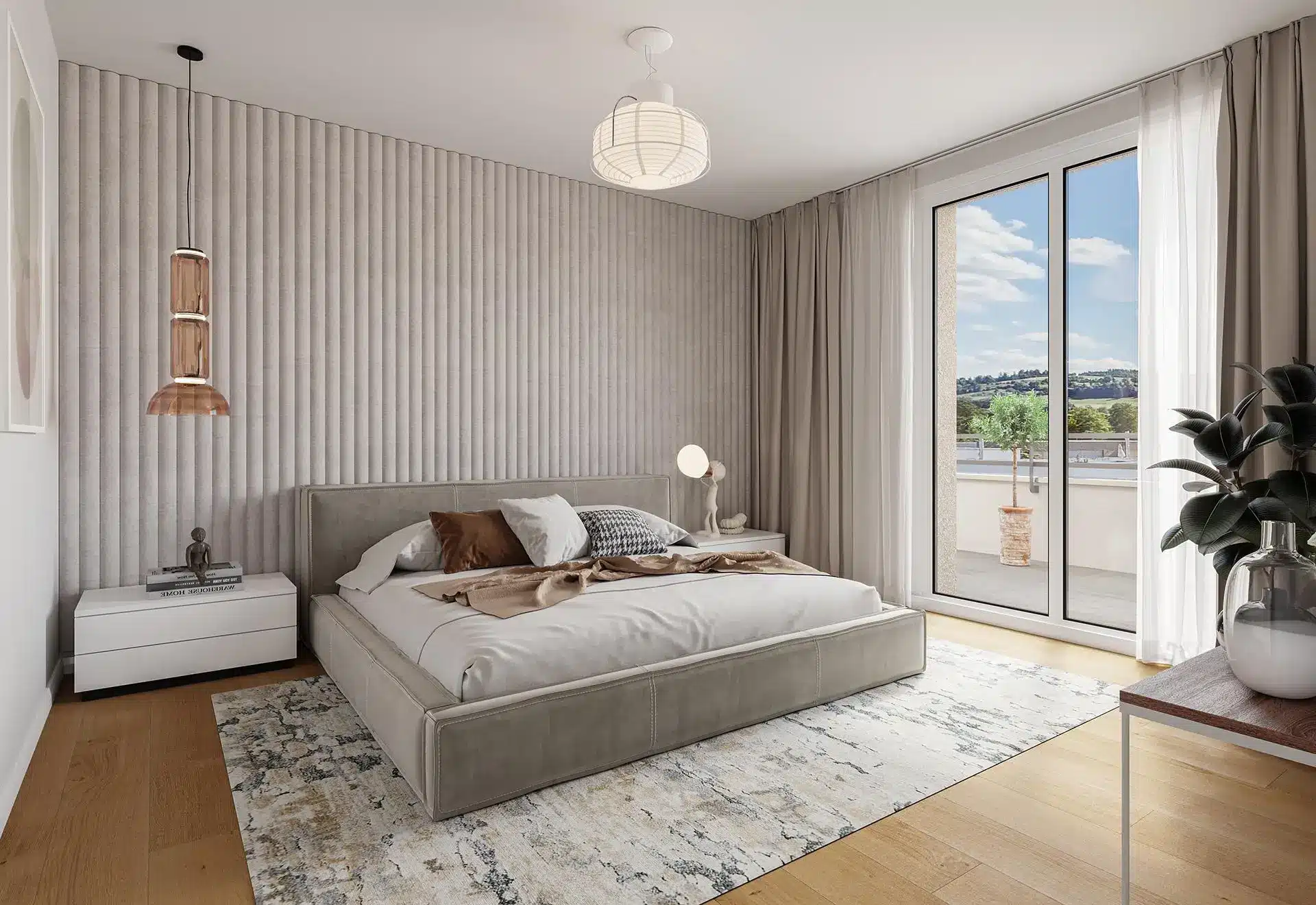
In a bathroom, renderings can show tile patterns, shower design, vanity scale, mirror placement, lighting, storage, and the feeling of the room. Since bathrooms are often smaller spaces, even small design choices can have a major visual impact.
A realistic preview helps homeowners avoid choices that might look good individually but do not work well together. It also helps designers explain why certain combinations, layouts, or materials may be better for the home.
Planning Exterior Updates and Curb Appeal
3D visualization is not only useful for interiors. It can also help with exterior renovations.
Homeowners may want to update siding, repaint brick, change trim colors, replace windows, redesign the entry, add a porch, improve landscaping, or modernize the facade. These changes can dramatically affect curb appeal, but they are hard to judge from small samples.
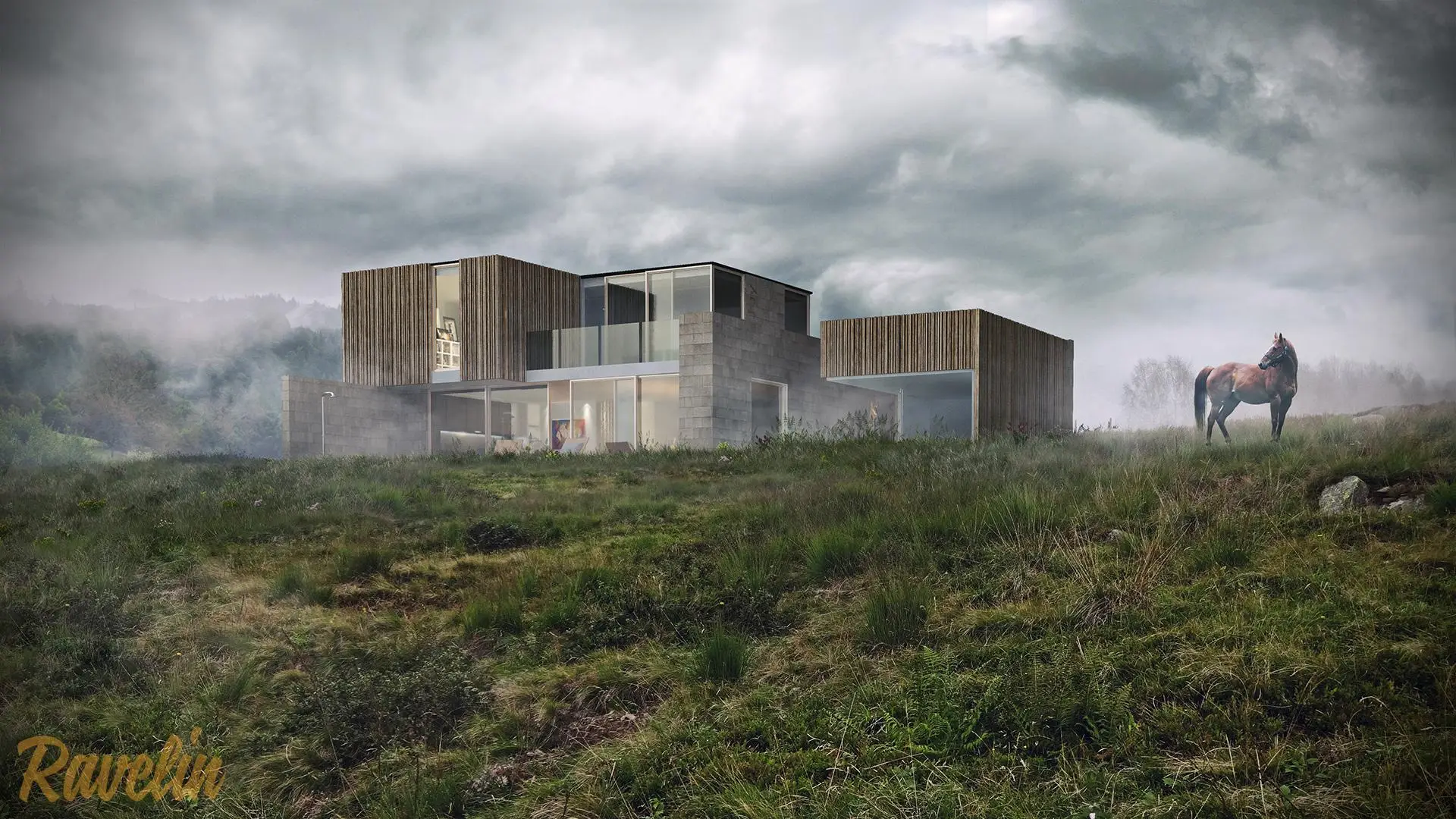
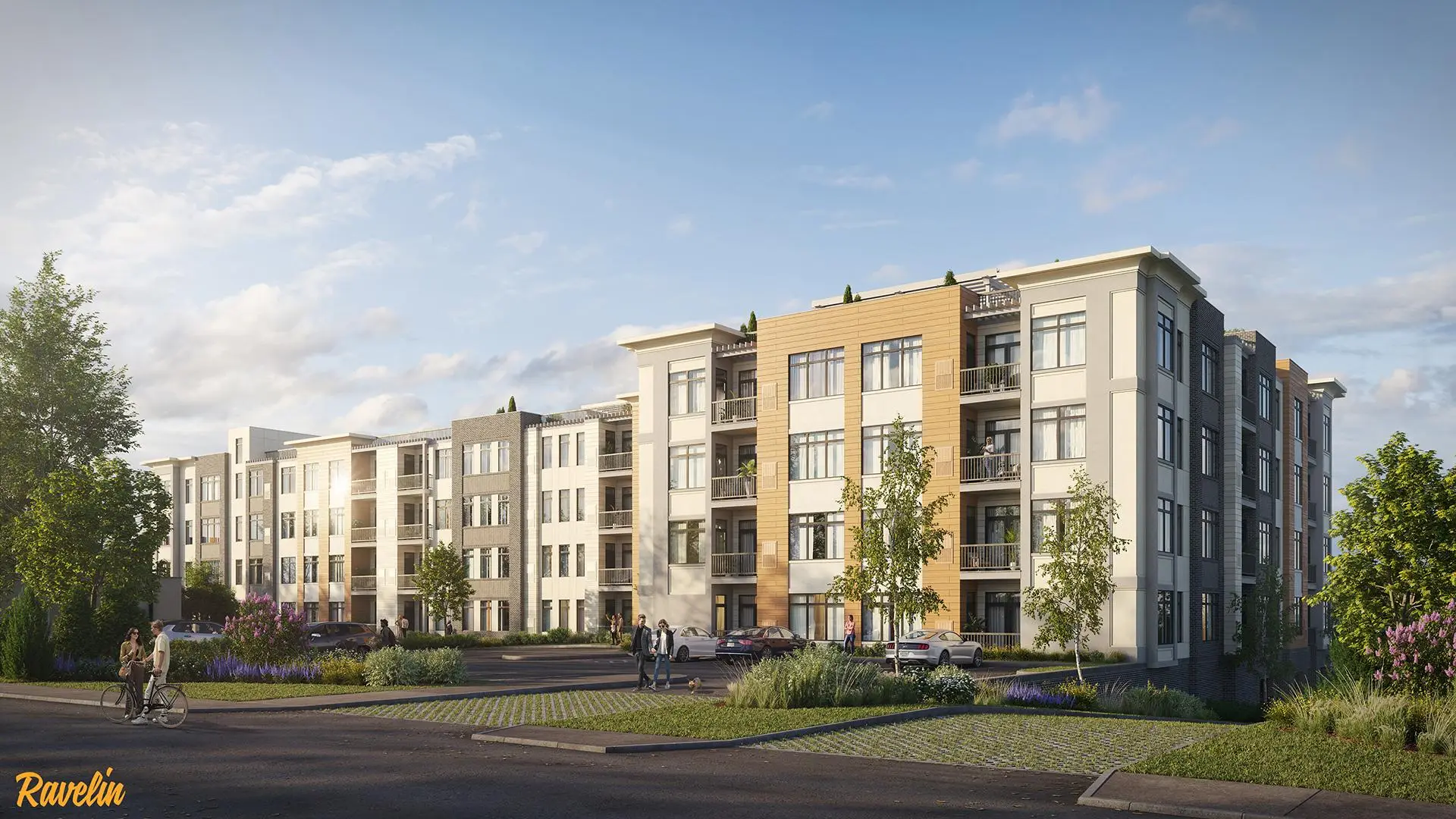
An exterior rendering can show how the full home will look after the updates. It can also show how the house fits with landscaping, driveway materials, outdoor lighting, fences, patios, and neighboring context.
This is especially helpful when a homeowner is choosing between several exterior color palettes. A color that looks safe on a small sample may feel too flat on the whole house. A bold color may look more balanced once combined with the right trim, roof, and landscaping.
Reducing Stress During the Renovation Process
Renovations often feel stressful because there are so many unknowns. Homeowners worry about cost, timelines, design choices, and whether the final result will match what they imagined.
3D renderings cannot remove every challenge, but they can reduce uncertainty. When the homeowner has already seen a realistic preview, the project feels more controlled. The design direction is clearer, the team has a shared goal, and fewer decisions are made blindly.
This can make the entire renovation process more enjoyable. Instead of hoping that everything will look good at the end, homeowners can move forward with a clearer sense of what they are creating.
A Practical Tool for Better Renovation Planning
A successful renovation is not only about choosing beautiful materials. It is about making the right decisions for the specific home, the budget, the lifestyle, and the people who will live there.
3D renderings help connect all of these elements. They turn ideas into images, make design choices easier to compare, and help homeowners understand the final result before the work begins.
Whether the project is a kitchen remodel, a bathroom update, a living room redesign, a home exterior refresh, or a larger renovation, visual planning can make the process clearer and more confident.
For homeowners, it means fewer surprises. For designers, it means better communication. For contractors, it means a clearer vision to follow. And for the home itself, it means the final result is more likely to match the original dream.