5 Things to Know Before Hiring Exterior Stucco Contractors in Calgary

Hiring the right stucco professional comes down to verifying credentials, moisture management practice, and pricing transparency. Confirm the crew is licensed, bonded, and WCB-covered, then ask how they handle drainage behind the cladding. Quality stucco repair Calgary work depends on proper substrate preparation and warranty-backed craftsmanship. Request a written scope, compare material systems, and check that annual inspection guidance is included.
Introduction
Choosing a cladding specialist often feels harder than the renovation itself. Homeowners gather a few quotes, glance at online ratings, and assume the lowest bid reflects fair value. Surface work hides most of what determines longevity, and the difference between a lasting finish and a callback in two winters usually sits behind the visible coat. In a climate defined by deep freeze-thaw cycles, moisture control and substrate detailing carry more weight than colour or texture.
Reputable specialists such as Golden Trowel Stucco build their process around building science rather than shortcuts, which is the standard worth measuring any bid against. Before you hire exterior stucco contractors in Calgary, it helps to understand what genuinely separates durable craftsmanship from cosmetic patching. The five considerations below give you a practical framework for asking sharper questions and protecting your investment.
Credentials, Insurance, and Local Code Knowledge That Actually Matter
The lowest quote often carries the highest long-term cost, because gaps in licensing and coverage surface only after the work fails. Verifying a crew’s professional standing takes minutes, yet it separates seasoned tradespeople from operators who disappear when a warranty claim arrives. Before texture and colour enter the conversation, the paperwork behind the crew deserves your first round of questions.
Why Licensing and Bonding Come First
A licensed and bonded contractor gives you legal recourse if a project stalls or the finished assembly underperforms. Bonding protects your deposit, while proper Workers’ Compensation Board (WCB) coverage shifts liability away from you if someone is injured on your property.
Uninsured crews may quote less, though the homeowner absorbs the risk that a professional operation would normally carry. Reputable stucco repair specialists treat this coverage as non-negotiable, not as an upsell. Ask for current certificates rather than verbal assurances, and confirm the numbers are active through a short call to the relevant provincial body.
Code Fluency and the Local Climate
Building code fluency matters because assemblies that ignore regional standards tend to crack, delaminate, or trap moisture within a few seasons. A crew fluent in freeze-thaw detailing understands drainage planes, expansion allowances, and the substrate movement that deep cold introduces. That knowledge shapes decisions long before the first coat is mixed.
Use this short checklist when screening any candidate:
- Proof of licensing and an active bond certificate
- WCB clearance valid through your project window
- Documented experience with cementitious and acrylic systems
- Written references from projects at least two winters old
- Familiarity with local permit and inspection requirements
The result is a shortlist built on verifiable competence rather than price alone, which is the foundation every later decision rests upon.
Moisture Management and the Freeze-Thaw Factor Most Crews Overlook
Water is the quiet adversary of every exterior wall, and the way a crew manages it separates a lasting finish from one that fails within a few seasons. Most homeowner guides stop at surface appearance, yet the assembly behind the visible coat decides how the wall performs through repeated cold cycles. This is where technical fluency earns its value.
The Drainage Plane Behind the Wall
Cladding does not stay watertight forever, so professional assemblies plan for water that finds its way in. A drainage plane, paired with a weather-resistive barrier, gives moisture a controlled path back out before it reaches the framing. Crews experienced with quality stucco siding Calgary projects build this redundancy in as standard practice, because trapped water expands as it freezes and forces cracks open from within.
The distinction between the two common approaches is worth understanding before you approve any scope.
| Assembly Type | How It Handles Water | Freeze-Thaw Durability |
|---|---|---|
| Face-sealed | Relies on the outer coat alone | Lower, cracks trap moisture |
| Drained (rainscreen) | Redirects water via a gap and barrier | Higher, moisture escapes freely |
The table makes the trade-off clear. Face-sealed systems cost less initially, though drained assemblies protect the structure far better under regional temperature swings.
Reading the Warning Signs Early
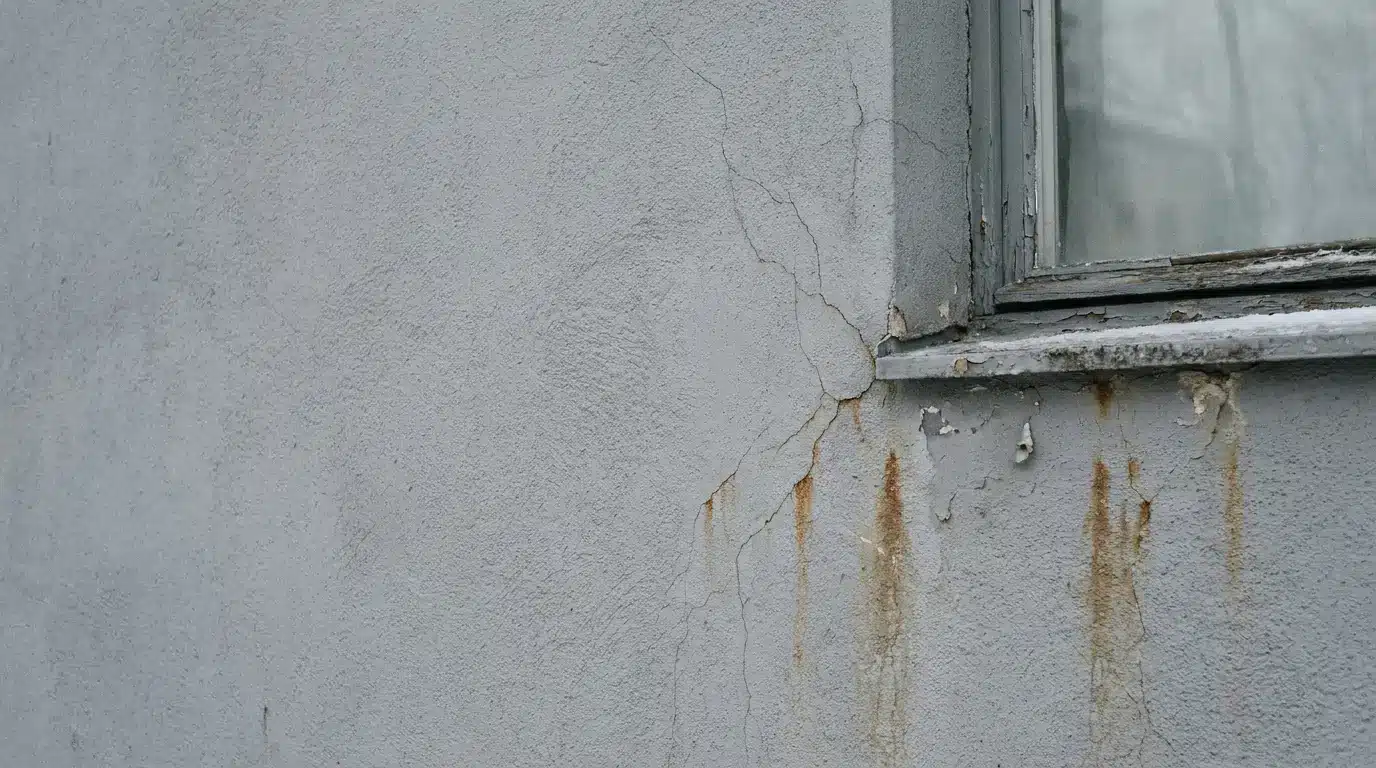
Small defects reveal moisture problems long before major damage appears. Watch for these indicators during any inspection:
- Hairline cracking near windows and corners
- Staining or efflorescence on the finish
- Soft or hollow spots when tapped
- Bulging where the coat separates from its base
Beyond the basics, a crew treating moisture control as an afterthought will produce work that photographs well and deteriorates quietly. Prioritise the professionals who talk about drainage before they talk about texture.
Reading Quotes, Warranties, and Material Choices Like a Professional
A detailed quote tells you more about a contractor than any sales pitch. Once credentials and moisture strategy check out, the paperwork reveals whether a crew has thought through the full lifespan of your wall. Reading it with a trained eye protects both your budget and your timeline.
What a Transparent Quote Contains
Vague estimates invite disputes, so professional documentation itemises every stage of the job. A quote worth trusting spells out surface preparation, material systems, coat thickness, and cleanup, rather than folding everything into a single lump sum. Established stucco repair Calgary providers also state their warranty terms in writing, covering both labour and materials for a defined period.
Watch for these elements when you compare competing bids:
- Itemised labour and materials, not a single figure
- Defined project timeline with realistic milestones
- Written warranty on both application and product
- Substrate preparation described in specific terms
- Payment schedule tied to completed stages
Matching Material to the Climate
Not every finish suits a demanding thermal environment, and material choice shapes both longevity and maintenance. Acrylic-based finishes flex with temperature movement and resist hairline cracking, while traditional cement coats offer proven durability at a lower cost. The right selection depends on exposure, budget, and the performance you expect over decades.
In practice, the quote and the material conversation together expose how deeply a crew understands regional performance. Weigh both before you commit to anyone.
Protecting Your Investment in Stucco Repair
Vetting a cladding specialist rewards patience over speed. The strongest candidates prove their credentials, plan for moisture before appearance, and put every stage of the work in writing.
Match your material to the thermal demands of the local climate, and treat warranty clarity as a baseline rather than a bonus. Approached this way, quality stucco repair becomes a long-term asset instead of a recurring expense, and the questions above keep you in control of that outcome.