19 Gorgeous Annual Flowers That Bloom All Summer Long

Most flowers look great in May. But as July rolls in, your garden starts to look tired.
That is the real problem with relying on the wrong plants. Annual flowers that bloom all summer fix this.
You plant them once, and they keep producing color from late spring straight through to the first frost.
Annuals are popular because they give you nonstop color without asking for much in return. Many thrive in full sun, handle heat well, and grow happily in containers, baskets, and garden beds.
Some attract butterflies, bees, and hummingbirds, too.
In this blog, you’ll find annual flowers that keep blooming all summer long, chosen for their ability to handle heat, bloom for months, and thrive with minimal care.
19 Annual Flowers That Bloom All Summer
Annual flowers are perfect for adding nonstop color to your garden from spring through fall. Here are 19 beautiful annuals that bloom all summer long and brighten up any outdoor space.
1. Zinnias
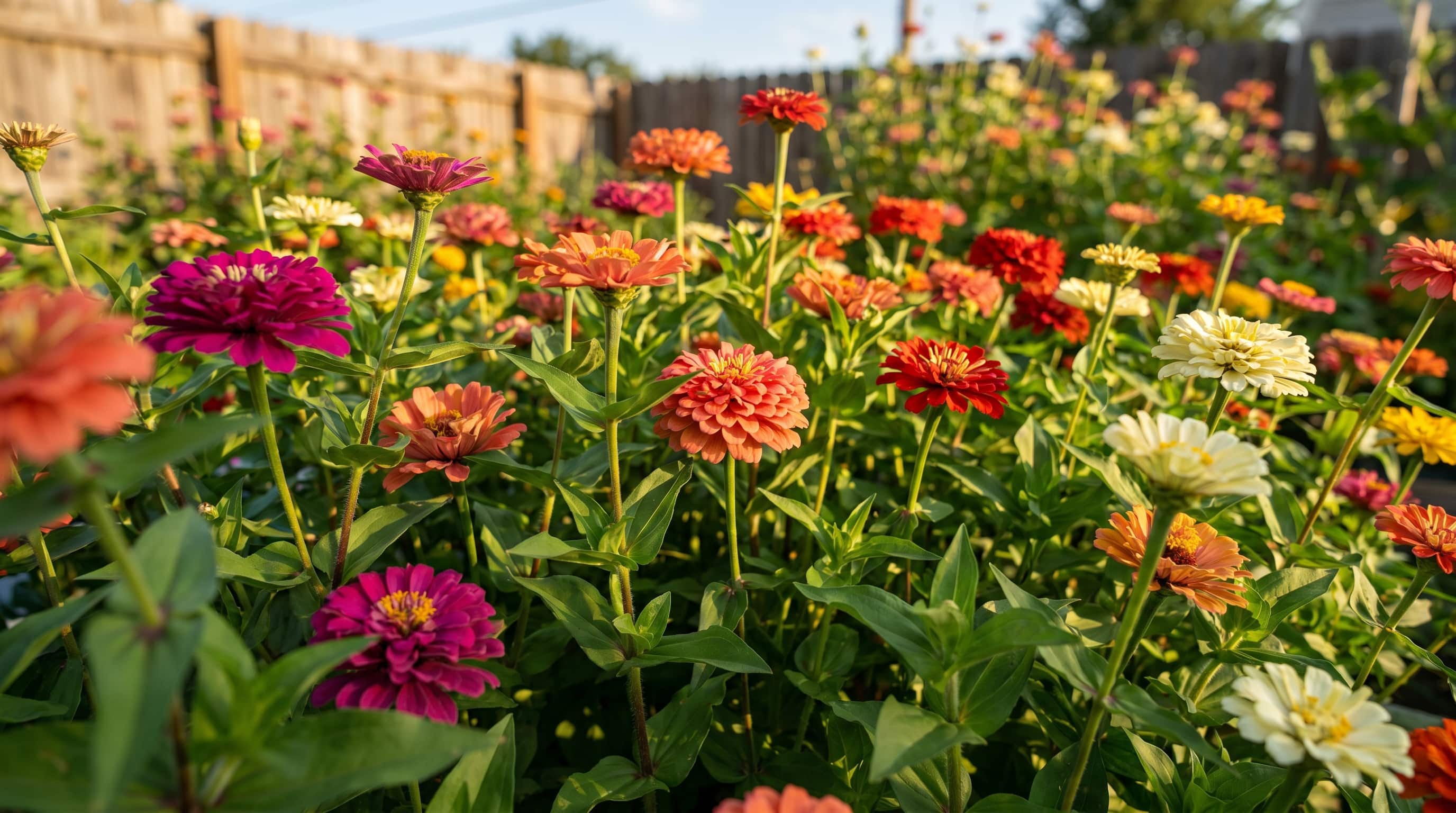
Sun: Full sun | Water: Moderate | Height: 6 to 36 inches | Bloom Time: Late spring to frost
Zinnias are one of the easiest workhorses in the summer garden. Sow seeds directly in the ground after the last frost. They do not transplant well.
Good air circulation helps prevent powdery mildew in humid areas. The more you cut them, the more they bloom. Colors range from white and yellow to deep red. They are also top butterfly attractors.
2. Petunias
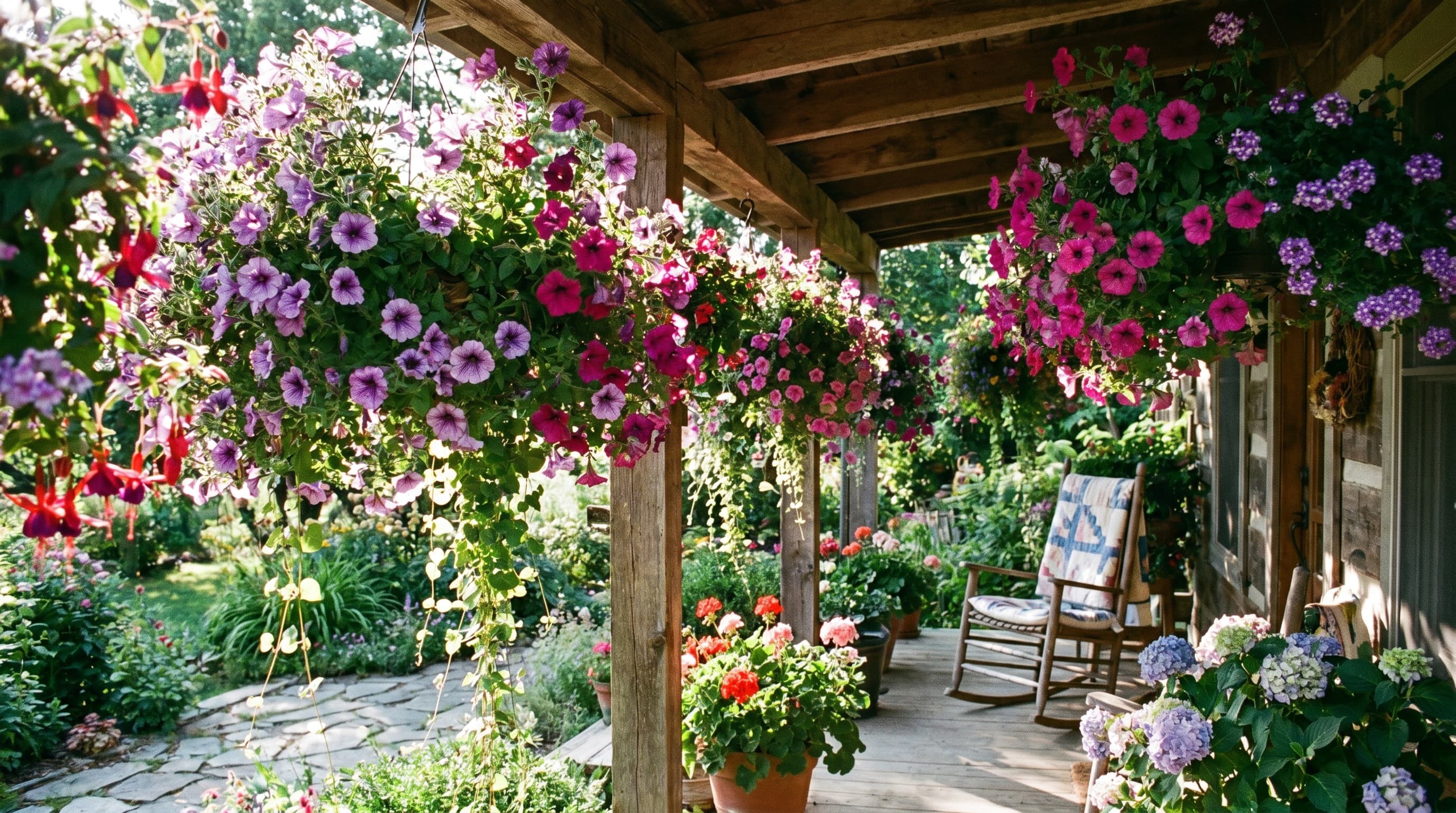
Sun: Full sun | Water: Regular | Height: 6 to 18 inches | Bloom Time: Spring to frost
Trailing Wave petunias spill beautifully over containers and baskets. Upright types fill borders well. They come in nearly every color, including bi-color patterns.
Cut plants back by one-third in midsummer to prevent legginess and encourage new blooms. Feed weekly with a bloom-boosting fertilizer.
3. Marigolds
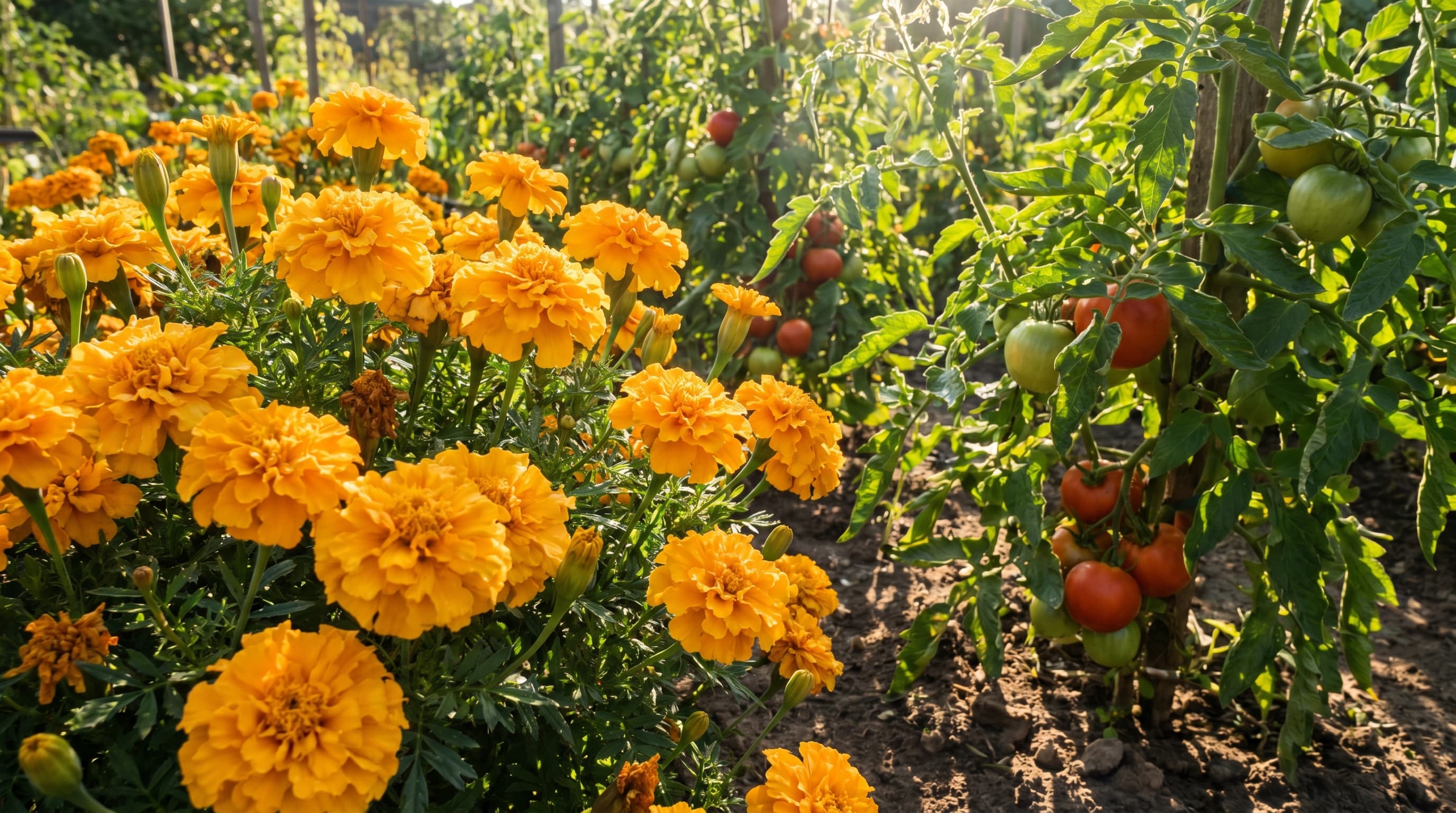
Sun: Full sun | Water: Low to moderate | Height: 6 to 36 inches | Bloom Time: Spring to frost
Marigolds handle heat and dry spells better than most annuals. Deadhead regularly to keep blooms coming.
French marigolds stay compact while African types grow taller with larger blooms. Plant them near tomatoes and peppers to naturally deter pests.
4. Cosmos
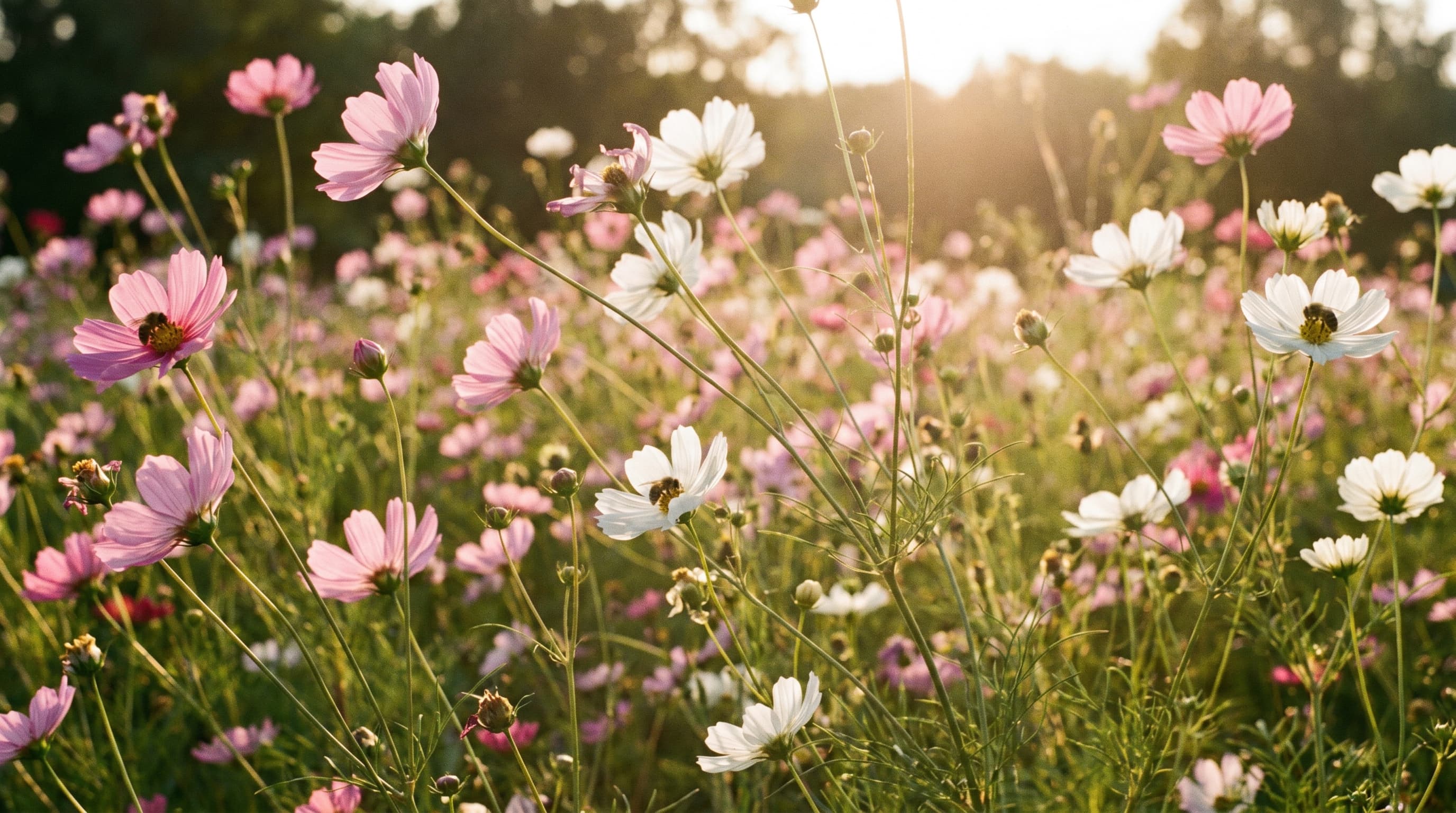
Sun: Full sun | Water: Low | Height: 18 to 48 inches | Bloom Time: Summer to frost
Cosmos actually prefer poor soil. Rich soil produces more leaves and fewer flowers. Direct sow in spring, and they deliver months of daisy-like blooms in pink, white, and magenta.
Their open, flat flower heads make them one of the top choices for attracting bees and butterflies.
5. Calibrachoa
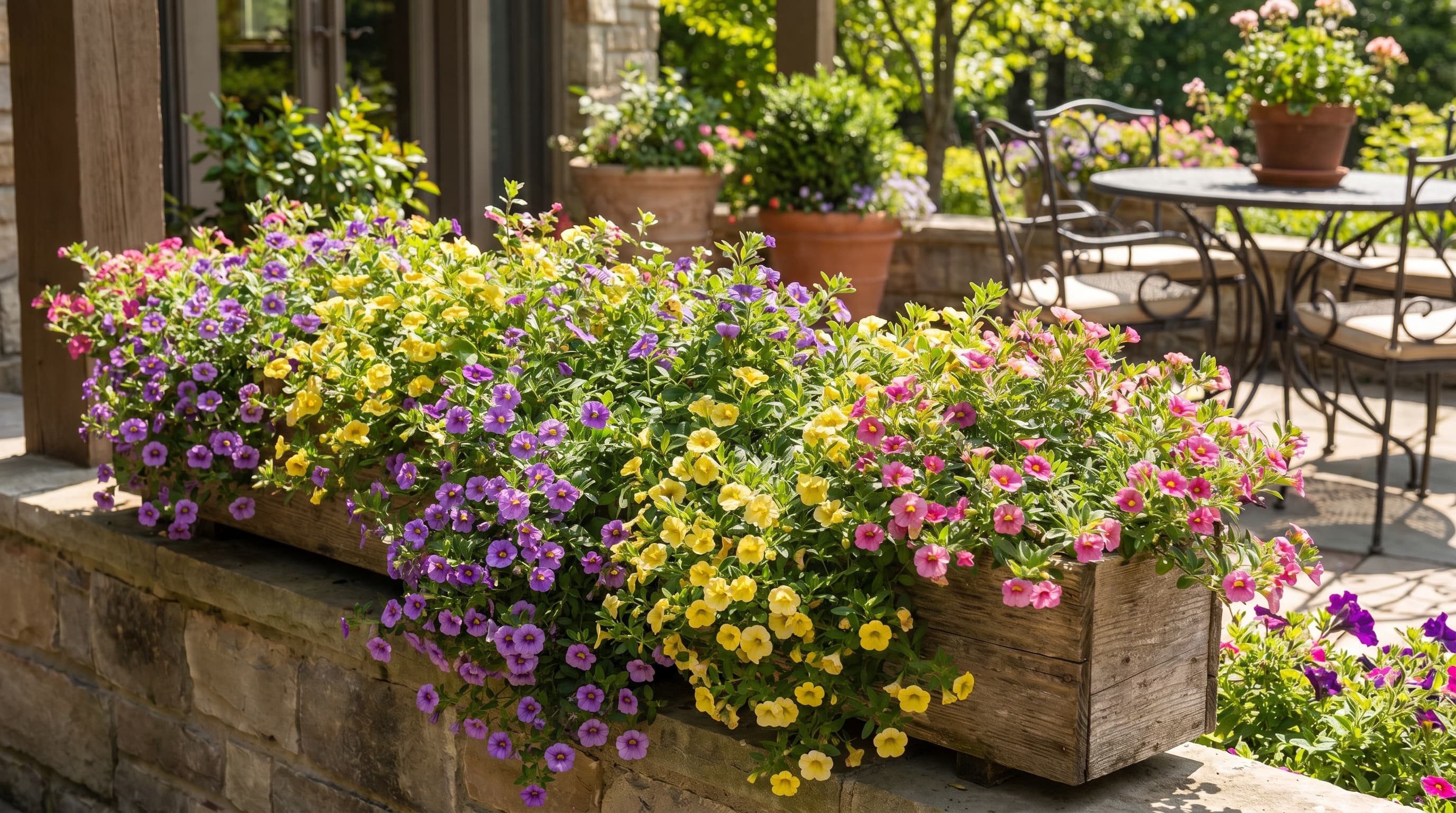
Sun: Full sun to partial shade | Water: Regular | Height: 3 to 9 inches | Bloom Time: Spring to frost
This small trailing flower blooms nonstop all season without deadheading. It creates a waterfall effect in hanging baskets and window boxes.
Feed with iron-rich fertilizer to prevent yellowing. Check soil moisture often since it does not handle drying out well.
6. Vinca
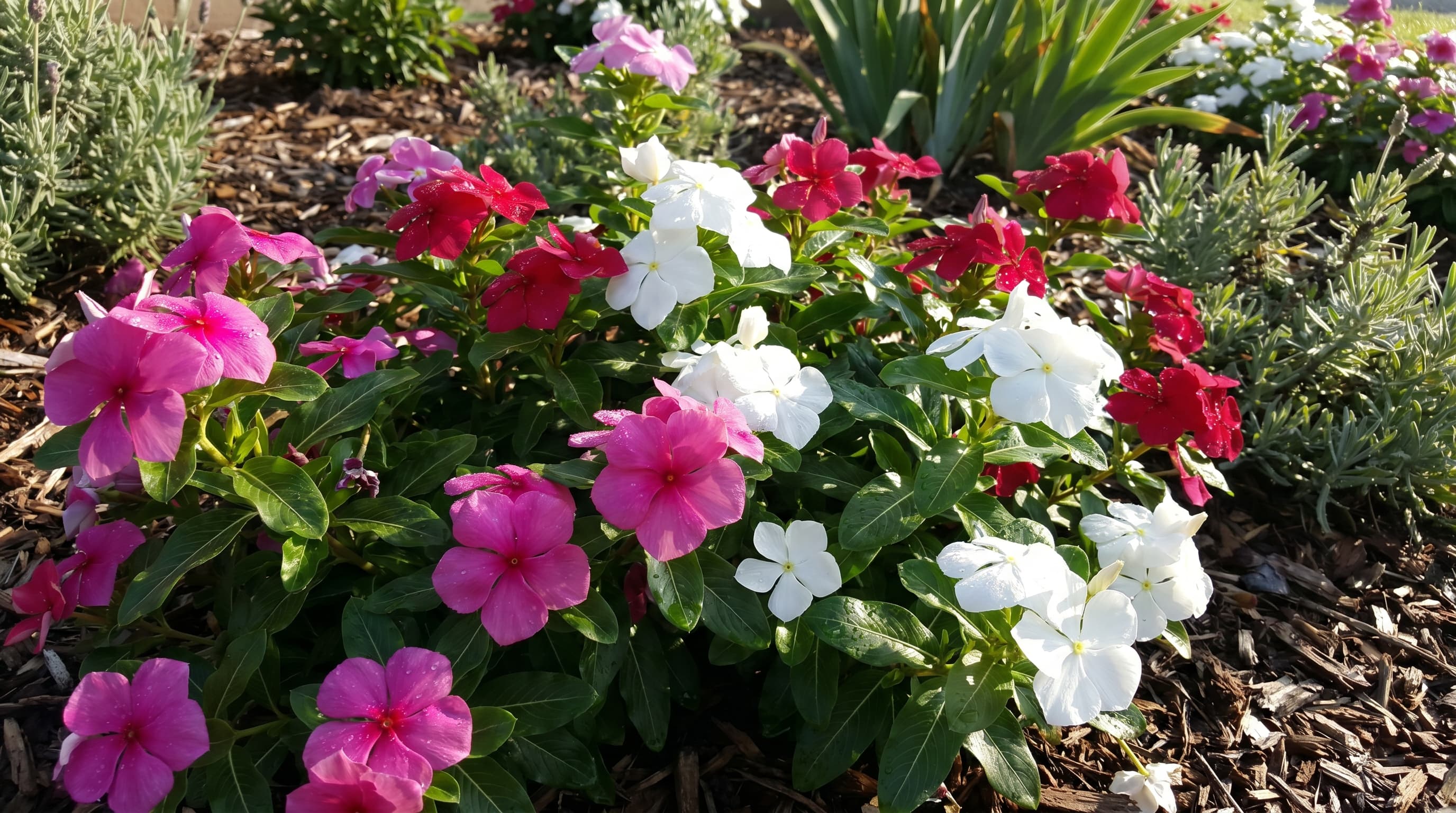
Sun: Full sun | Water: Low | Height: 6 to 18 inches | Bloom Time: Spring to frost
Vinca thrives in heat, humidity, and even mild drought. It is a top pick for gardens in the southern USA, where summers are long and intense.
Old flowers drop on their own, so no deadheading is needed. It resists most pests and diseases. Plant it, and it takes care of itself.
7. Lantana
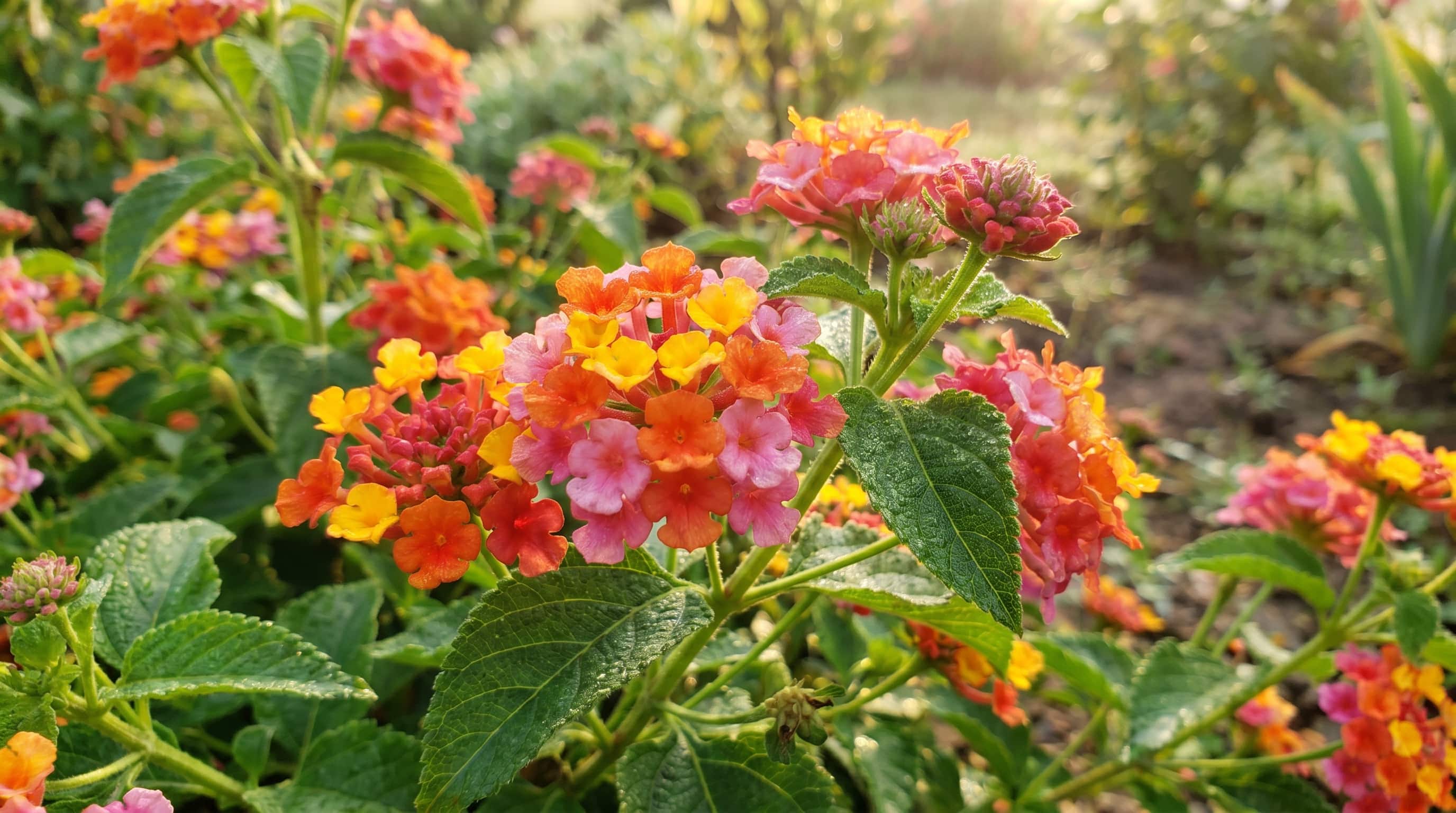
Sun: Full sun | Water: Low | Height: 12 to 48 inches | Bloom Time: Spring to frost
Lantana is one of the top butterfly plants; monarchs, swallowtails, and skippers all visit its clustered flower heads in orange, yellow, red, and pink.
It handles dry conditions well and actually blooms more freely with minimal watering. Overwatering cuts flower production fast.
8. Begonias
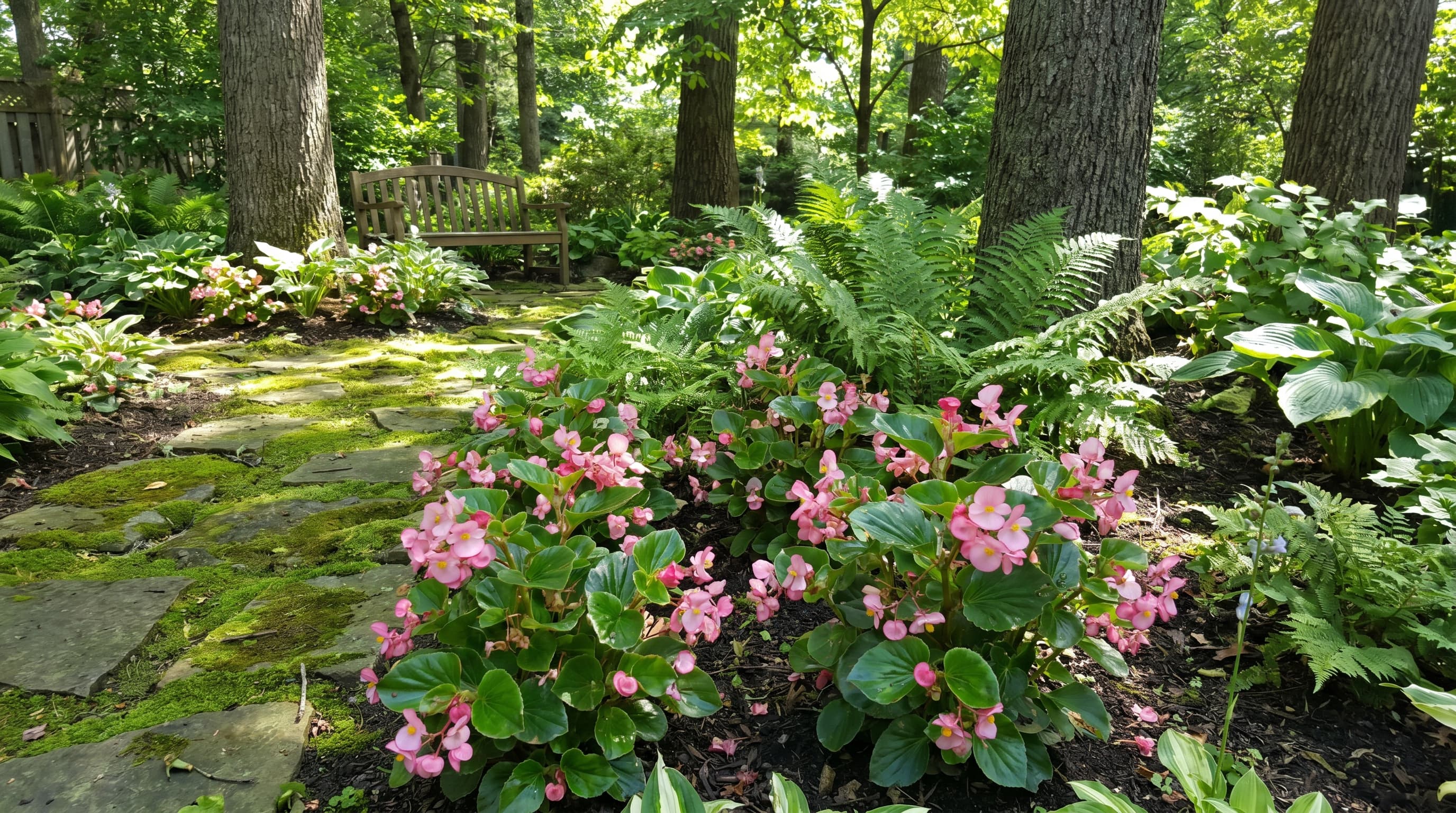
Sun: Partial to full shade | Water: Moderate | Height: 6 to 18 inches | Bloom Time: Spring to frost
Wax begonias are the most reliable shade annual for summer beds. Tuberous begonias produce larger blooms and work well in pots with dappled light.
Avoid wetting leaves when watering to prevent fungal problems. Spent flowers drop on their own, so maintenance is minimal.
9. Impatiens
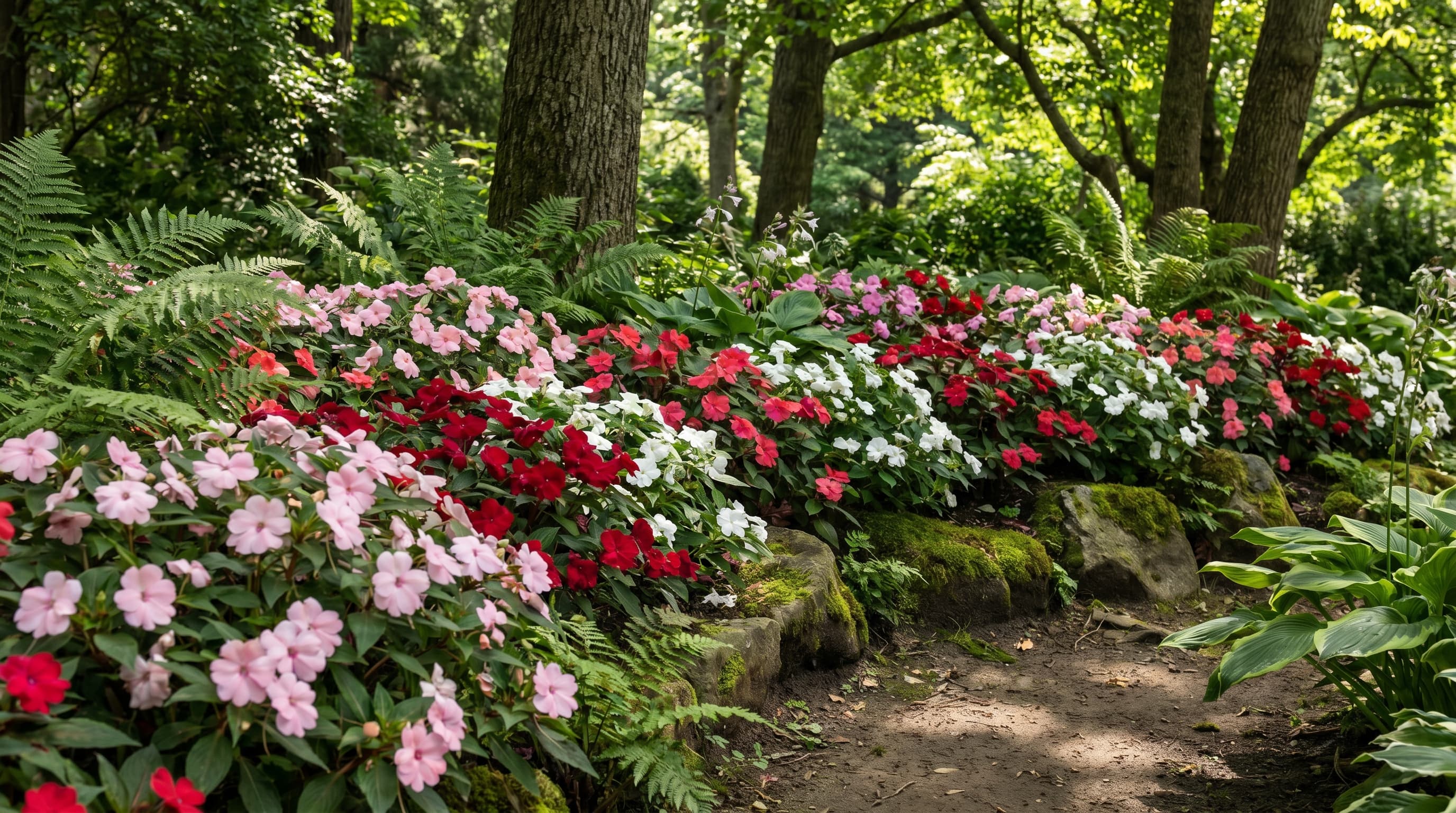
Sun: Partial to full shade | Water: Regular | Height: 6 to 24 inches | Bloom Time: Spring to frost
Few annuals match impatiens for consistent shade color. They produce dense flower clusters that bloom all season with little attention.
New Guinea impatiens handle a bit more sun. Mulching around plants helps retain moisture and keeps roots cooler during summer heat.
10. Salvia
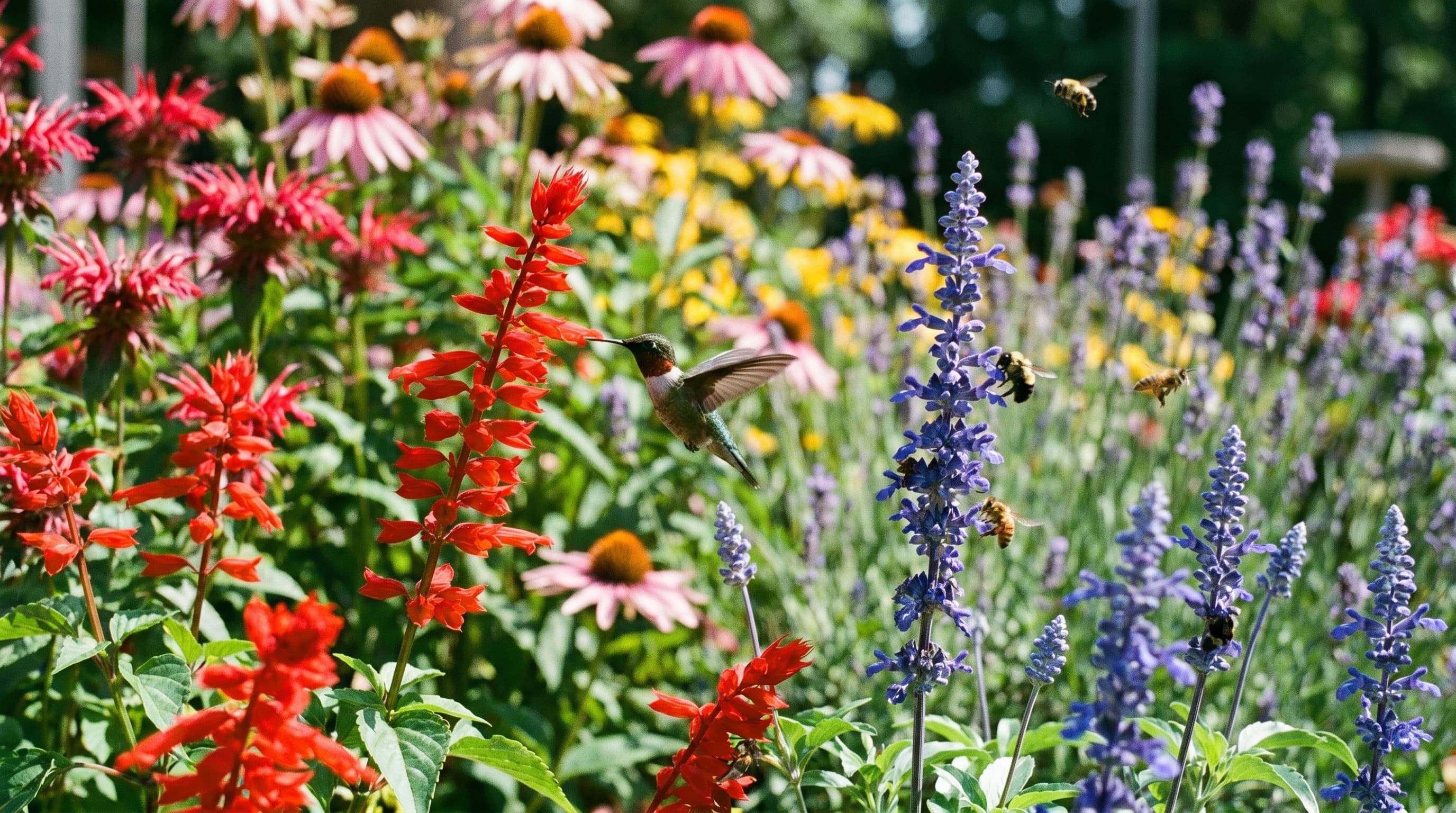
Sun: Full sun | Water: Low to moderate | Height: 12 to 36 inches | Bloom Time: Summer to frost
Red salvia is one of the top plants for attracting hummingbirds. Blue salvia varieties bring in bees and butterflies. Salvia blooms more freely as temperatures rise.
Light deadheading encourages fresh flower spikes. It performs well in borders, containers, and mixed beds.
11. Angelonia
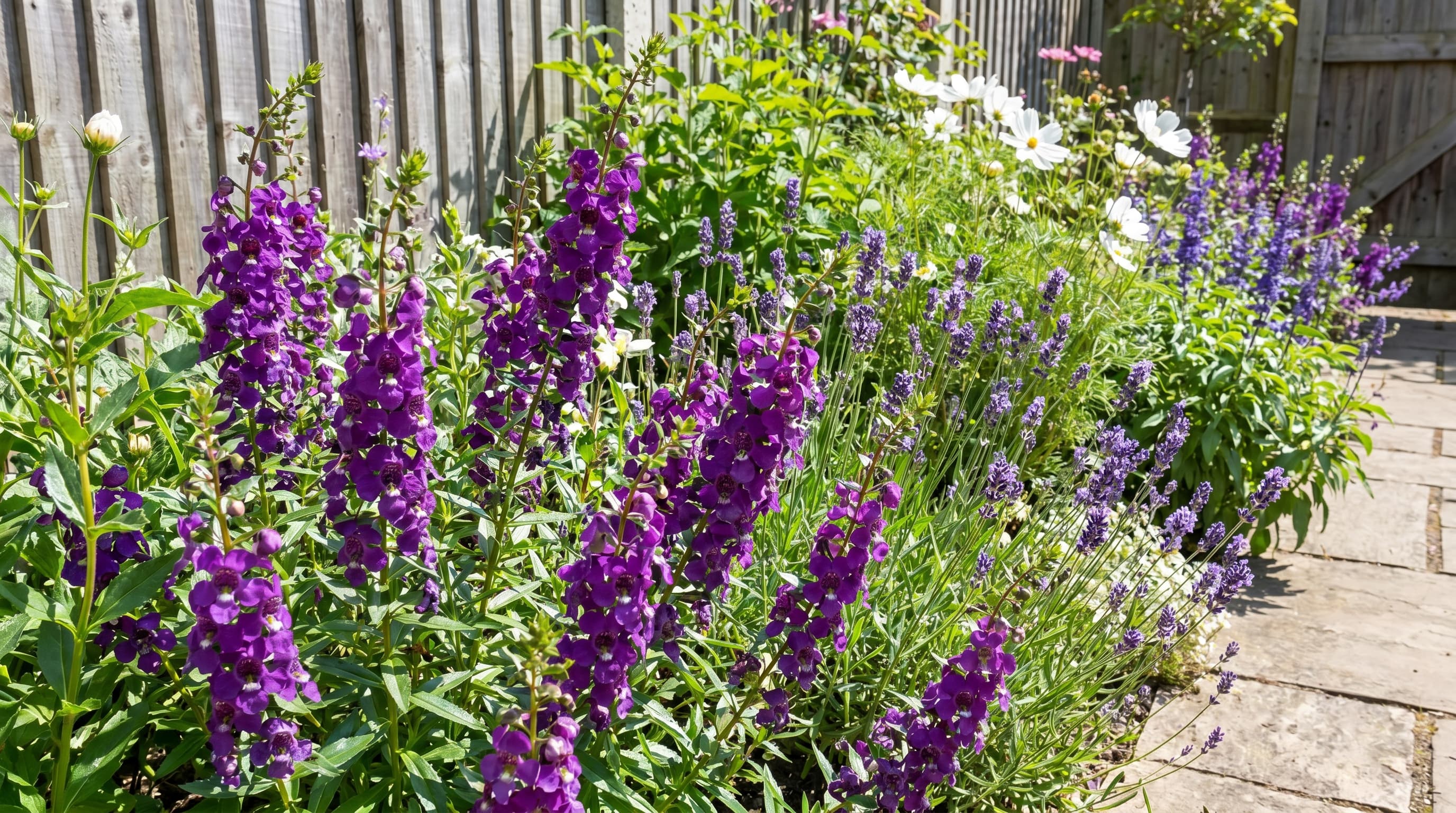
Sun: Full sun | Water: Low to moderate | Height: 12 to 24 inches | Bloom Time: Summer to frost
Angelonia grows upright and produces small, orchid-like blooms in purple, pink, and white. It was bred for hot, humid climates and does not slow down in southern US summers.
It has a light, sweet fragrance and needs very little deadheading or pest control.
12. Portulaca
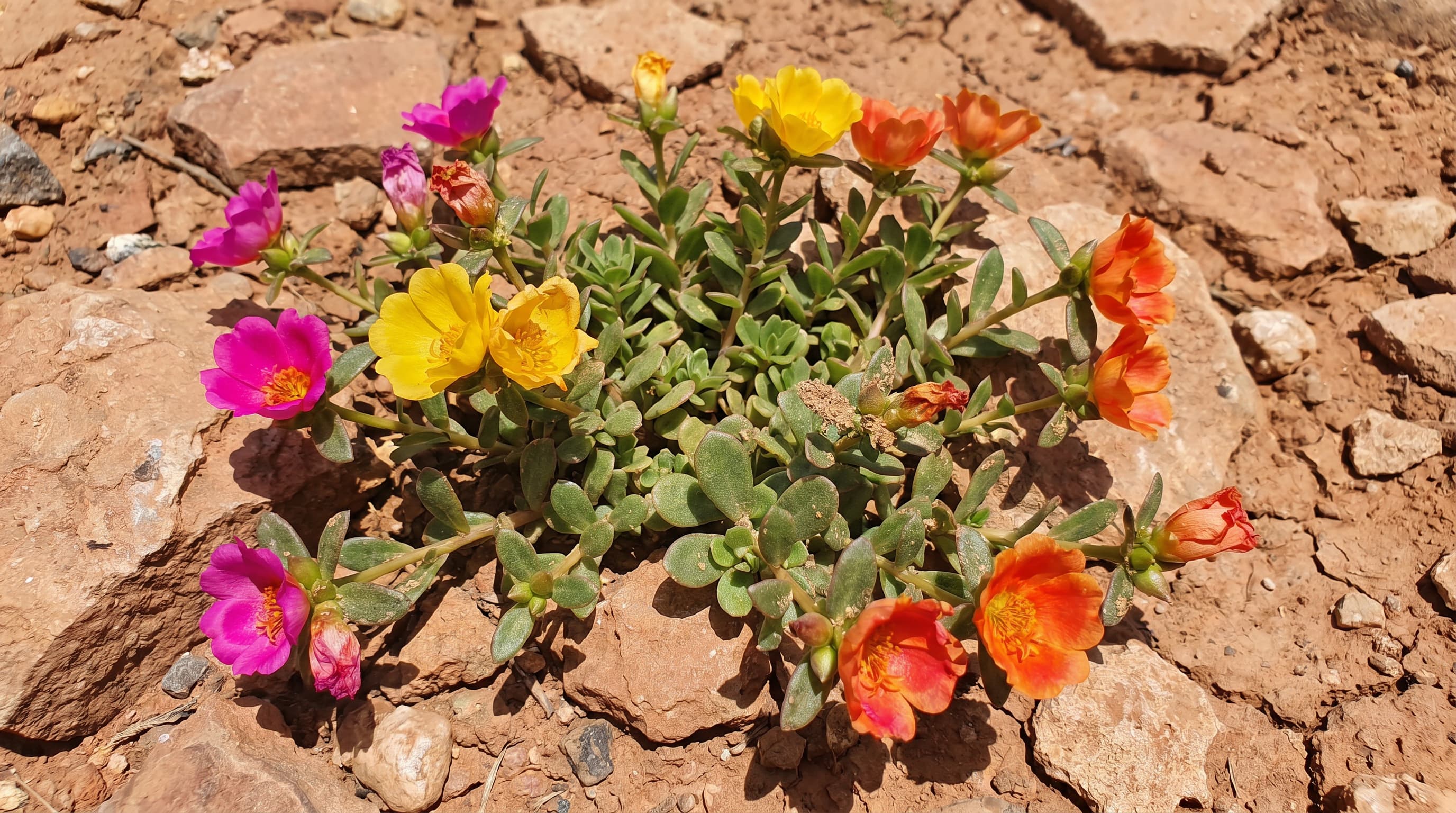
Sun: Full sun | Water: Very low | Height: 3 to 9 inches | Bloom Time: Summer to frost
Portulaca stores water in its thick, succulent-like leaves. It is one of the only summer annuals that prefers dry, hot conditions.
Overwatering kills it quickly. Plant it in your sunniest, driest spot. It also works well in rock beds, containers, and gaps between paving stones.
13. Sweet Alyssum
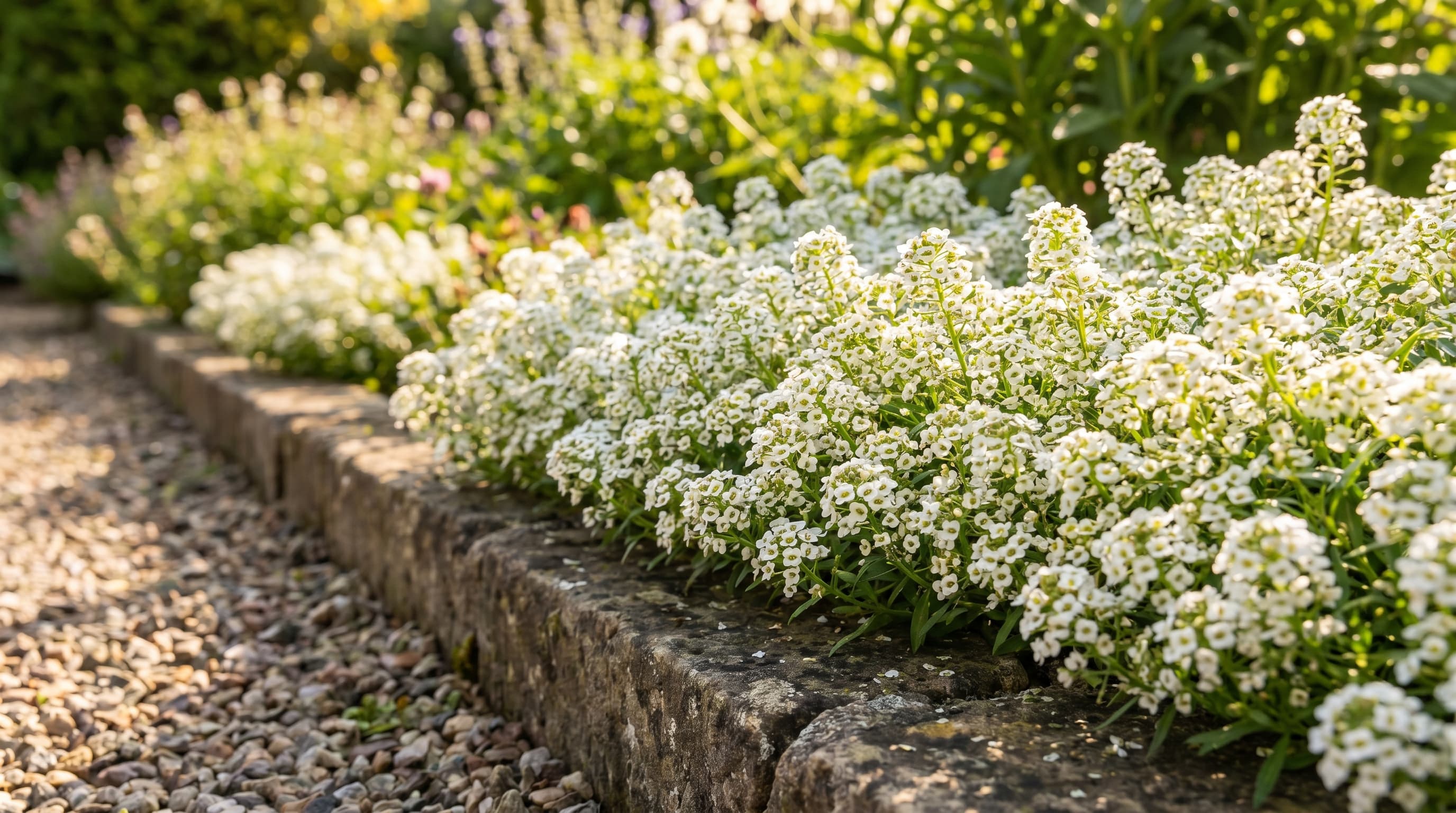
Sun: Full sun to partial shade | Water: Moderate | Height: 3 to 6 inches | Bloom Time: Spring to frost
Sweet alyssum stays low and spreads outward into a soft mat of tiny, honey-scented flowers. Use it to edge borders, fill gaps between taller plants, or trail over container edges.
Cut it back lightly in midsummer if it thins out, and it rebounds quickly with fresh blooms.
14. Celosia
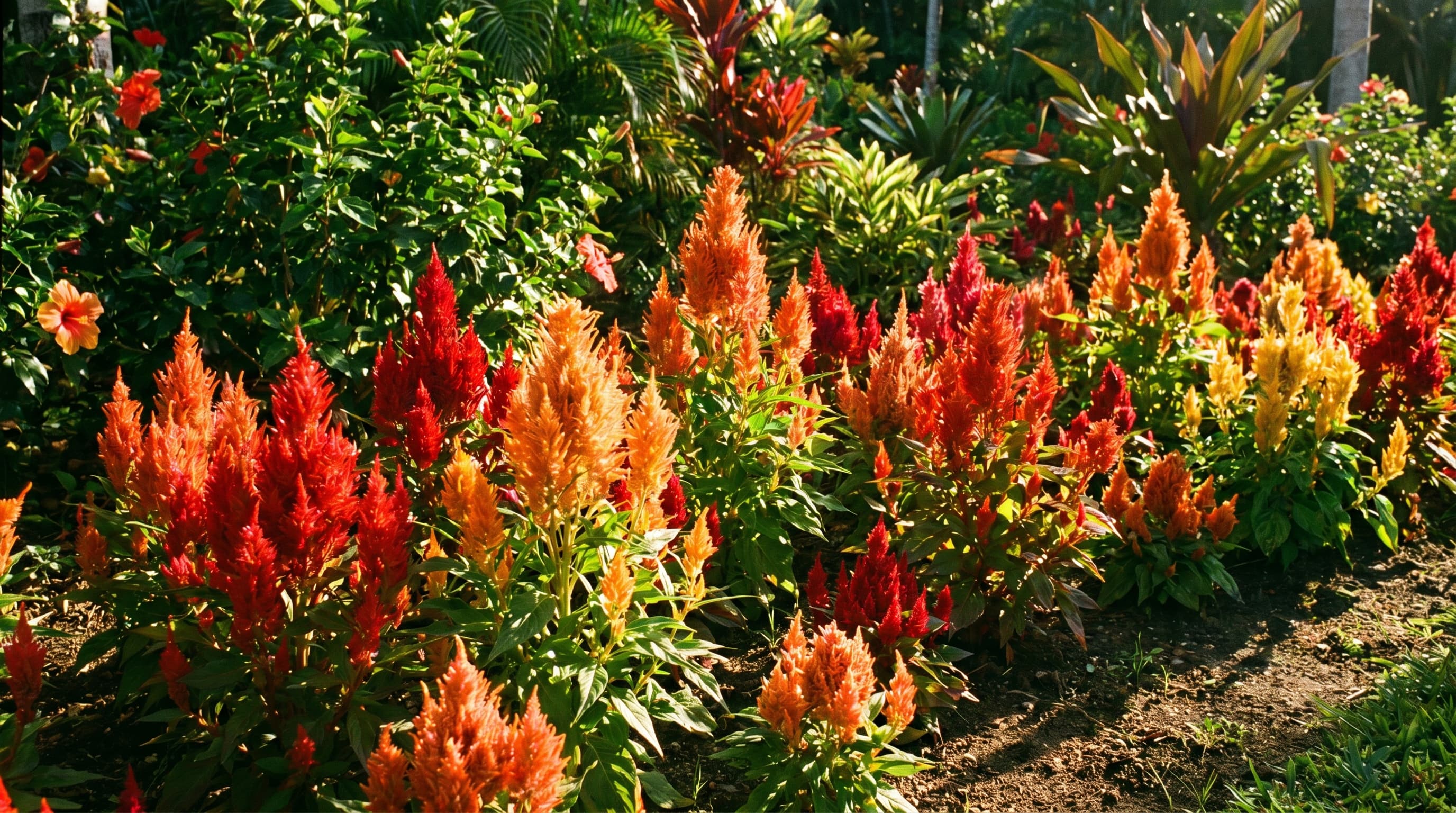
Sun: Full sun | Water: Moderate | Height: 6 to 36 inches | Bloom Time: Summer to frost
Celosia comes in plumed, crested, and spiked forms. Its colors hold up in intense sun better than most annuals. It actually grows better as temperatures rise and slows down in cool, wet weather.
Well-drained soil and minimal attention are all it needs to perform well.
15. Gomphrena
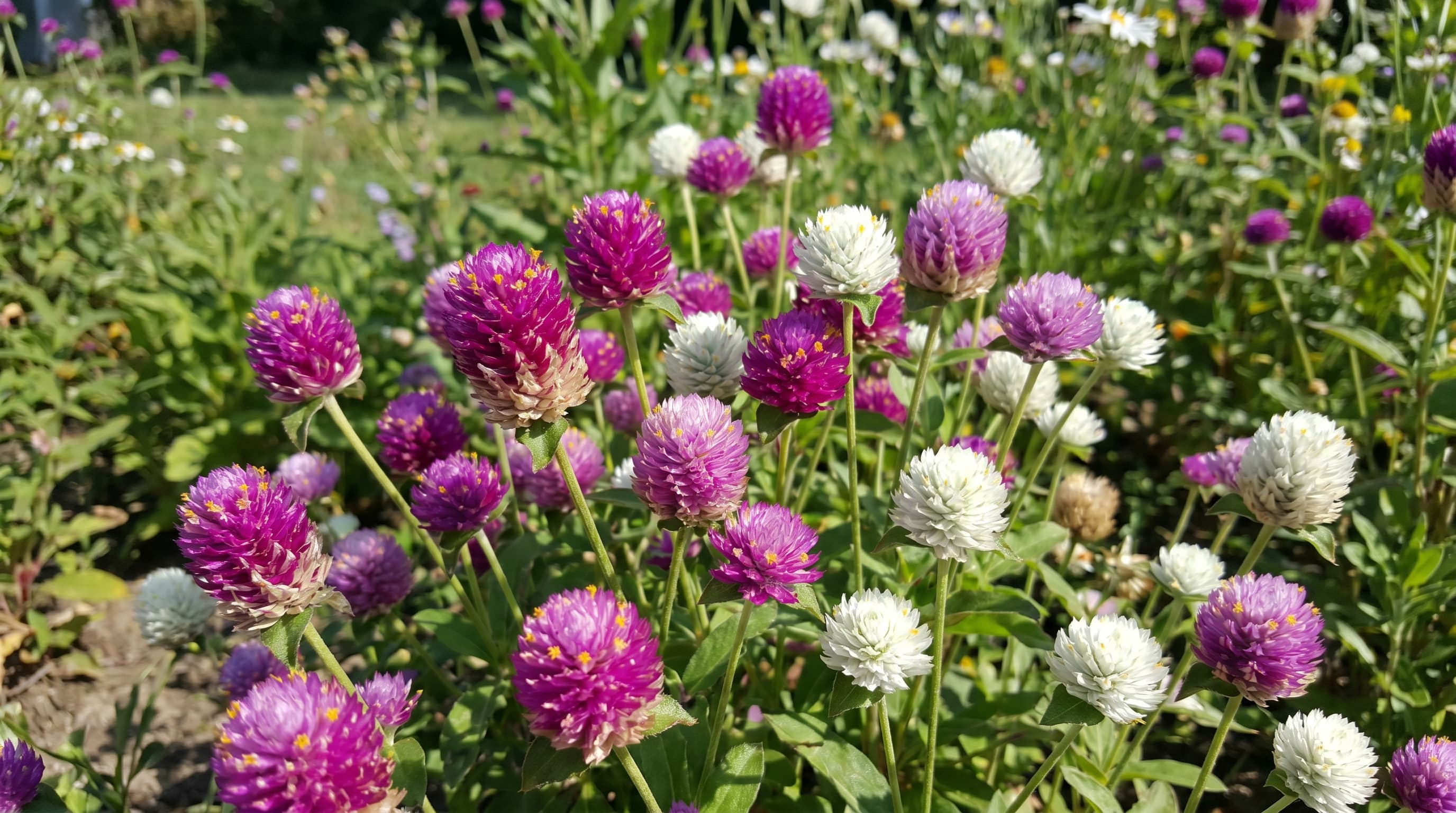
Sun: Full sun | Water: Low | Height: 12 to 24 inches | Bloom Time: Summer to frost
The round, clover-like flowers of gomphrena hold their color for weeks, even after cutting. They are excellent for dried arrangements.
Colors include magenta, pink, white, orange, and purple. Plants keep producing new blooms up to the first frost and attract butterflies through the whole season.
16. Nasturtiums
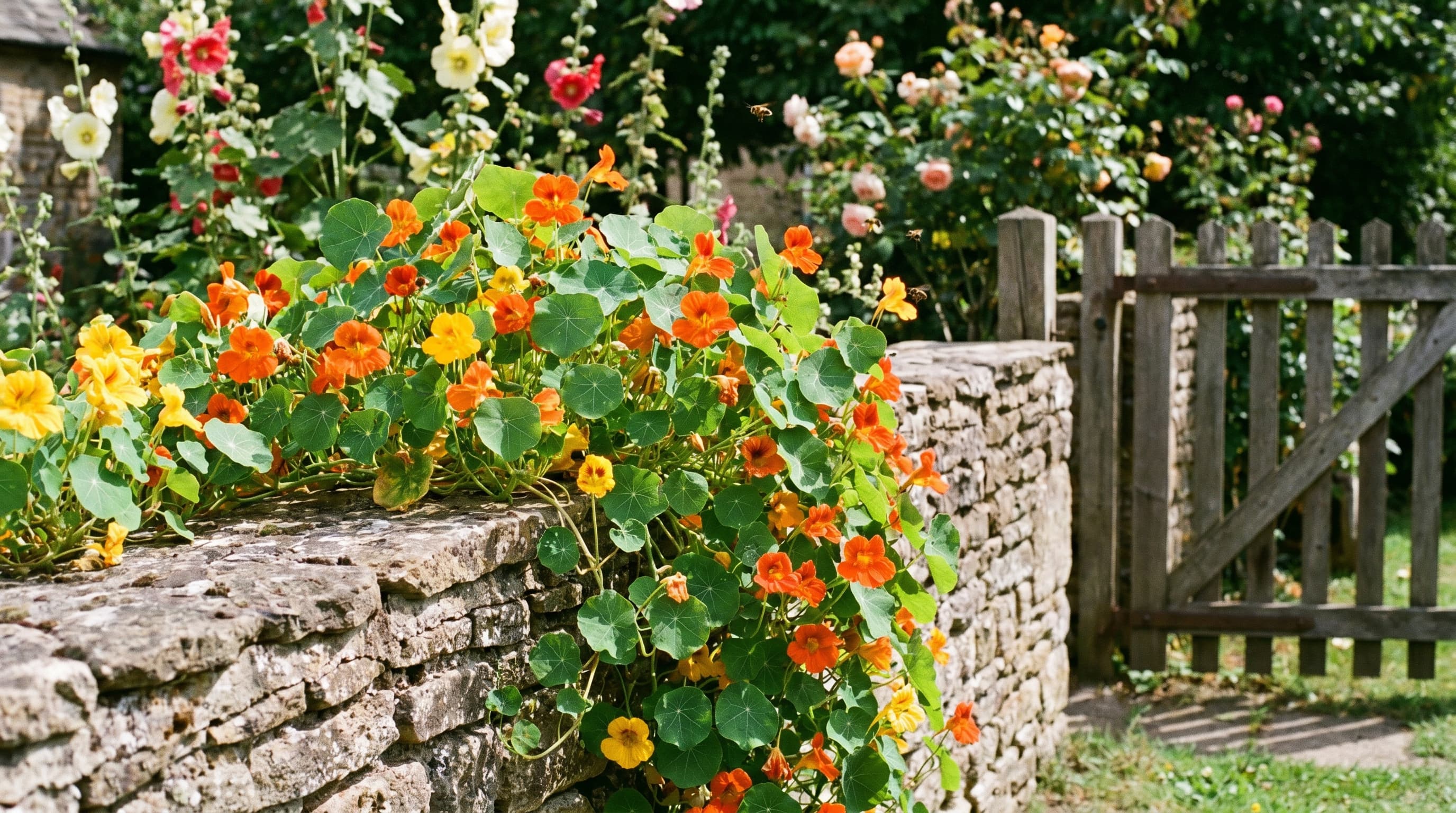
Sun: Full sun to partial shade | Water: Low | Height: 6 to 12 inches compact, up to 10 feet trailing | Bloom Time: Late spring to frost
Both the flowers and leaves of nasturtiums are edible, with a peppery flavor that works well in salads. Compact types suit borders and containers.
Trailing types climb fences or spill over walls. Skip the fertilizer, since rich soil promotes leaf growth at the expense of flowers.
17. Scaevola
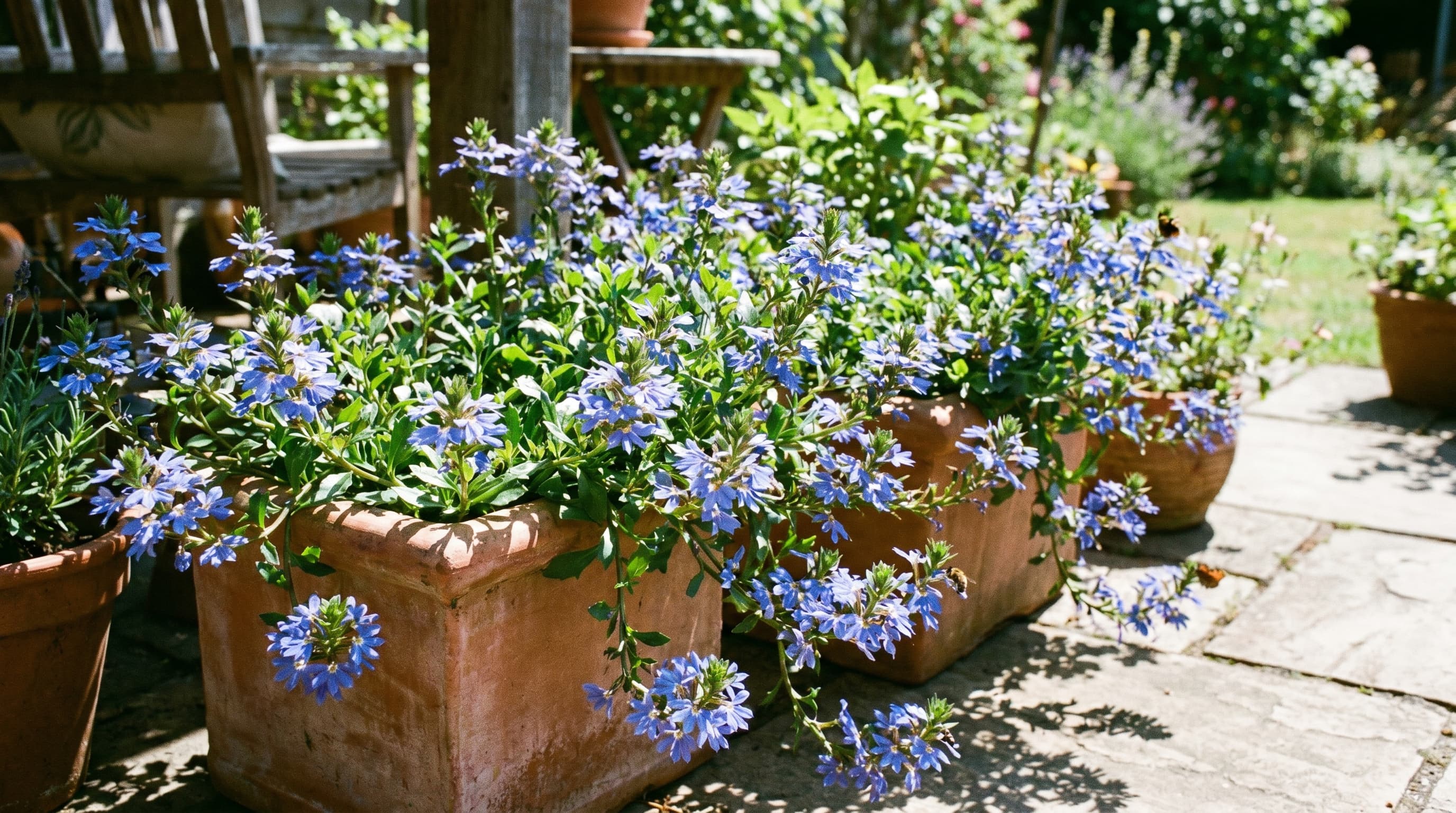
Sun: Full sun | Water: Moderate | Height: 6 to 12 inches | Bloom Time: Spring to frost
Scaevola blooms nonstop from late spring through frost without any deadheading. Its fan-shaped flowers in blue, purple, and white trail attractively over the pot edges.
It handles heat, humidity, and wind well, making it a strong choice for exposed patios and rooftop containers.
18. Pentas
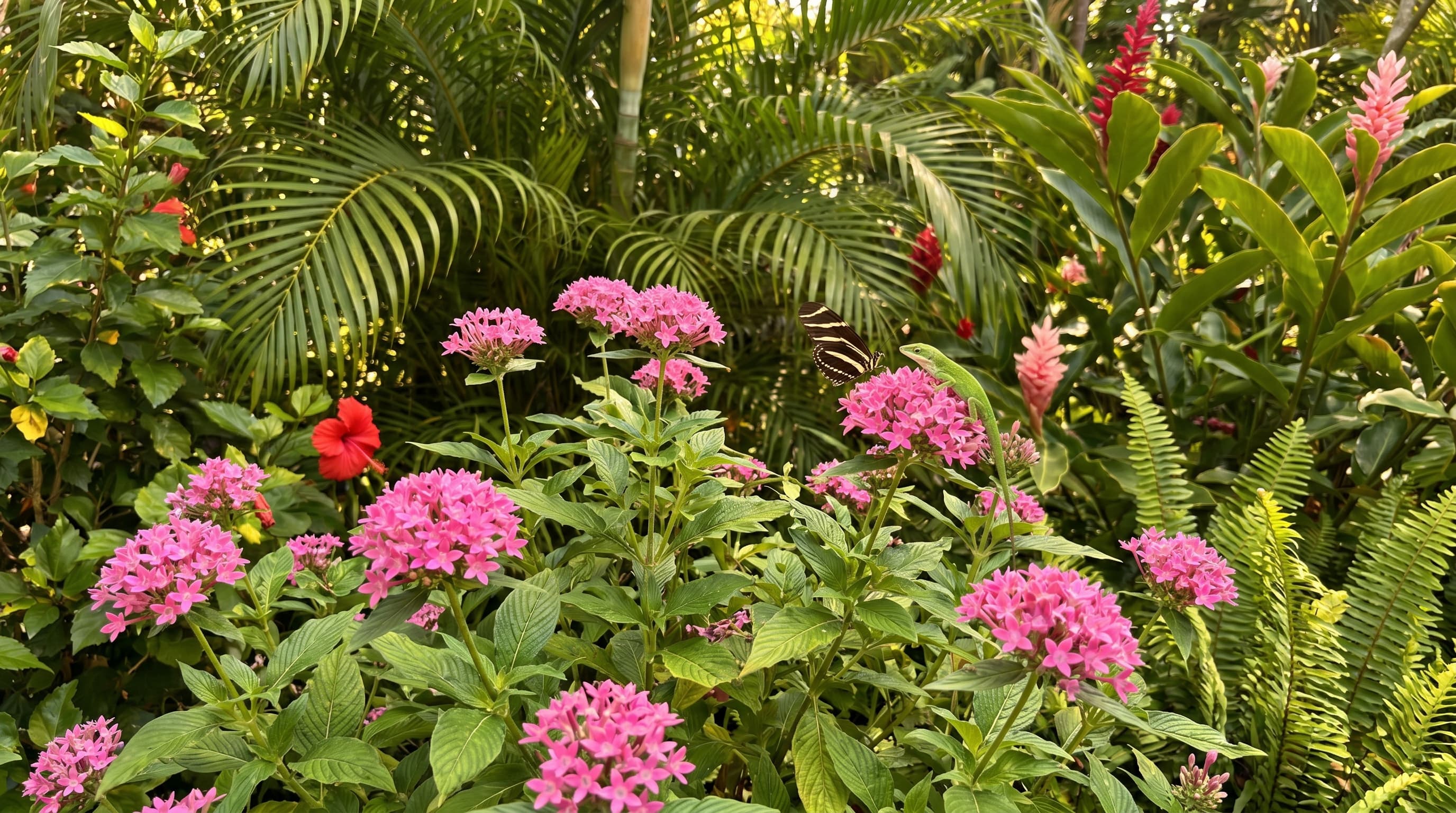
Sun: Full sun | Water: Moderate | Height: 12 to 24 inches | Bloom Time: Spring to frost
Pentas produces star-shaped flower clusters that attract butterflies, bees, and hummingbirds. It is one of the best pollinator plants in the southern USA, especially in Florida and Texas.
Feed monthly during the growing season to keep blooms steady through summer.
19. Geraniums
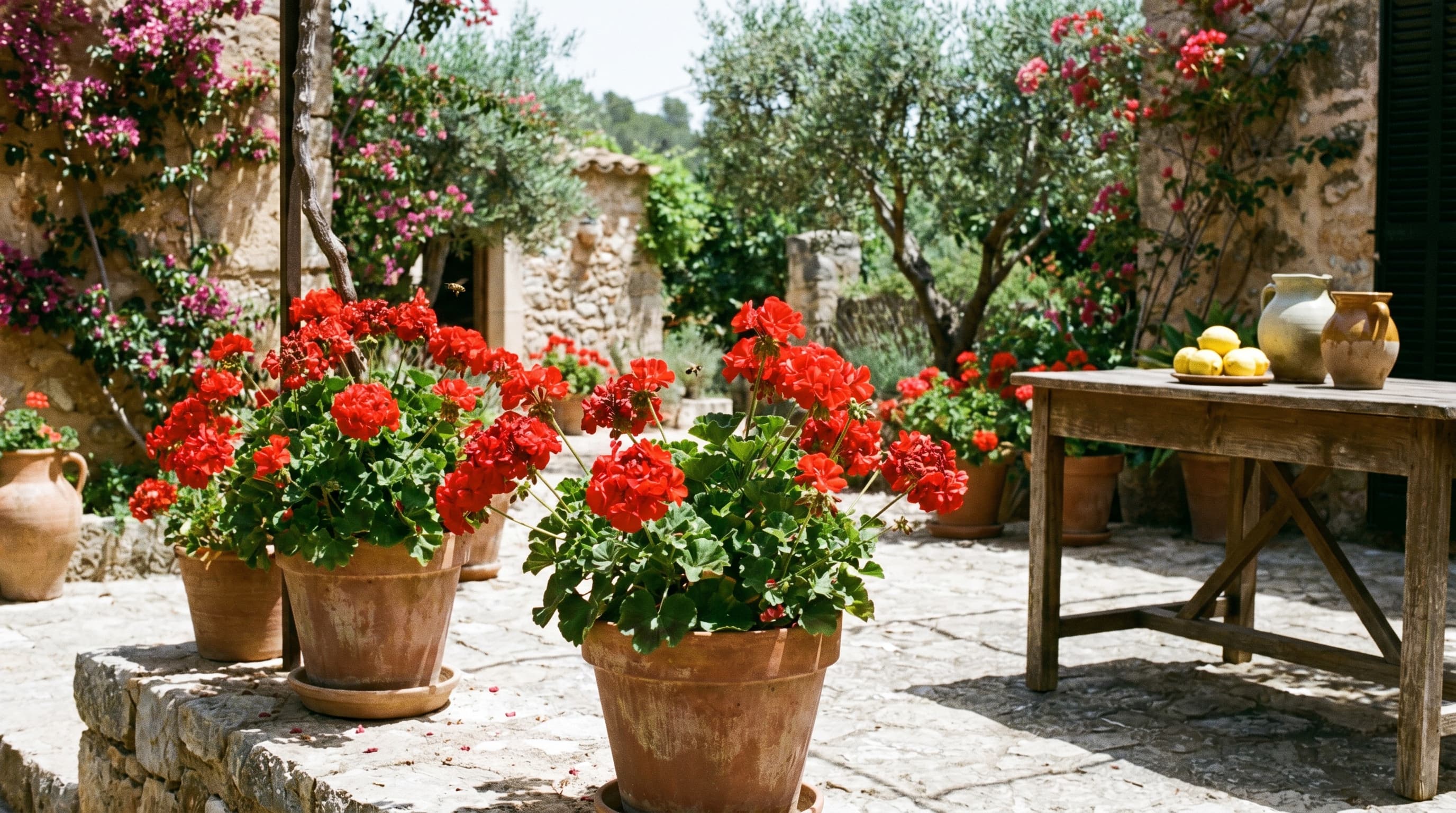
Sun: Full sun to partial shade | Water: Moderate | Height: 10 to 24 inches | Bloom Time: Spring to frost
Zonal geraniums produce large, rounded flower clusters in red, pink, salmon, and white. They bloom steadily from spring through fall. Pinch back stems in midsummer to prevent leggy growth.
Remove yellow leaves promptly and deadhead spent clusters to keep plants productive all season.
What Helps Annual Flowers Bloom All Summer?
Getting the basics right makes a bigger difference than which variety you pick.
1. Sunlight and Heat Requirements
Most summer annuals need at least 6 hours of direct sun per day. Zinnias, marigolds, and portulaca thrive in full sun and warm soil.
Begonias and impatiens prefer partial shade, especially in hot afternoon hours. Always match the flower to your actual light conditions.
2. Watering and Feeding Basics
Water deeply and less often to push roots deeper. Most annuals do well with about 1 inch of water per week.
Feed every two to four weeks with a balanced liquid fertilizer. Too much nitrogen pushes leafy growth and cuts flower production.
3. Deadheading for Continuous Blooms
Removing spent flowers tells the plant to keep making new ones. Pinch or cut off faded blooms just above the next set of leaves.
Some modern varieties are self-cleaning, but for most annuals, regular deadheading extends your bloom season by weeks.
Best Annual Flowers by Garden Need
| Garden Need | Best Picks |
|---|---|
| Full Sun | Zinnias, marigolds, vinca, lantana, portulaca |
| Shade | Begonias, impatiens, sweet alyssum |
| Containers | Petunias, calibrachoa, scaevola, geraniums |
| Low Maintenance | Vinca, marigolds, lantana, cosmos |
| Pollinators | Cosmos, lantana, pentas, salvia, zinnias |
Conclusion
Choosing the right annual flowers that bloom all summer keeps your garden looking good from June through fall without constant replanting or heavy maintenance.
Mix sun-lovers like zinnias and marigolds with shade options like impatiens and begonias. Add pollinator-friendly picks like pentas or cosmos where space allows.
Use trailers in containers and upright varieties in borders.
The flowers in this list carry your garden all the way to the first frost.
Start with two or three that match your light and space. Which summer annual do you keep coming back to every year? Share your pick in the comments below!