How to Get Rid of Moths: Step-by-Step Home Guide

Quick Answer: To get rid of moths, remove infested food or fabric, vacuum and wipe affected areas, then use pheromone traps to monitor activity. Check regularly, as hidden eggs may hatch later.
Spotting a single moth near your closet is easy to dismiss. By the time you see one, eggs and larvae are usually already working out of sight. Getting rid of moths for good means dealing with the source, not just the adults flying around.
This article walks you through identifying which type you have, removing the infestation, and stopping it from coming back.
What Does a Moth Look Like?
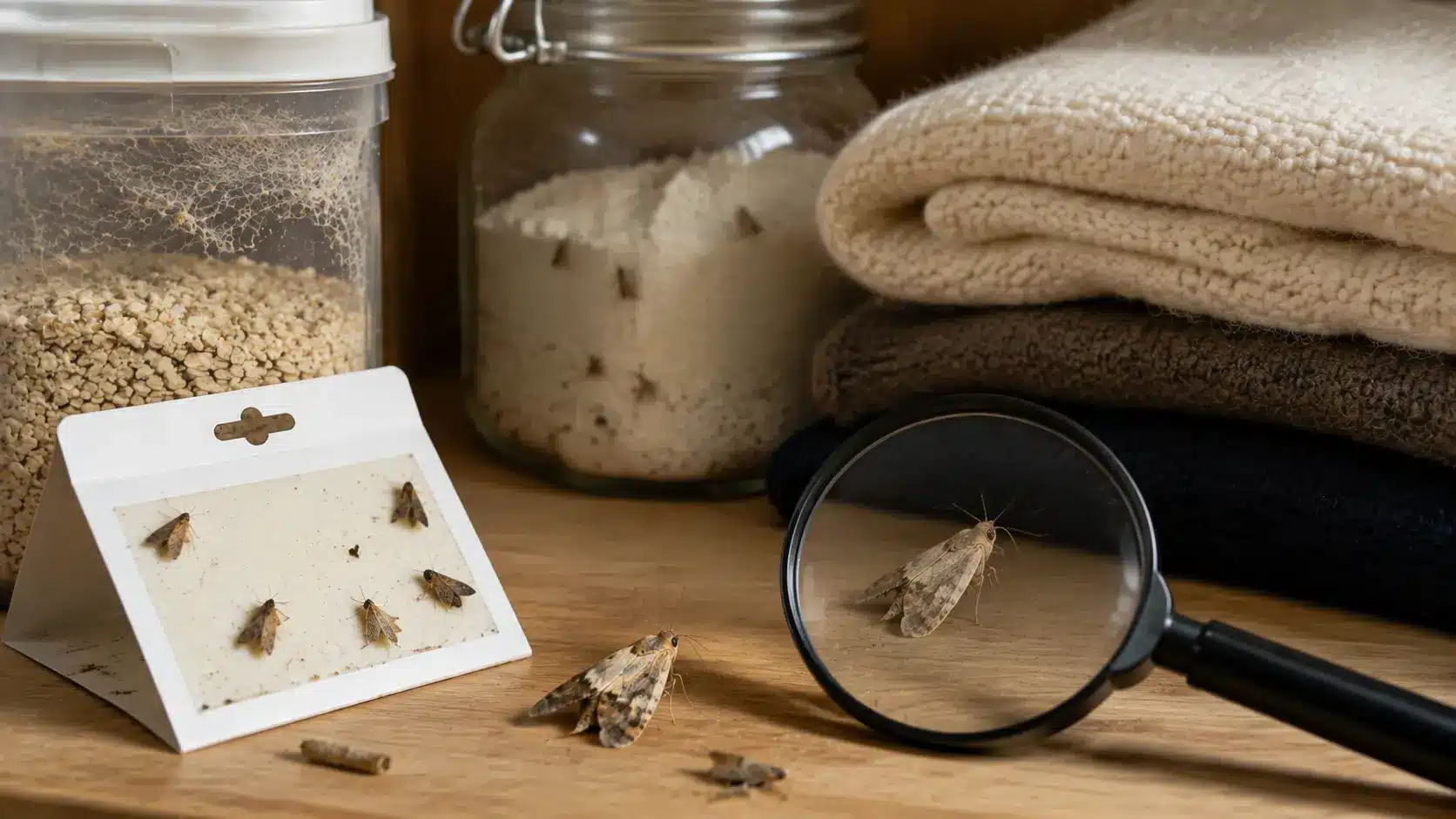
Household moths are small, usually under an inch across. Their wings fold flat against their body when resting, unlike a butterfly’s wings, which open wide.
Color is the fastest way to tell them apart:
- Pantry moths are tan or gray with a coppery band near the wing tips.
- Clothes moths are smaller, pale gold, and have no strong markings.
Larvae look nothing like adults. They show up as small, pale, worm-like caterpillars. You will usually find them near the food or fabric they are feeding on, not out in the open.
What Type of Moth Is in Your Home?
Pantry moths and clothes moths need different removal steps. Using the wrong treatment wastes time and lets the infestation grow.
Pantry Moths
Pantry moths appear around cupboards and stored dry goods. Larvae feed on flour, cereal, rice, pasta, nuts, spices, and pet food. You will often find webbing inside packaging as the first sign of a problem.
To clear pantry moths:
- Empty every shelf.
- Throw out infested items outdoors.
- Vacuum shelf corners and cabinet holes.
- Wash shelves with warm soapy water.
- Store safe food in airtight containers.
- Add a pheromone trap to monitor activity.
Clothes Moths
Clothes moths avoid light. They stay hidden in closets, storage boxes, and dark corners. You will rarely see them flying in a room. Larvae feed on wool, silk, cashmere, fur, feathers, and leather.
To clear clothes moths:
- Empty the closet completely.
- Wash or dry-clean all vulnerable fabrics.
- Vacuum floors, shelves, cracks, and carpet edges.
- Store clean clothing in sealed containers or bags.
- Use a clothes moth trap to confirm the treatment worked.
Outdoor Moths That Wander Indoors
An occasional moth near a window or porch light does not always mean an infestation. Many species simply fly in from outside. Repeated sightings or fabric damage are a better signal to look more carefully indoors.
How to Get Rid of Moths in the House
Once you know which type of moth you are dealing with, this plan works for most infestations. It applies whether the problem started in the pantry or the closet.
Step 1: Find the Source of the Infestation
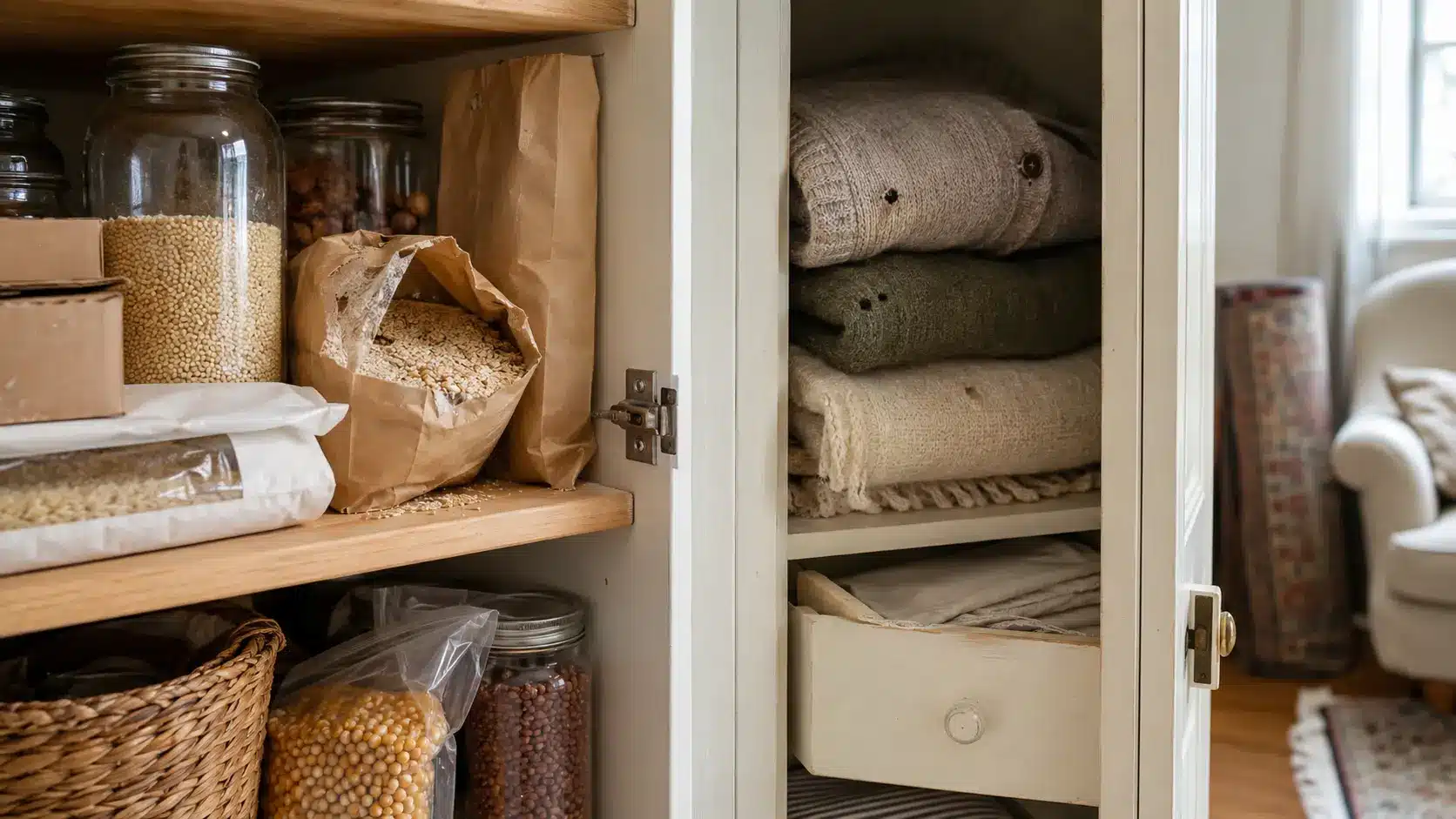
Check food packages, closets, drawers, carpets, and stored blankets. Focus on quiet areas that rarely get touched. Moths breed wherever they are left undisturbed the longest. Work through one area at a time so you do not miss a nearby pocket of activity.
Step 2: Remove Infested Food or Fabric
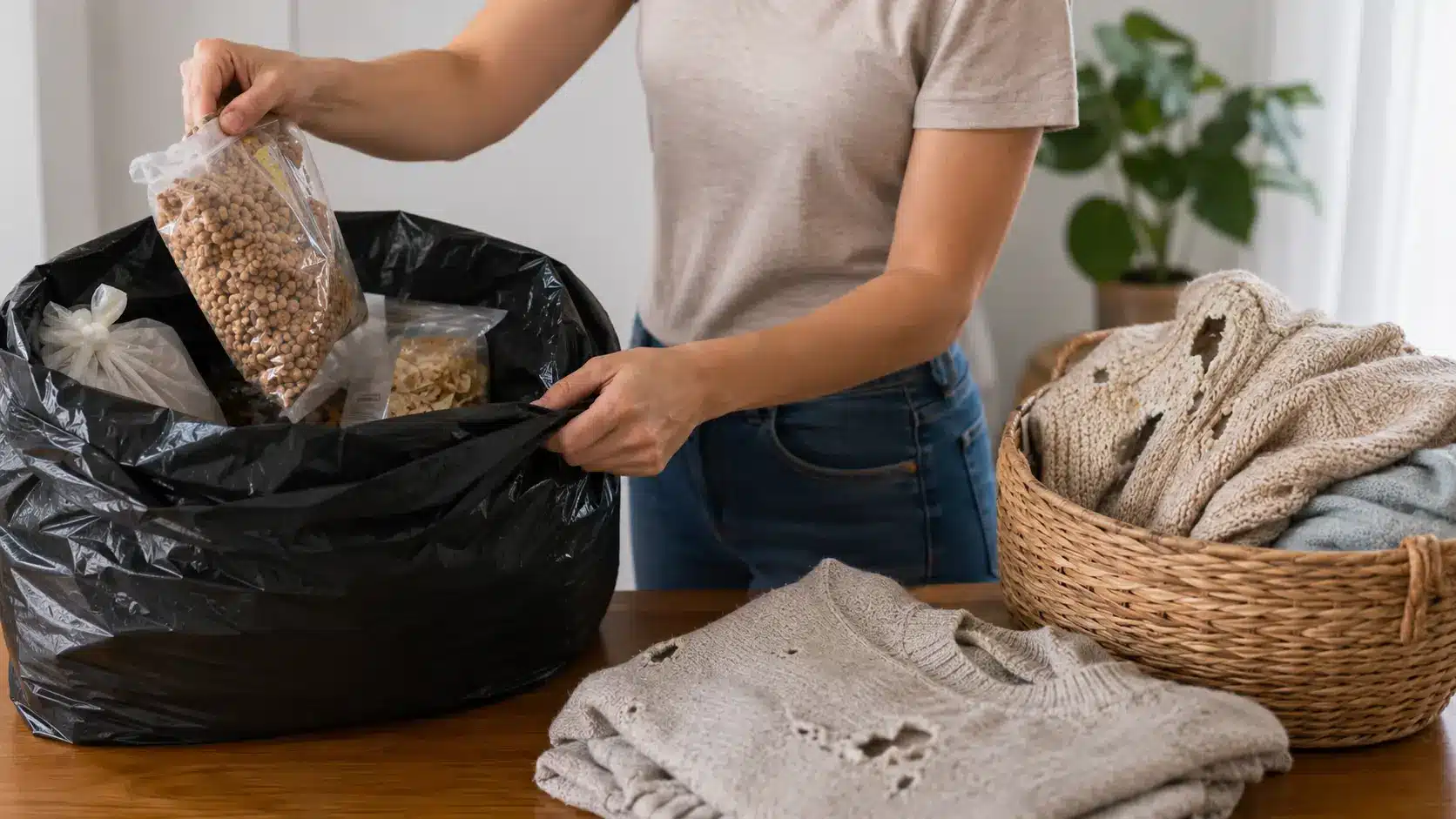
Throw out any food that shows webbing, larvae, or a musty smell. Wash, dry-clean, or freeze fabric items that show holes, silk casings, or larvae before storing them again. When in doubt about an item, treat it rather than risk reinfecting a clean space.
Step 3: Vacuum Every Crack and Corner
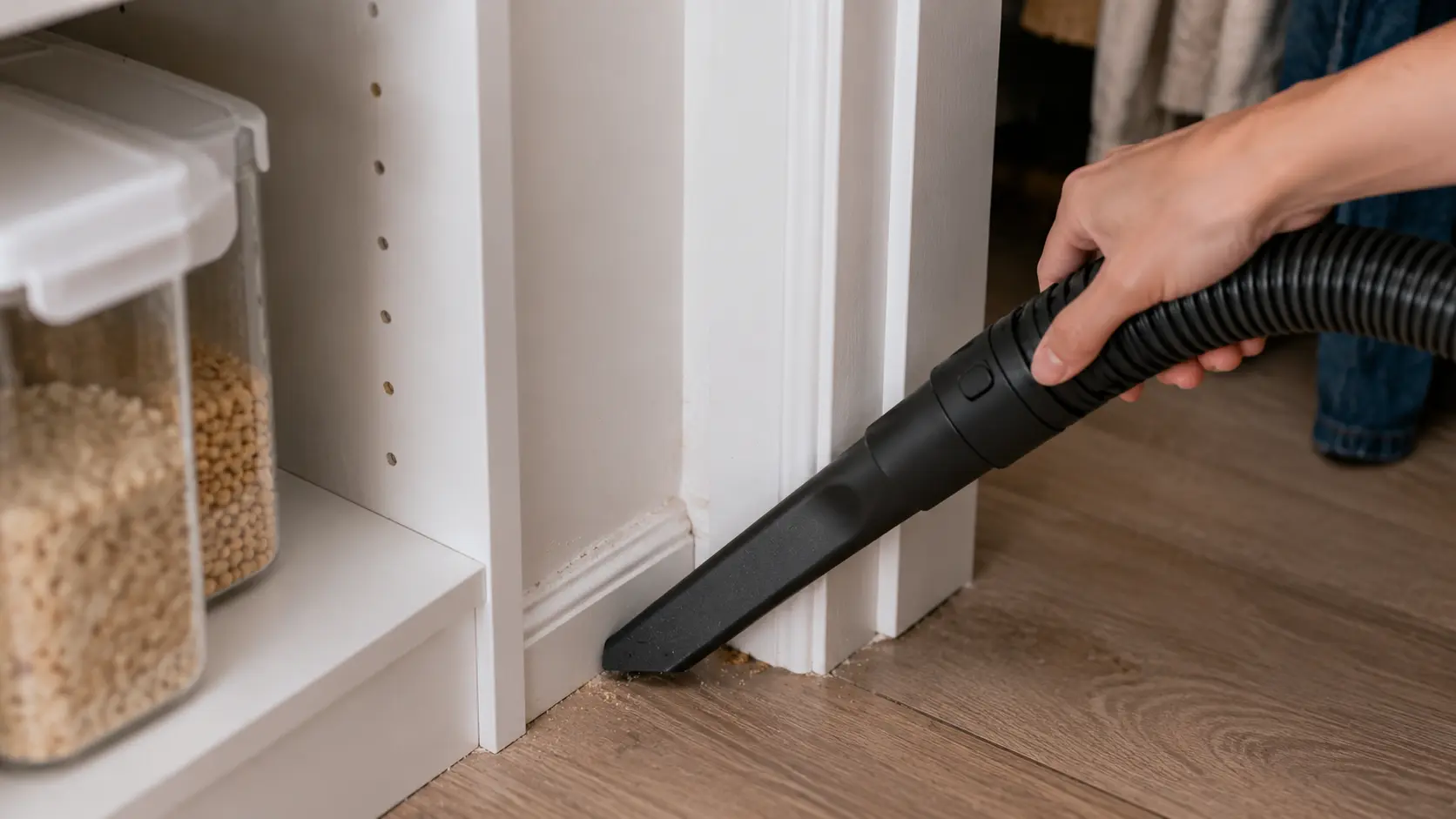
Vacuum shelves, baseboards, closet edges, carpet borders, drawer joints, and gaps around cabinets. Eggs and larvae hide in places you cannot easily wipe down.
Empty the vacuum bag outdoors immediately so nothing crawls back out. Use a crevice attachment to reach tight seams a standard nozzle would miss.
Step 4: Wash and Wipe the Area
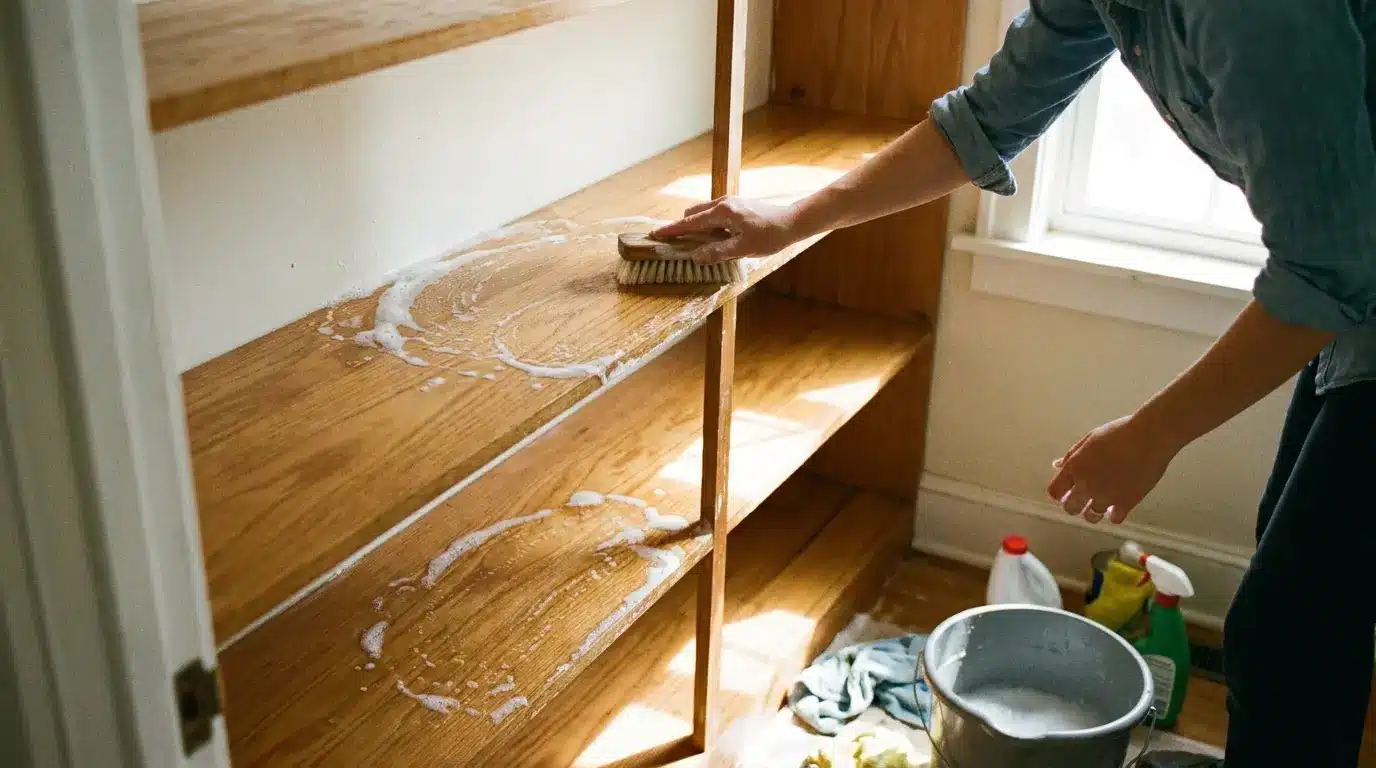
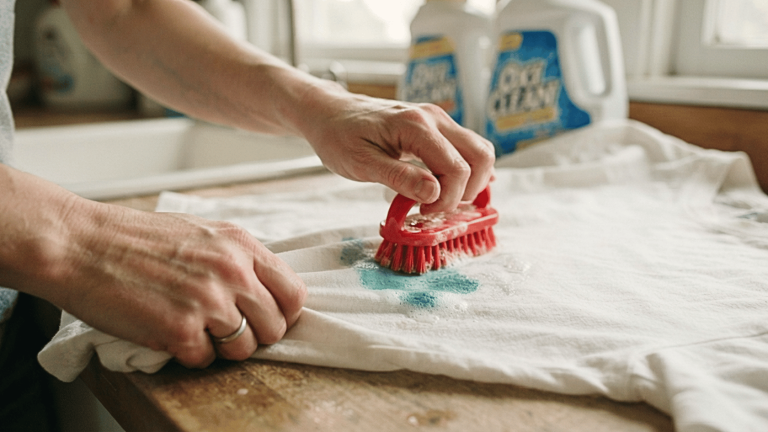
Clean hard surfaces with warm soapy water. Pay close attention to corners and shelf-pin holes where eggs commonly collect. Let surfaces air dry fully before putting anything back. A stiff-bristled brush helps work soap into seams that a cloth alone might skip.
Step 5: Treat Items That May Contain Eggs or Larvae
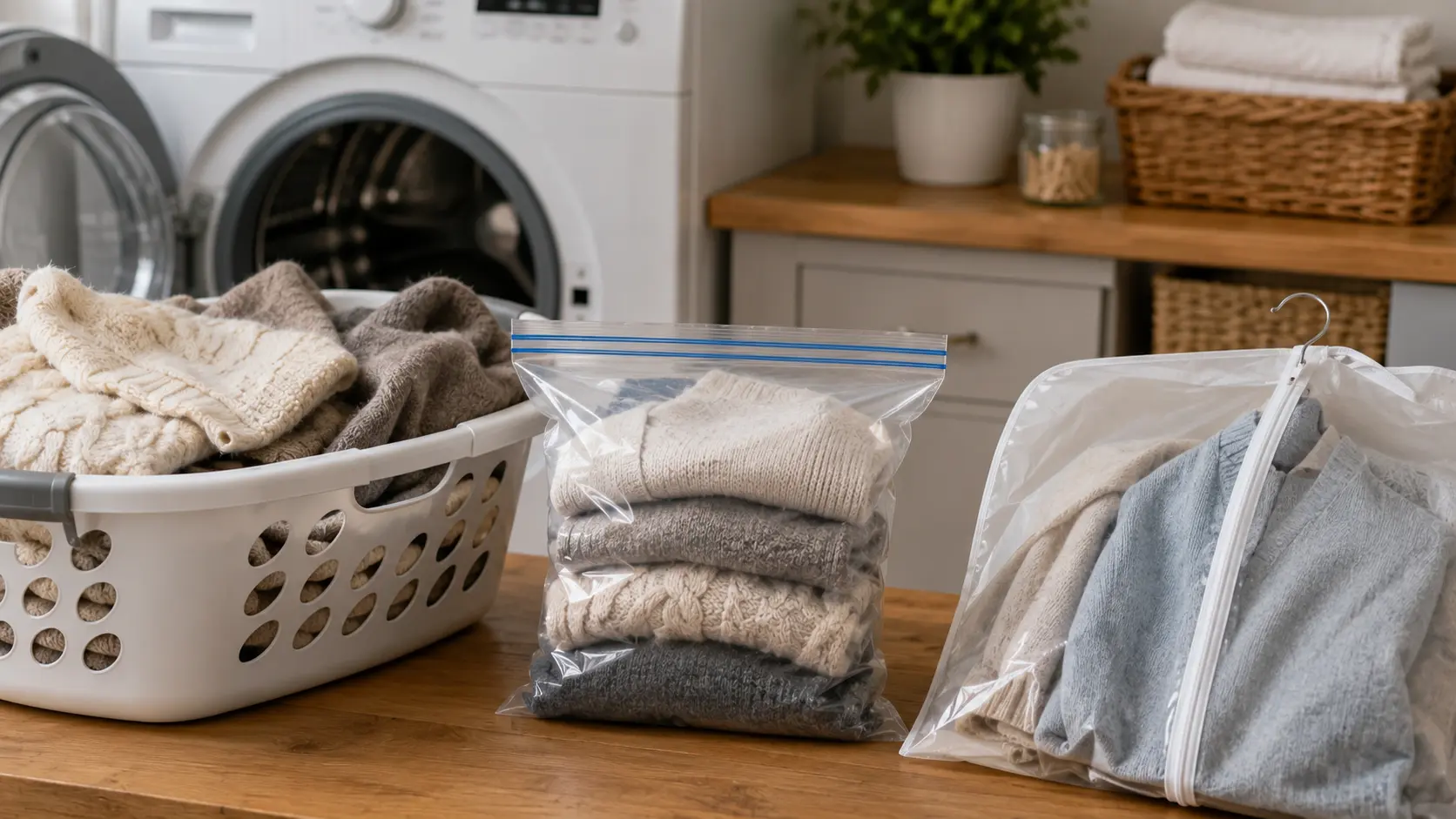
For items you want to keep, use one of these treatment methods:
- Hot washing: Effective for most machine-washable fabrics.
- Dry cleaning: Best for wool, cashmere, silk, and fine fabrics.
- Freezing: Seal the item in a bag and leave it in the freezer for several days. This kills eggs and larvae throughout without heat damage.
- Professional treatment: For high-value rugs, furniture, or items that cannot be washed or frozen safely.
Keep treated items separate from untreated ones until every batch is clear.
Step 6: Use the Correct Moth Traps
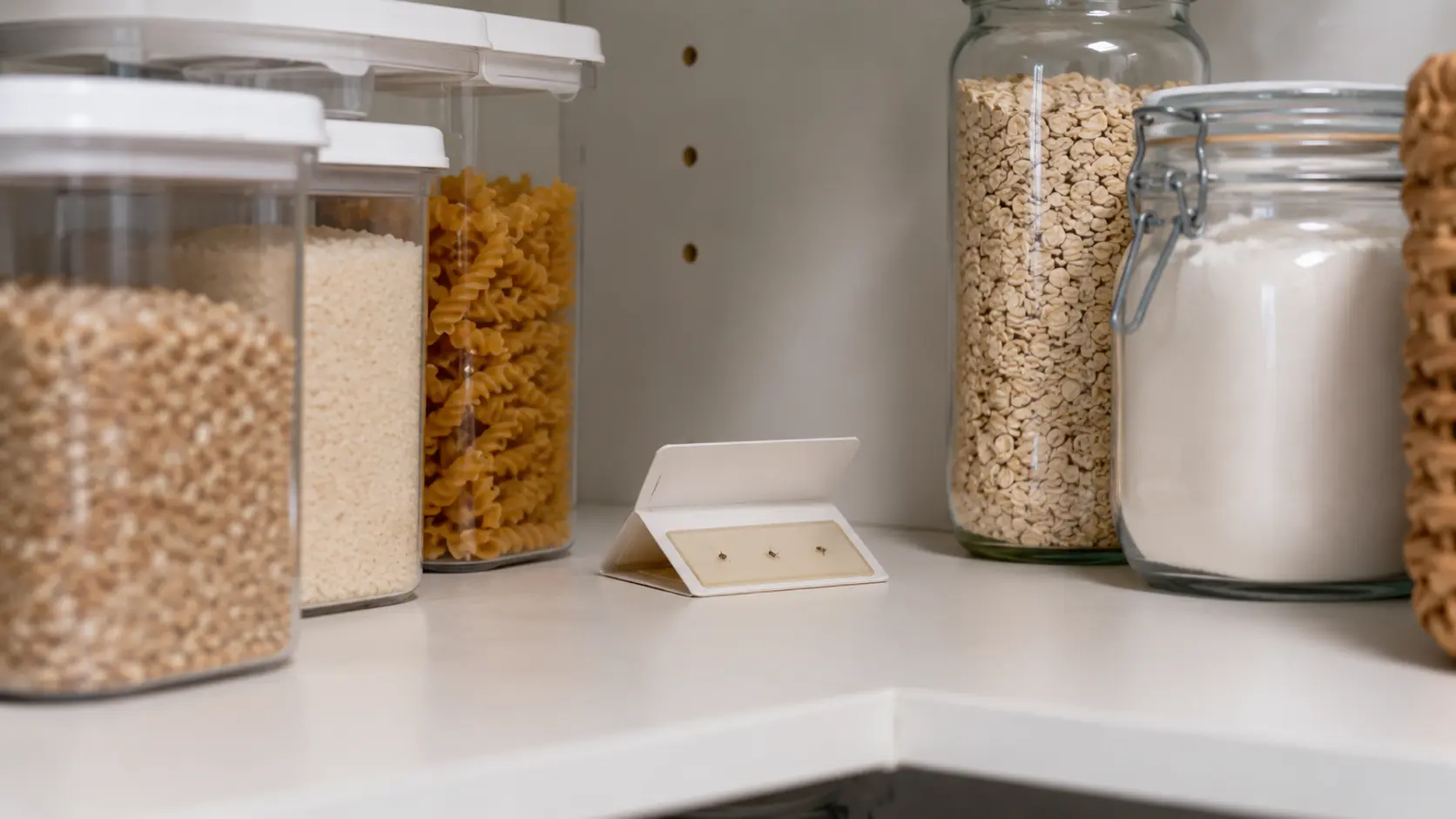
Pheromone traps help detect and reduce adult male moths. They are useful for monitoring, but they cannot remove an infestation on their own. Place traps where you found the most activity. Replace trap inserts on schedule, since a saturated trap stops attracting moths.
One trap does not work for both types. Each moth responds to a different pheromone, so pantry moth traps and clothes moth traps are species-specific.
Step 7: Monitor the Area for Several Weeks
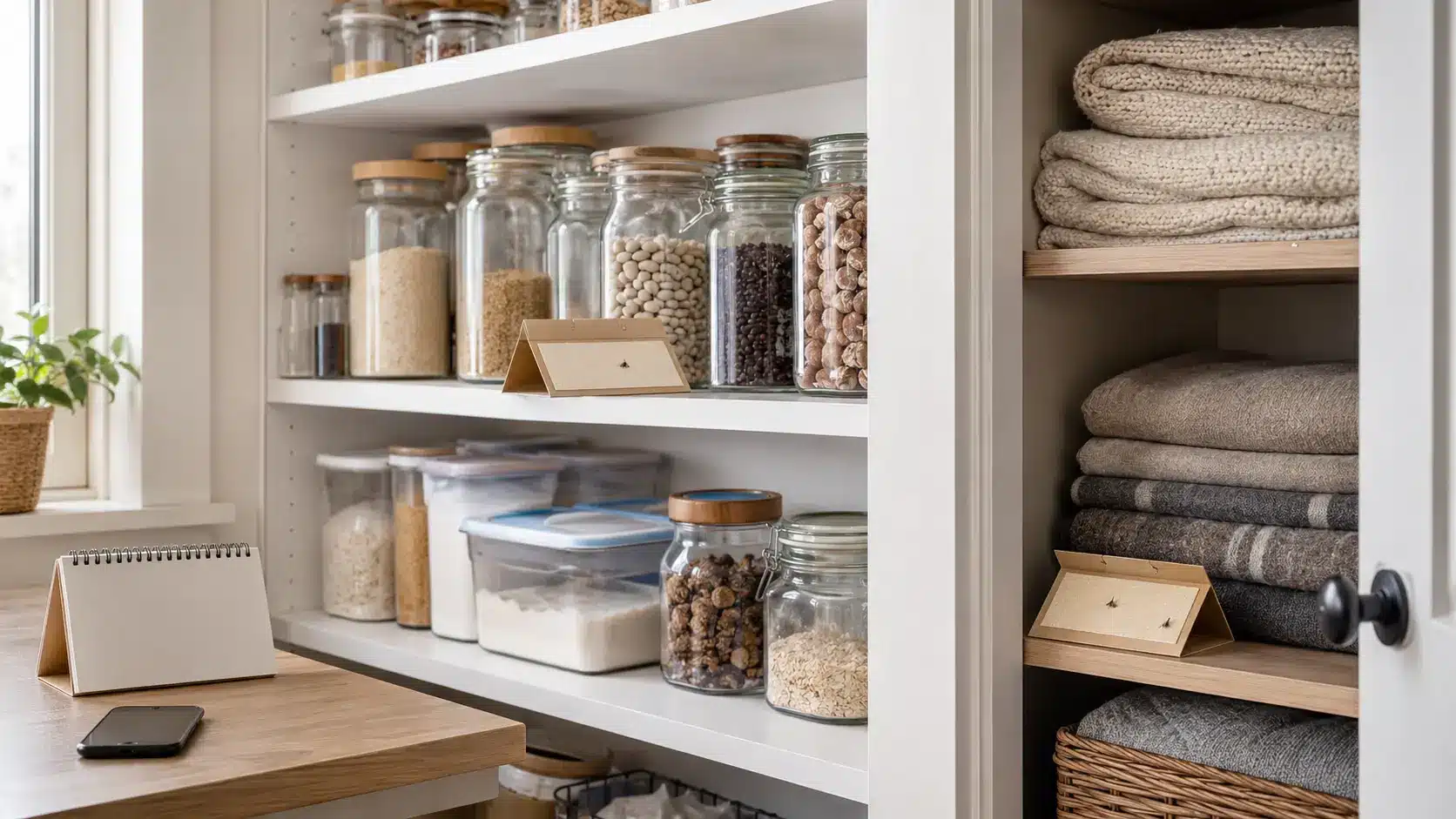
Keep checking the area after cleaning. Hidden eggs can hatch later and produce a new wave of moths weeks after your first treatment.
Set a recurring reminder to check traps and storage areas. If activity picks back up, repeat the cleaning steps right away rather than waiting to see if it settles.
Do Natural Moth Remedies Actually Work?
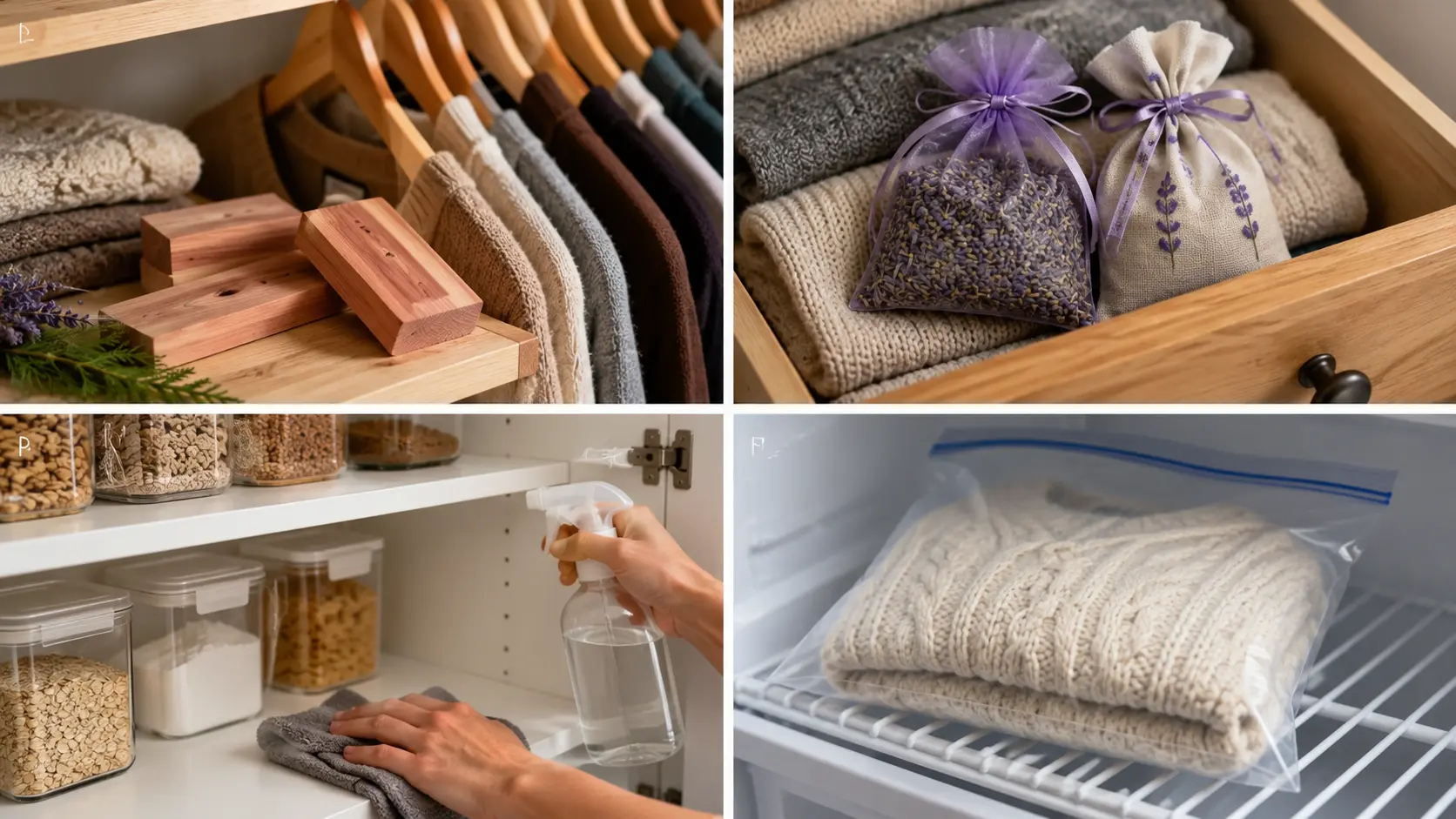
Natural remedies can help repel moths, but they will not clear an infestation on their own. Most work as prevention, not as a fix once eggs and larvae are already established.
| Remedy | What It Does | Limitation |
|---|---|---|
| Cedar | May discourage clothes moths from settling in a closet | Scent fades over time; needs refreshing; does not kill existing eggs |
| Lavender and herb sachets | May deter adult moths from an area | Will not kill hidden eggs or larvae already in fabric |
| Vinegar | Useful as part of general surface cleaning | Does not address eggs or larvae inside fabric |
| Freezing | Can treat small washable or fine-fiber items | Needs several days; must be sealed to prevent moisture damage |
What Mothballs Actually Do
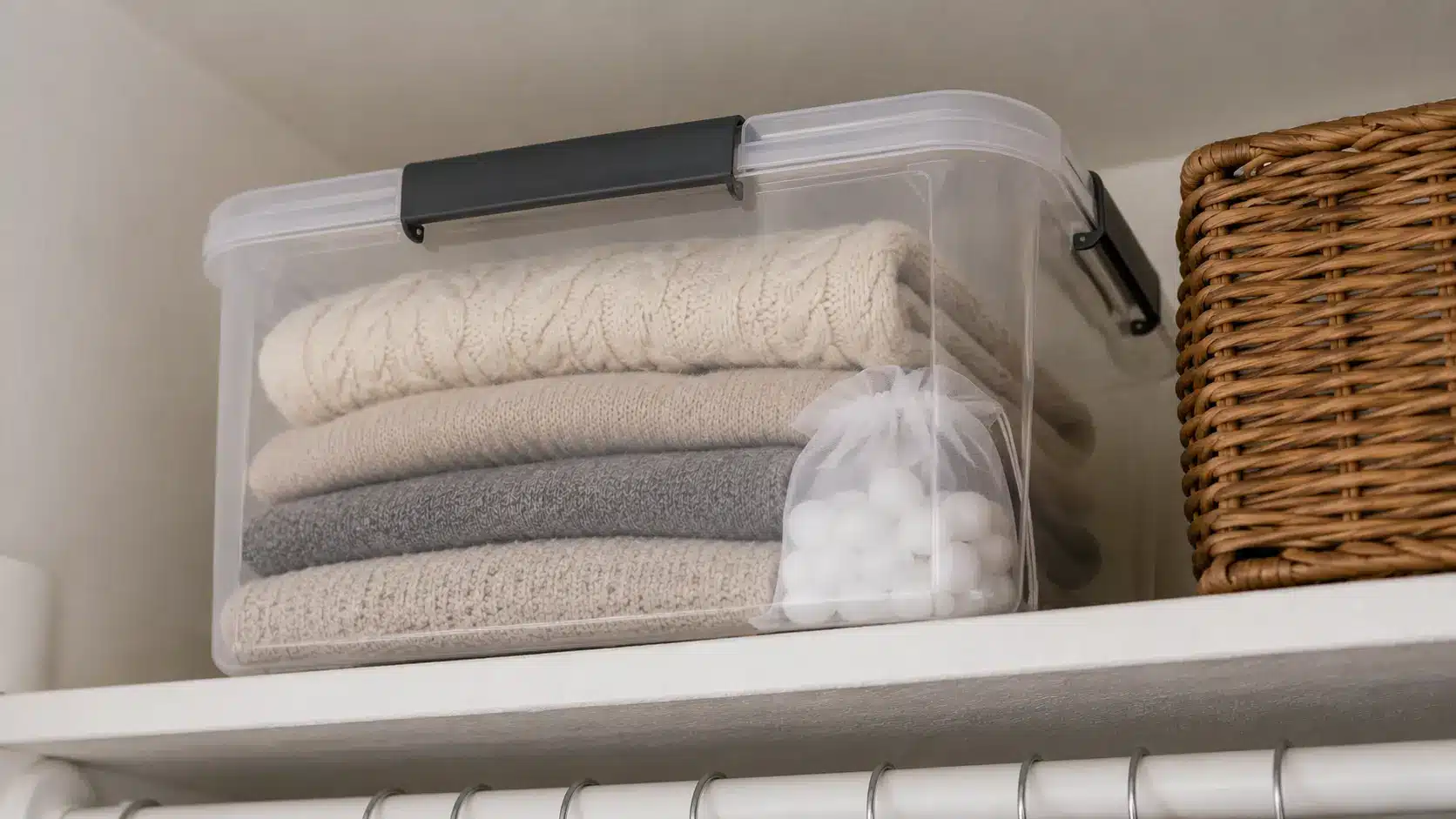
Mothballs are pesticides, not simple repellents. Treat them with the same care as any other pesticide product.
Most mothballs work by releasing a fumigant slowly into an enclosed space. The vapor must reach a concentration strong enough to kill moths and larvae. They only work in tightly sealed spaces. An open closet will not hold enough vapor to do much good.
If you use mothballs:
- Follow label instructions exactly.
- Use them only in tightly sealed storage spaces like garment bags or airtight bins.
- Keep them well away from children and pets.
- Never mix them with cedar products in the same space.
Mothballs work best for prevention. They are not ideal for treating an infestation you can still see.
How Long Does It Take to Get Rid of Moths?
The timeline depends on the moth type, how large the infestation is, and how thoroughly you clean. Use this table as a general guide, since every home is a little different.
| Infestation Size | Typical Timeline |
|---|---|
| Small, caught early (one shelf or drawer) | 1 to 2 weeks |
| Moderate (full pantry or closet) | 3 to 4 weeks |
| Large or long-standing (multiple rooms) | 6 or more weeks; sometimes needs professional help |
| Recurring despite repeated cleaning | Ongoing, until the source is fully found and removed |
Treat the timeline as a starting point. Keep monitoring until you go a full cycle with no new signs of activity.
How to Keep Moths From Coming Back
Once the infestation is under control, these habits help keep moths from returning. Most take only a few minutes to build into a regular routine. The same habits that protect your pantry also help with keeping a closet organized and pest-free.
- Store dry food in airtight containers so new purchases cannot bring in eggs.
- Clean pantry spills and crumbs quickly to remove food sources moths are drawn to.
- Wash clothing before long-term storage. Residue and sweat attract egg-laying moths.
- Store wool and fine fabrics in sealed bags to block adult moths from reaching them.
- Vacuum closets and carpet edges regularly to catch any new eggs before they hatch.
- Inspect secondhand textiles before bringing them indoors, especially rugs, clothing, and upholstered furniture.
- Rotate stored clothing instead of leaving it undisturbed, since untouched fabric is more attractive to larvae.
- Seal gaps around windows, doors, vents, and pipes to reduce entry points for adult moths.
- Reduce outdoor lighting near entrances since light draws moths closer to your home.
Fabric stored near windows can fade from sun exposure over time. Keeping wool and natural fibers away from direct light protects both color and fiber quality. Natural fabrics kept in dark, sealed containers attract far fewer pests than those left out.
When Should You Call a Professional?
Most moth problems can be handled with a thorough cleaning. A few situations call for outside help:
- Moths return after repeated cleaning.
- Several rooms are affected.
- Larvae are inside walls, ceilings, or areas you cannot reach.
- Valuable rugs, furniture, or clothing are at risk.
- You cannot find the source of the infestation.
- The infestation is large or has been going on for a long time.
A pest control professional has treatment options and inspection tools not available for home use.
Frequently Asked Questions
Can moths come back after cleaning once?
Yes. Hidden eggs can hatch days or even weeks after a single cleaning. One treatment is rarely enough to fully clear an established infestation. Keep monitoring and repeat cleaning steps if new activity appears.
Do moths only damage wool?
No. Clothes moth larvae also feed on silk, cashmere, fur, feathers, and leather. They target animal-based fibers broadly, not just wool.
Are pantry moths dangerous to eat around?
Pantry moths are not typically dangerous to health. Any food package showing larvae, webbing, or a musty smell should be thrown out rather than eaten.
Can I use the same trap for both pantry and clothes moths?
No. Each moth type responds to a different pheromone. Pantry moth traps and clothes moth traps are species-specific and not interchangeable.
How do I know when the infestation is fully gone?
An infestation is likely cleared when you see no new larvae, webbing, or adult moths. Watch for several consecutive weeks after cleaning.
Where do moths come from in the first place?
Moths most often enter through open windows or doors. They can also come in on secondhand clothing, rugs, or grocery items that carry eggs without any visible signs.
What smells do moths hate?
Moths are sensitive to cedar, lavender, and certain herbs. These scents may deter adult moths from settling, but they will not kill eggs or larvae already present.
Your Plan for a Moth-Free Home
Getting rid of moths means finding which type you have, tracking the source, and treating eggs and larvae. Do not stop at the adults you can see.
A thorough clean plus several weeks of monitoring catches what the first pass missed. A few simple storage habits in your routine keep moths from coming back.