How to Get Paint Out of Clothes Easily

Paint splatters fast and dries faster, turning a quick project into a ruined shirt. One wrong brushstroke or stray drip, and your clothes pay the price.
Most paint stains aren’t permanent; removing them depends on matching the right method to the paint and fabric involved.
Wet paint, dried paint, oil-based formulas, and water-based ones each respond differently, so no single method works for every case. The fabric type matters just as much as the paint itself, since a cleaner suited to cotton can damage silk or wool.
Simple household items can lift most stains when matched correctly to the paint type, and testing on a hidden area first protects the fabric from further damage.
What To Know Before Removing Paint from Clothes?
Before removing paint from clothes, identify the paint type (water-based or oil-based), check whether it’s wet or dried, and check the fabric care label, since these three factors determine which cleaning method will actually work.
Water-based paints like latex and acrylic respond well to soap, detergent, or rubbing alcohol when treated quickly, while dried paint usually needs gentle scraping paired with a suitable cleaner to loosen the residue.
Oil-based paints require a solvent, since water alone cannot break down their formula. Avoid the dryer until the stain is fully gone, as heat permanently sets paint into fabric fibers, turning a treatable stain into a lasting one.
Testing any cleaning product on a hidden section of the fabric first also helps prevent discoloration or damage before applying it directly to the stain.
How Do You Get Paint Out of Clothes Step-by-Step
To remove paint from clothes, scrape excess paint, apply a cleaner suited to the paint type, wash the garment, and check the stain before drying.
Each step breaks down the paint-fabric bond a little further, so skipping one leaves the rest with far less to work with. Carry out these instructions step by step:
Step 1: Remove Excess Paint
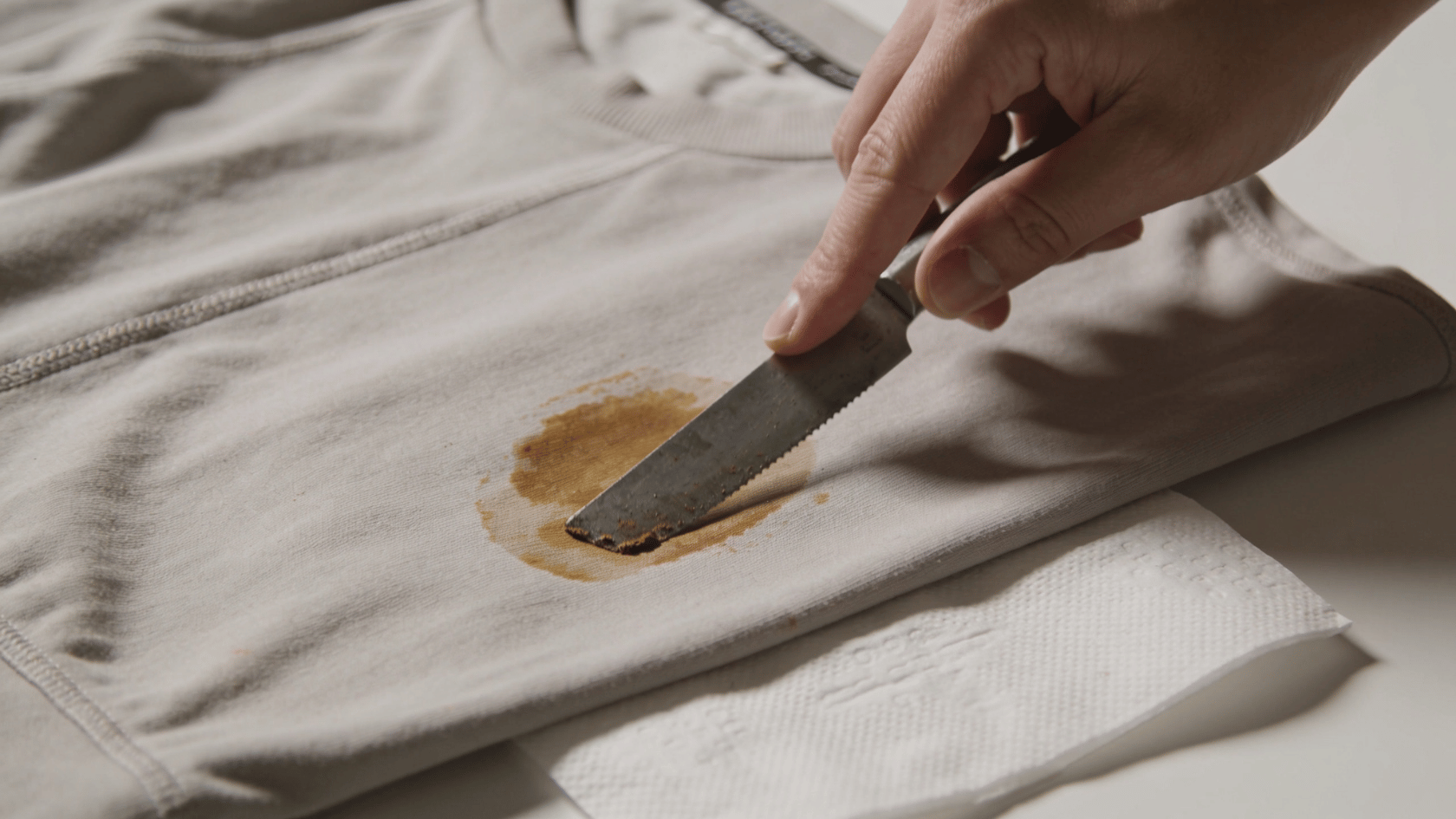
If the paint is dry, gently scrape it away with a dull knife or the edge of a spoon, working from the outer edge inward.
If it’s still wet, blot rather than rub. Either way, avoid spreading it further into unaffected fabric. Work over a paper towel or cloth underneath the stain so any lifted paint doesn’t transfer onto another part of the garment.
Hack: Pop the garment in the freezer for 10 to 15 minutes before scraping off dried paint. The cold makes the paint brittle.
Step 2: Apply the Right Cleaning Solution
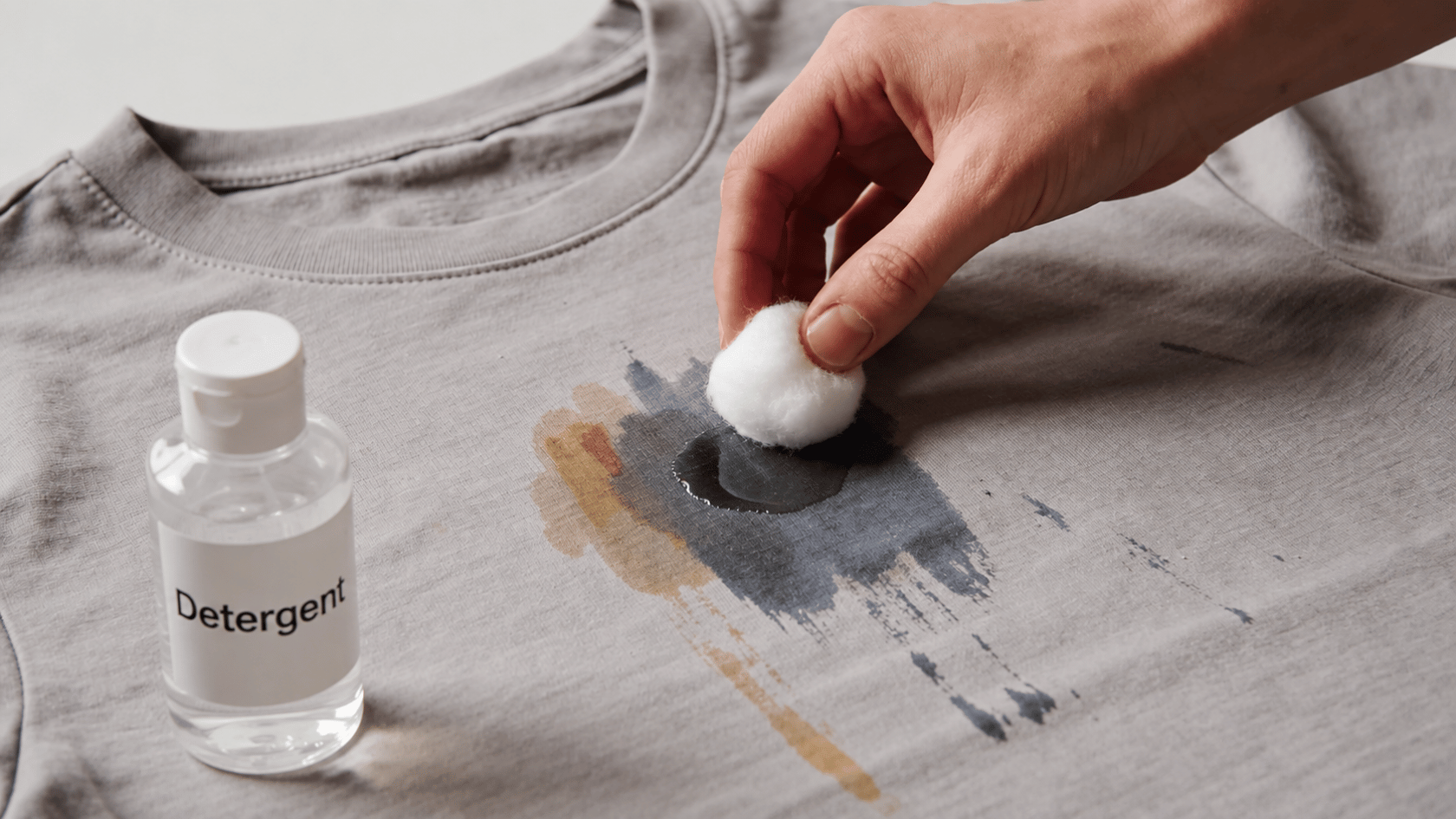
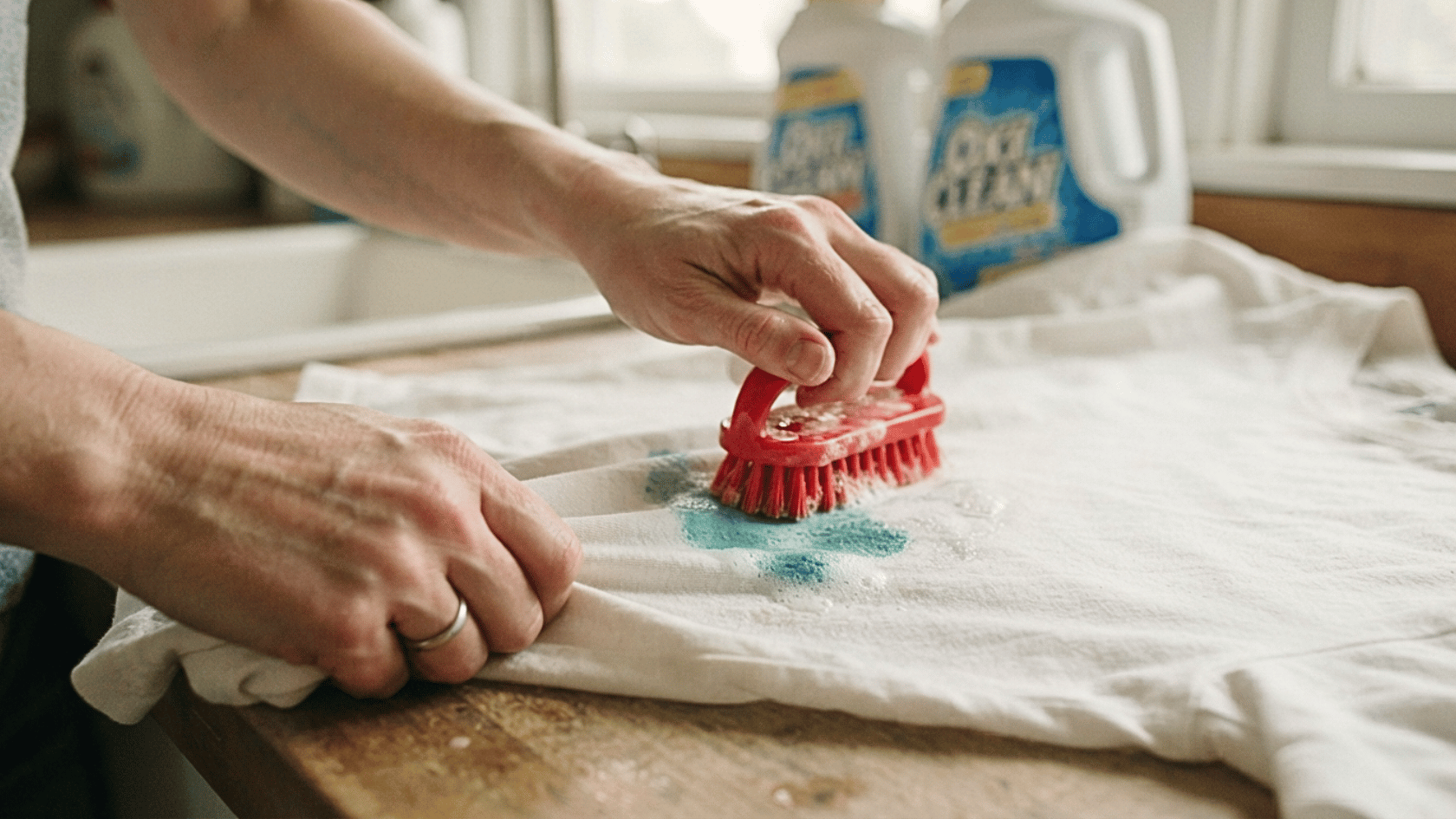
Match the cleaner to the paint. Laundry detergent or any homemade cleaner works for mild or fresh stains. Rubbing alcohol helps break down stubborn water-based residue.
For oil-based paint, use a solvent like paint thinner, since detergent and water alone won’t loosen that bond. Apply the cleaner and let it sit for a few minutes before scrubbing.
Hack: Add a drop of dish soap to rubbing alcohol before applying it. The soap helps lift the loosened paint away.
Step 3: Wash the Garment
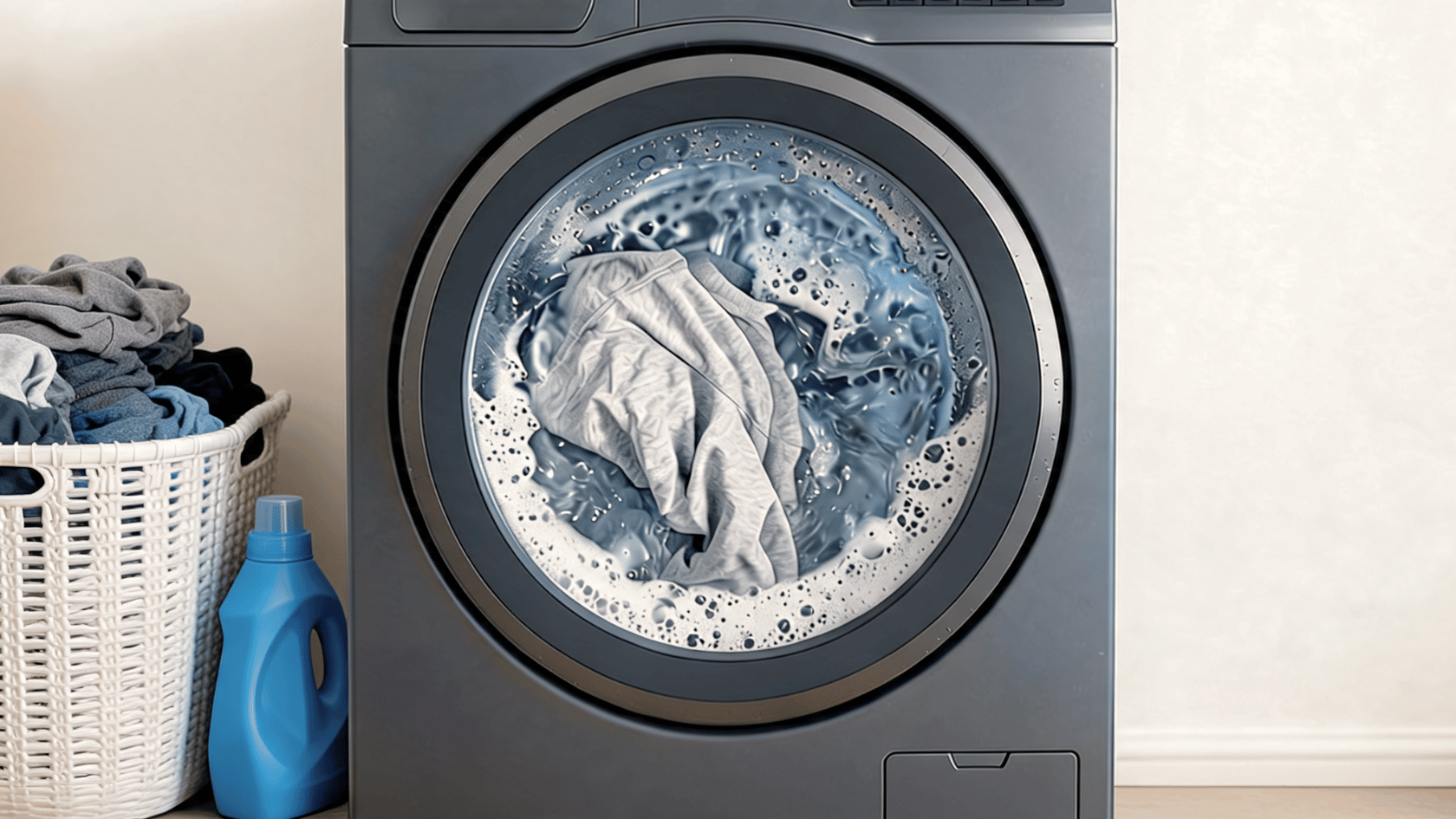
Wash according to the care label, using the warmest water the fabric can safely handle. Turn the garment inside out first so the treated area gets full contact with water and detergent.
Add a bit of extra detergent directly to the stained spot before tossing it in, since a single wash cycle may not fully remove the stain.
Hack: Run the wash cycle on its own instead of mixing it with a full load. Fewer fabrics competing for detergent means more of it reaches the treated stain.
Step 4: Check Before Drying
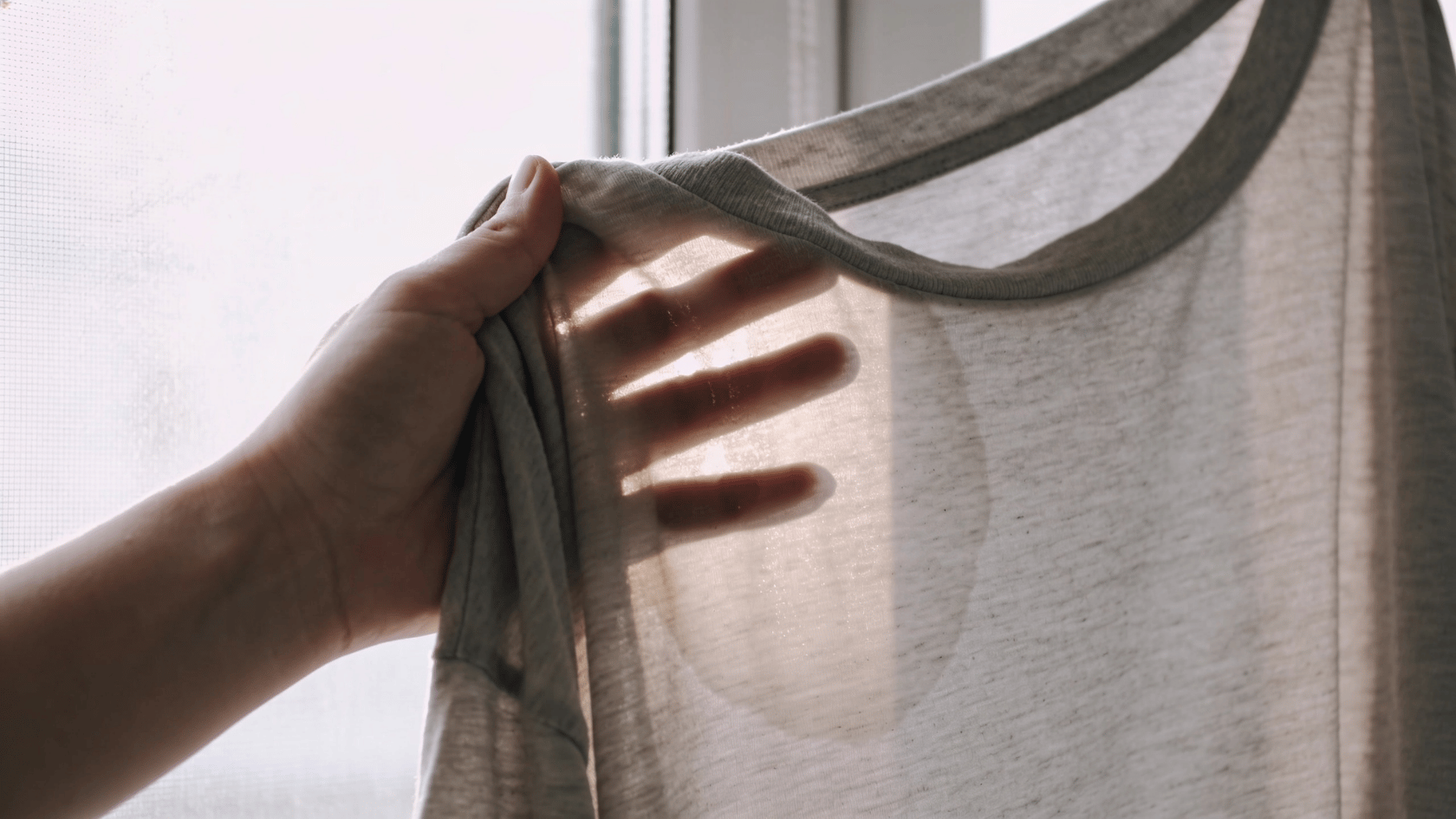
Inspect the area closely while it’s still damp, since residue is harder to spot on wet fabric than on dry. If any trace remains, repeat the treatment before the garment goes anywhere near a dryer.
Skipping this step is one of the most common reasons a treatable stain becomes permanent. Scrubbing harder doesn’t help. It can push paint deeper into the fibers and damage them.
Hack: Hold the damp fabric up to a light or window before deciding it’s clean. Backlighting can help reveal faint paint shadows.
Which Cleaner Works Best for Each Paint Type?
The right cleaner depends on the paint formula and fabric type. Water-based paints usually need mild cleaners, while oil-based paints may require solvents.
|
Paint Type |
Recommended Cleaner |
Key Notes |
|---|---|---|
|
Latex (Water-Based) |
Laundry detergent, OxiClean |
Best for fresh stains before drying. |
|
Acrylic |
Detergent, rubbing alcohol |
Alcohol helps loosen dried residue; test first. |
|
Oil-Based |
Paint thinner, mineral spirits |
Use carefully with ventilation and fabric testing. |
|
Delicate Fabrics |
Professional cleaning |
Avoid harsh solvents on silk, wool, or specialty fabrics. |
|
Dried Paint |
OxiClean Max Force Spray |
Works on washable fabrics; follow label instructions. |
|
Spray Paint |
Label-recommended cleaner |
Match cleaner to paint formula and fabric. |
Using the correct cleaner helps remove paint without harming clothing. Always test products first and avoid stronger solvents when a safer option works.
How to Remove Paint From Different Types of Fabric?
Paint reacts differently with each fabric, so the cleaning method should match the material. Handle gently to remove stains without weakening fibers.
- Cotton and Denim: Durable fabrics usually handle detergent, rubbing alcohol, or stain removers after testing a hidden area first.
- Polyester and Synthetic Fabrics: Use mild cleaners first because harsh solvents can damage synthetic fibers or cause discoloration.
- Delicate Fabrics: Silk, wool, and specialty fabrics need gentle treatment or professional cleaning to prevent permanent damage.
- Blended Fabrics: Check the fabric label first because mixed fibers may react differently to cleaning solutions.
- Dark-Colored Fabrics: Test cleaners carefully since some solvents can fade dyes or leave lighter marks.
Using the correct method for each fabric type improves paint removal results and protects clothing quality. Always treat stains gently and avoid harsh products when you don’t need them.
What Household Products Remove Paint From Clothes?
Common household products can help loosen paint stains, but results vary based on paint type, fabric, and stain age. The right product improves removal while reducing the risk of fabric damage.
|
Household Product |
Best Use |
Usage Tips |
|---|---|---|
|
Vinegar |
Fresh water-based paint stains |
Softens residue but does not remove oil-based paint. |
|
Acetone |
Acrylic paint and dried residue |
Test first, as it may damage delicate fabrics. |
|
Salt |
Fresh wet paint stains |
Absorbs excess paint but does not remove dried stains. |
|
Dish Soap |
Fresh water-based paint |
Helps loosen residue before regular washing. |
|
Rubbing Alcohol |
Dried acrylic and latex stains |
Apply carefully and test fabric first. |
|
Hairspray or Hand Sanitizer |
Small acrylic paint stains |
Alcohol-based formulas may help loosen residue; check ingredients. |
Quick Tip: Never mix household cleaners. Use one product at a time and rinse fabric thoroughly after treatment.
Mistakes To Avoid When Removing Paint From Clothes
Removing paint stains incorrectly can make them harder to fix or damage the fabric. Avoiding common mistakes helps protect clothing and improves stain removal results.
- Using a Dryer Too Soon: Heat can permanently set paint stains, so avoid drying clothes until you remove all paint residue.
- Choosing the Wrong Solvent: Match the cleaner to the paint type because unsuitable solvents may fail or damage the fabric.
- Rubbing Stains Aggressively: Scrubbing too hard can push paint deeper into fabric fibers, making it harder to remove.
- Skipping Fabric Testing: Always test cleaners on hidden areas first to prevent discoloration or damage from harsh products.
- Mixing Cleaning Products: Combining products like bleach and ammonia can create dangerous fumes and should always be avoided.
- Ignoring Care Labels: Fabric instructions help determine safe washing temperatures, cleaning methods, and suitable stain treatments.
Following the right stain removal steps protects your clothes and prevents avoidable damage. Careful handling, proper products, and patience improve your chances of success.
Conclusion
Most ruined stains aren’t caused by tough paint; they’re caused by a rushed step somewhere along the way. Paint stains don’t have to ruin your favorite clothes or end up in the trash with scissors and a good outfit.
Whether you’re dealing with wet or dried paint, water-based or oil-based, the right approach can handle almost any mess without much drama.
A few reliable steps for getting paint out of clothes can help you handle a spill calmly instead of panicking.
Keep these methods close by, and you’ll save far more clothes than you toss. The next spill won’t feel like a disaster once you have the right approach on hand.
Got a trick that saved your shirt? Share it in the comments!
Frequently Asked Questions
How Long Can You Wait Before a Paint Stain Becomes Permanent?
It varies by paint type, but most stains become much harder to treat after 24 to 48 hours, so learning how to get paint out of clothes quickly matters more than the products you use.
How to Get Wall Paint out of Clothes?
To get wall paint out of clothes, scrape excess paint, apply detergent or rubbing alcohol for water-based stains, wash the fabric, and avoid drying until the stain disappears.
Does the Color of The Paint Affect How Easy It Is to Remove?
Not the color itself, but darker or pigment-heavy paints can leave faint stains behind even after you lift the paint. You may still need a stain remover afterward.