How to Organize Desk Drawers (and Keep Them That Way)

Desk drawers collect junk fast.
You open one looking for a pen. Instead, you find dead batteries, old receipts, and a charger that fits nothing you still own.
Learning how to organize desk drawers is not about buying the right bins. It is about building a layout that fits how you actually work. This article covers the full process and the most common mistakes. It also covers what to do if your desk has no drawers.
What You Need Before Organizing Desk Drawers
You do not need a full shopping list to get started. Most homes already have half these items on hand.
A few basic supplies make the whole process faster and keep your drawers organized for longer. Pick what fits your drawer size and skip the rest.
| Supply | Purpose |
|---|---|
| Drawer dividers | Split one drawer into smaller sections |
| Small bins or trays | Group loose items like clips and pins |
| Cable ties or clips | Keep cords from tangling together |
| Labels | Mark what goes where |
| Trash bag | Toss items you no longer use |
| Soft cloth | Wipe down the drawer before refilling it |
No budget for organizers? Repurpose small boxes, jar lids, or cut-down cardboard as free dividers first. Buy only what you still need after that.
How to Organize Desk Drawers Step by Step

This process works across any desk type or setup. Follow each step in order and do not skip the measuring step.
Step 1: Empty the Drawer Completely
Pull everything out and lay it on a flat surface.
Do not sort as you go. Seeing every item at once helps you decide what actually belongs in the drawer.
Wipe the inside of the drawer before putting anything back. Dust and grit build up quickly.
Step 2: Measure Before You Shop
Skipping this step is one of the most common organizing mistakes.
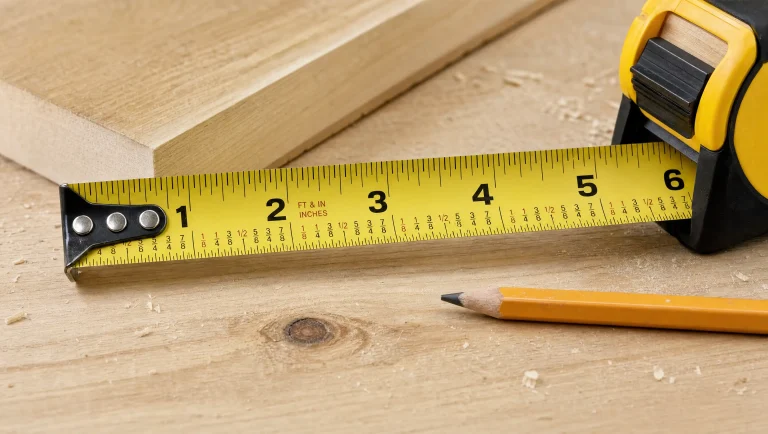
A tray that sits half an inch too tall will jam the drawer shut. Measure depth, width, and length before buying any organizers. Write the numbers down and take them with you to the store.
Step 3: Sort Items by Category
Group similar items together. Pens with pens, cables with cables, clips with clips.
This step shows you what you really have. You will find duplicates, broken items, and things that belong somewhere else entirely. Toss anything expired, broken, or unused now.
Step 4: Assign Each Drawer One Purpose
Each drawer needs one clear theme before you start filling it back up.
Do not mix daily work tools with backup supplies. Do not combine personal items with office gear. One category per drawer makes everything faster to find and return.
Step 5: Add Dividers and Reload
Place dividers or bins inside the drawer based on your categories.
Put items you use every day near the front. Store occasional-use supplies toward the back. A shallow tray near the front of the top drawer works well for things you grab all day long.
What to Put in Each Drawer
Putting the right items in the right drawer saves time every single day. This is where most setups fall apart.
| Drawer | Best Items to Store |
|---|---|
| Top drawer | Pens, sticky notes, scissors, daily chargers, lip balm |
| Middle drawer | Stapler, tape, extra batteries, backup pens, rubber bands |
| Bottom drawer | Folders, notebooks, printed manuals, spare cables |
| Shallow side drawer | Paperclips, USB drives, business cards, hair ties |
If you only have one drawer, split it into two zones. Keep daily items at the front and occasional supplies toward the back. A single divider is all you need.
How to Organize Different Types of Desk Drawers
The same core method plays out across different desk setups and drawer types.
1. How to Organize Office Desk Drawers

Office drawers hold a mix of personal and work items. Keeping those two categories apart matters more here than anywhere else.
- Separate personal items from work supplies before sorting anything else.
- Keep one drawer for daily tools like pens, notepads, and sticky notes.
- Use a second drawer for backup supplies such as staples and extra pens.
- Add a shallow tray near the front for things you reach for throughout the day.
- Label each drawer if you share the desk with anyone else.
Desk drawer organization is just one part of keeping a home office running well. A clutter-free desk surface follows naturally once the drawers have a clear system.
2. How to Organize Deep Desk Drawers

Deep drawers waste space fast if you only use the bottom layer. Stack the space instead of spreading items flat.
- Measure the drawer depth before buying any bins or trays.
- Use stackable bins to create two storage levels instead of one.
- Store heavier items like staplers and tape dispensers on the bottom layer.
- Keep lighter daily items like pens and notepads on the top layer.
- Add a slim upright divider on one side to hold files standing up rather than flat.
3. How to Organize Teacher Desk Drawers

Teacher desks fill up fast with student materials, personal items, and classroom supplies all mixed together. One purpose per drawer keeps the system from sliding back into disorder.
- Sort items into keep, donate, and trash piles before putting anything back.
- Assign each drawer a single theme: supplies, first aid, or personal items.
- Use small bins or trays to separate paperclips from rubber bands and other loose items.
- Label each section so items are more likely to end up back in the right spot.
- Keep confidential items like student records in a labeled folder inside a locked drawer.
- Recheck the setup at the start of each school year, since needs often shift.
4. How to Organize a Desk Without Drawers
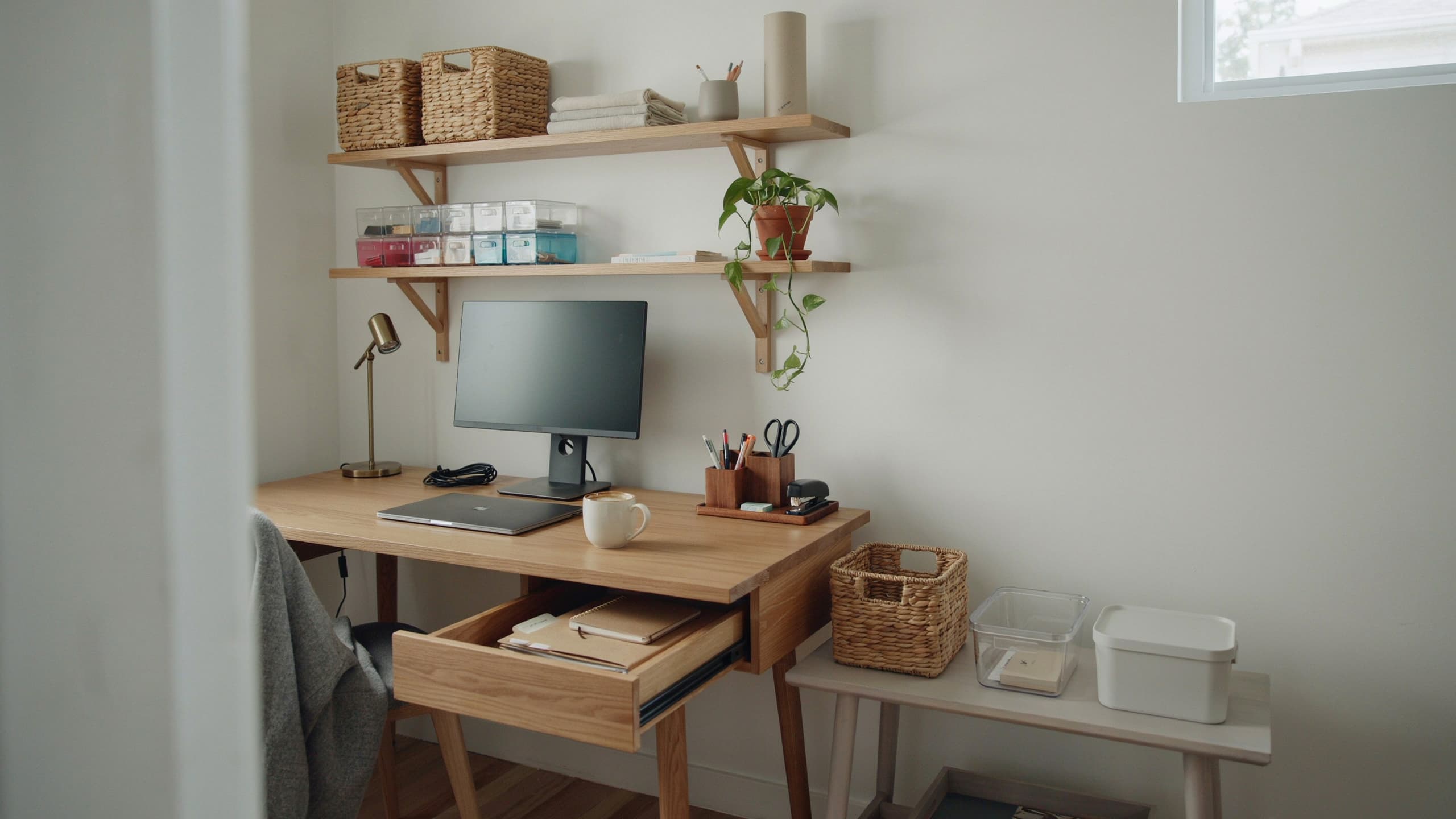
No drawers does mean no storage. It means shifting most of your storage off the desktop and onto nearby walls or the floor.
- Add wall-mounted shelving above or beside the desk for books, binders, and supplies.
- Use a self-adhesive slide-out drawer under the desk for pens and small items.
- Raise your monitor on a stand to free up surface space for supplies underneath.
- Add a small desktop organizer for clips, sticky notes, and loose papers.
- Use tension rods on a nearby shelf to hang file folders when there is no filing cabinet.
- Add a floor shelf beside the desk for books, baskets, or printer paper.
If you are working with limited space, looking at built-in desk ideas can show you how to add drawer storage directly into your walls or shelving units.
5. How to Organize a Craft or Hobby Desk Drawer

A vanity or desk drawer full of makeup needs a layout built around your daily routine, not just neat rows of products.
- Empty the drawer and toss anything expired or unused.
- Store flat items like palettes and compacts in shallow drawers with dividers.
- Line the drawer before adding anything back, so it stays easy to wipe clean.
- Keep daily products like foundation and concealer at the front for quick access.
- Use small compartments for items like lip liners, brushes, and eyeliners.
- Store occasional-use products, such as bold eyeshadows, further back in the drawer.
6. How to Organize Kids’ Desk Drawers

Kids’ drawers need a system simple enough for them to maintain on their own. Neat on day one is not the goal. Easy to reset every day is.
- Empty the drawer together and sort items into keep, toss, and donate.
- Use big, clearly labeled bins instead of small compartments kids lose track of.
- Keep only current school supplies in the desk. Store extras elsewhere.
- Add a picture label next to each word label for younger kids who cannot read yet.
- Set a weekly five-minute reset so the drawer does not slide back into chaos.
Common Desk Drawer Organization Mistakes
I have made most of these mistakes myself, so trust me on this one. Skipping the empty-out step is the biggest one.
You end up organizing around clutter instead of starting fresh, and it never lasts more than a week. Buying bins before measuring your drawer comes next.
I once bought a tray that sat half an inch too tall and jammed the drawer shut. Mixing categories together brings the mess right back, since tossing pens and papers into one bin just hides the chaos instead of fixing it.
Loose cables tangle fast and undo the rest of your setup, and overfilled drawers make everything harder to find, not easier. Storing items you rarely touch near the front pushes your daily tools out of reach, which defeats the whole point.
And skipping labels on a shared drawer means it slides back into chaos within days. Avoid these, and your system actually holds up past the first cleanup.
How to Keep Desk Drawers Organized
Getting your drawers organized is the easy part. These small habits keep them that way.
- Do a quick reset weekly. Spend two minutes putting stray items back in their spot.
- Return items right after use. Do not leave tools sitting on your desk overnight.
- Recheck categories every few months. Needs change, so your system should shift with them.
- Toss dead pens and old batteries fast. Small junk builds up faster than you expect.
- Stick to one home per item. If something has two possible spots, clutter creeps back in.
- Involve everyone on shared desks. One person cannot maintain the system alone.
Five minutes a week beats a full reorganizing session every month.
Final Thoughts on How to Organize Desk Drawers
A messy drawer does not need a full overhaul to fix. Empty it out, sort by category, and give every item one clear home.
The key to organizing desk drawers for good is pairing the right items with the right drawer. Once the setup fits your daily habits, upkeep takes minutes, not hours.
Start with just one drawer today. The rest gets easier once you see how well a simple system works.
Frequently Asked Questions
How often should you clean out a desk drawer?
Aim for a full clean-out every three to six months. Do quick tidy-ups weekly to catch small clutter before it piles up.
Can you organize a desk drawer without buying anything?
Yes. Repurpose small boxes, jar lids, or cut-down cardboard as free dividers. You do not need store-bought organizers to get started.
What should you never store in a desk drawer?
Avoid food, liquids, or anything flammable near electronics. These items risk spills, damage, or fire hazards over time.
How do you organize a desk drawer on a budget?
Use household items like egg cartons, cereal boxes, or mason jar lids as free dividers. Only buy organizers once you know the exact sizes you need.
Should kids’ desk drawers be organized differently than adults’?
Yes. Use larger, sturdier bins and simple categories. Add picture labels for younger kids and keep the reset routine short so it actually sticks.
What is the best drawer divider material for a home office?
Wood, woven fiber, or fabric dividers work well in office drawers. They look clean and are less likely to be exposed to moisture or stains.
How do you stop desk drawers from getting messy again?
Give every item one fixed home and return it there after each use. A short weekly reset keeps the system running without a big effort.