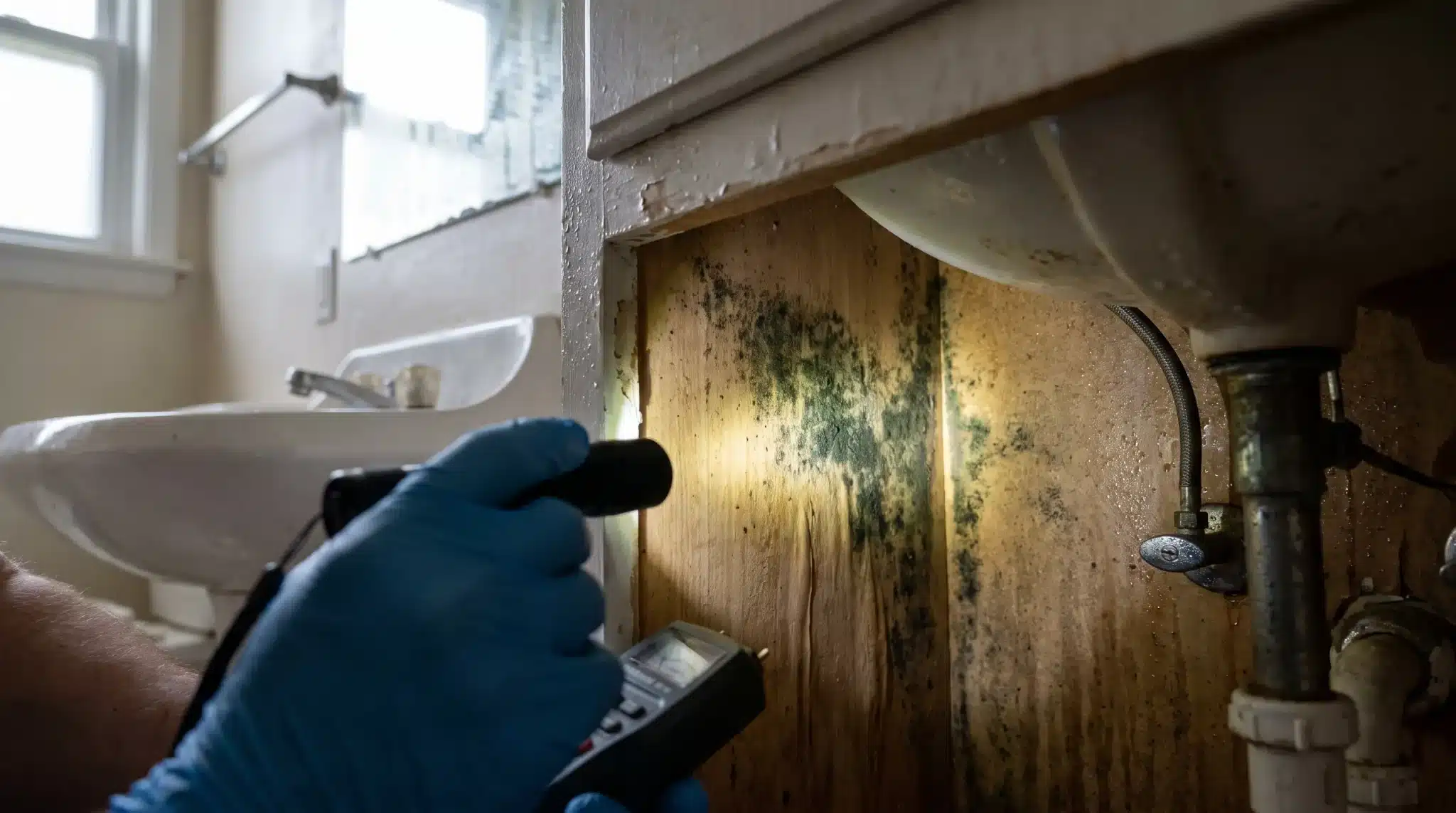
What Does Black Mold Look Like? Color, Texture, and Signs

That dark patch near your bathroom sink may look like soot or an old water stain. But if it keeps coming back, it could be something more. Knowing what black mold looks like helps you catch it early.
This article covers color, texture, growth patterns, and where mold tends to hide in a home. You will also learn how it differs from mildew and common look-alikes, plus what to do if you find it.
What Does Black Mold Look Like?
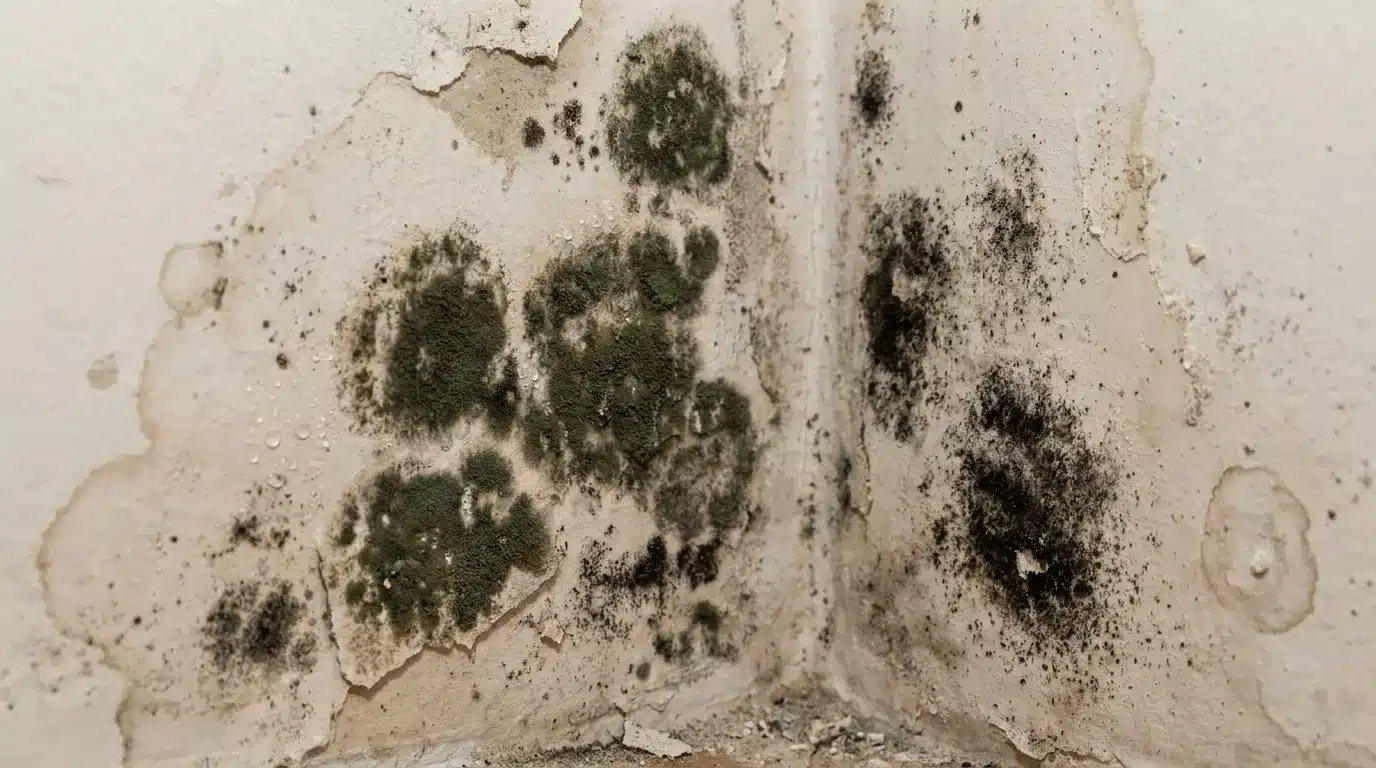
Black mold appears as dark green, black, or charcoal patches on damp surfaces. It looks slimy or shiny while actively growing. Older growth turns dry, powdery, or flaky over time.
These patches spread outward in uneven shapes. They do not form clean lines or neat circles. Irregular edges are one of the most reliable visual signs.
Color
Black mold is not always pure black. Common shades include:
- Deep black with a dense, solid appearance
- Greenish-black, especially during early growth stages
- Dark gray, particularly on lighter surfaces
- Brownish edges as the colony ages
Color alone cannot confirm the mold type. Other mold species also appear dark or near-black. Texture and location give you a more reliable answer.
Texture
Texture shifts depending on how long the mold has been growing.
| Growth Stage | How It Looks |
|---|---|
| Active growth | Wet, slimy, or shiny |
| Drying out | Fuzzy or slightly raised |
| Older colonies | Powdery, dusty, or flaky |
Growth Pattern
Black mold rarely grows in a neat shape. Watch for:
- Irregular blotches that spread outward from a central spot
- Smaller patches that merge into one larger stain
- Growth that follows a trail of past moisture damage
- Spots creeping along drywall seams or room corners
Where Does Black Mold Usually Grow?
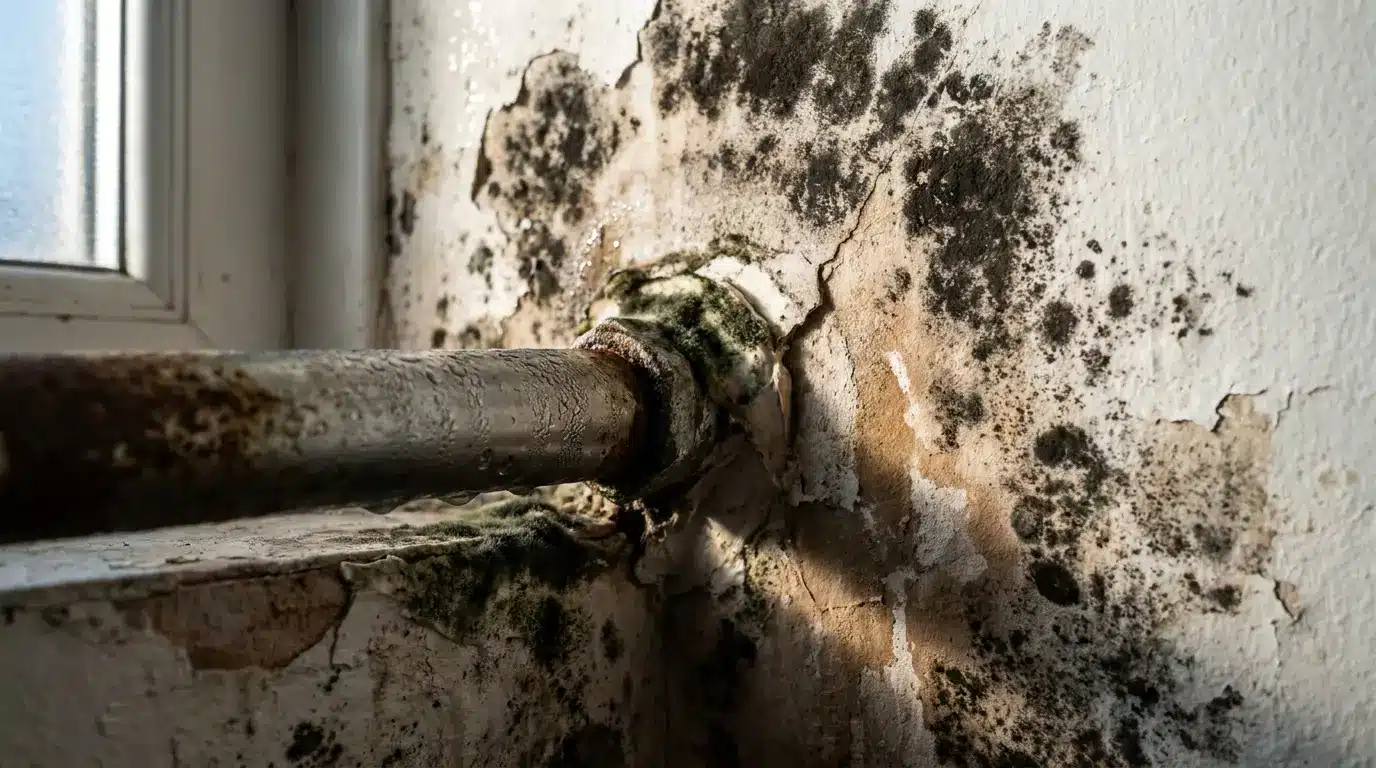
Black mold needs two things to grow: moisture and organic material. That combination shows up in the same areas across most homes.
| Location | What to Check |
|---|---|
| Bathrooms | Shower corners, bathtub seals, ceiling above showers, behind toilets |
| Basements and crawl spaces | Damp drywall, wooden beams, insulation, flood-affected areas |
| Windows and doors | Condensation on frames, moisture near glass edges |
| Kitchen | Under sinks, behind appliances, around leaking pipes |
| HVAC systems | Air vents, air handlers, condensation drip areas |
Moisture that builds up in crawl spaces often spreads upward into walls and floors. A full crawl space inspection and cleaning can help catch hidden moisture before mold takes hold.
What Does Black Mold Look Like on Different Surfaces?
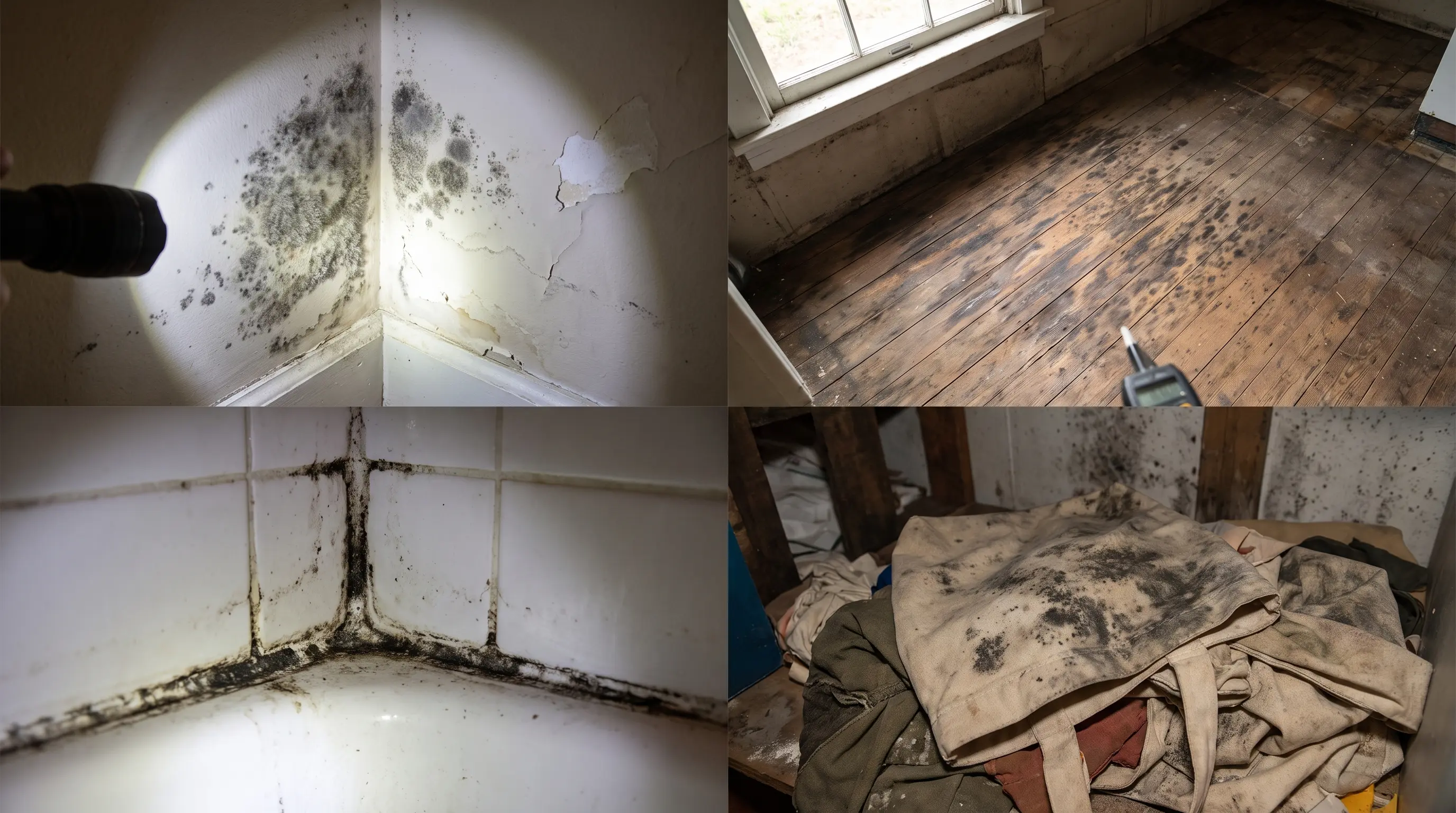
Black mold does not look the same on every material. The surface type, moisture level, and how long the mold has been present all affect its appearance.
1. Drywall
Black mold on drywall appears as dark, spreading patches. The texture may be fuzzy, powdery, or slightly raised. Small spots grow larger when moisture stays trapped inside the wall.
Leaks, high humidity, or poor ventilation create the conditions mold needs to spread.
2. Wood
On wood, black mold shows up as dark spots mixed with discoloration. It develops along the grain or in corners that stay damp for long periods. The wood may darken over time and produce a musty smell.
3. Tile Grout
Grout lines are a common spot for dark clusters. Bathrooms see the most growth here because grout soaks up moisture from showers and leaks.
If you clean the area but the mold returns quickly, the moisture source is still active.
4. Ceilings
Ceiling mold appears as irregular dark marks. It tends to spread around areas above bathrooms, near plumbing lines, or under a leaking roof. A growing stain often means moisture is collecting above the surface.
5. Fabric
Dark spots on fabric, paired with a musty smell, can point to mold growth. Items stored in damp closets or basements are most at risk. Knowing how to handle fabric cleaning and care can help you decide what to clean and what to replace.
Black Mold vs. Common Look-Alikes
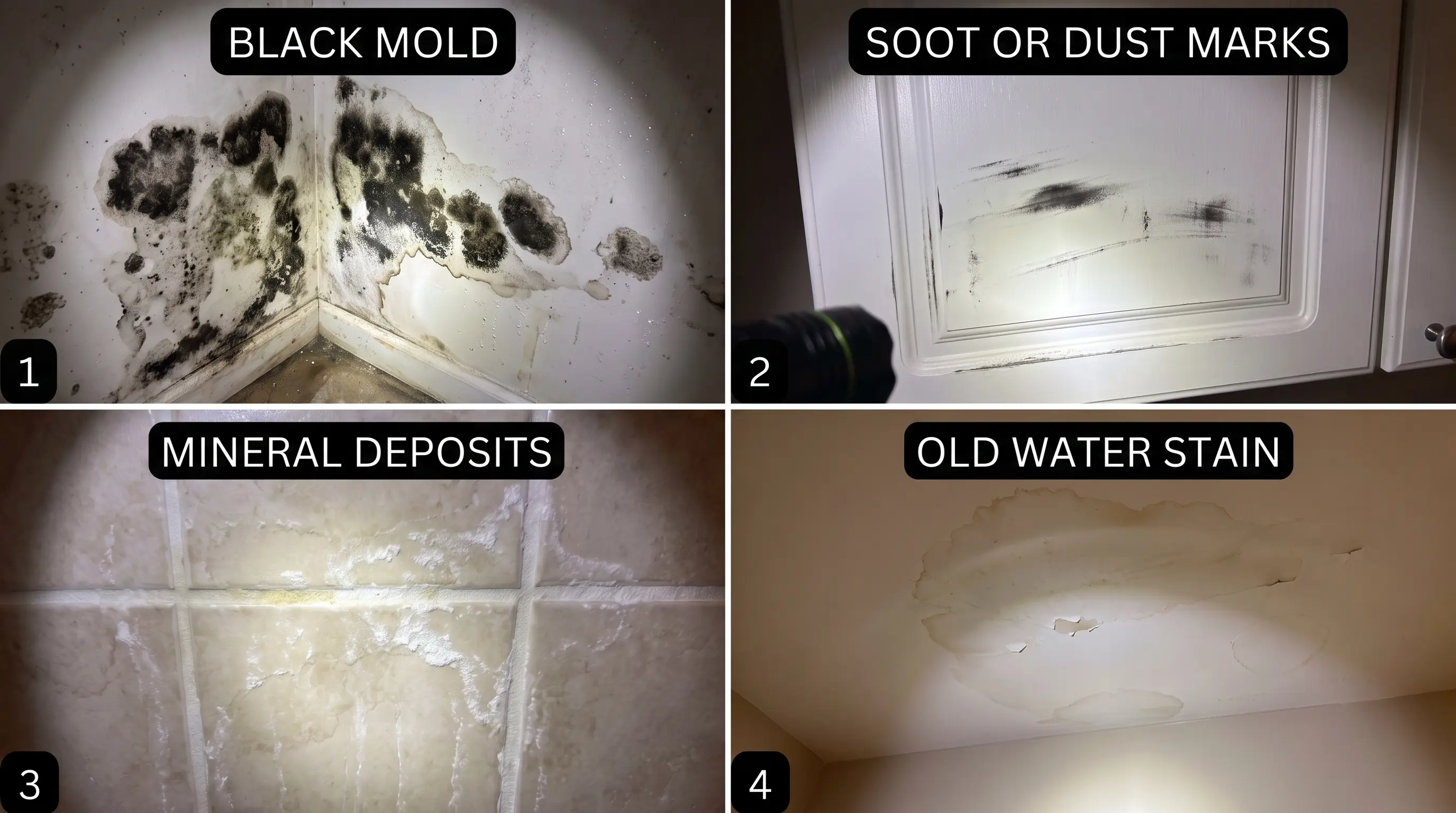
Not every dark mark is mold. Several common stains and surface issues can look similar.
| What You See | What It Could Be | Key Difference |
|---|---|---|
| Black dusty marks | Soot | Wipes away; follows airflow patterns |
| White powdery coating | Mineral deposits | Appears near water leaks or pipes |
| Flat dark stain | Old water damage | Does not grow or spread |
| Black fuzzy patches | Mold | Has texture; may carry a musty smell |
| Surface spots on tile | Mildew | Stays flat and close to the surface |
A simple test: wipe the mark with a damp cloth. If the spot does not return, it is likely not active mold. If the same spot keeps coming back, moisture is still present underneath.
Can You Tell if It Is Toxic by Looking at It?
No. A visual check cannot confirm whether mold is Stachybotrys chartarum, the species commonly called toxic black mold.
Other mold types also appear dark green or black. Two mold species can look nearly identical and still be completely different organisms.
Testing is the only way to confirm which mold is present. Do not rely on color alone to judge how serious a growth might be. The moisture source behind it matters more than the shade you see.
Important: Mold identification based on appearance alone is not reliable. Moisture conditions, surface type, and professional testing give a more accurate picture. If you suspect a large or hidden problem, professional testing is the safest next step.
What Does Black Mold Smell Like?
Smell is another clue, though it works alongside appearance rather than replacing it.
Black mold often carries:
- A musty smell
- An earthy odor
- A damp, basement-like scent
- A wet wood smell
A strong odor in a room can point to hidden mold behind walls or under flooring. But smell alone cannot confirm the exact species.
Some mold growth produces little or no odor at all. A clean-smelling room is not proof that mold is absent.
What to Do if You Find Black Mold
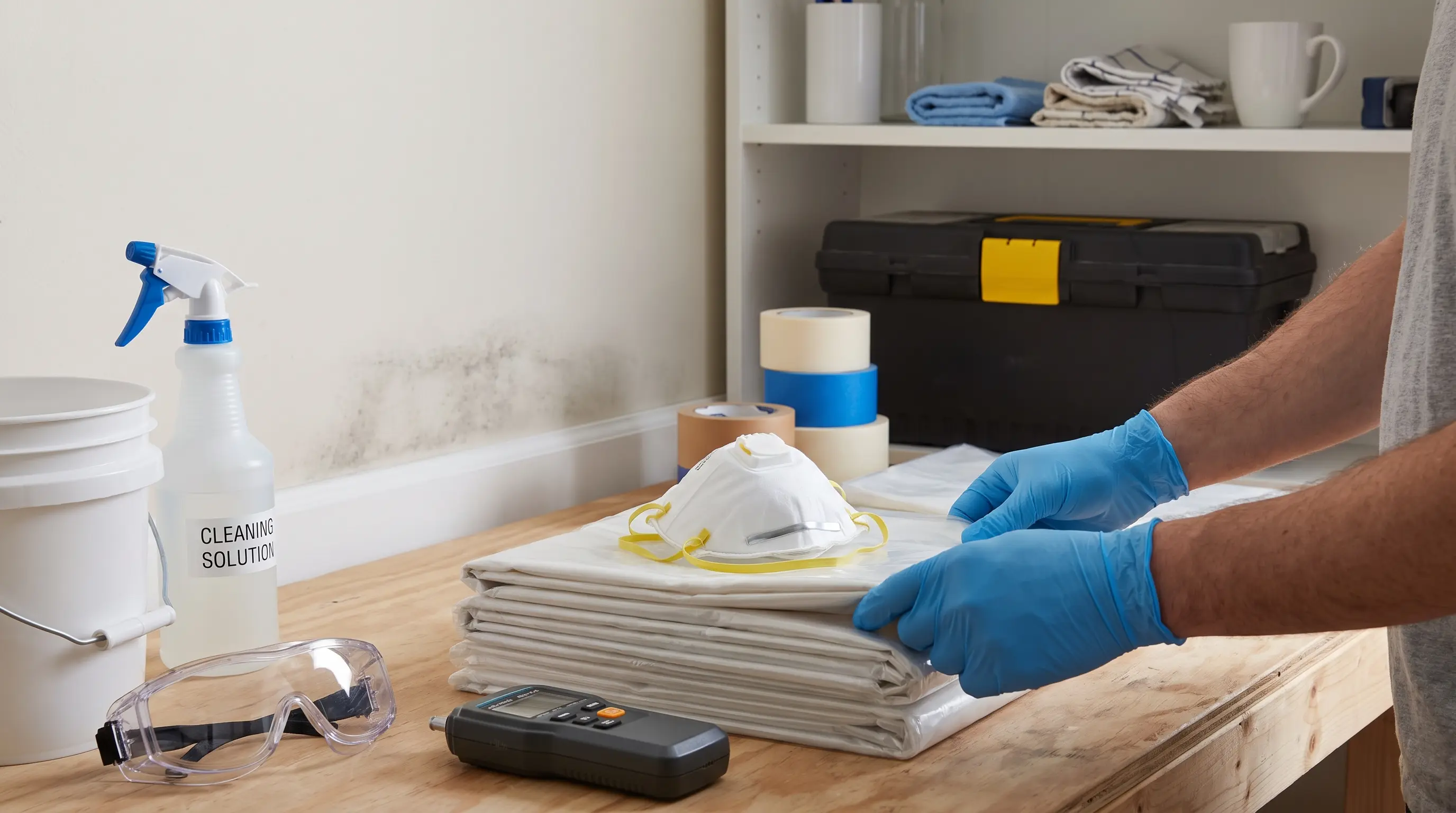
What you do next depends on how much area is affected.
For Small Areas
- Avoid disturbing dry mold, as this can release spores into the air
- Wear protective gloves and a mask during cleanup
- Fix the moisture source first, or the mold will likely return
- Clean the affected area with an appropriate cleaning solution
For Larger Areas
Call in professional help if:
- Mold covers a large area of a wall, ceiling, or floor
- There may be hidden growth behind walls or under flooring
- Water damage is extensive
- HVAC systems show signs of mold growth
According to the EPA, mold cleanup for areas larger than about 10 square feet often calls for professional remediation.
How to Prevent Black Mold From Returning
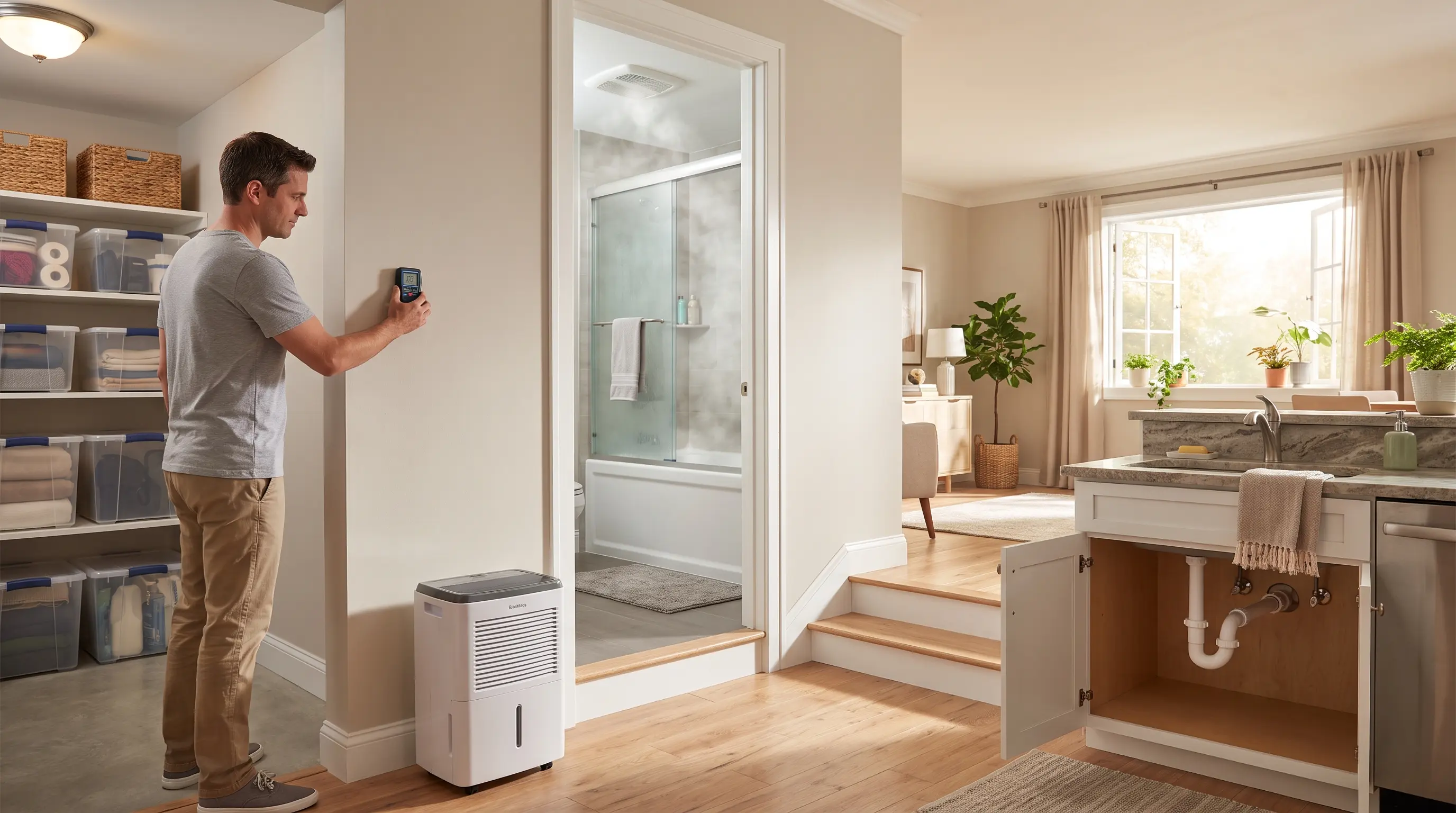
Prevention comes down to controlling moisture. A few consistent habits help a great deal.
- Keep indoor humidity between 30 and 50 percent
- Repair leaks quickly, even small drips under sinks or around pipes
- Improve bathroom ventilation with exhaust fans or by opening windows after showers
- Dry wet areas within 24 to 48 hours to stop mold before it starts
- Use dehumidifiers in basements or other damp spaces
- Check hidden moisture areas regularly, such as behind appliances or under carpets
Act Before It Spreads
Knowing what black mold looks like helps you catch it before it spreads. Look for dark green, black, or charcoal patches with a slimy or fuzzy texture.
Pay close attention to bathrooms, basements, and areas around windows, as these spots hold moisture the longest.
Color and smell offer useful clues, but neither confirms the exact mold species alone. If a suspicious patch keeps returning after cleaning, professional testing gives a clear answer.
Small areas can often be cleaned safely once the moisture source is fixed. Larger or hidden growth calls for a professional inspection.
Frequently Asked Questions
Is it safe to stay in a house with black mold?
Staying in a house with black mold may pose health risks, especially with prolonged exposure or for people with respiratory conditions.
How can you tell if black mold is toxic?
You cannot tell by looking. Testing by a certified professional is the only reliable way to identify the specific mold species.
What happens if you ignore black mold?
Ignoring black mold allows it to spread, damage your home’s structure, and reduce indoor air quality over time.
What happens if you breathe in black mold?
Breathing in black mold spores may cause coughing, irritation, allergies, or breathing problems, especially in sensitive individuals.
How do you stop black mold from coming back after cleaning?
Fix the moisture source before or immediately after cleaning. Without addressing the underlying damp condition, mold will return to the same spot.