How to Clean a Fan for Better Airflow and Less Dust

Quick Answer: To clean a fan, unplug it first. Remove the grilles or cage if the model allows it. Vacuum the blades, wipe them with a damp cloth, and clean the housing. Let all parts dry fully before putting the fan back together. The steps vary slightly by fan type.
Your fan runs for hours every day. But when was the last time you cleaned it? Counters get wiped weekly. The fan above them? Often ignored for months. That is a problem.
A dirty fan blows dust, pollen, and pet hair straight back into the air you breathe.
This blog covers how to clean fans, ceiling fans, box fans, tower fans, pedestal fans, and bathroom exhaust fans. You will get quick-clean and deep-clean steps using tools you likely already own.
No special skills needed. Just follow the steps below.
Why Should You Clean Your Fan Regularly?
fan that looks clean can still cause real problems. Dust, pet hair, and allergens build up on the blades fast. They get blown back into your home with every spin. Here is what that means for your health and your fan.
1. It Blows Dust and Allergens Back into Your Air
Every spin of a dirty blade sends dust, pollen, and pet dander into the air you breathe.
- Dust-coated blades release particles each time the fan turns on.
- These particles include skin cells, pet dander, and pollen.
- Regular cleaning stops these from cycling back into your space.
Keeping your fan clean also means any air purifier in the same room has less dust to filter. The two work better together when both are maintained.
2. It Makes Your Fan Work Harder
Dust adds weight to the blades. That extra weight forces the motor to push harder than it should.
- A dirty fan uses more power to push the same amount of air.
- Blade buildup reduces airflow, so the room stays warmer.
- Cleaning regularly helps your fan run at its best.
3. It Can Cause Wobbling, Noise, and Motor Strain
When dust sits unevenly on the blades, the fan loses its balance.
- Wobbling fans can gradually loosen screws and connections.
- Motor strain can lead to overheating and a shorter fan life.
- Cleaning often prevents these problems before they start.
What You Need to Clean a Fan
You do not need special tools to clean a fan. Gather these supplies before you start so the job goes quickly and without interruption.
- Microfiber cloths, both dry and damp
- Vacuum with a brush attachment
- Compressed air can
- Mild dish soap and warm water
- White vinegar and water (50/50 mix) as an alternative to soapy water
- Old pillowcase (for ceiling fans)
- Screwdriver (for box and tower fan deep cleans)
- Soft-bristle brush or old toothbrush
- Dust mask and safety glasses (for ceiling fan cleaning)
How to Clean Different Types of Fans
Not all fans are built the same. A ceiling fan collects dust on wide, open blades. A tower fan hides its parts behind a sealed casing. Each type needs a slightly different approach to get a proper clean.
1. Ceiling Fan
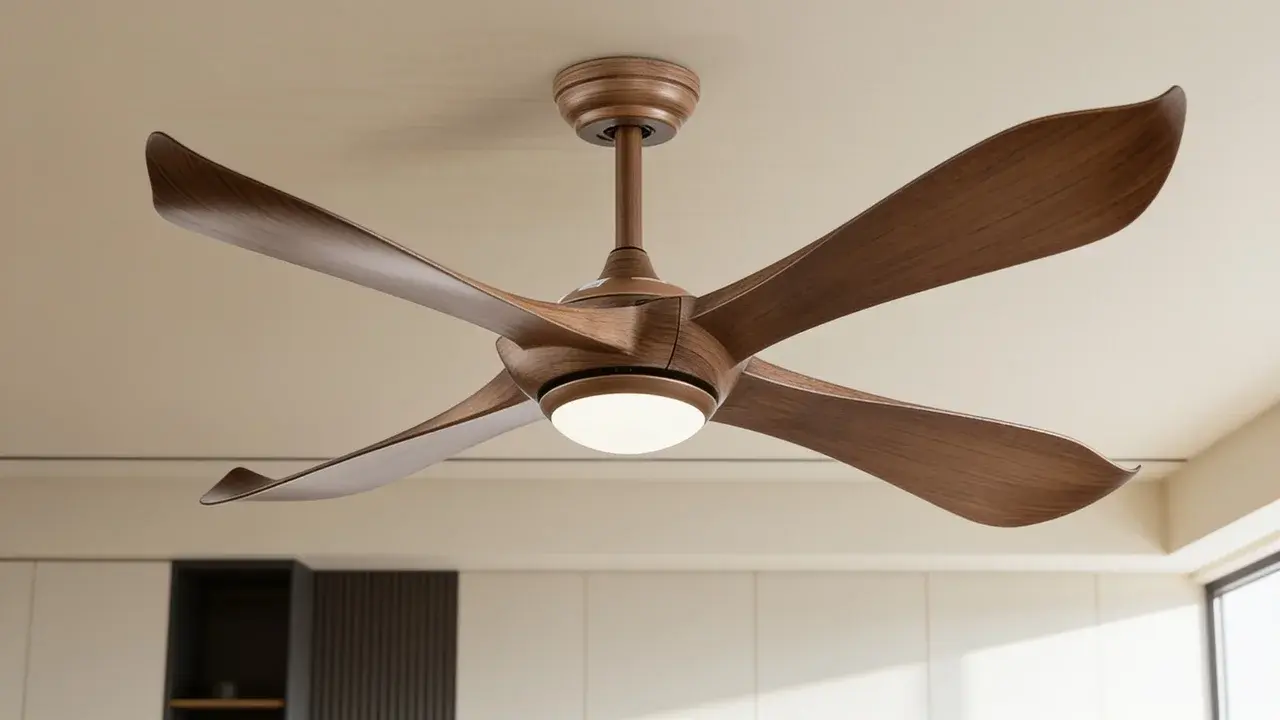
Ceiling fans sit high up and spin constantly, which means dust builds up on the blades fast. The pillowcase method keeps all that dust contained and off your floors during cleaning.
Safety first: Wear a dust mask and safety glasses before you start. Dust falls downward when you clean overhead blades. A hair cover is also a good idea.
Quick Clean, Pillowcase Method:
- Lay an old sheet on the floor below the fan.
- Slip a pillowcase over one blade at a time.
- Slide it toward you to wipe both sides of each blade.
- Take the pillowcase outside and shake it clean before washing.
No Ladder Option: Use an extendable duster with a flexible head to reach the blades from the floor. Wipe both sides of each blade as well as the base. This gets most of the dust off without climbing.
Deep Clean:
- Turn off the fan and lay a drop cloth below it.
- Mix a few drops of dish soap into warm water. A 50/50 mix of white vinegar and water also works well for sticky buildup.
- Dip a microfiber cloth in the solution and wring it out well.
- Wipe each blade from base to tip on both sides.
- Follow with a dry cloth right away to remove moisture.
- Clean the motor housing with compressed air or a dry cloth.
Pro Tip: Before shutting off the fan, note which direction the blades spin. Clockwise circulates warm air. Counterclockwise cools the room. Cleaning day is the right time to switch for the season.
2. Box Fan or Floor Fan
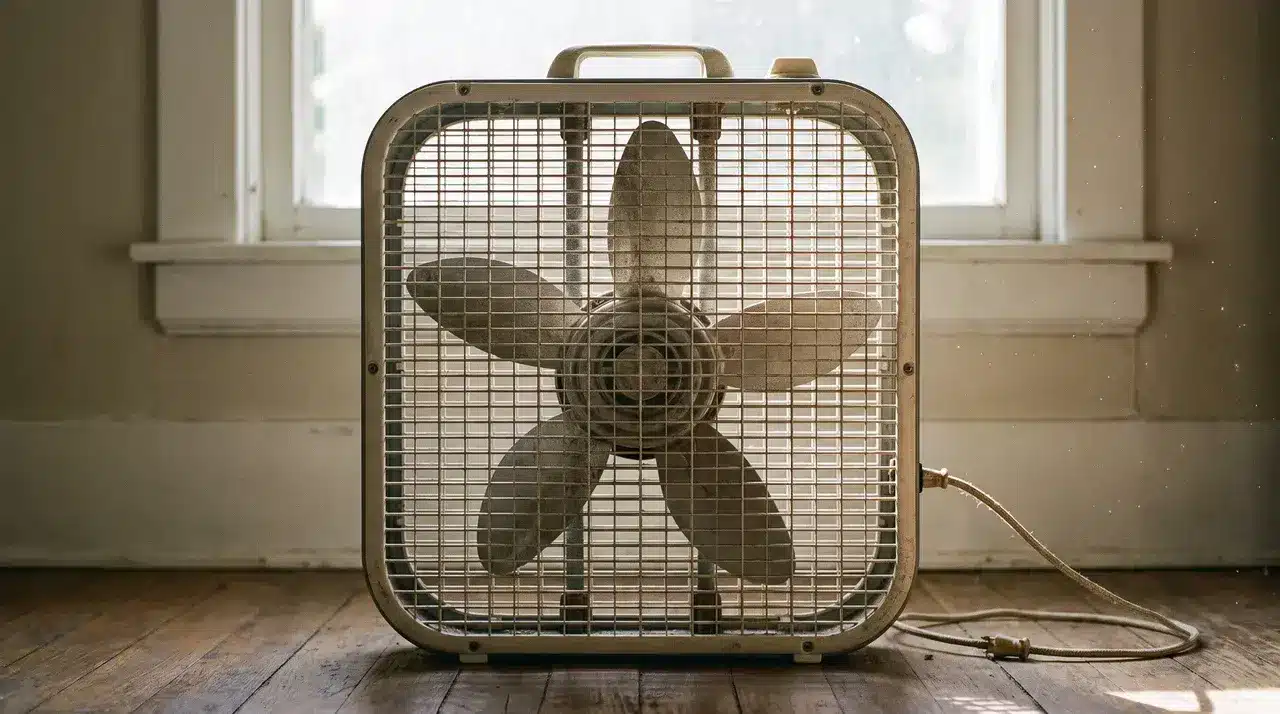
Box fans and floor fans pull a large volume of air through their grilles, so they pick up dust, pet hair, and debris quickly. Most come apart easily with just a screwdriver.
Full Disassembly:
- Unplug the fan and move it to a well-lit spot.
- Remove the screws or release the clips on the back grill.
- Vacuum the exposed blades and motor housing with a brush attachment.
- If the blades detach, soak them in warm soapy water for a few minutes.
- Wipe clean with a cloth, rinse, and dry fully.
- Wash both grills with soapy water, rinse, and let air dry.
- Reassemble only when all parts are fully dry.
Without Taking It Apart:
- Vacuum the front and back grills with a brush attachment.
- Use compressed air through the grill slots in short bursts.
- Wipe the outer casing with a damp cloth.
- Use a thin paintbrush on stubborn dust inside the slots.
3. Tower Fan
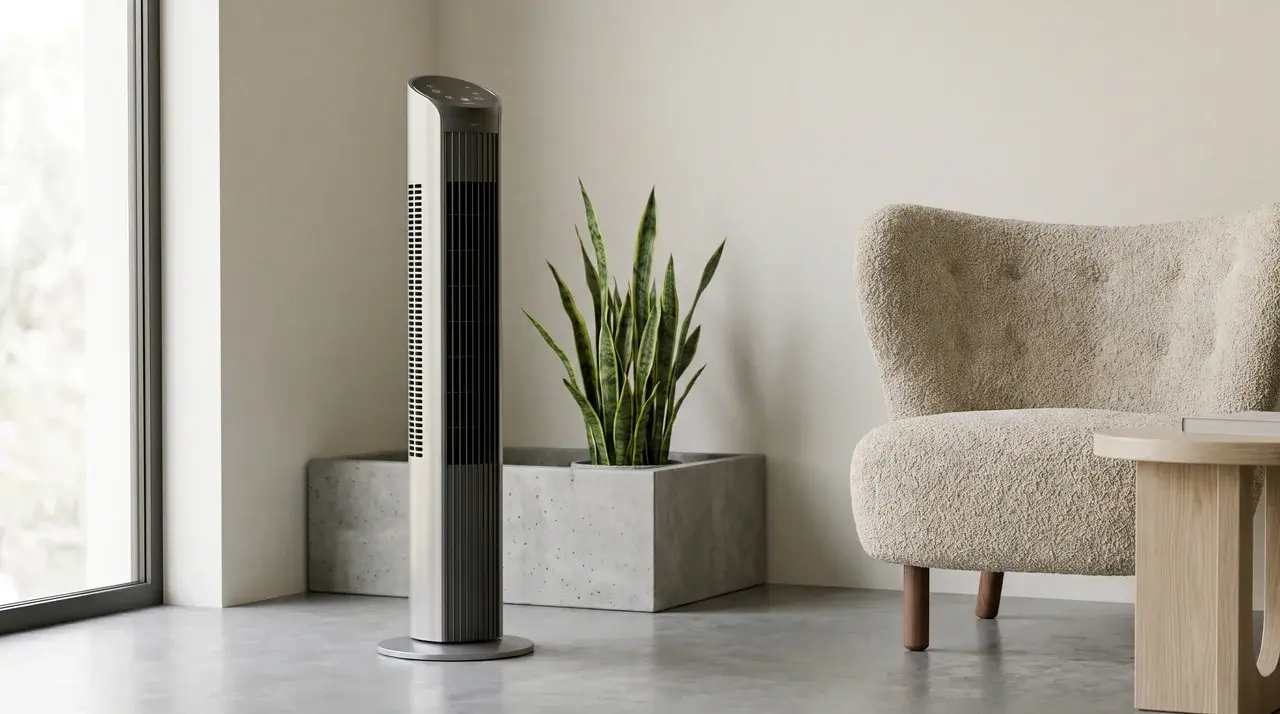
Tower fans have a sealed design that hides the blades inside, so they look clean even when they are not. The interior slats collect dust fast and need regular attention to keep airflow strong.
Quick Clean:
- Unplug the fan and lay it on its back.
- Vacuum the outer vents and slats with a brush attachment.
- Spray compressed air into the slats in short bursts until dust stops blowing back.
- Wipe the exterior with a damp microfiber cloth.
- Let it dry before standing it upright again.
Deep Clean with Panel Removal:
- Check your owner’s manual to confirm the panel can come off.
- Unplug the fan and lay it flat on a surface.
- Remove the front panel screws with a screwdriver.
- Vacuum the interior blades and motor housing.
- Use compressed air on any hard-to-reach spots inside.
- Wipe the panel with a damp cloth on both sides.
- Reattach the panel and do not over-tighten the screws.
4. Pedestal or Stand Fan
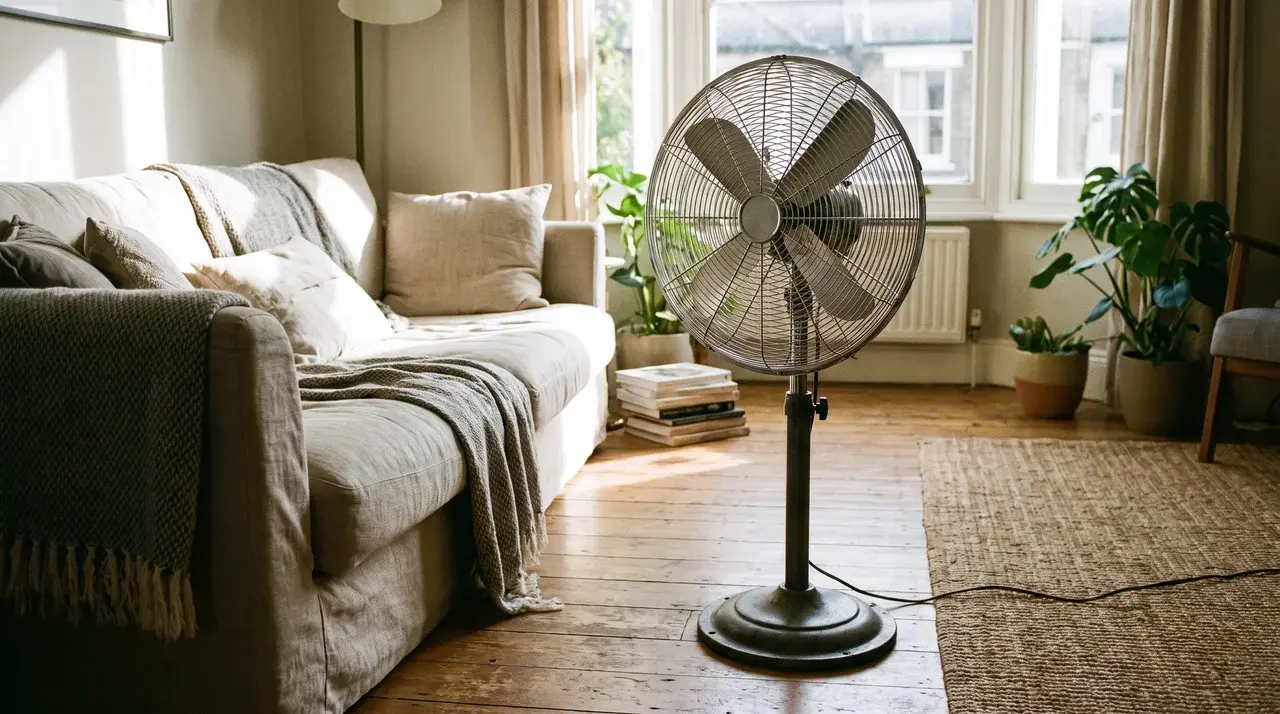
Pedestal fans sit at eye level, so you notice dust buildup right away. The cage on most models unclips in seconds, giving you quick access to the blades for a full clean.
- Unplug the fan.
- Unclip or unscrew the front cage and remove it.
- Slide the blade off the motor shaft.
- Wipe the blade on both sides with a damp microfiber cloth.
- Wash both cage sections in warm soapy water and rinse well.
- Vacuum the motor vents with a brush attachment.
- Wipe the stand and base with a damp cloth.
- Let all parts dry before reassembling.
Quick Clean Option: If you do not have time to take it apart, use a vacuum brush on the cage surface. Then slip a damp pillowcase over the cage and run it around the outside. This pulls dust from the blades without removing anything.
5. Bathroom Exhaust Fan
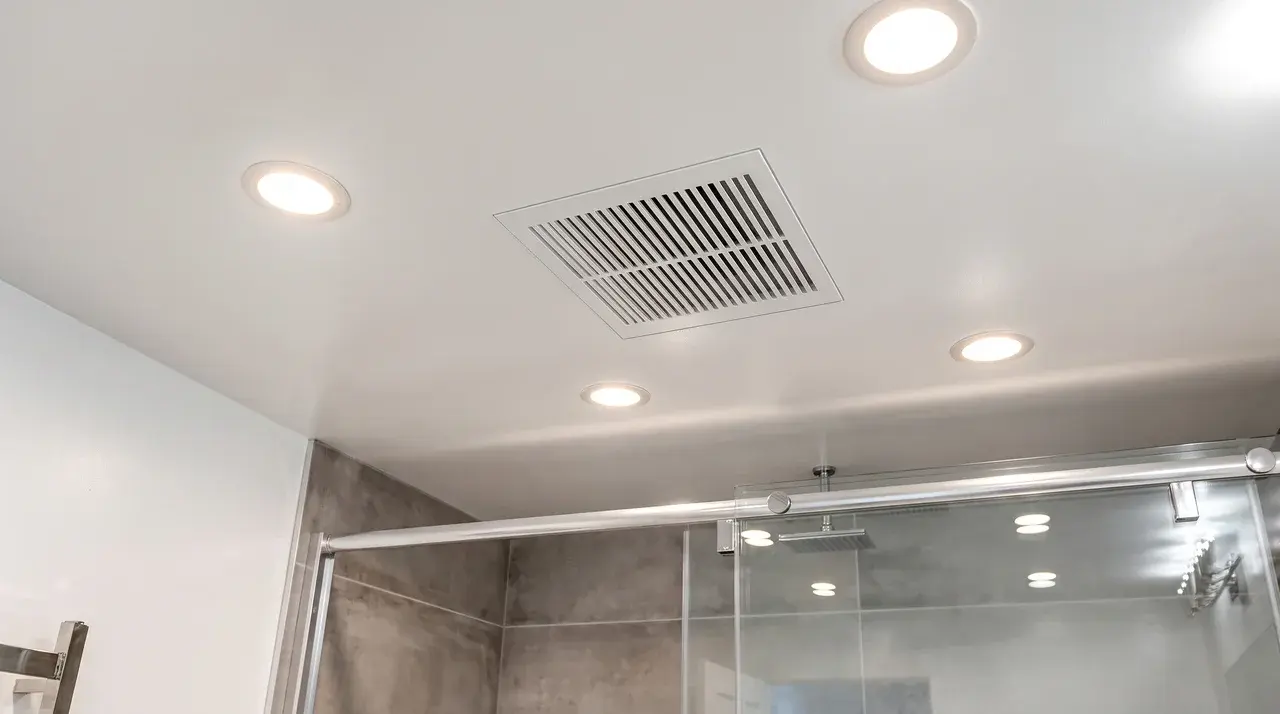
Bathroom and Kitchen exhaust fans deal with moisture, soap particles, and heavy daily use. That combination creates sticky buildup fast, and skipping cleans can lead to mold forming inside the housing.
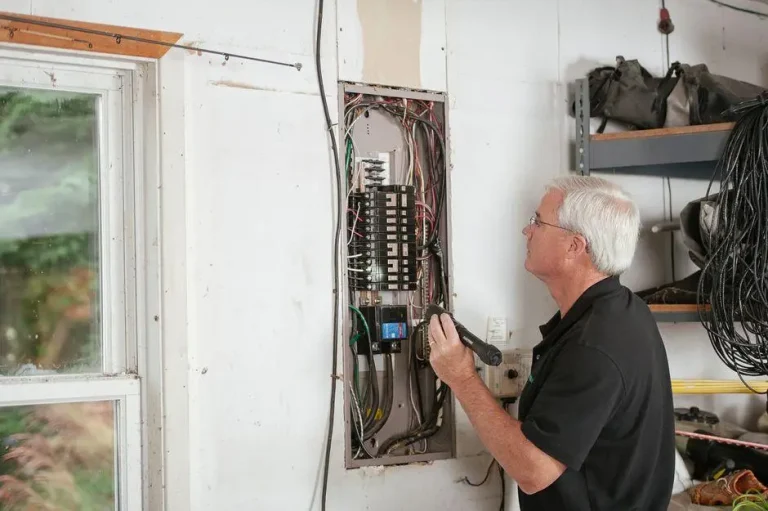
- Turn the fan off at the circuit breaker, not just the wall switch.
- Pull the vent cover down and squeeze the clips to release it.
- Wash the vent cover in warm soapy water, rinse, and set aside to dry.
- Vacuum the fan blades inside the housing with a brush attachment.
- Wipe the inside of the housing with a barely damp cloth.
- Apply a thin layer of car wax to the dry vent cover before replacing it. This slows future buildup.
- Snap the cover back and restore power at the breaker.
Why this matters: Bathroom fans vent moisture out of your home. A clogged fan cannot do that job. Over time, poor ventilation can encourage mold growth, not just inside the fan but in the walls and ceiling around it.
How Often Should You Clean a Fan
How often you clean depends on the type of fan and how much you use it. Fans in high-traffic areas or pet-heavy homes need more frequent attention.
Use this schedule as your starting point and adjust based on your home.
| Fan Type | Quick Dust | Deep Clean |
|---|---|---|
| Ceiling fan | Monthly | Every 3 months |
| Box or floor fan | Every 4 to 6 weeks | Every 2 to 3 months |
| Tower fan | Every 4 to 6 weeks | Every 2 to 3 months |
| Pedestal or stand fan | Every 4 to 6 weeks | Every 2 to 3 months |
| Bathroom exhaust fan | Every 3 months | Twice a year |
Pro Tip: If you have pets or allergies, clean your fans more often. Fans near doorways or pet resting spots collect dust significantly faster than those in the center of a room.
Mistakes to Avoid While Cleaning a Fan
Cleaning a fan the wrong way can cause more damage than skipping the clean altogether. Keep these off your list.
- Using too much water near the motor housing. Even a small amount can cause rust or short the motor.
- Spraying cleaning products directly onto the fan. Always apply liquids to your cloth, not the fan.
- Reassembling before all parts are fully dry. Trapped moisture leads to mold and motor damage.
- Using high-pressure water or hosing the fan down. This damages internal components and affects performance.
- Over-tightening screws during reassembly. This can crack plastic casings on box and tower fans.
- Skipping the dry vacuum pass before wet cleaning. Water turns dry dust into muddy paste that is far harder to remove.
Frequently Asked Questions
How Do You Clean a Fan without Taking It Apart?
Use a vacuum brush on the grill, follow with compressed air through the slats, and wipe the outside with a damp cloth. This works well for most fan types between full deep cleans.
Can You Wash Fan Blades with Water?
Yes, on most fans. Remove the blades first and wipe them with a damp cloth or rinse in soapy water. Never get the motor housing wet. Dry everything fully before reassembling.
Why Does My Fan Smell After I Clean It?
A musty smell after cleaning usually means moisture got into the motor area or the parts were not fully dry before reassembly. Run the fan on low in a ventilated space for a few minutes to help it dry out.
How do I Slow Down Dust Buildup on My Fan?
Store the fan in a sealed bag between seasons, do a quick vacuum pass every two weeks during use, and keep the fan away from dusty areas or spots where pets rest.
Can a Dirty Fan Make You Sick?
It can make symptoms worse if you have allergies or asthma. A dirty fan pushes dust, pollen, and pet dander into the air, which irritates airways. Regular cleaning reduces this risk.
Wrapping Up
Cleaning your fan is one of the easiest home tasks to skip, and one of the easiest to do. A clean fan moves more air, runs more quietly, and stops spreading dust around your home.
The core steps are the same for every type. Unplug it, remove what you can, vacuum and wipe, dry fully, and put it back together.
Stick to a regular schedule, and your fan will stay in good shape all year. If your fan sounds louder or pushes less air than it used to, that is your sign to clean it today.