
What Is Boundary-Based Decorating and Why It Works

Houses give more than just a roof over one’s head. Mostly, they determine how people meet, entertain, and work. If, for example, the space is arranged in a certain way, it can help one develop good habits, but it can also cause stress, interruptions, and a lack of organization.
One interior design approach that uses aesthetic features to show desired behaviors or expectations and introduce discipline in a shared setting is creating boundaries through decor. The method does not involve controlling one’s behavior directly but rather through providing clear physical and visual cues that make it easier for people to navigate and move through the spaces.
Understanding Boundary-Based Decorating
Boundary-based decoration is a way of planning and equipping a home such that areas are divided by furniture arrangement, storage systems layout, etc. These boundaries not only separate people visually but also separate them by function. Boundaries, as a tool, are a support rather than an obstructive measure to human interactions.
Those truly interested may go deeper on ethical questions, influence limits, and wise personal power use. Occasionally, they might resort to consulting a dark psychology book as a tool to distinguish between healthy boundaries and manipulative behavior in human interaction. When one decorates the interior, the main idea is to be open and respectful, rather than to be domineering.
How Physical Cues Reduce Interruptions
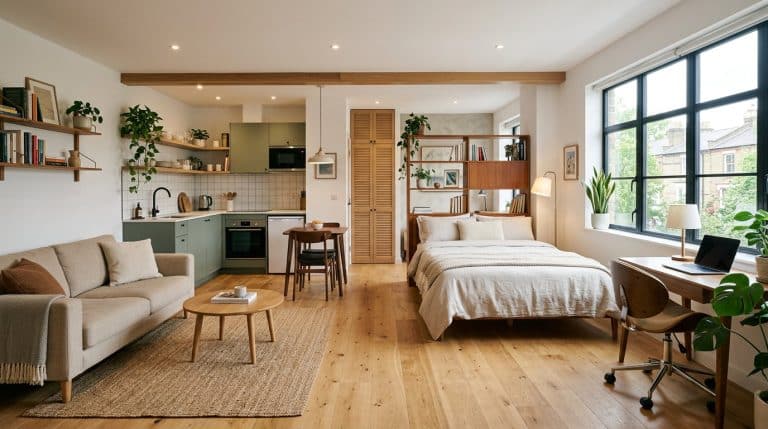
Most homes cope with disturbances at one point, mostly when household tasks are done inside, like work, study, or hobbies. Decorating with boundaries is a creative way of showing others the physical space you are going to use for concentration by giving a visual cue.
Such a boundary could be a screen separator, a row of books, or just a table and chairs where you spend time on work or studies. The main idea is to let others know the place has a function or is being used for something particular. If people are told visually, they usually understand that they are not supposed to talk or make a disturbance.
Preventing Clutter From Spreading
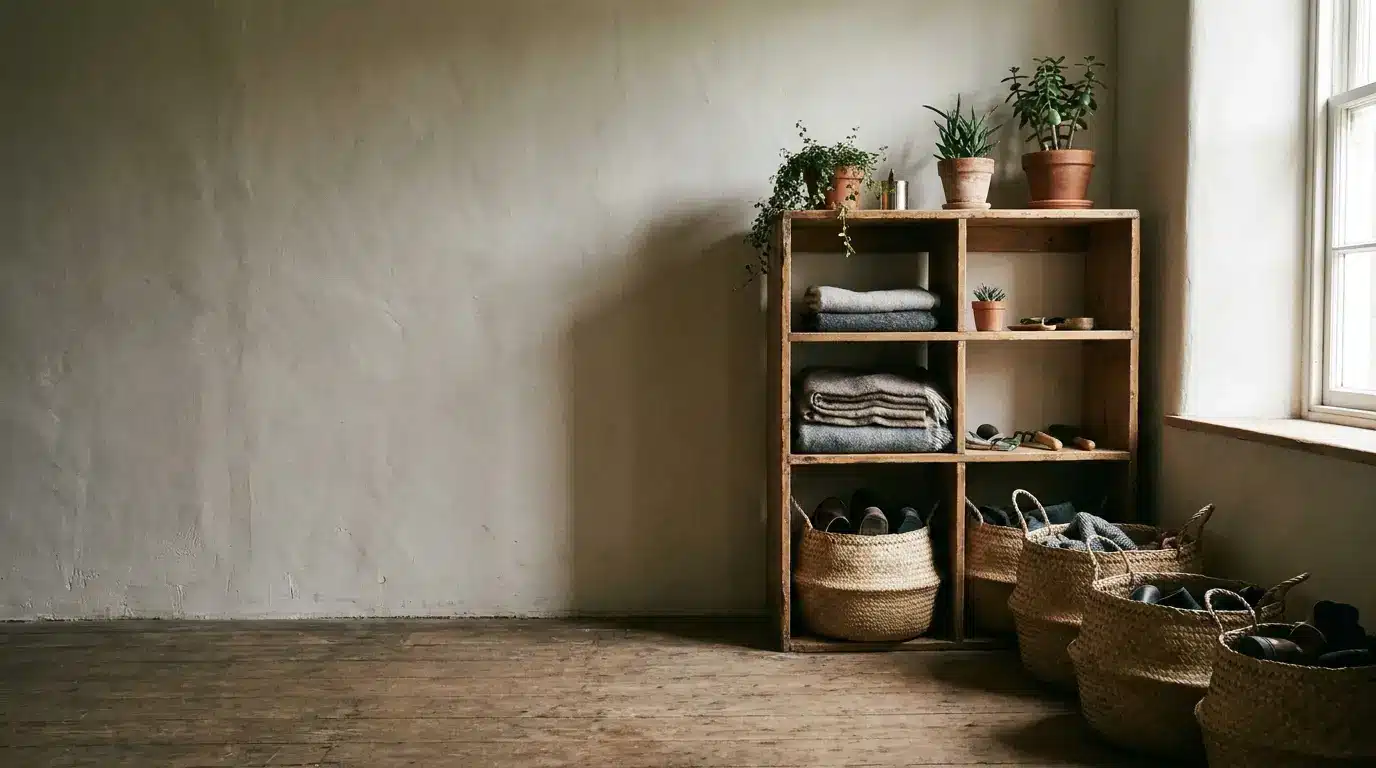
A mess usually grows when personal items do not have an assigned place. A boundary-based decorating plan is a technique that helps avoid this problem by clearly allocating storage and activity zones.
Using baskets close to the entrance area, you might be able to indicate that shoes are not to be kept somewhere else in the house. At the same time, a shelving system might be ideal for segregating professional materials from home goods. With very clear places for putting away things, there should not be a reason to dump stuff anywhere the room is big enough for it. Eventually, you’ll find that the house looks and stays cleaner.
Supportive Boundaries Versus Controlling Design
Different boundaries cause different effects. On one side, a well-thought-out and supportive limit could be very useful because it indicates to people what a certain area is supposed to do.
The sole aim of a restrictive design, then, is to make people behave in certain ways by limiting them through the use of such designs, without the slightest possibility of being changeable or adaptable. By way of example, a supportive design could provide an area where quiet reading is done or a workstation where the person is expected to get into the mood of working. A controlling design, however, might leave the person very much confined or even restrict their own interests.
Practical Examples Around the Home
Borders in decorating work for any space, whether the room is a large living room or a small one. You’ll often be amazed by how much can be done with the least.
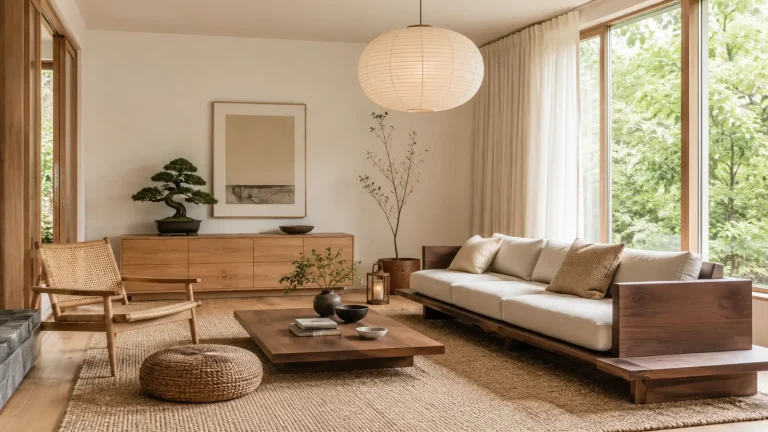
The space between the house and the outside can be very much a space through the use of the staging area of the mudroom. You can easily change the room from work to leisure without making permanent structures by using privacy screens. You may also use area rugs, lights, and furniture positions to set apart parts of a space without a wall.
A Simple Starter Checklist
Decorating with the boundary method doesn’t mean throwing away all current furniture and redesigning the room. A few small alterations can really alter a home’s vibe and utility.
The first step is finding which parts are most frequently affected by distractions, messiness, or disorientation. Then, you have to create some visual guides that mark off the areas. These can be furniture groupings, room separators, and storage points.
Why This Approach Continues to Grow
If the various uses of the house go beyond the typical to include multiple tasks, then it might not be so surprising anymore that having some form of clear boundaries is so valued nowadays. People seek places that can help them with their work, provide relaxation, and yet maintain a sense of connection without always having to deal with conflicts or feeling confused.
The decorating style that emphasizes boundaries is a practical tool for reaching that equilibrium. Designers carefully pick out colors, shapes, and materials that serve the same purpose – to set boundaries – so that a household can minimize stress and foster harmony in the living atmosphere. Ultimately, one gets a living space that they not only identify functionally but also feel warm and welcoming.