
Eco-Friendly Roofing: A New Trend in Sustainable Living

Homeowners are looking for ways to reduce their environmental impact. Upgrading your roof with sustainable materials is a smart path forward. This choice helps protect the planet and lowers monthly utility costs. Let’s explore how green roofing can transform your living space.
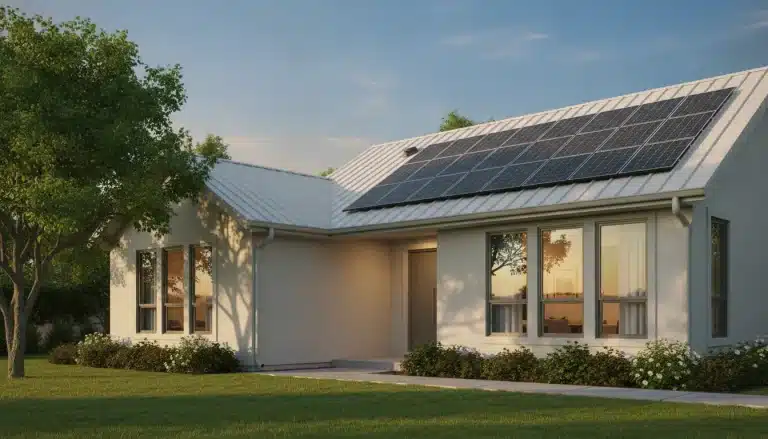
Modern housing trends favor solutions that combine durability with ecological care. A proper roof shielding your family can do much more than shed rain. It can harvest solar power or keep your interior cool naturally.
The Green Roofing Movement Takeoff
Many property owners want to reduce their carbon footprint through smart construction. Hiring a professional roof repair company makes it easier to evaluate durable options for your home. These experts can assess your current structure and suggest sustainable alternatives.
Traditional building methods often rely on materials that wear out quickly. This frequent replacement cycle hurts both your wallet and the local ecosystem. Shifting toward modern green solutions provides a sturdy shield that lasts for decades.
Combatting Landfill Waste With Better Decisions
Standard asphalt shingles have been the default choice for decades. These materials are cheap to install, but they carry a high environmental cost. They do not decompose easily, meaning they sit in municipal dumps for centuries.
A well-known consumer finance and lifestyle outlet reported that about 11 million tons of asphalt shingles end up in landfills every single year. This massive waste issue is a major reason homeowners are looking for recyclable choices. Selecting long-lasting materials helps prevent this mounting trash problem.
When you choose products that can be melted down or repurposed later, you protect local soil. Recyclable alternatives offer the same level of weather protection without the long-term waste. This simple shift in mindset makes a massive difference for local communities.
Many local governments are now encouraging residents to move away from single-use shingles. Some areas even offer special trash disposal discounts for green builders. Making a responsible choice now keeps our shared environment cleaner for future generations.
The Power of Solar Shingles
Traditional solar panels can look bulky and disrupt the clean lines of your house. Solar shingles offer a sleek alternative that blends directly into your roofline. They protect your home from rain and actively generate electricity.
According to an online home renovation cost guide, solar tiles can produce enough clean energy to cover all of a normal household’s electrical needs. These modern shingles look great, but their initial purchase price remains quite high. Homeowners must balance this initial cost against the lifetime of free power they will receive.
Generating your own power means you rely less on local utility companies. This self-reliance keeps your household running smoothly during local power outages. It is a smart way to gain energy independence as you cut your monthly expenses.
As manufacturing processes improve, these solar systems are becoming more accessible. Many banks now offer specialized loans for green home upgrades. Investing in this technology can pay off handsomely over the years.
Cool Roof Technology Explained
Standard dark roofs act like giant sponges for the sun’s intense heat. They absorb solar radiation and transfer that warmth directly into your attic. This makes your air conditioning system work much harder than necessary.
A leading architectural and design publication shared that cool roofs can bounce back as much as 80% of sunlight. This keeps residential buildings much cooler when summer temperatures spike. You will notice a big difference in how comfortable your upper floors feel.
A federal energy efficiency program pointed out that certified products can cut a building’s peak cooling demand by up to 15 percent. This drop in demand helps prevent blackouts on hot afternoons. It keeps the entire power grid safer and more stable.
These roofs use highly reflective paints, special shingles, or light-colored tiles. They are particularly useful in hot climates where summer feels endless. Installing one is a direct way to fight rising energy costs.
Living Green Roofs and Natural Insulation
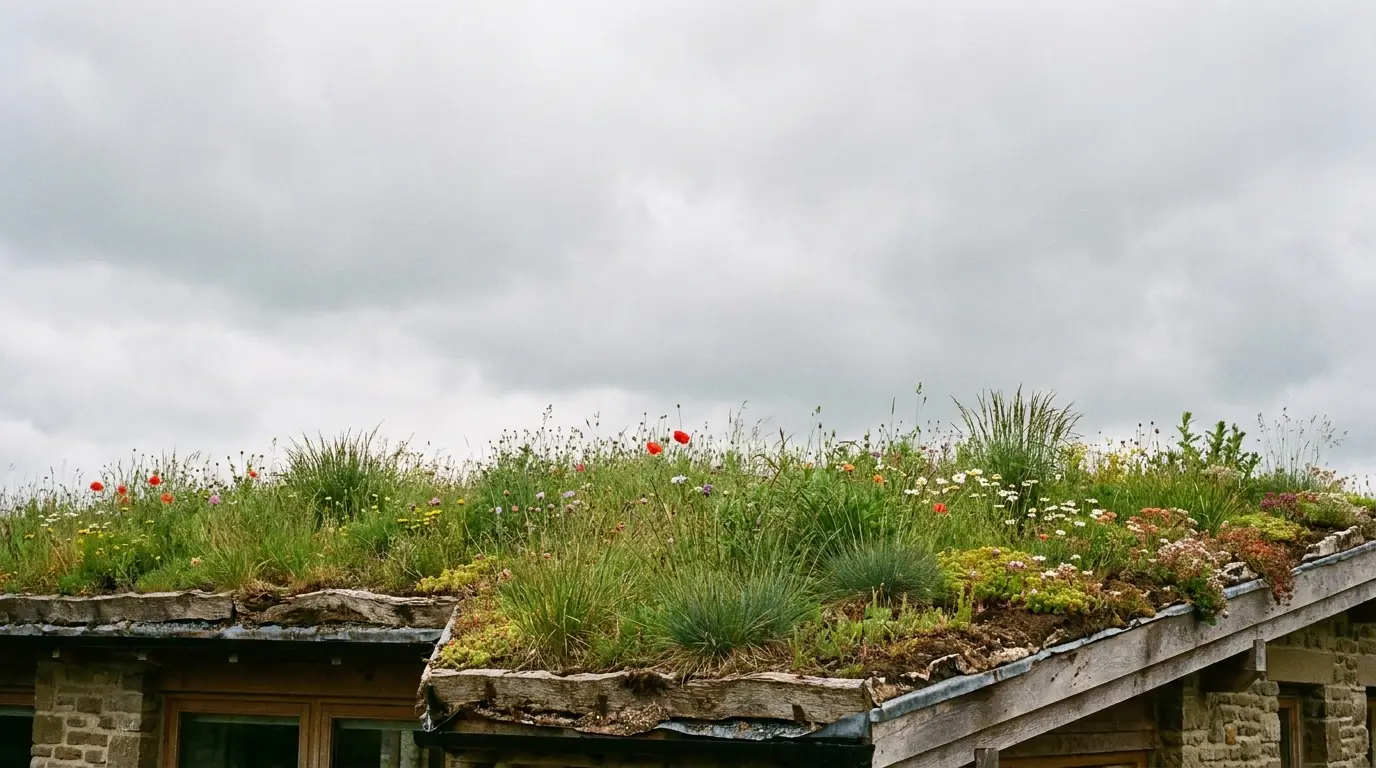
Imagine looking up at your house and seeing a thriving garden of grasses and flowers. Living roofs are gaining popularity in both urban and suburban areas. They replace cold, hard shingles with a layer of soil and growing plants.
An authority on DIY home repairs noted that a green roof can cut home energy bills by 15 to 20 percent compared to standard asphalt roofs. The plant layer acts as a natural shield against temperature swings. This keeps your indoor climate steady throughout the changing seasons.
These natural systems filter rainwater and reduce local runoff. They absorb heavy downpours that would otherwise flood local storm drains. Here are some of the key benefits of adding plants to your rooftop:
- Green roofs absorb rainwater naturally.
- Plants provide an excellent thermal barrier.
- Wildlife finds a safe habitat.
- Urban heat island effects decrease.
- Roof lifespan increases with soil.
Maintaining a living roof requires some dedication and structural support. The weight of wet soil means your home must have a strong foundation. Speaking with a qualified builder is a smart first step before planting.
The Long Life of Recycled Metal
Metal roofing has come a long way from the rusty tin sheets of the past. Today’s options are sleek, stylish, and incredibly durable. They come in many colors that can match any architectural style.
A prominent home improvement platform reported that metal roofs built from recycled steel can last up to 50 years. This long lifespan makes them a top choice for sustainable construction. You will likely never need to replace your roof again.
These systems are fully recyclable when they reach the end of their usefulness. They do not contribute to the growing pile of construction waste in our dumps. That makes them a truly circular product for eco-conscious homeowners.
Metal reflects solar heat, which helps lower your cooling bills. It is lightweight, putting less stress on your home’s framing. This combination of strength and efficiency is hard to beat.
Natural Clay and Slate Materials
Clay and slate are some of the oldest roofing materials in human history. They offer a classic, elegant look that never goes out of style. Many historic buildings still feature their original tile systems.
A digital resource for lawn and home care stated that clay and slate offer natural insulation and can last for a full century. When these 100-year lifespans end, the materials are completely recyclable. This makes them an incredibly low-impact choice across generations.
These tiles resist fire, rot, and insect damage without any chemical treatments. They hold up well against heavy winds and severe winter weather. Their natural weight means they require a sturdy home frame to support them.
The upfront cost of slate can be higher than other materials. The long-term value is undeniable when you factor in the lack of replacements. It is a true investment in the future of your property.
Giving Tires a Second Life on the Roof
Discarded tires are a major environmental hazard in dumps worldwide. They catch fire easily and collect water, which attracts breeding insects. Finding creative ways to reuse this rubber is a priority for green engineers.
An industry blog focused on sustainable building explained that rubber roofing made from old tires resists hail impact beautifully. This clever material choice keeps millions of tires out of our waste systems. It transforms a problematic waste product into a highly durable home shield.
These rubber shingles can mimic the look of slate or wood shakes. Neighbors will likely never guess your beautiful roof used to roll down the highway. It provides great sound insulation, keeping your home quiet during heavy rainstorms.
The flexibility of rubber prevents it from cracking during freezing weather. It is highly resistant to mold and moisture damage. This makes it an excellent choice for wet or unpredictable climates.
Financial Benefits of Sustainable Upgrades
Many people assume that going green always costs more money. The initial price of sustainable materials can be high, but the long-term savings are significant. You must look at the complete picture of homeownership costs.
Lower utility bills are just the beginning of your financial returns. A durable roof means you will spend far less on repairs and spot patches. Here are some of the ways these green investments save you money:
- Utility bills drop very quickly.
- Home resale values climb higher.
- Insurance premiums often decrease significantly.
- Local tax credits offer savings.
- Maintenance costs remain very low.
Buyers are increasingly willing to pay a premium for efficient homes. A certified green roof is a major selling point if you decide to move. It shows that you have maintained the property with care and forward-thinking design.
Understanding the Carbon Footprint of Materials
Evaluating how your roofing materials are manufactured is crucial. Some products require vast amounts of fossil fuels to manufacture and transport. Truly green choices have a low carbon footprint from production to installation.
Locally sourced clay or slate tiles reduce the emissions caused by shipping. Using recycled rubber or steel keeps raw materials in use and reduces industrial processing. This circular approach is the gold standard of modern building.
Evaluating the lifetime carbon cost helps you make a truly sustainable choice. A roof that lasts 50 years offsets its manufacturing emissions many times over. It is a long-term win for your family and the global environment.
Impact of Roof Color on Urban Climates
Cities are often several degrees warmer than surrounding rural areas. This phenomenon is known as the urban heat island effect, and dark roofs are a major cause. They soak up heat all day and release it into the night air.
Light-colored and reflective surfaces help cool down entire neighborhoods. When many homes in an area make the switch, local temperatures drop. This reduces the need for air conditioning across the whole community.
Cooler neighborhoods are safer for vulnerable residents during severe heatwaves. It is a simple way to protect your neighbors and improve your own home. Your choices have a positive ripple effect on the world around you.
Rainwater Harvesting and Roof Design
Water conservation is a growing concern for homeowners in arid regions. Your roof is a massive collection surface that can funnel clean rainwater into storage tanks. This water can then be used to irrigate your lawn and garden.
Certain sustainable materials are better suited for water harvesting than others. Metal and slate do not shed chemicals, making the collected water safer for plants. Traditional asphalt can leach toxins, rendering the runoff unusable.
Using collected rainwater reduces your reliance on municipal water systems. It is a smart way to keep your garden green during dry summer spells. This practice saves money and conserves a precious natural resource.
Choosing the Right Sustainable Option
Every home has unique needs based on its structure and local weather patterns. A solar shingle system might be perfect for a sunny plains state but less ideal for a heavily shaded forest home. You must evaluate your local climate before making a decision.
Heavy slate tiles require a structure that can support their immense weight. If your home was built for light asphalt, you might need to reinforce your rafters first. Consulting with a structural engineer can help you avoid costly mistakes.
Your local homeowners association might have rules about roof colors and materials. It is wise to review these guidelines before signing any contracts. Finding a balance between ecological goals and neighborhood rules is key.
Budget is another major factor to weigh during your decision-making process. Some options have a high upfront cost but require almost zero maintenance. Others are cheaper to install but will need more attention over the decades.
Stepping Into a Greener Future
Making the transition to sustainable roofing is a powerful choice. It represents a commitment to protecting the environment and preserving natural resources. This choice brings peace of mind and builds a stronger future for your family.
By selecting durable, eco-friendly materials, you protect your home against the elements. You reduce waste in landfills and lower your energy footprint. It is an investment that pays dividends for both your wallet and the earth.
Making the switch to an eco-friendly roof is a powerful way to support the planet. It protects your household and saves money over the years.
If you’d like to learn more, check out more articles on our blog. Looking for more tips and ideas? We’ve got you covered. Check out some of our other posts now.