Essential Tips for Safe and Environmentally-Friendly Tree Pruning

Trees bring beauty and shade to our outdoor spaces. Proper maintenance keeps them strong and attractive for years. Pruning is a key part of caring for your green canopy. Neglecting this chore can lead to safety hazards and poor growth.
Correct techniques prevent disease and support healthy growth patterns. This guide offers practical methods to trim branches safely and sustainably. You will learn how to protect your green investments and keep your yard safe.
Understanding the Goals of Canopy Maintenance
We prune trees to maintain structural integrity and remove deadwood. This practice allows sunlight to reach lower branches. It keeps the entire structure balanced and prevents unexpected limb failures. Strong winds can easily break weakened branches.
An annual upkeep routine can help minimize pest infestations and diseases, plus it promotes a much larger, more consistent, and higher quality harvest. Regular care supports the long-term survival of your garden plantings. You can easily spot issues before they spread to nearby vegetation.
Regular trimming improves the airflow through the branches. This reduced wind resistance protects the trunk during severe summer storms. It prevents the tree from catching heavy winds like a sail and blowing over. Better air circulation reduces fungal growth on damp leaves.
Utilizing Professional Services
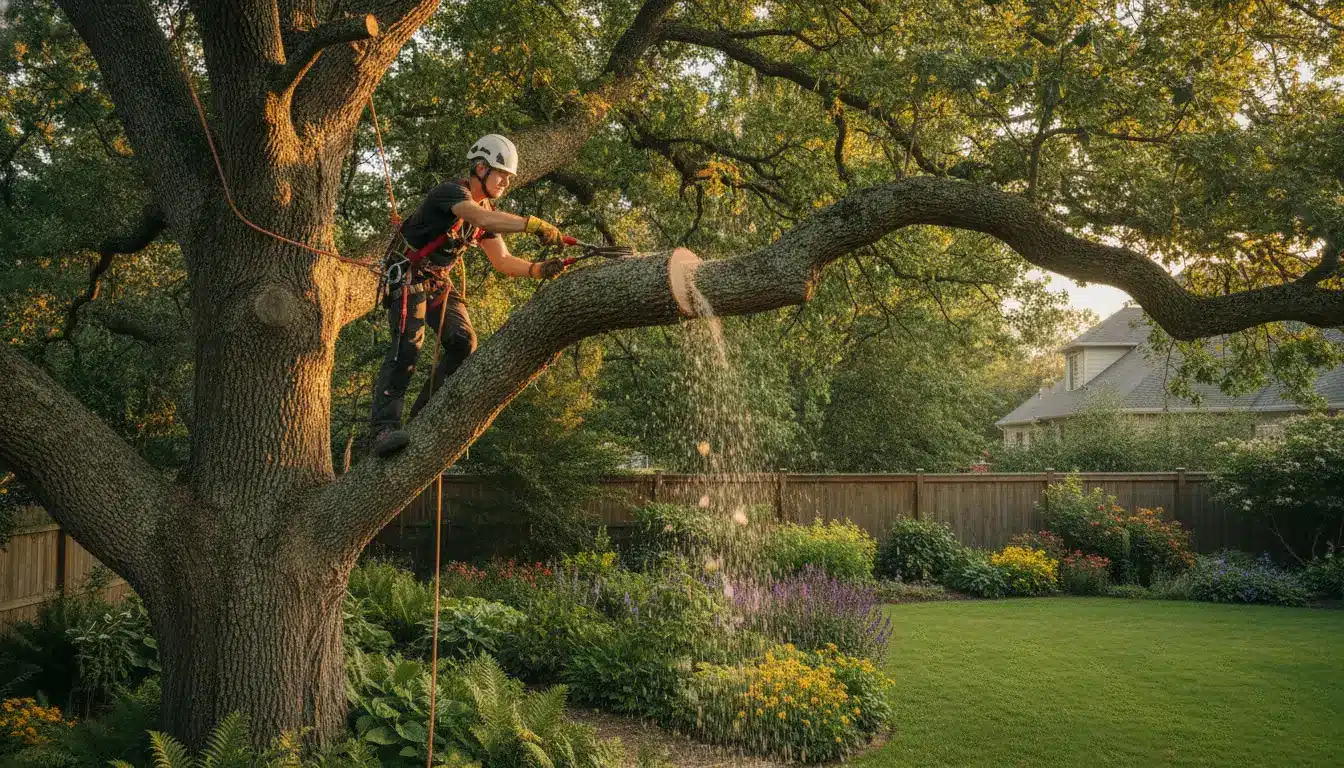
Pruning tall branches can present severe safety hazards for average homeowners. It is wise to hire certified tree trimming services when dealing with massive limbs near power lines. Experienced crews possess the specialized rigging gear needed to complete these tasks without damaging your property.
Safety gear and training prevent dangerous falls and costly property damage. Specialists understand the growth habits of different regional species. They can identify structural weaknesses that untrained eyes might easily miss. They use climbing ropes and harnesses to stay secure.
Professional crews use clean disposal techniques. They turn large limbs into mulch for your garden beds. This practice recycles nutrients back into the local soil. Mulch protects root systems from extreme ground temperatures.
Timing Your Pruning for Optimal Tree Health
Timing is a critical factor in green space maintenance. Most local species benefit from cuts made during the colder months of the year. Trees remain dormant during this period, which minimizes stress on their systems. Cold air slows down the activity of harmful pathogens.
Dormant cuts prevent sap loss and reduce the risk of attracting wood-boring insects. The absence of foliage allows you to see the branch structure clearly. This visibility helps you make precise decisions about which limbs to remove. You can easily spot rubbing or crossing branches.
Some trees bleed heavy sap if cut in the late winter. Maples and birches are famous for this weeping habit. This sap loss does not harm the tree, but it can look messy.
Selecting Proper Tools for Clean Cuts
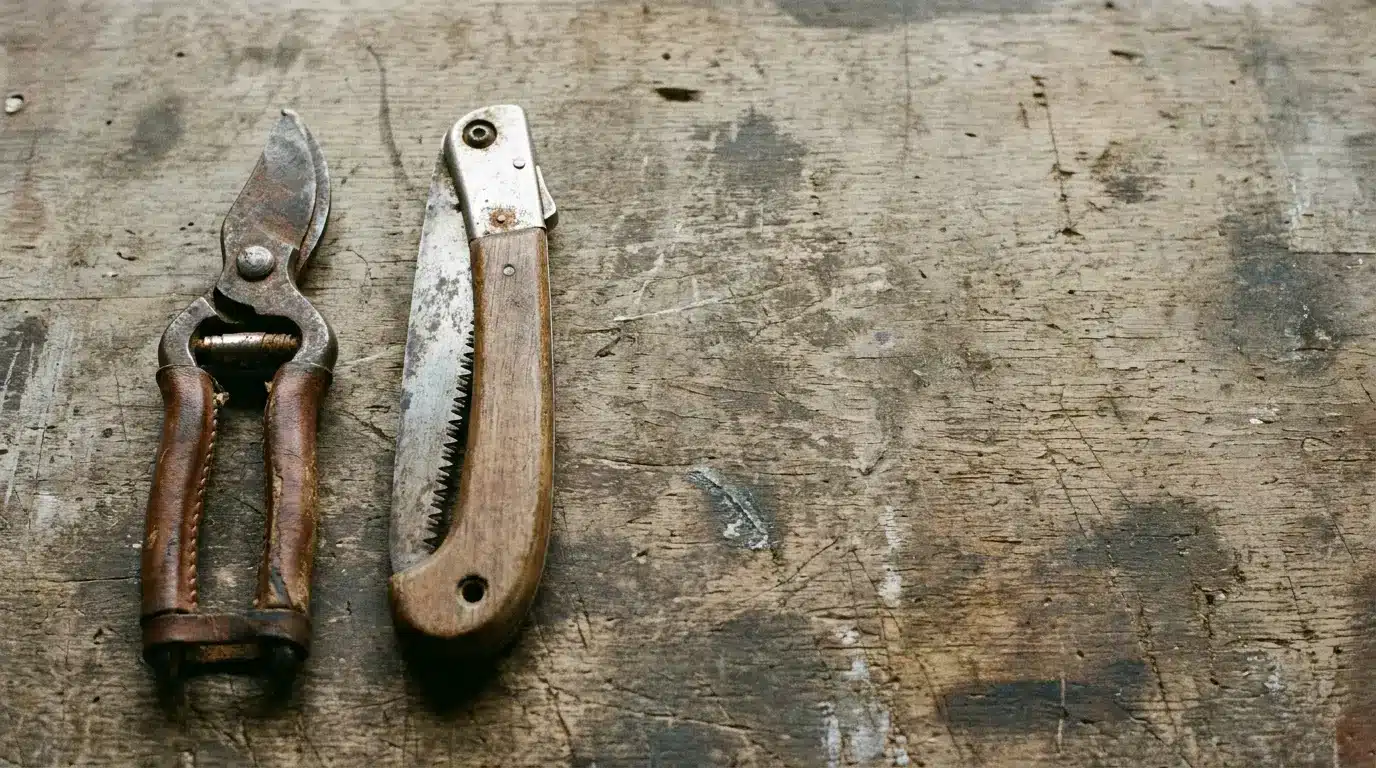
Using the correct tools is necessary for clean cuts that heal quickly. Dull blades crush plant tissue instead of slicing through it cleanly. Ragged wounds invite fungal infections and slow down the recovery process. Sharp tools make the physical labor much less tiring.
You should clean your equipment before moving between different plants. Rubbing alcohol or a mild bleach solution sterilizes the blades. This simple step prevents the transmission of pathogens across your yard. Clean tools last much longer and resist rust.
Anvil pruners are best for dry, dead wood. Bypass pruners work like scissors and are perfect for living stems. Choosing the correct blade type makes your work much easier.
Having the proper equipment on hand makes the task much safer. Let’s list the key tools needed for successful pruning:
- Hand pruners for small twigs
- Loppers for medium branches
- Pruning saws for larger limbs
- Pole saws for reaching high
Safe Techniques for Removing Large Branches
Removing heavy limbs requires a systematic approach to protect the main trunk. Cutting a branch straight down often causes the wood to split. This splitting can strip away large sections of bark and leave the tree vulnerable. A stripped trunk takes a very long time to heal.
According to university research, you should make 3 or 4 cuts to safely remove large branches and prevent bark tearing. This technique reduces the weight of the limb before you make the final cut. The final cut should occur just outside the branch collar.
The collar contains special chemical zones that fight wood decay. Cutting into this collar destroys the tree’s natural defense system. Leaving the collar intact allows the wound to seal over smoothly. This natural barrier is your tree’s best defense.
Leaving a short stub is a common mistake that prevents proper healing. Stubs decay slowly and provide an entry point for pests. Making the cut too close to the trunk is equally harmful. You must find the sweet spot for every cut.
Maintaining Biological Balance in Your Yard
Over-pruning can starve a plant by removing too many energy-producing leaves. Trees rely on foliage to generate food through photosynthesis. Stripping away too much canopy triggers rapid, weak growth called water sprouts. These weak sprouts break easily in minor storms.
Experts recommend removing up to 1/3 of the foliage during your yearly plant maintenance routine. Exceeding this limit stresses the root system. A stressed plant is far more susceptible to drought and insect damage.
Heavy pruning restricts the tree’s root development. The roots need sugar from the leaves to grow. Without enough foliage, the entire root system begins to shrink. A smaller root system cannot support a tall canopy.
Protecting Surrounding Soil and Wildlife
Tree care involves more than just the canopy. Falling debris can compact the soil around the root zone. Compacted soil restricts oxygen and water flow to the root system. Hard soil makes it difficult for roots to expand.
You can use plywood sheets to protect the ground from heavy equipment. Laying these sheets down distributes the weight of machinery. This simple step prevents deep ruts and preserves soil structure. Your lawn will recover much faster after the work is done.
Keeping Your Yard Safe and Beautiful
Good pruning keeps your yard safe, healthy, and beautiful. Regular care helps trees grow strong, stops problems before they start, and keeps them healthy through all seasons. Use the right tools, time your cuts well, and call a pro when you need one.
Taking care of your trees now means a better yard down the road. A healthy canopy adds value to your home and supports the environment around it.
Want to keep your trees and yard in great shape? Visit our blog for simple tips, expert advice, and helpful guides on outdoor care.