What Is Contemporary Interior Design? Key Features & Ideas

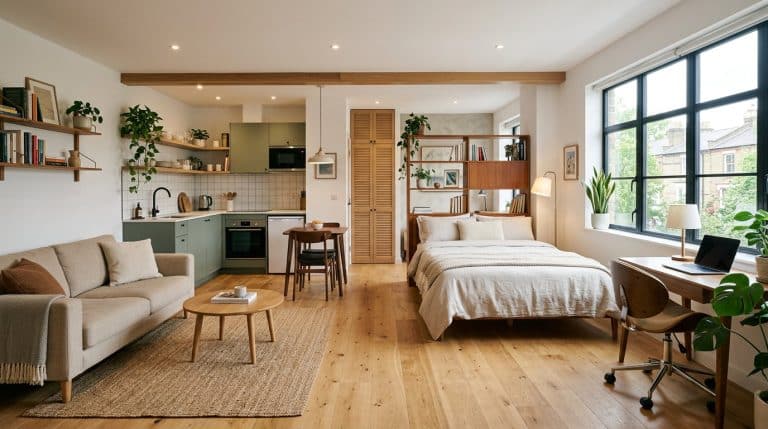
You want a home that feels current. Clean. Comfortable. Not frozen in 1960s furniture catalogs. That is what contemporary interior design looks like in practice.
This style does not follow one fixed set of rules. It shifts with lifestyles, materials, and what people actually need from their homes right now.
The terms “modern” and “contemporary” are often swapped, but they are not the same style.
This post explains what contemporary design really means, how it differs from modern, and how to bring it into your home
What Is Contemporary Interior Design?
Contemporary interior design reflects how people live right now. It combines simplicity, comfort, and function to create spaces that feel balanced and easy to live in.
Unlike styles tied to a single historical period, contemporary design continues to evolve as preferences and technology shift. A home built in this style today may look different from one designed five years ago. That is the whole point.
Homes with this look often share these traits:
- Clean, simple lines
- Functional, well-planned layouts
- Neutral or balanced color palettes
- Natural materials like wood, stone, and linen
- Comfortable, well-made furniture
- A calm, uncluttered feel
- Conscious use of natural light
- Intentional negative space around objects
The goal is not an empty room. It is a room where every piece earns its place.
The History of Contemporary Interior Design
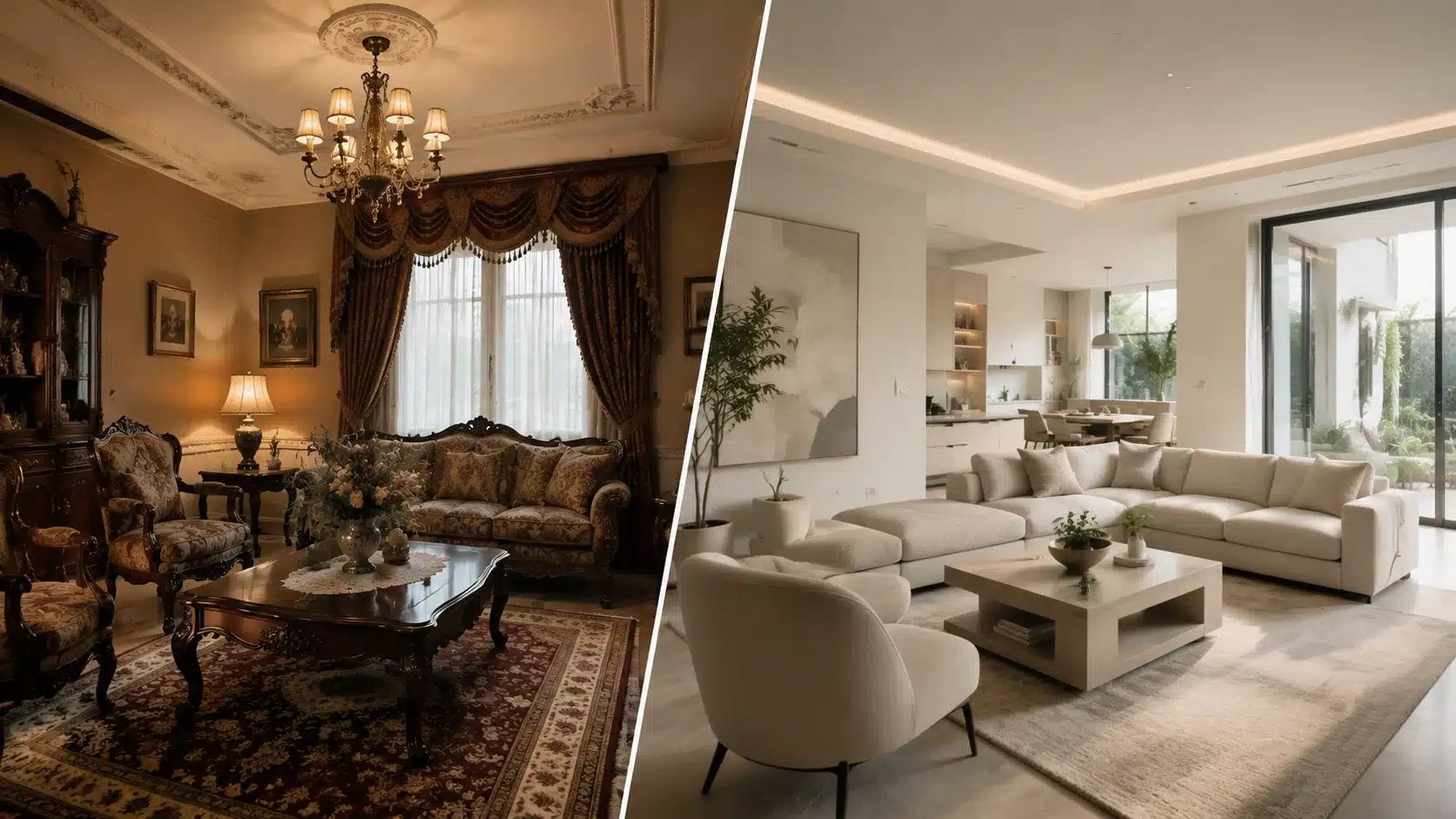
From its early beginnings to its modern interpretation, contemporary design has continuously adapted to reflect changing lifestyles. Each decade has added new elements while keeping the focus on simplicity, comfort, and functionality.
1970s: Contemporary design emerged by blending modernism, minimalism, mid-century design, and postmodern influences into a more flexible interior style.
1980s–1990s: The style evolved with more personal expression, mixing different materials, textures, and design influences.
2000s: Technology, open layouts, and innovative materials shaped contemporary interiors with a stronger focus on function.
2010s: Contemporary design became warmer and more inviting through the use of natural materials, soft textures, and neutral color palettes.
2020s–2026: The style continues to evolve with sustainable materials, curved furniture, earthy tones, and designs focused on comfort and lifestyle needs.
Contemporary interior design has never followed one fixed formula. Instead, it continues to adapt with changing lifestyles, technology, and design preferences. What started as a blend of different movements has grown into a style that balances clean aesthetics with comfort, functionality, and sustainability.
Contemporary vs Modern Interior Design
This is the confusion that comes up most often. Both styles value clean, simple spaces, but they are not the same thing.
Modern design is tied to a specific period in design history, roughly the 1920s to the 1960s. Contemporary design is not tied to any era. It reflects what feels current today, which means it keeps moving.
| Feature | Contemporary Design | Modern Design |
|---|---|---|
| Meaning | Reflects current trends | Tied to one historical movement (1920s–1960s) |
| Changes over time | Yes | No |
| Colors | Warm neutrals, earthy tones, flexible accents | Earthy, natural tones |
| Shapes | Mix of straight lines and soft curves | Clean geometric forms |
| Materials | Wood, metal, glass, stone, bouclé, rattan | Steel, glass, leather, wood |
| Overall feel | Current, warm, and flexible | Structured and timeless |
Quick takeaway: Modern design belongs to a specific era. Contemporary design shows what feels current right now.
Key Elements of Contemporary Interior Design
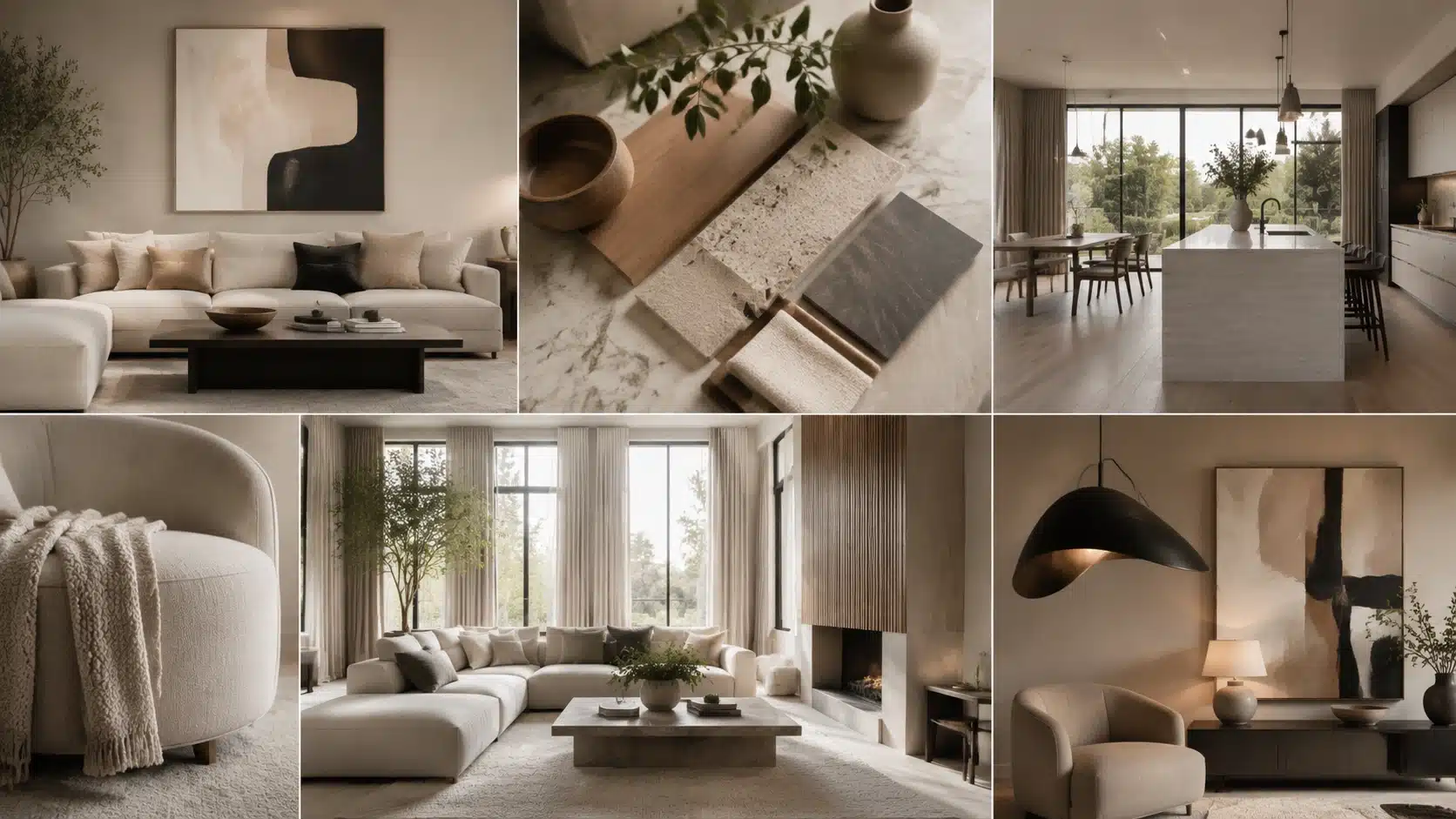
Contemporary interiors are defined by a balance between clean design, comfort, and practical living.
These key elements work together to create spaces that feel modern, functional, and inviting.
1. Neutral Color Palettes
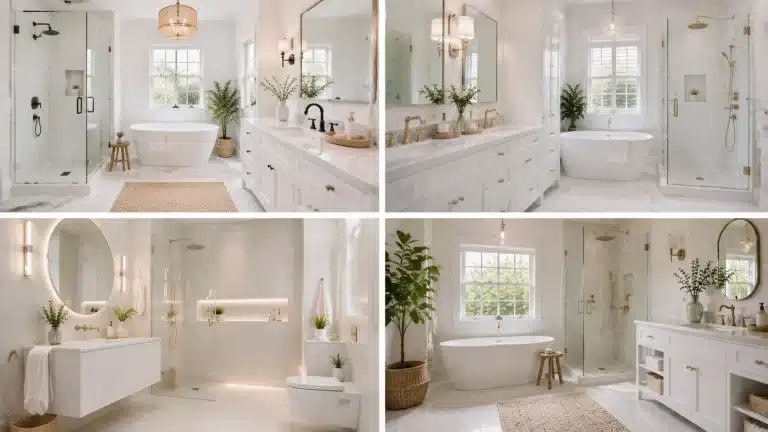
Common colors include white, warm off-white, gray, beige, taupe, and black accents. These shades form a calm foundation. Bold art, a textured rug, or a single statement chair adds personality without breaking the balance.
The shift in 2025 is away from cool grays toward warmer tones. Cream, warm beige, and soft terracotta work with this style today without feeling outdated.
2. Clean Lines and Simple Forms
Furniture silhouettes are streamlined. Cabinet hardware is minimal. Surfaces stay clear. The aim is a sense of order, not emptiness. Many designers rely on scale and proportion to keep rooms grounded, alongside a general sense of harmony that ties every piece together.
3. Natural Materials and Layered Textures
Popular materials include wood, stone, glass, metal, linen, and wool. Mixing textures is what stops a neutral room from feeling flat. A linen sofa next to a stone surface, or a wool rug under a glass table, creates depth without clutter.
Sustainable materials are now part of this too. Reclaimed wood, low-VOC finishes, and items made to last all fit naturally into a contemporary home.
4. Natural Light and Open Layouts
Natural light is one of the most important elements in contemporary design. Large windows, glass doors, and sheer curtains bring daylight deep into a room. In darker rooms, layered lighting fills the gap. Ceiling fixtures, floor lamps, and accent lights used together create warmth and flexibility.
Open floor plans and multi-purpose rooms are common. Room layout planning usually follows how a space gets used each day, not just how it looks in a photo.
5. Negative Space as a Design Tool
In contemporary design, the space around objects matters as much as the objects themselves. Negative space draws the eye to what is there.
A single piece of art on a bare wall hits harder than a wall covered with frames. This is not minimalism. Minimalism uses a quiet color palette to create a sense of calm. Contemporary design can use bold accents and still leave breathing room around each piece.
6. Statement Pieces Over Clutter
Sculptural lighting, oversized art, and one standout furniture piece do more for a room than filling every corner with smaller items. This approach is about fewer choices made with more care. Quality over quantity is not just a phrase here; it shapes every buying decision.
Contemporary Interior Design Room by Room
Every room has different needs, but contemporary design brings a consistent sense of simplicity and comfort throughout the home.
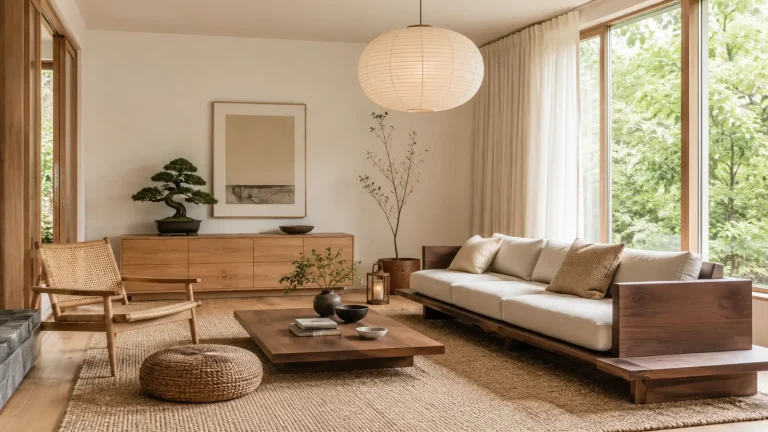
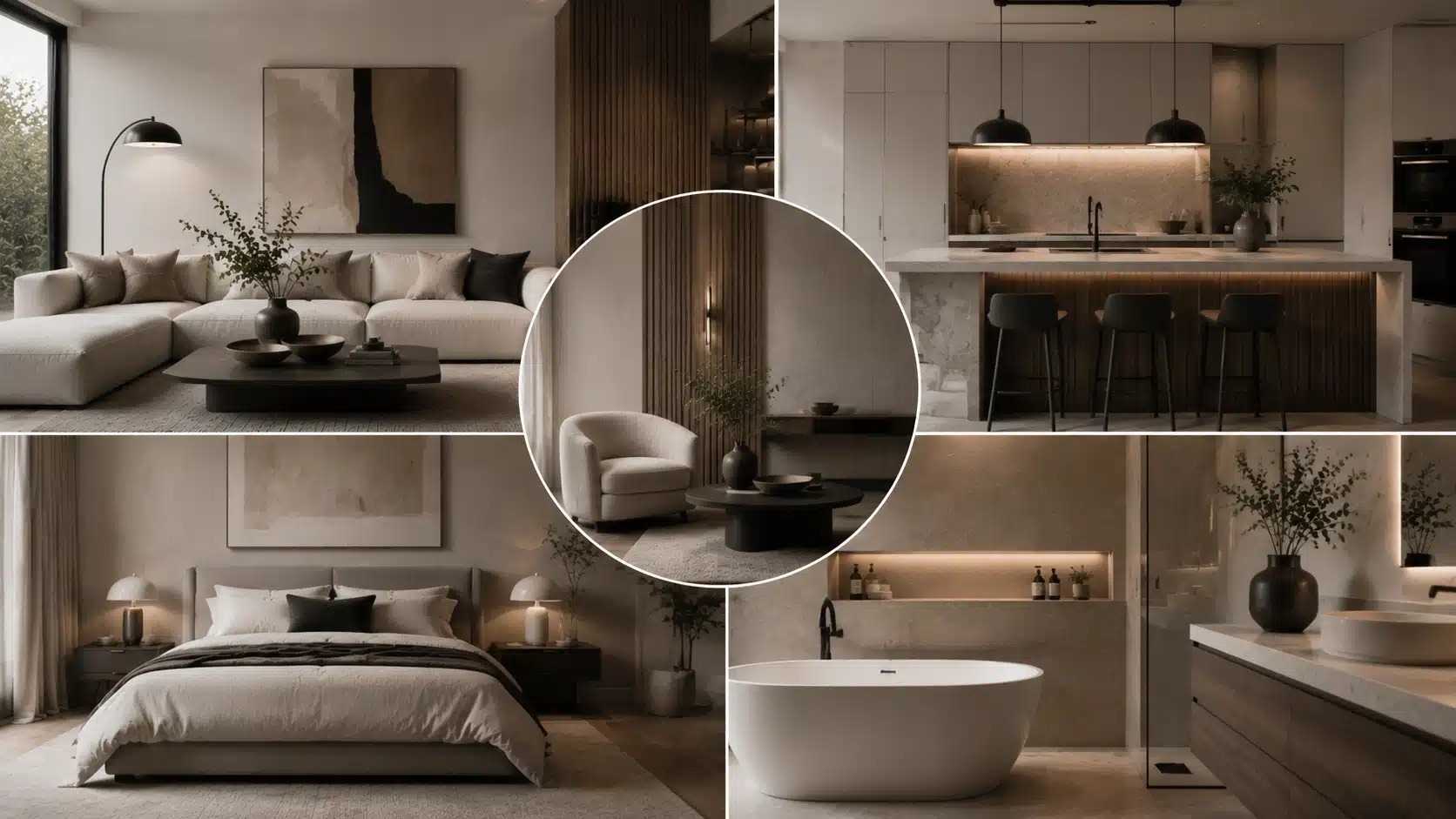
1. Contemporary Living Room
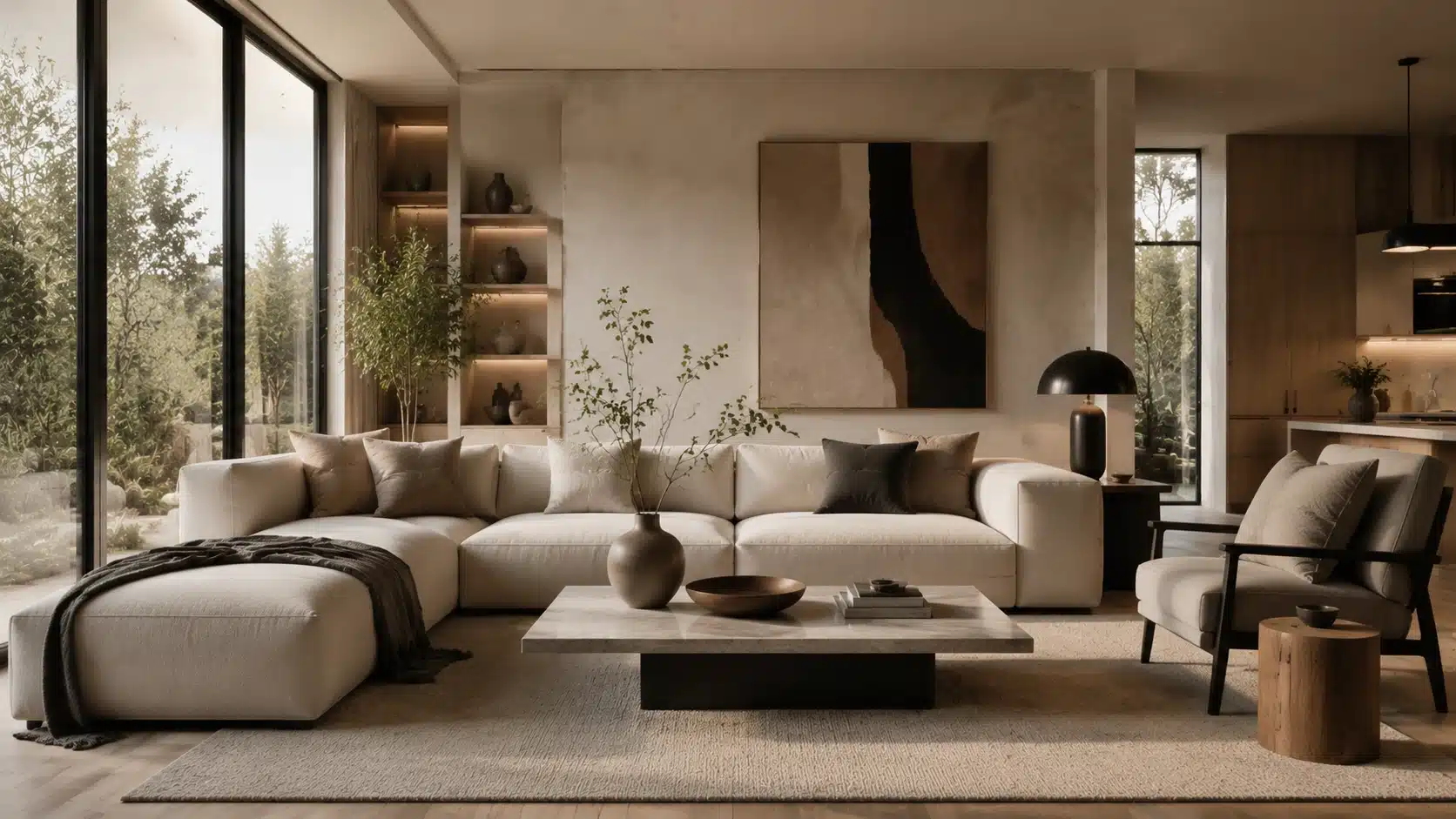
A contemporary living room starts with one strong anchor piece, usually a neutral sofa in a quality fabric.
- Layer in textures through pillows, throws, and a large area rug
- Add a statement coffee table and at least two light sources
- Keep wall art large and intentional rather than grouped with smaller pieces
The room should feel comfortable to sit in, not just good in a photo.
2. Contemporary Kitchen
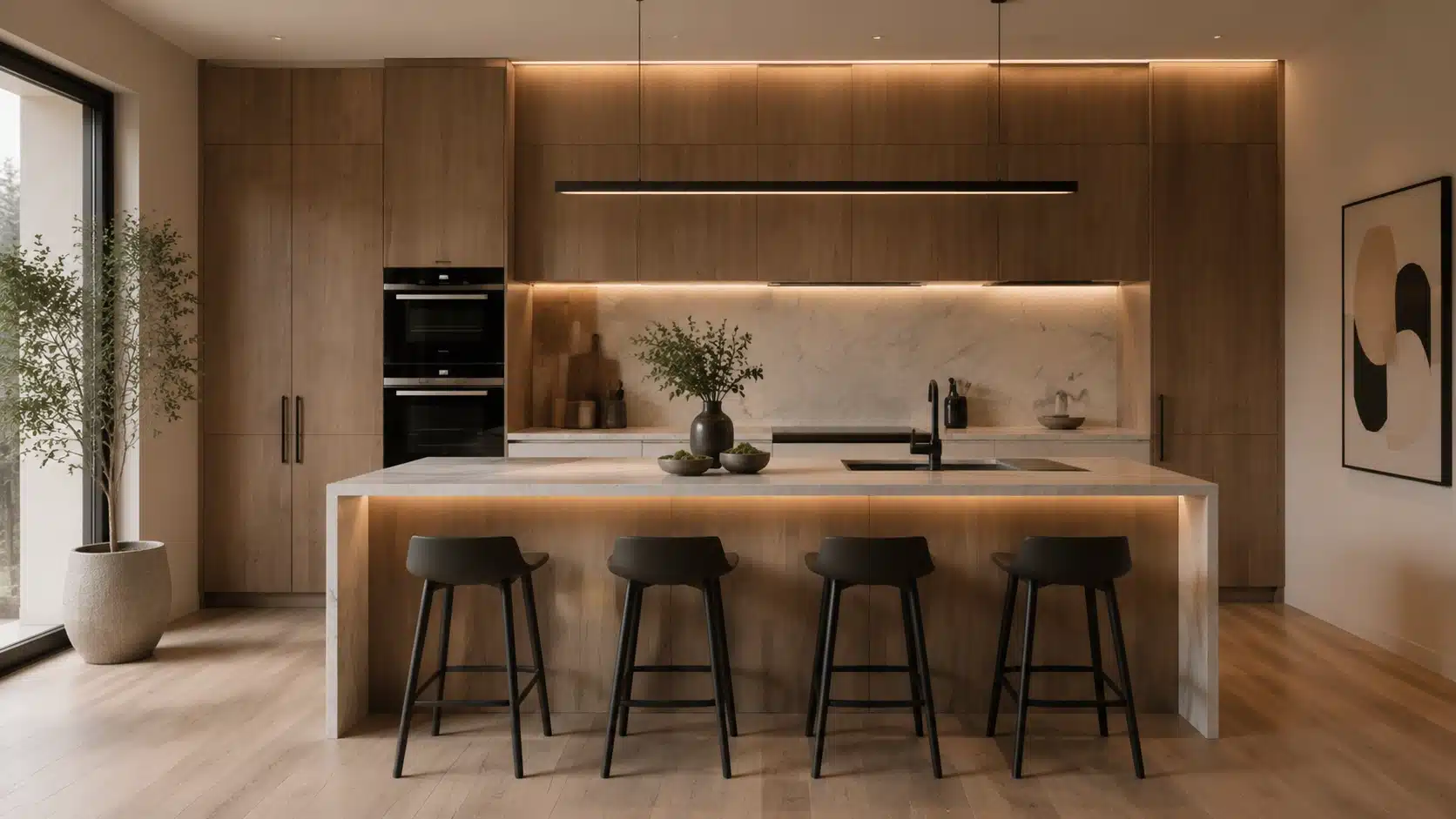
Contemporary kitchens balance clean design with warmth so the room does not feel like a showroom.
- Flat-panel cabinets keep the design simple
- Durable stone countertops and integrated appliances add a polished finish
- Warm wood accents on shelving or an island soften the look
- Minimal hardware keeps lines clean
3. Contemporary Bedroom
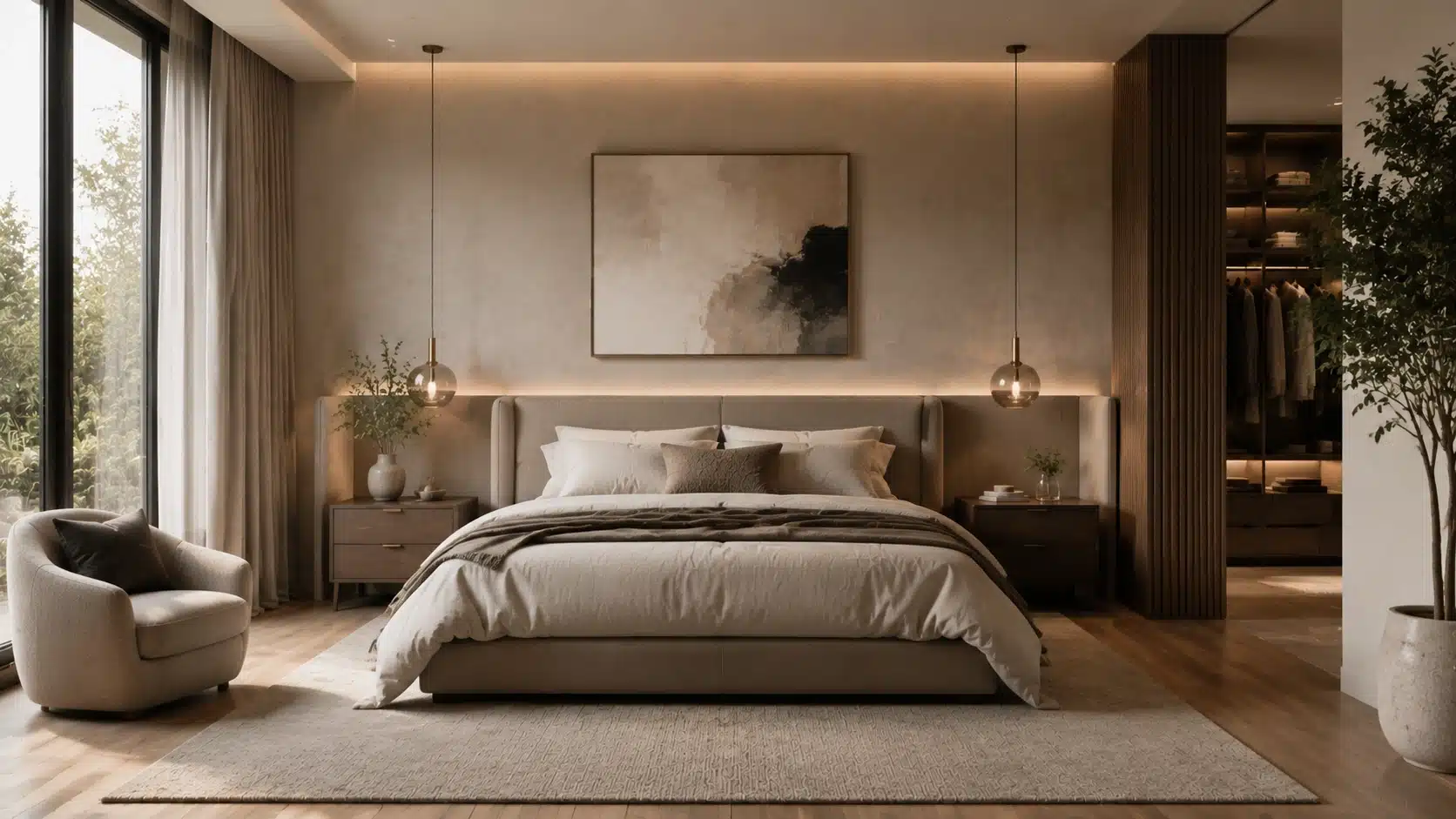
A contemporary bedroom should feel genuinely restful, not just visually tidy.
- An upholstered bed frame brings softness and anchors the room
- Soft neutral bedding in natural fabrics adds texture without pattern
- Layered lighting, table lamps, plus one ambient source, replaces a single overhead light
- Hidden storage keeps surfaces clear without making the room feel sparse
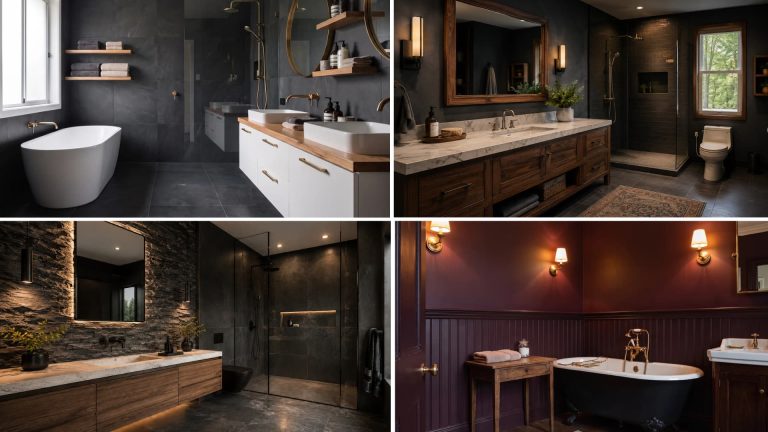
4. Contemporary Bathroom
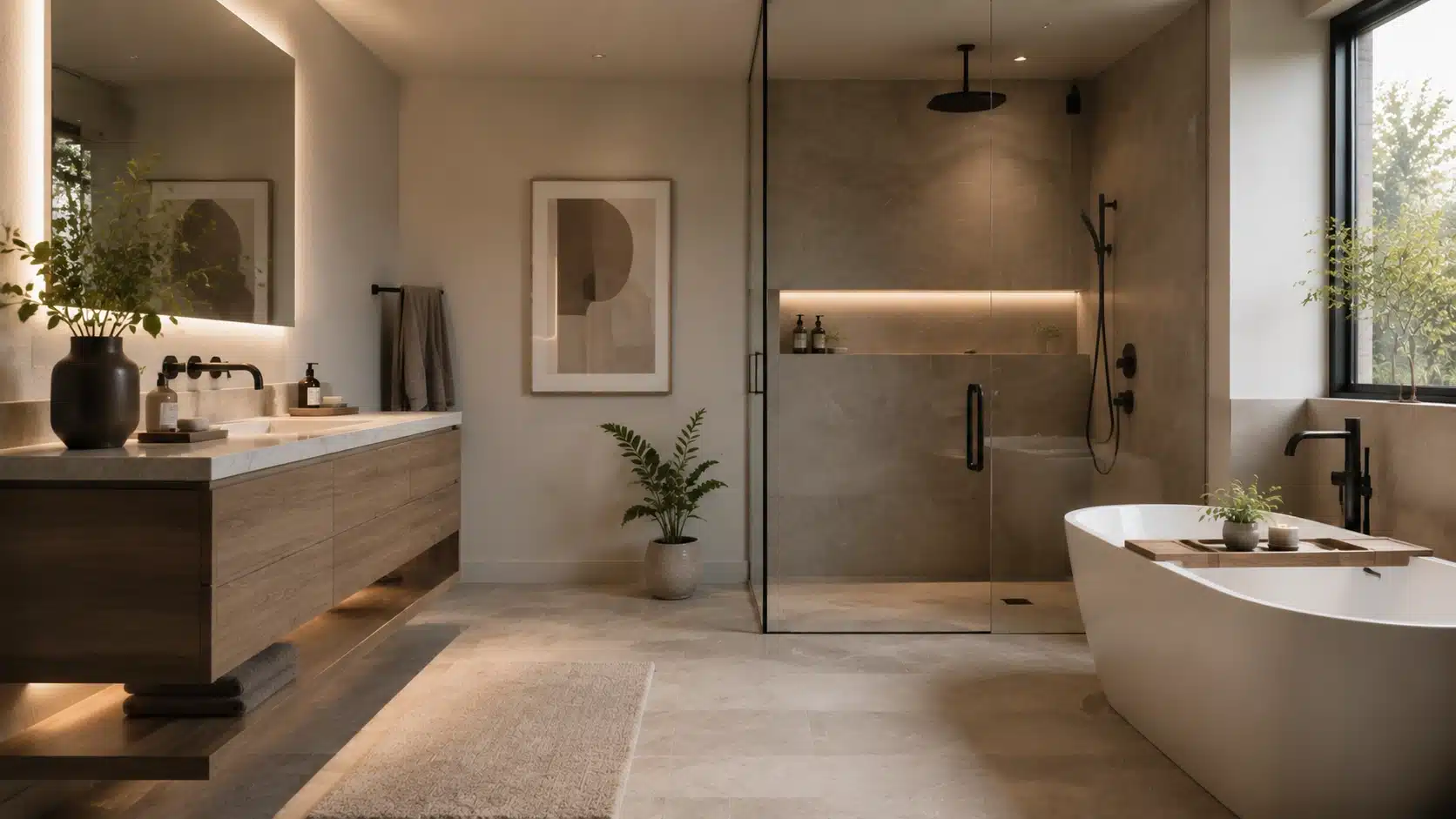
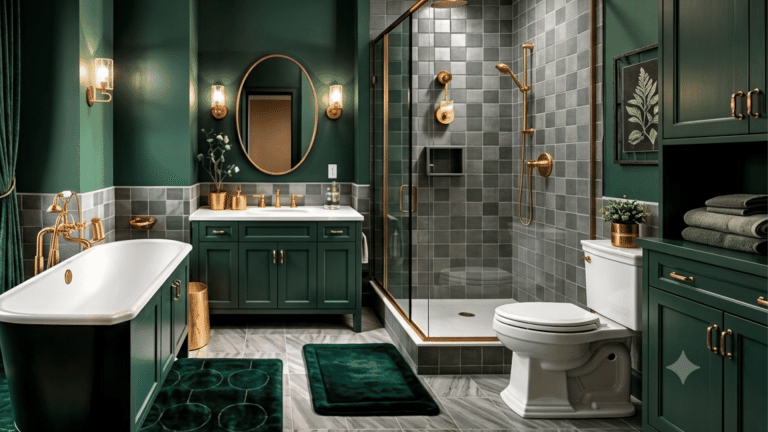
Contemporary bathrooms follow the same neutral, textured approach as the rest of the home but scaled for a smaller space.
- Natural stone surfaces add texture where wall space is limited
- A floating vanity and frameless shower keep the layout open
- Matte fixtures in brushed nickel or matte black finish the look
- Small bathroom layouts can still carry the same principles, just with fewer pieces
How to Create a Contemporary Interior Design Look at Home
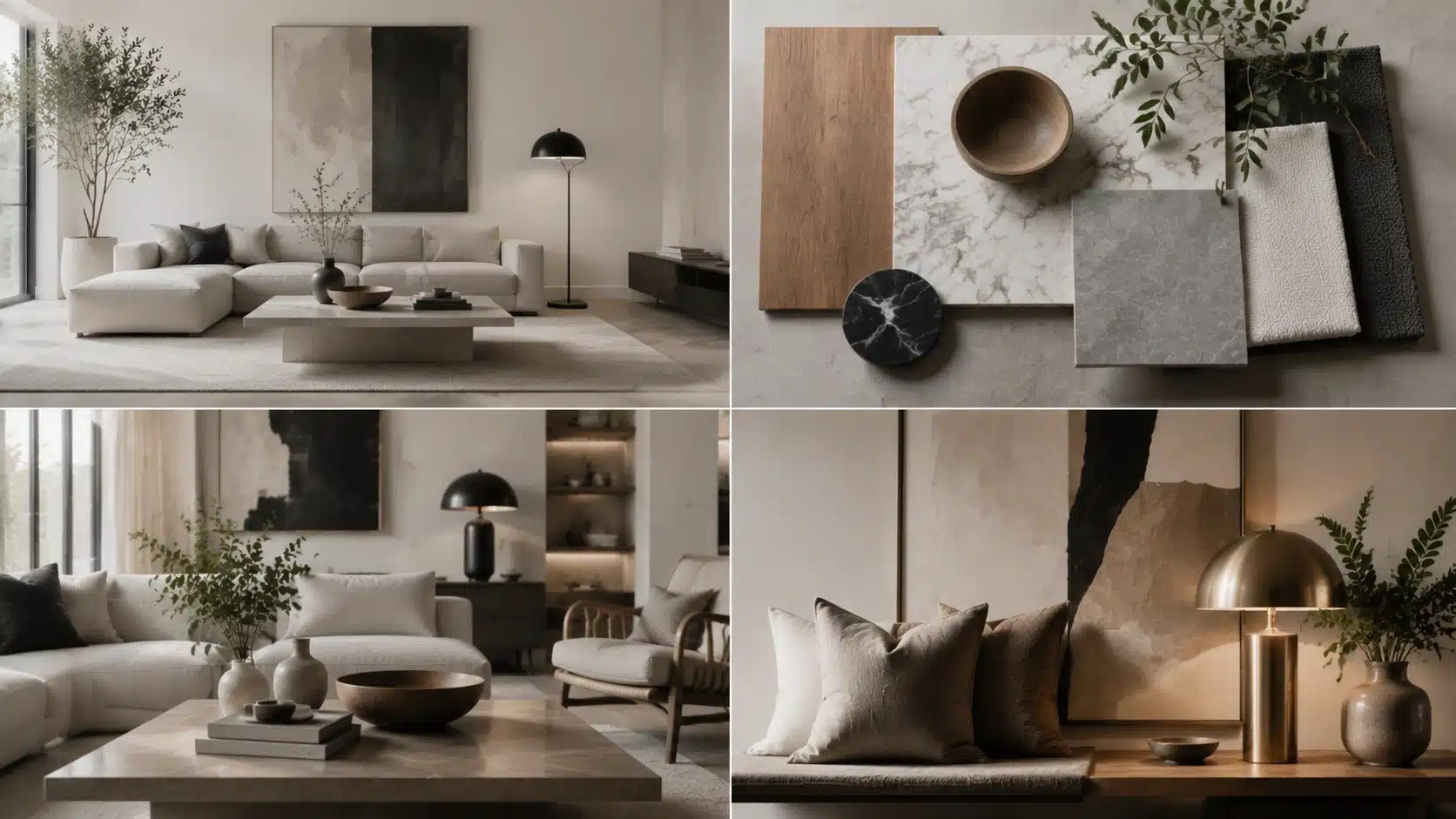
You can build this style step by step, even on a modest budget.
Step 1: Start With a Neutral Base
Pick wall colors and flooring first. Choose large furniture pieces next. Add contrast through accessories last. This order keeps the room from feeling scattered.
Step 2: Mix Materials for Depth
Try pairing wood with metal, stone with fabric, or glass with natural textures. These combinations add visual interest without making the room feel busy.
Step 3: Focus on Quality Over Quantity
Resist filling every corner. One well-made sofa outperforms three cheaper chairs every time. Invest in a few functional statement pieces that serve a real purpose in the room.
Step 4: Layer Your Lighting
One overhead light rarely works on its own in a contemporary room. Combine ceiling fixtures with floor lamps, table lamps, and accent lights to add warmth and control over the mood.
Step 5: Add Trends Through Small Pieces
Build the room around lasting foundations, then bring current trends in through pieces that are easy to swap:
- Pillows and throws
- Artwork
- Lighting fixtures
- Decorative accessories
This keeps the room feeling current without requiring a full replacement when tastes shift.
Frequent Errors to Avoid in Contemporary Interior Design
Even well-planned rooms can miss the mark without these fixes. A few small missteps are common, so it helps to spot them early.
- Making the space too minimal: Minimal does not mean bare. A room with too little furniture feels abandoned, not calm. Add warmth through textiles, plants, and natural materials.
- Using only cold materials: Too much glass or metal without any texture feels harsh. Add wood, soft fabrics, and plants to bring warmth back in.
- Mixing up contemporary and modern: Using only mid-century pieces creates a modern look, not a contemporary one. The two share traits but are not the same style.
- Ignoring scale and proportion: Oversized furniture crowds a small room. Undersized pieces make a large room feel empty. Measure before buying.
- Overloading on neutrals: A room with nothing but beige reads as flat, not calm. One bold rug, a piece of art, or a dark accent chair breaks the monotony.
- Skipping a lighting plan: A single ceiling light flattens a room. Layer sources at different heights to add warmth and depth.
- Following trends too literally: A contemporary home should evolve. Locking in a full room around a single trend often dates the whole space within 2 years.
Is Contemporary Interior Design Right for Your Home?
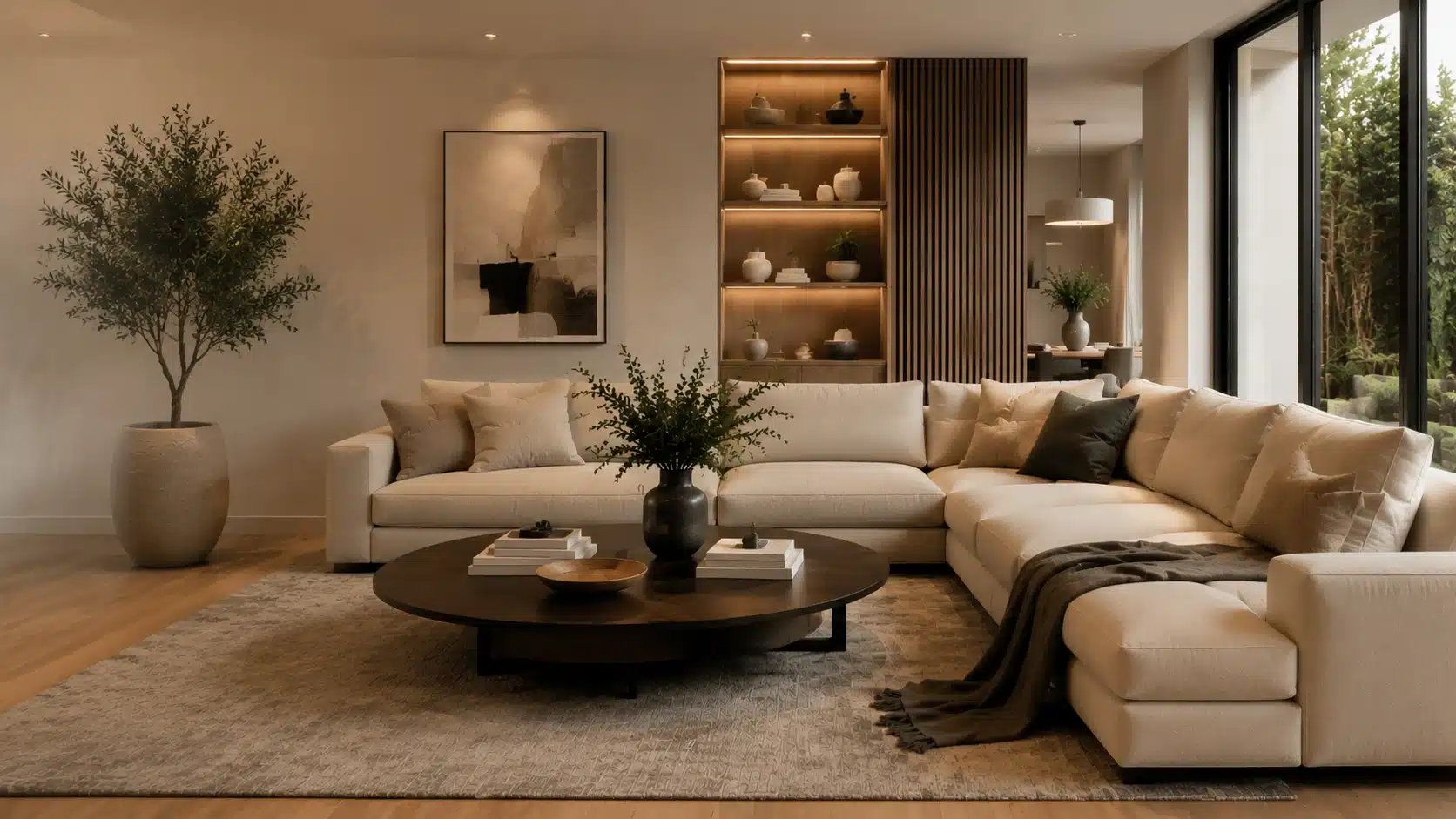
This checklist can help you decide if this style fits your taste. Not every home should look the same, so it helps to be honest about what you actually enjoy living with.
Good fit if you like:
- Clean spaces without heavy ornamentation
- Neutral colors with flexible accents
- Functional furniture that also looks good
- A style that can shift without a full renovation
- Comfort and simplicity in the same room
May not suit you if you prefer:
- Highly decorated or ornate rooms
- Vintage-only interiors
- Traditional or period-specific design
There is no wrong answer. The right style is the one you want to come home to.
Conclusion
Contemporary interior design reflects where we are right now. It changes because homes and lifestyles change.
The foundation stays the same across every era: clean lines, quality materials, balanced colors, and rooms built around how people actually use them.
What sets contemporary design apart from every other style is that it never gets stuck. It keeps moving, and your home can move with it.
You do not need a full renovation to try it. Start with one room. Build a neutral base. Add texture, then add one or two pieces that reflect how you actually live.
Your home should feel like you. Contemporary interior design is the framework that lets it stay that way as your tastes shift over time.
What room are you starting with first? Share your plan in the comments below.
Frequently Asked Questions
What Are The Three F’s Of Interior Design?
The three F’s are Floor Plan, Finishes, and Fixtures. Together, these elements make a space functional, visually balanced, and comfortable to live in.
What Are The Six Types Of Interior Designers?
They are Residential, Commercial, Hospitality, Healthcare, Sustainable, and Universal Designers, each focused on a different space or client need.
What Is The Most Popular Interior Design Style Right Now?
Organic Modern leads today, pairing clean, contemporary architecture with warm, earthy materials, soft edges, and textured walls rather than flat paint.
Who Is Considered The Mother Of Interior Design?
Candace Wheeler holds this title among many design experts. Born in 1827 to abolitionist parents, she helped shape early American interior design.
Can contemporary design work in a small home?
Yes. Clean lines, smart storage, open layouts, and a focus on light all help smaller spaces feel larger and less cluttered.