How to Curate the Essential Rooms Every Home Needs for Comfort

A well-curated home is not about filling rooms with expensive furniture or chasing every design trend that appears on social media. It is about creating spaces that serve a purpose, feel welcoming, and support everyday life. The most successful homes tend to have a few standout rooms that are thoughtfully organized and intentionally designed. When each room works well on its own and contributes to the flow of the house, the entire home feels more comfortable and functional.
Start With a Kitchen Designed for Daily Use
The kitchen remains the heart of most homes because it is where people gather, prepare meals, entertain guests, and often start and end their day. Curating this room begins with focusing on convenience rather than decoration alone. Storage should be easy to access, countertops should remain as clear as possible, and frequently used items should have a designated place.
A Nespresso machine is a must in a curated kitchen because it combines convenience with a polished appearance. Small appliances that are used daily deserve a permanent spot rather than being hidden away in cabinets. At the same time, decorative items should be limited to a few meaningful pieces that add personality without creating clutter.
Natural light can make a significant difference in how the kitchen feels. If large windows are not available, layered lighting can help create a warm atmosphere that makes the space more inviting throughout the day.
Create a Bedroom That Encourages Rest
A bedroom should feel noticeably different from the busier areas of the home. While kitchens and living spaces are designed for activity, the bedroom should encourage relaxation and recovery. This often starts with simplifying the room and eliminating unnecessary distractions.
High-quality bedding can have a greater impact than expensive furniture. Crisp sheets, supportive pillows, and comfortable blankets help create a space that people genuinely look forward to using each night. Neutral colors often work well because they promote a calm environment, though personal style should always guide final decisions.
Technology can easily dominate a bedroom if left unchecked. Many homeowners find that reducing visible cords, minimizing electronics, and keeping work-related items elsewhere helps maintain the room’s primary purpose. A curated bedroom should feel like a retreat rather than an extension of the office.
Design a Functional Home Office
Even households without full-time remote workers benefit from having a dedicated workspace. A thoughtfully designed office provides a place to pay bills, manage schedules, complete projects, and handle household administration without taking over dining tables or kitchen counters.
The most effective home offices prioritize function first. A comfortable chair and properly sized desk are often more important than decorative accessories. Good lighting helps reduce eye strain, while shelves and storage systems keep paperwork organized and accessible.
Personal touches can make the space more enjoyable without becoming distracting. Artwork, plants, and meaningful objects help create an environment that feels motivating and comfortable. The goal is to support productivity while maintaining the overall style of the home.
Build a Living Room Around Conversation and Connection
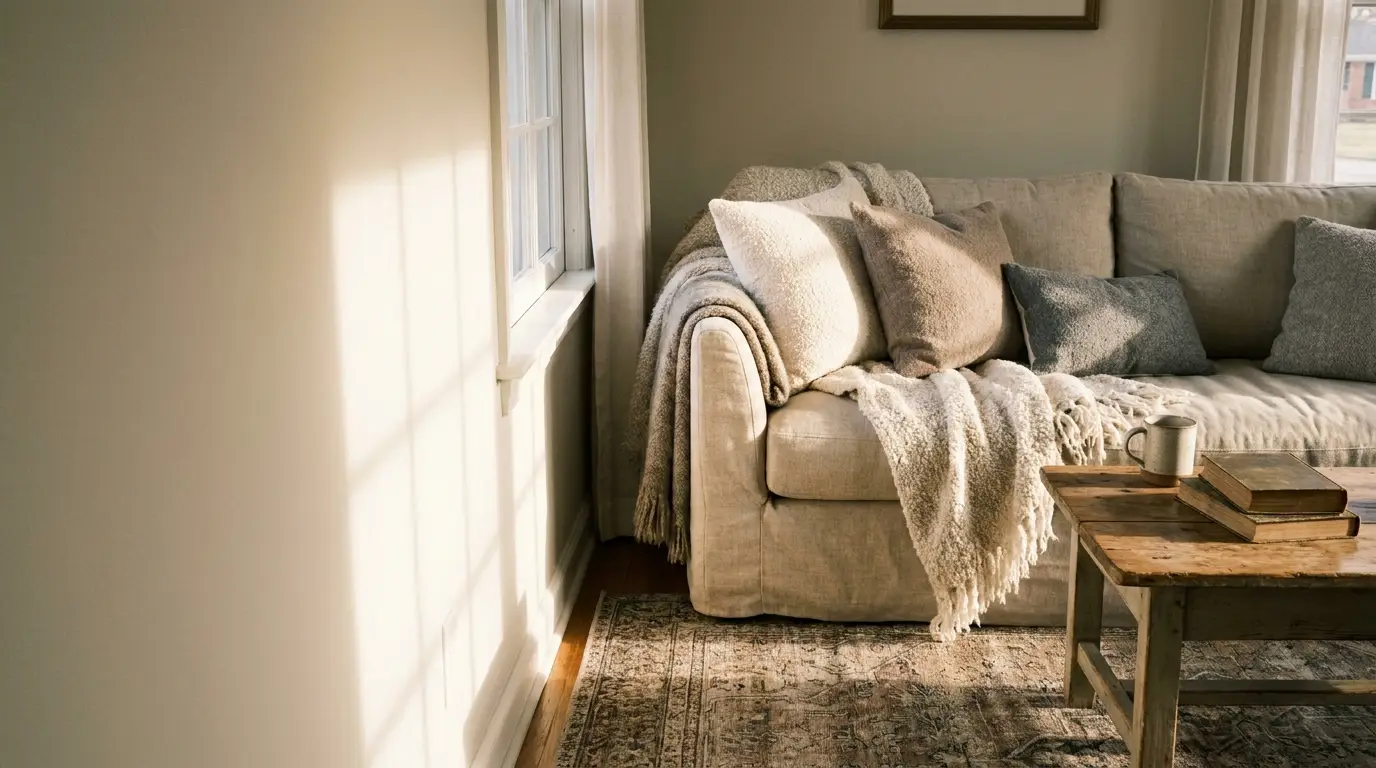
The living room often serves as the social center of the home. It is where families gather after work, guests are welcomed, and everyday life unfolds. Curating this space requires balancing comfort with functionality.
Furniture placement deserves careful attention because it shapes how people interact within the room. A successful living room layout encourages conversation rather than forcing every seat to face a television. Seating should feel connected and accessible, allowing people to comfortably engage with one another.
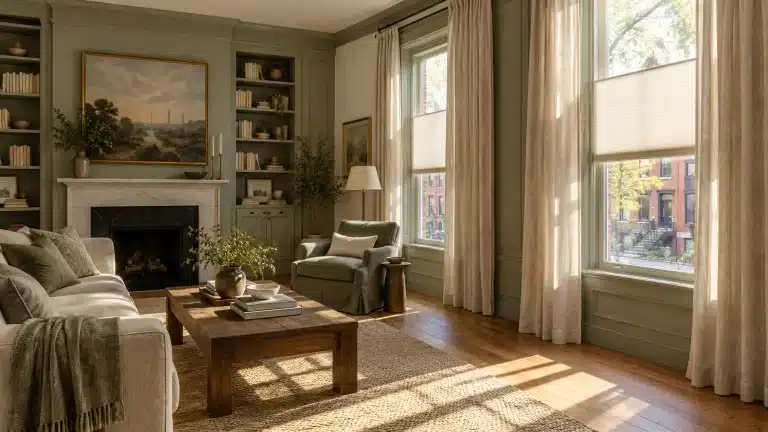
Textures can add warmth and character. Area rugs, throw blankets, accent pillows, and natural materials help create a layered appearance without overwhelming the space. Rather than filling every corner, leave some areas open so the room can breathe.
Storage also plays a major role in maintaining an inviting atmosphere. Built-ins, cabinets, baskets, and multifunctional furniture help keep everyday items organized while preserving a clean appearance.
Don’t Overlook Entryways and Transitional Spaces
Hallways, mudrooms, and entryways are often treated as afterthoughts, yet they shape first impressions and influence how smoothly a home functions. These areas help establish order by providing designated places for shoes, coats, bags, and keys.
A well-curated entryway does not need to be large. Even a small bench, a few hooks, and a simple storage solution can dramatically improve daily routines. Thoughtful lighting and a mirror can also make the space feel larger and more welcoming.
Because these areas experience frequent traffic, durability should guide many design decisions. Materials that withstand regular use often provide better long-term value than purely decorative choices.
Curating essential rooms is ultimately about creating spaces that support the way people actually live. By focusing on functionality, comfort, and thoughtful design choices, every room can contribute to a home that feels welcoming, organized, and genuinely enjoyable to spend time in.