How to Create a Cozy Living Room That Feels Both Stylish and Relaxing

The modern residential floor plan is undergoing a massive cultural shift, even as average house sizes hold steady around the 2,200-square-foot mark. Homeowners are actively abandoning the cold, sprawling, minimalist aesthetic of the last decade in favor of dedicated comfort rituals.
The goal is no longer to impress a crowd once a year, but to nurture the household every single day. Achieving this balance requires an intentional blend of sensory lighting, human-centric layouts, and deeply tactile materials.
Designing an inviting living room relies entirely on how your body interacts with the physical environment. True coziness is rooted in the psychological impacts of material layering and atmospheric warmth.
When you walk into a room, your brain immediately registers the visual weight of the furniture and the temperature of the light. Balancing these elements correctly ensures your home feels sophisticated while remaining completely functional for daily downtime.

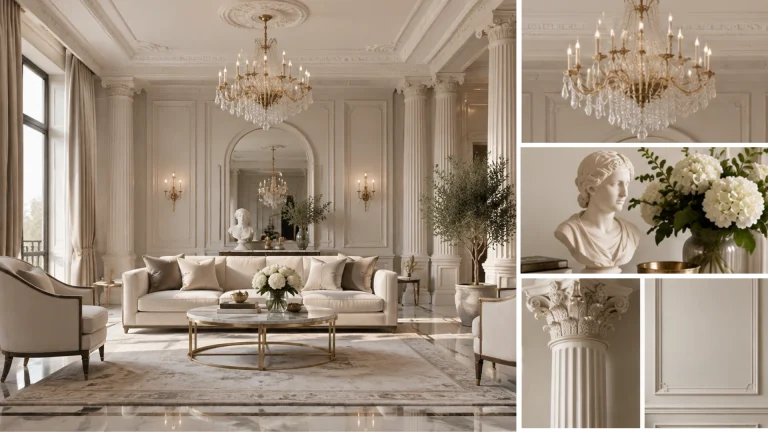
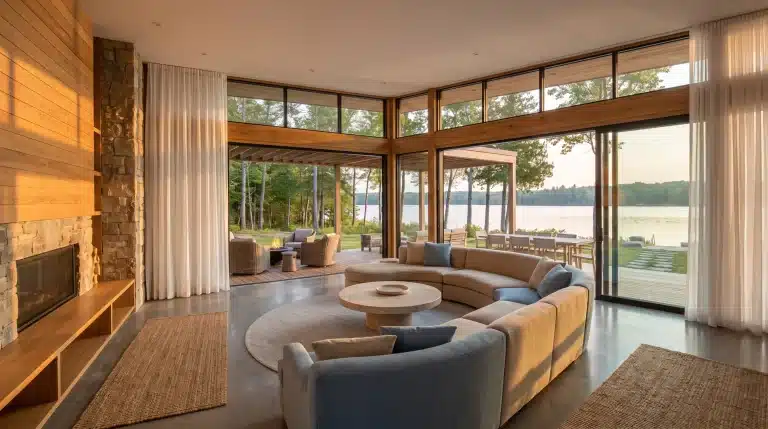
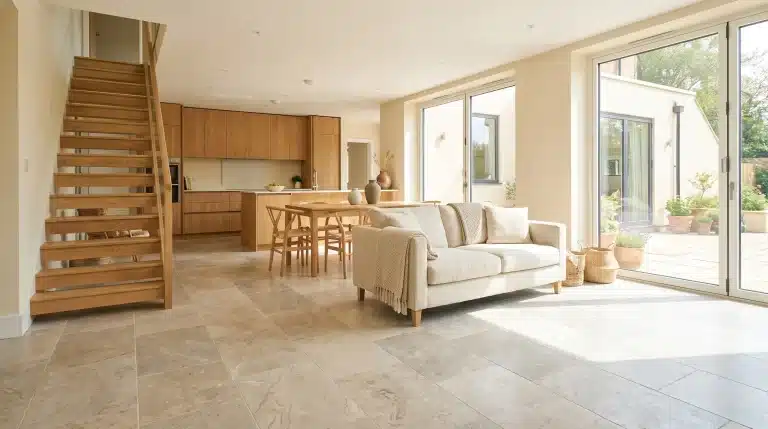
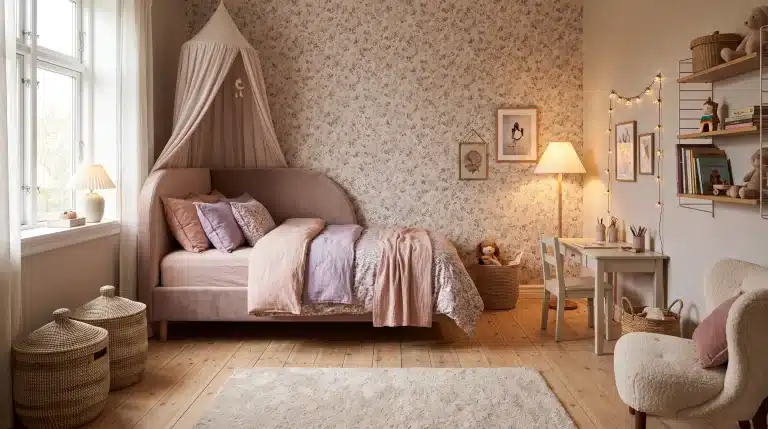
Image Source: Google Gemini
Prioritizing Human Centric Layouts and Seating
The foundation of a relaxing environment starts with your primary seating arrangement. Interior designers are shifting toward low-profile architectural silhouettes that anchor a room without overwhelming the visual plane. Instead of choosing rigid, formal furniture that dictates a stiff posture, it is vital to select deep, accommodating frames that encourage genuine lounge behavior.
When you invest time to explore the most comfortable couches on the market, look for high-density foam cores wrapped in down feathers to achieve that perfect sink-in feeling. Research is a brilliant way to get inspired, as well as to work out what you actually like in the first place.
Once the core seating is established, the surrounding layout must promote effortless relaxation and conversation. A successful room configuration avoids pushing all the furniture against the walls, which creates an awkward, cavernous void in the center of the room. Pulling your main seating inward creates natural pathways and an immediate sense of intimacy.
The physical objects you interact with daily should always enhance your comfort. Consider these functional furniture choices to elevate your layout:
- Low-profile coffee tables keep sightlines open and accessible
- Modular side pieces allow for flexible footrest positioning
- Deep plush armchairs offer dedicated secondary reading nooks
Mastering Sensory Lighting and Earthy Tones
Lighting dictates the emotional temperature of a room far more than any decorative accessory. Standard overhead fixtures often flood a space with cold, clinical illumination that triggers alertness rather than relaxation.
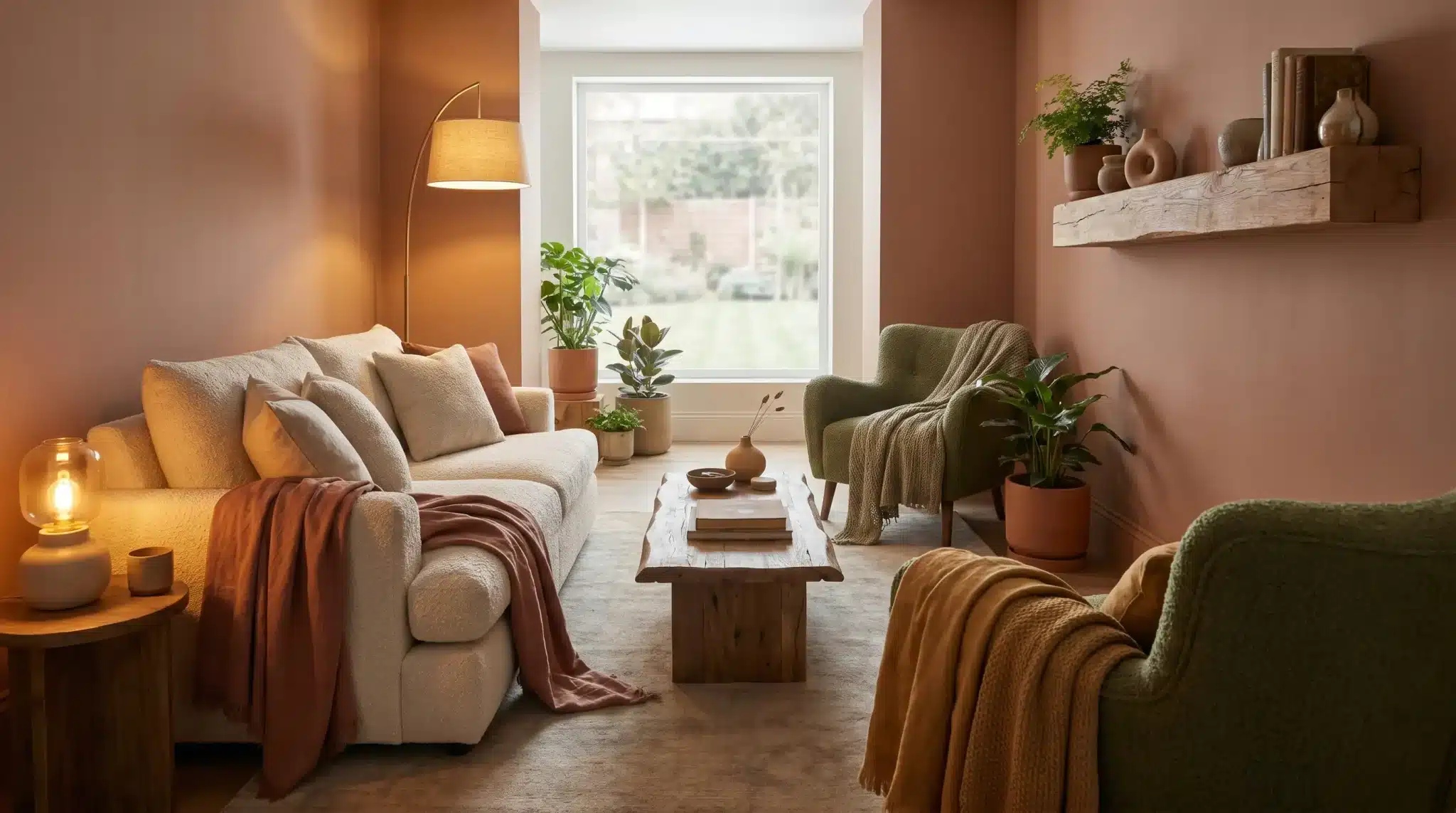
To counteract this, exceptional interior design relies heavily on layered, sensory lighting placed at varying heights throughout the room. Table lamps, adjustable floor fixtures, and accent sconces create pockets of soft illumination that instantly make a large space feel safe and enclosed.
Color theory plays an equally critical role in how the human mind decompresses after a long day. The trend landscape has permanently pivoted toward organic earthy color palettes featuring muted terracotta, warm ochres, and calming moss greens.
These natural tones possess an inherent grounding effect that reduces visual fatigue. Pairing these hues with rich, tactile material layering like textured bouclé, heavy linens, and raw timber elements completes the sensory experience.
Elevating Daily Living Through Intentional Design
A sophisticated home is built on the quiet details that serve your daily lifestyle. True luxury is found in the fluid harmony between beautiful aesthetics and uncompromising physical ease. By focusing on sensory comfort and human-centered furniture layouts, you can successfully establish a sanctuary that feels deeply personal.
You can find more inspiration and breakdown guides on our home design blog. Exploring additional articles on spatial layout principles and seasonal textile transitions will help you refine your environment over time. Taking a gradual, thoughtful approach to sourcing your decor ensures that every element added to your space serves a real purpose in your daily wellness routine.