6×9 Rug Size Comparison: Is It the Right Fit for Your Room?

You buy a rug. It arrives. And somehow, the room looks nothing like you planned. The sofa looks disconnected. The floor feels bare. The rug just sits there, slightly off.
This happens more often than you think, and it almost always comes down to one thing: size. A 6×9 rug is one of the most popular mid-size options in the US. But it is not right for every room.
This 6×9 rug size comparison guide covers how it stacks up against other common sizes. You will also see which rooms it fits best and how to choose without second-guessing yourself.
How Big Is a 6×9 Rug?
A 6×9 rug is 6 feet wide and 9 feet long. In inches, that is 72 by 108 inches. In centimeters, it measures roughly 183 cm by 274 cm. It covers 54 square feet of floor space.
This makes it a solid mid-size option that works across multiple rooms without making the space feel crowded. It sits right between the smaller 5×7 and the larger 8×10, which is exactly why so many people land on it. Big enough to pull a room together.
Compact enough to leave breathing room around the edges. If you have been going back and forth between sizes, this one tends to settle the debate for most standard rooms.
6×9 Rug Size Comparison Chart
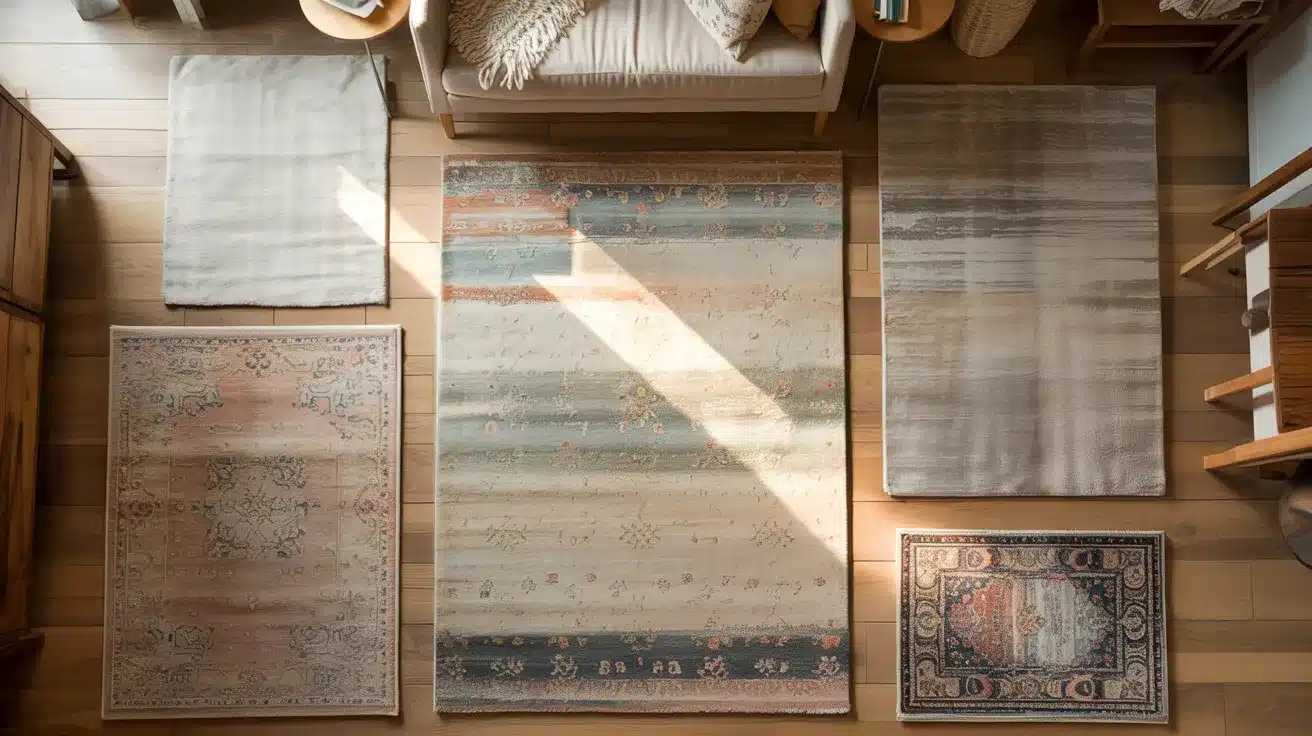
Not every rug size works the same way in every room. Before you settle on a 6×9, here is how it lines up with the other standard sizes most people choose.
| Rug Size | Dimensions (ft) | Square Footage | Best For |
|---|---|---|---|
| 4×6 | 4 ft x 6 ft | 24 sq ft | Entryways, accent spots, beside a bed |
| 5×7 | 5 ft x 7 ft | 35 sq ft | Small bedrooms, under coffee tables |
| 6×9 | 6 ft x 9 ft | 54 sq ft | Small to mid-size living rooms, dining areas, and bedrooms |
| 8×10 | 8 ft x 10 ft | 80 sq ft | Large living rooms, master bedrooms |
| 9×12 | 9 ft x 12 ft | 108 sq ft | Open-plan spaces, oversized furniture layouts |
1. 4×6 vs 6×9 Rug
A 4×6 rug covers only 24 square feet, less than half the floor area of a 6×9. It works well in entryways or as an accent piece beside a bed. It will not anchor a seating area or hold a furniture layout together the way a 6×9 does.
2. 5×7 vs 6×9 Rug
A 5×7 covers 35 square feet and works in smaller rooms where you want more floor showing around the edges. A 6×9 gives enough room for the front legs of a sofa and two accent chairs to sit comfortably on the rug, which a 5×7 often cannot support.
3. 6×9 vs 8×10 Rug
An 8×10 covers 80 square feet and is the most common living room rug size in the US. For rooms under 12×13 feet, a 6×9 is the smarter pick. For rooms 12×15 feet and above, the 8×10 will look more balanced and fill the space correctly.
4. 6×9 vs 9×12 Rug
A 9×12 rug covers 108 square feet, exactly double that of a 6×9. It suits large open-plan spaces and oversized furniture layouts. In a small room, a 9×12 will feel crowded. A 6×9 is the right call when you want to define a zone, not cover the entire floor.
How to Measure Your Room Before Choosing a Rug Size
Getting the size right starts before you even open a browser tab. Here are the steps most people skip and why each one actually matters.
- Measure the room’s length and width with a tape measure and note the measurements in feet. This gives you a real number to work with instead of guessing, and it takes less than 2 minutes.
- Mark the rug area on the floor with painter’s tape to see how the size looks in the actual space before buying. Tape costs nothing and shows you exactly how the rug will sit in your room before you spend a dollar.
- Leave at least 18 inches of bare floor between the rug edge and the wall on all sides. This keeps the room from feeling closed in and gives the rug space to look intentional rather than squeezed in.
- Plan your furniture layout first because the rug needs to work around your sofa, chairs, or bed, not the other way around. Once your furniture positions are set, finding the right rug size becomes a straightforward decision.
- For dining rooms, add 24 inches beyond the table edges on all sides so chairs can slide in and out without catching the rug. Skipping this step is the number one reason dining room rugs end up looking and feeling wrong after the first dinner.
Where Does a 6×9 Rug Work Best?
A 6×9 rug fits more rooms than most people expect. Here is a room-by-room look at where it performs well and what to keep in mind for each space.
1. Living Room
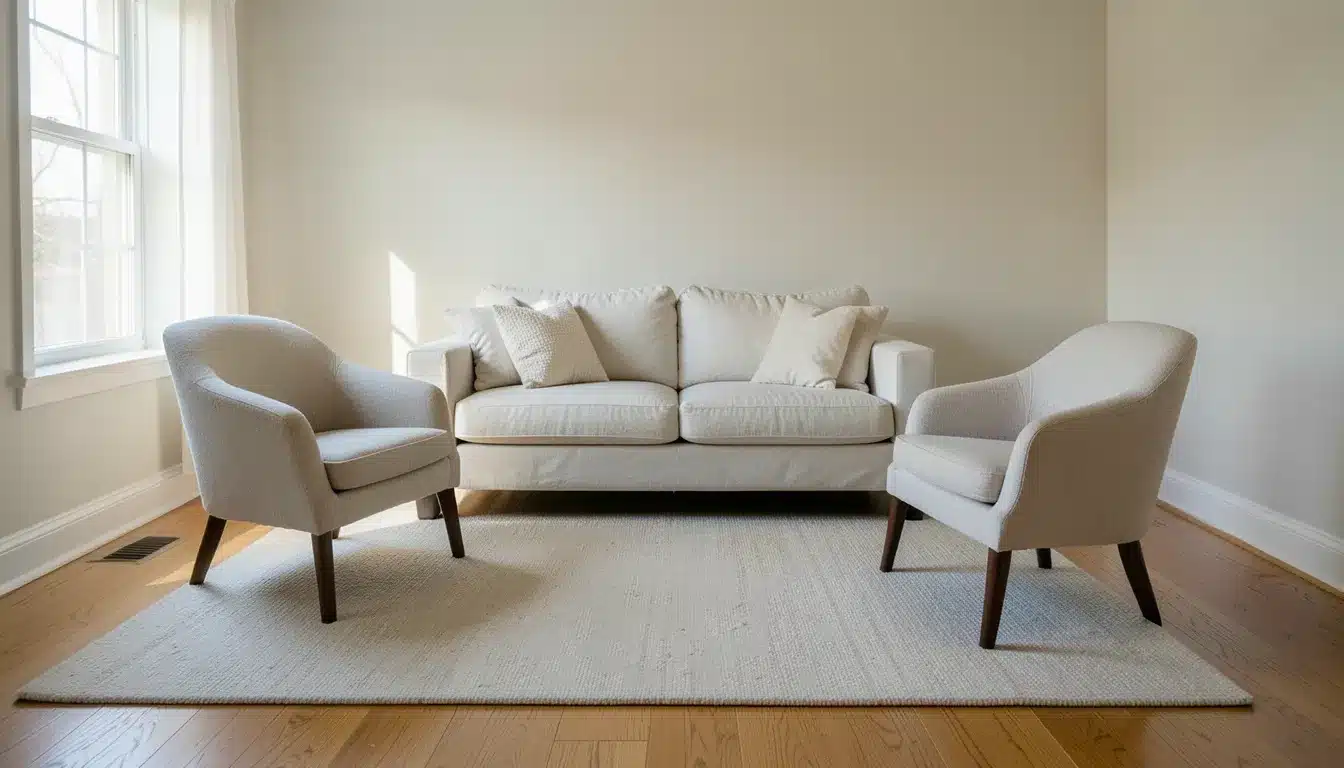
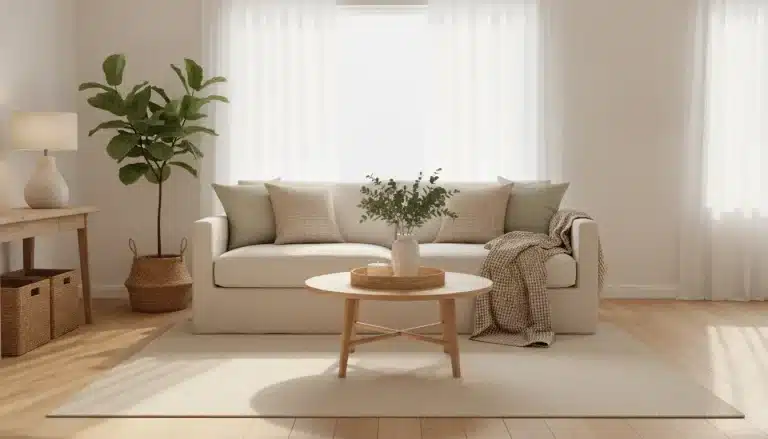
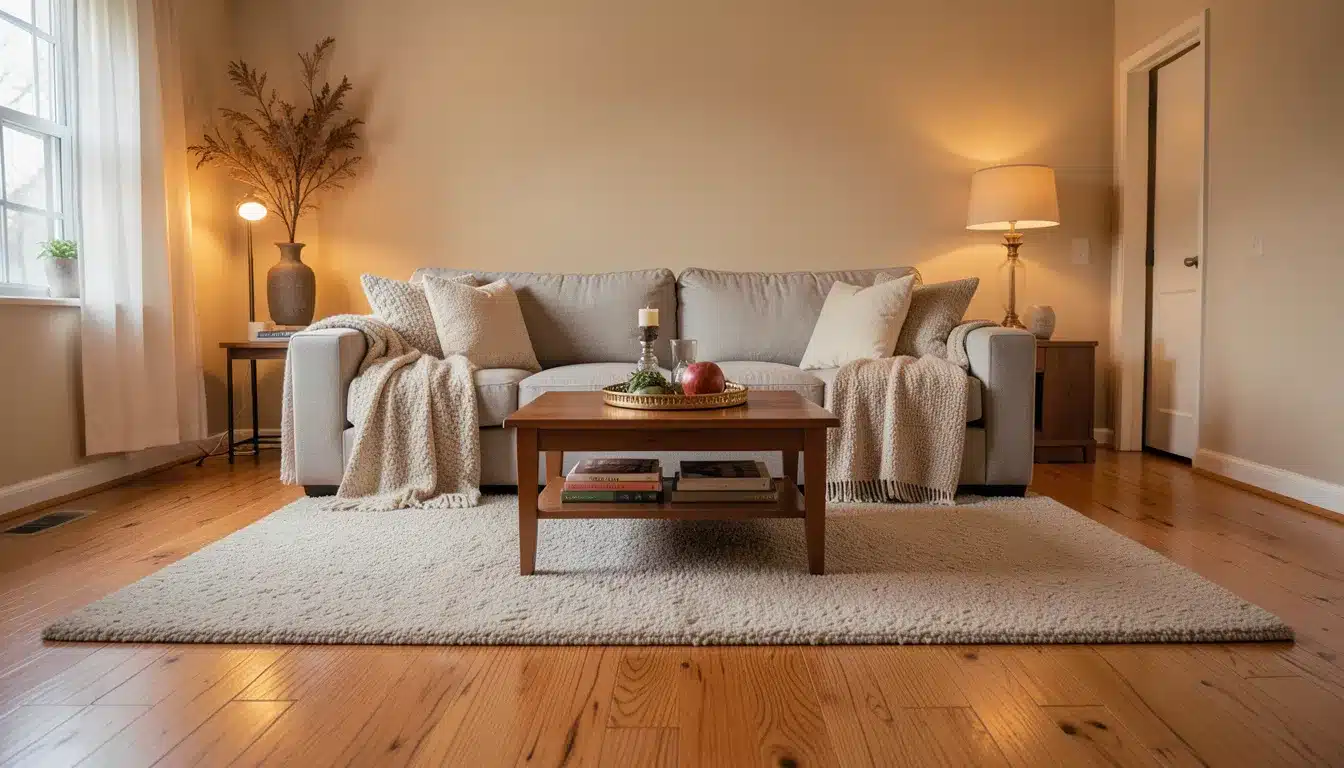
A 6×9 rug works best in living rooms under 11×13 feet. Place the front legs of your sofa and chairs on the rug. This anchors the seating area and keeps the layout feeling connected rather than scattered.
If your room is slightly larger, push the sofa closer to the center so the rug does not float on its own, with no furniture to hold it in place.
2. Bedroom
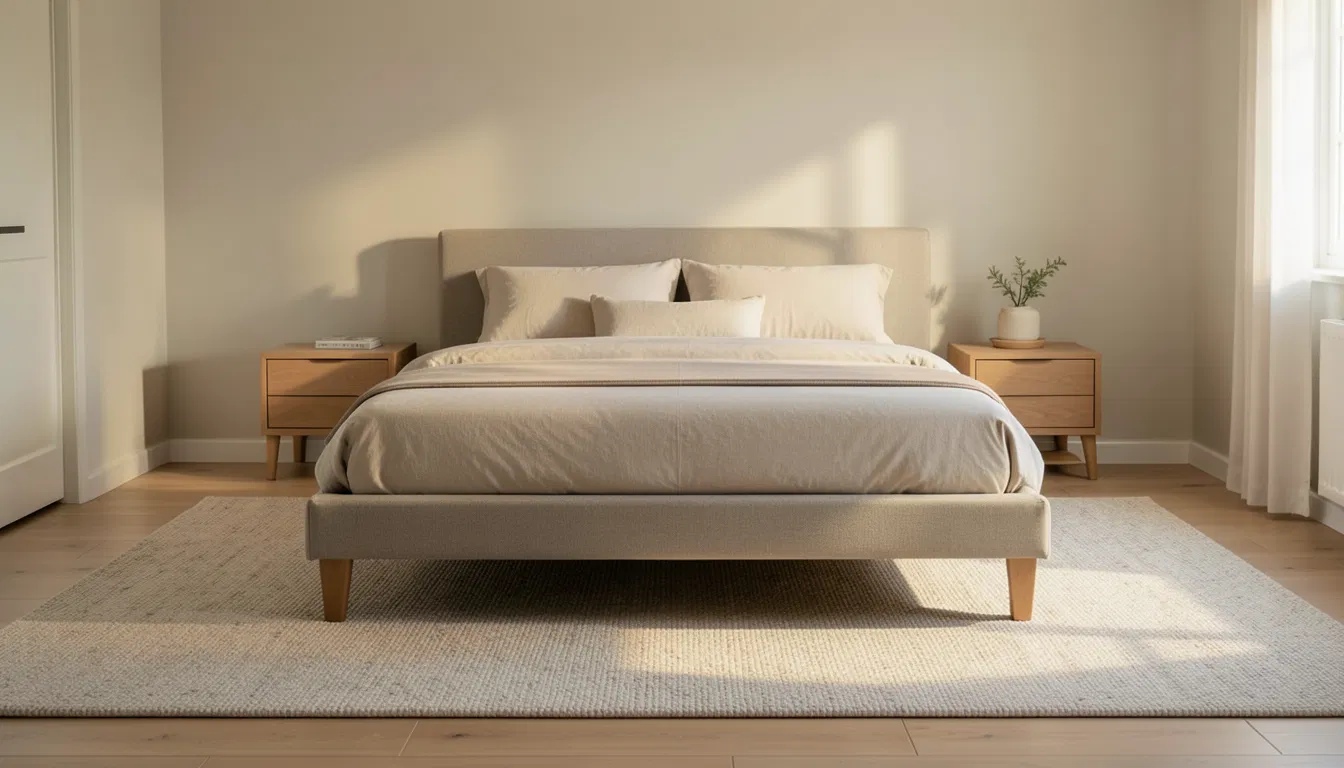
At the foot of a king or queen bed, a 6×9 sits well under the lower two-thirds of the bed frame.
With a queen, it leaves about 1.5 feet of rug on either side, which feels balanced and warm when you step out of bed.
For a full or twin bed, the coverage is even more generous, and the rug will show on three sides without feeling too large for the room.
3. Dining Room
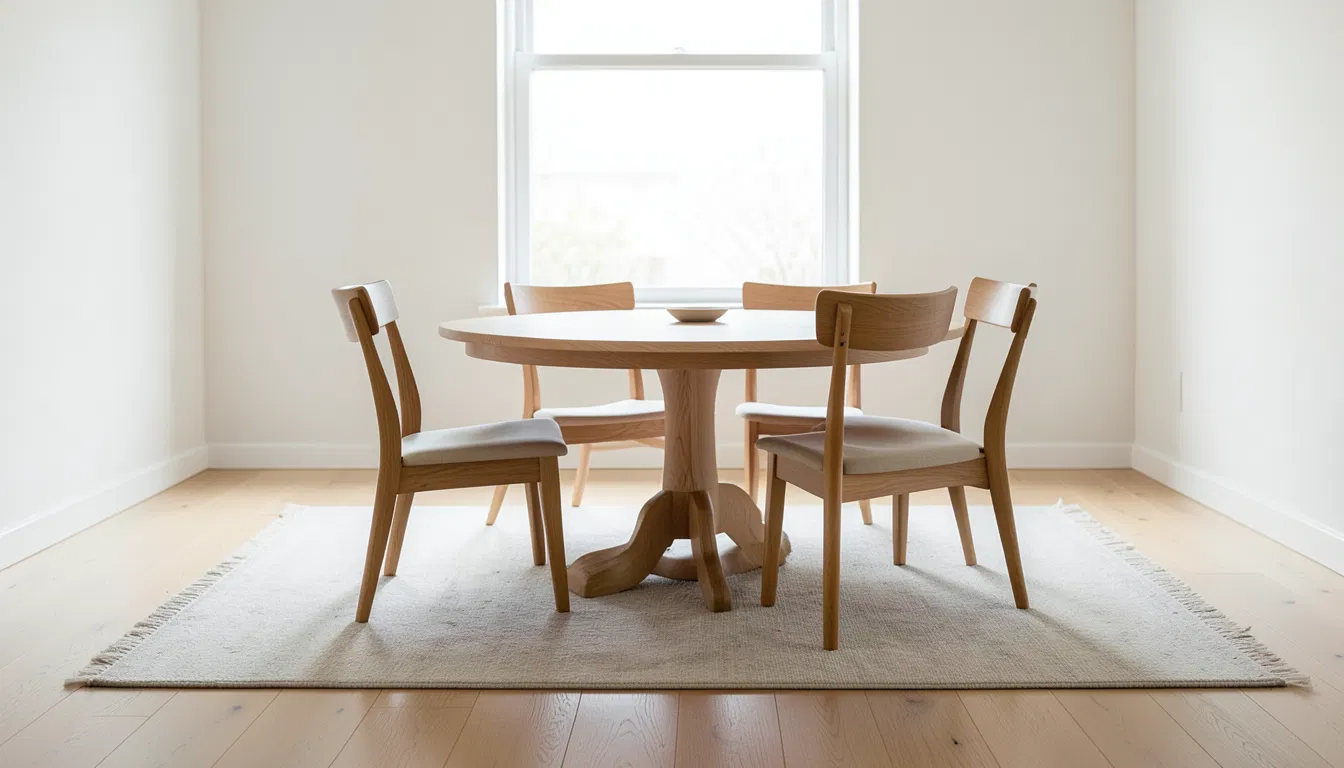
For a dining table that seats four to six people, a 6×9 gives the right coverage. It keeps all chair legs on the rug when guests are seated and works well with both round and rectangular tables at this size.
If your table is wider than 48 inches, measure carefully before ordering, as you may need to size up to an 8×10 to maintain 24-inch chair clearance on all sides.
4. Home Office
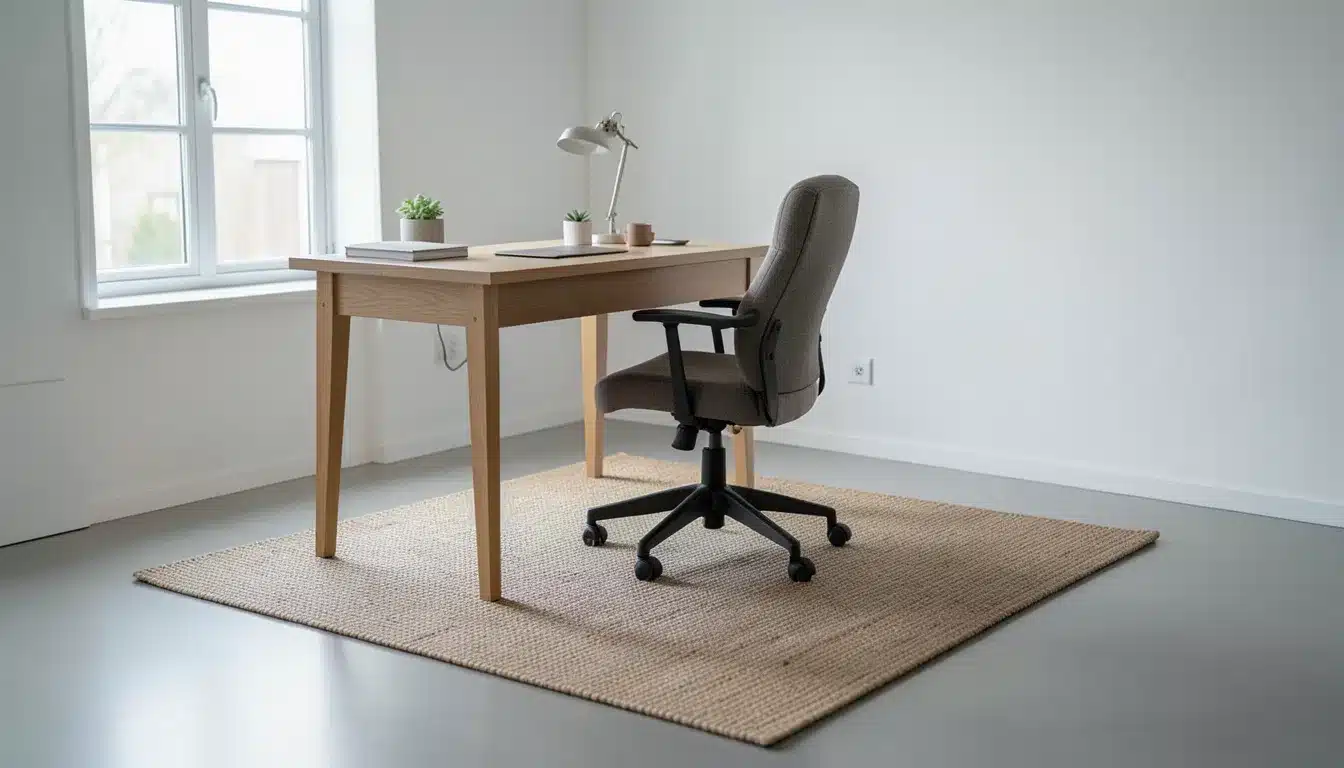
A standard desk and office chair fit comfortably on a 6×9. There is enough room to roll the chair back without it going off the edge. It also clearly defines the work zone on hard floors.
If you have an L-shaped desk setup, check that both sections of the desk fall within the rug footprint before committing to this size.
6×9 Rug Placement Rules You Should Know
Where you place a rug matters just as much as the size you pick. These rules will help you avoid the most common layout mistakes before they happen.
- Center the rug under the main piece of furniture in the room, not off to one side.
- In the living room, place it so that the front two legs of each sofa or chair sit on the rug.
- In the dining room, center it under the table with equal floor space on all four sides.
- In the bedroom, slide it under the lower two-thirds of the bed frame for balanced coverage.
- Always leave a visible floor on all sides and never push the rug flush against a wall.
- Avoid placing the rug so that only one furniture leg catches the edge, as this throws the entire layout off balance.
Mistakes People Make When Picking a Rug Size
Most rug regrets come from the same few mistakes. Here is a quick look at what goes wrong and how to fix it before it costs you a return trip.
| Mistake | What Happens | How to Avoid It |
|---|---|---|
| Choosing a rug that is too small | Furniture looks unconnected, and the room feels bare | Measure first and go one size up if in doubt |
| Not measuring the room before buying | The rug arrives and does not fit the space as expected | Use a tape measure and mark the area with painter’s tape |
| Ignoring furniture placement | The rug ends up under only one or two furniture legs | Plan your layout before choosing a size |
| Skipping the rug pad | The rug shifts, bunches, and wears out faster | Always buy a pad sized 1 to 2 inches smaller on all sides |
| Picking size based on price alone | The cheaper, smaller rug looks wrong in the room | Match size to the room first, then shop within that range |
| Not testing the size on the floor first | You ordered the wrong size and need to return it | Use tape on the floor to test the footprint before ordering |
What Size Rug Pad Do You Need for a 6×9 Rug?
For a 6×9 rug, the right pad size is approximately 5 feet 10 inches by 8 feet 10 inches, which is 1 to 2 inches smaller on all sides. This keeps the pad hidden under the rug edges.
On hard floors, use a felt-and-rubber pad for grip and cushion. In spots where a door swings over the rug, choose a low-profile rubber pad instead.
Keep the pad thickness under half an inch to reduce the risk of tripping at the edges.
Best Rug Materials for a 6×9 Size
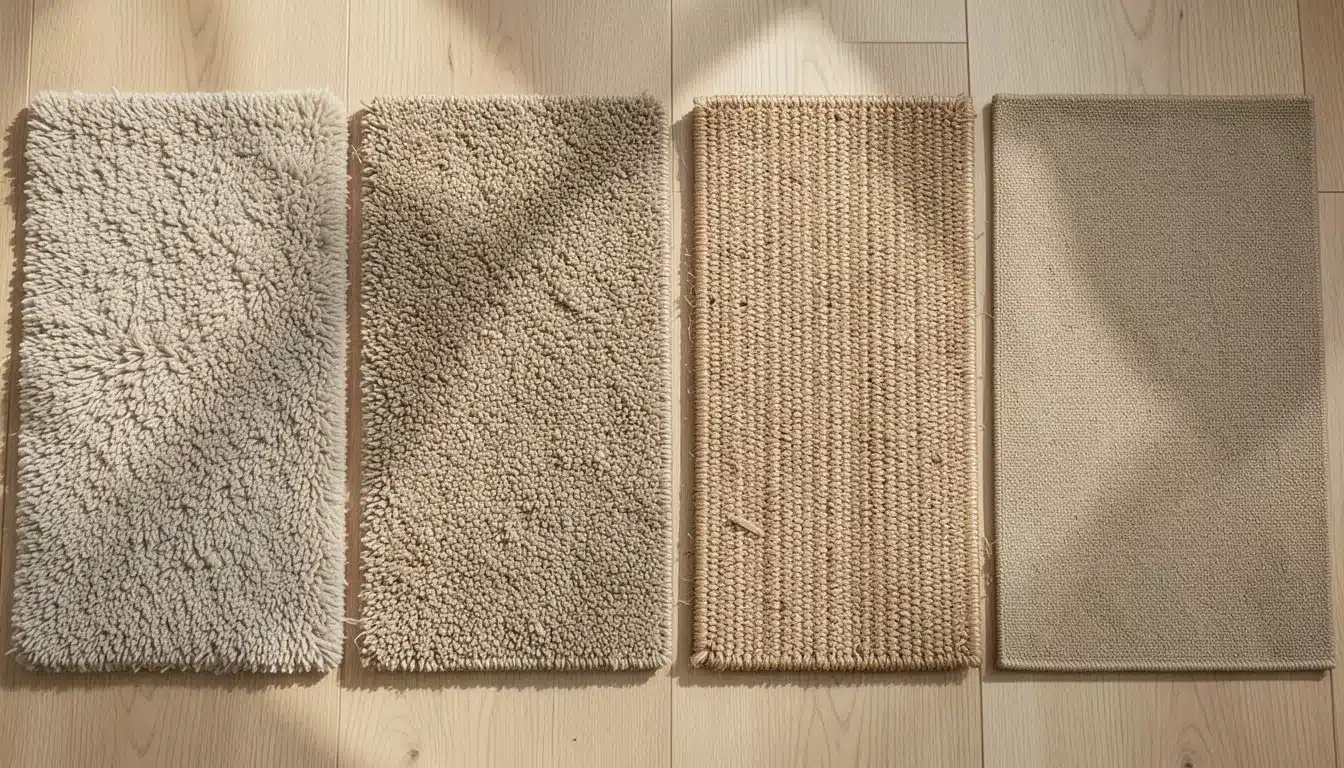
The material you choose directly affects how long your rug lasts and how much upkeep it needs. Here is a simple breakdown based on where you plan to use it.
- Wool: Long-lasting and naturally stain-resistant. Best for high-traffic rooms and family spaces.
- Polypropylene (synthetic): Easy to clean and budget-friendly. A solid pick for homes with pets or kids.
- Jute or sisal: Adds natural texture and warmth. Works best in low-traffic rooms like bedrooms or studies.
- Outdoor-rated blends: UV-resistant and quick to dry. Well-suited for covered patios, mudrooms, and entryways.
How Much Does a 6×9 Rug Cost Compared to Other Sizes?
A 6×9 rug generally costs 20 to 40 percent less than an 8×10 or 9×12 rug in the same style. It offers strong coverage relative to its price, making it a practical choice when budget matters.
Wool options will cost more than synthetic ones, but the size itself keeps the overall price lower than larger formats. If you are deciding between a 6×9 and an 8×10, the 6×9 saves you money.
Just make sure it fits your room correctly first.
Wrapping It Up
Picking the right rug does not have to feel like a gamble. A 6×9 hits a solid middle ground. It is big enough to anchor furniture and small enough to leave your floors some room to breathe.
Once you understand this 6×9 rug size comparison, the choice between a 4×6, a 5×7, or an 8×10 gets a lot clearer. Measure your room first. Mark it out with painter’s tape.
Then check your furniture layout before you place that order. That one step saves a return trip.
If you found this guide helpful or have a question about your specific room, drop it in the comments below.