Why the Planning Phase Determines the Success of Any Home Remodeling Project

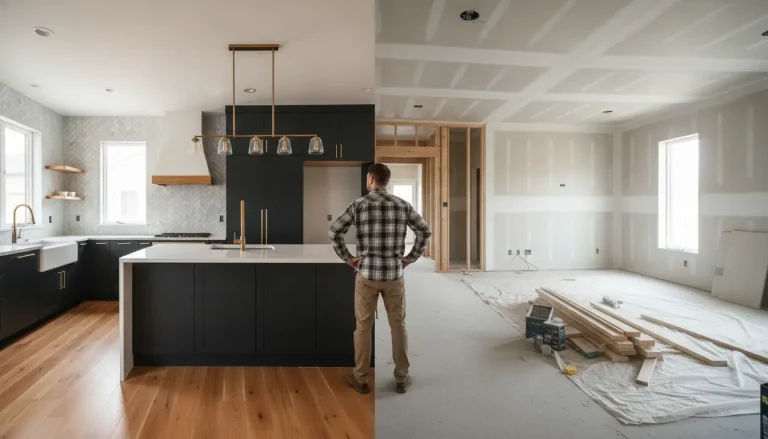
Most homeowners think remodeling begins when demolition starts or when the first materials arrive. In reality, the outcome of a project is often decided long before that point. The planning phase, which tends to get less attention, quietly shapes everything from budget stability to how livable the final space feels.
What makes this phase critical is not just logistics, but alignment. It is where expectations, lifestyle needs, and structural possibilities either come together clearly or remain disconnected. When that alignment is missing, even high-quality construction cannot fully compensate for it.
This is why conversations around Home Remodeling in Thousand Oaks often extend beyond finishes and layouts. The real discussion begins earlier, with how decisions are made before any physical work begins.
The Gap Between Vision and Reality
Every remodeling project starts with a vision. It might come from inspiration photos, previous experiences, or a desire to fix something that no longer works. The challenge is translating that vision into something that fits the actual structure of the home.
Homes have limitations that are not always visible at first. Structural walls, plumbing routes, and electrical systems all influence what is possible. Without addressing these early, plans can shift mid-project, leading to delays or compromises.
Planning is where this gap gets resolved. It is the stage where ideas are tested against reality, not to limit creativity, but to make it more achievable.
Why Early Decisions Have Long-Term Effects
Choices made during planning tend to carry forward into daily life after the project is complete. Layout adjustments, storage placement, and material selections all influence how a space functions over time.
For example, a kitchen redesign is not just about cabinets and finishes. It affects how people move, cook, and interact. A well-planned layout supports daily routines, while a rushed decision may lead to ongoing frustration.
This is why kitchen remodeling services are often approached with careful planning rather than quick execution. The goal is not just visual improvement, but long-term usability.
The Hidden Complexity of Whole Home Changes
When remodeling extends beyond a single room, the level of complexity increases significantly. Whole home renovation projects involve multiple systems working together, often requiring coordination across different areas of the property.
Changes in one part of the home can affect another. Adjusting a layout may impact lighting, airflow, or even how sound travels through the space. Without a comprehensive plan, these connections can be overlooked.
Planning allows homeowners to see the home as a complete system rather than a collection of separate rooms. This perspective leads to more cohesive and functional outcomes.
Budget Stability Starts Before Construction
Budget overruns are one of the most common concerns in remodeling, and they are often tied to planning decisions. When details are unclear at the start, costs become harder to predict. Changes made during construction tend to be more expensive than those made on paper.
A detailed plan reduces uncertainty. It clarifies material needs, labor requirements, and potential challenges. While unexpected issues can still arise, a strong planning phase provides a buffer against major disruptions.
This is where residential remodeling services often focus their expertise, helping homeowners build a realistic financial framework before work begins.
The Role of Bathroom and Functional Spaces

Bathrooms are another example of how planning influences results. These spaces combine design with technical requirements, including plumbing, ventilation, and moisture control. Small changes can have a big impact on both comfort and performance.
Bathroom remodeling ideas that look appealing in isolation may not always translate well into a specific home. Planning ensures that these ideas are adapted to fit the space properly.
It also helps prioritize what matters most, whether that is storage, accessibility, or overall layout efficiency.
Aligning Design with Daily Living Patterns
A successful remodel does not just look good in photos. It works well in everyday life. This requires understanding how the space will actually be used over time.
Planning is where these patterns are considered. It is where homeowners think about how they move through their home, how often spaces are used, and what improvements would make a difference.
Modern home remodeling increasingly focuses on this alignment. Instead of following trends, it prioritizes functionality that supports real routines.
Avoiding Fragmented Design Outcomes
One of the risks in remodeling is ending up with a space that feels disconnected. This often happens when decisions are made in isolation rather than as part of a larger plan. Different materials, styles, or layouts may not blend as intended.
Planning helps maintain consistency. It ensures that each decision supports the overall direction of the project. This creates a more cohesive environment that feels intentional rather than pieced together.
Consistency is not about uniformity, but about creating a sense of flow across the space.
The Importance of Professional Insight Early On
While homeowners bring vision and preferences, professionals bring experience and perspective. In the planning phase, this combination becomes especially valuable.
Professionals can identify potential challenges, suggest alternatives, and refine ideas in ways that improve the final outcome. Their input helps avoid common pitfalls that may not be obvious at first.
This collaboration is often what separates a smooth project from one that requires constant adjustments.
Planning as the Foundation of Customization
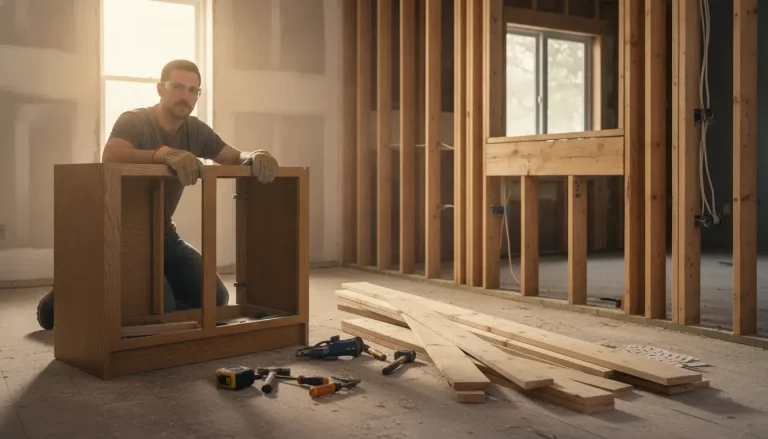
Customization is often associated with finishes and design features, but it actually begins in the planning phase. This is where decisions are tailored to fit specific needs rather than following standard templates.
Custom home upgrades are most effective when they are rooted in thoughtful planning. They reflect not just style preferences, but also how the space will function over time.
Without this foundation, customization can feel superficial rather than meaningful.
Conclusion
The success of a home remodeling project is rarely determined by construction alone. It is shaped by the decisions made before construction begins. The planning phase sets the direction, defines the possibilities, and establishes the conditions for a smooth process.
For homeowners considering Home Remodeling in Thousand Oaks, focusing on this early stage can make a significant difference. It shifts the experience from reactive to intentional, where each step builds toward a clear and functional outcome.
In the end, planning is not just preparation. It is the foundation that supports everything that follows.