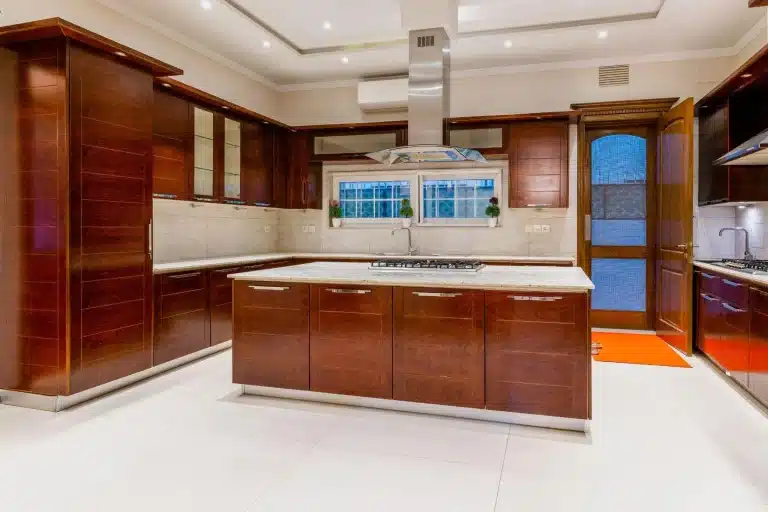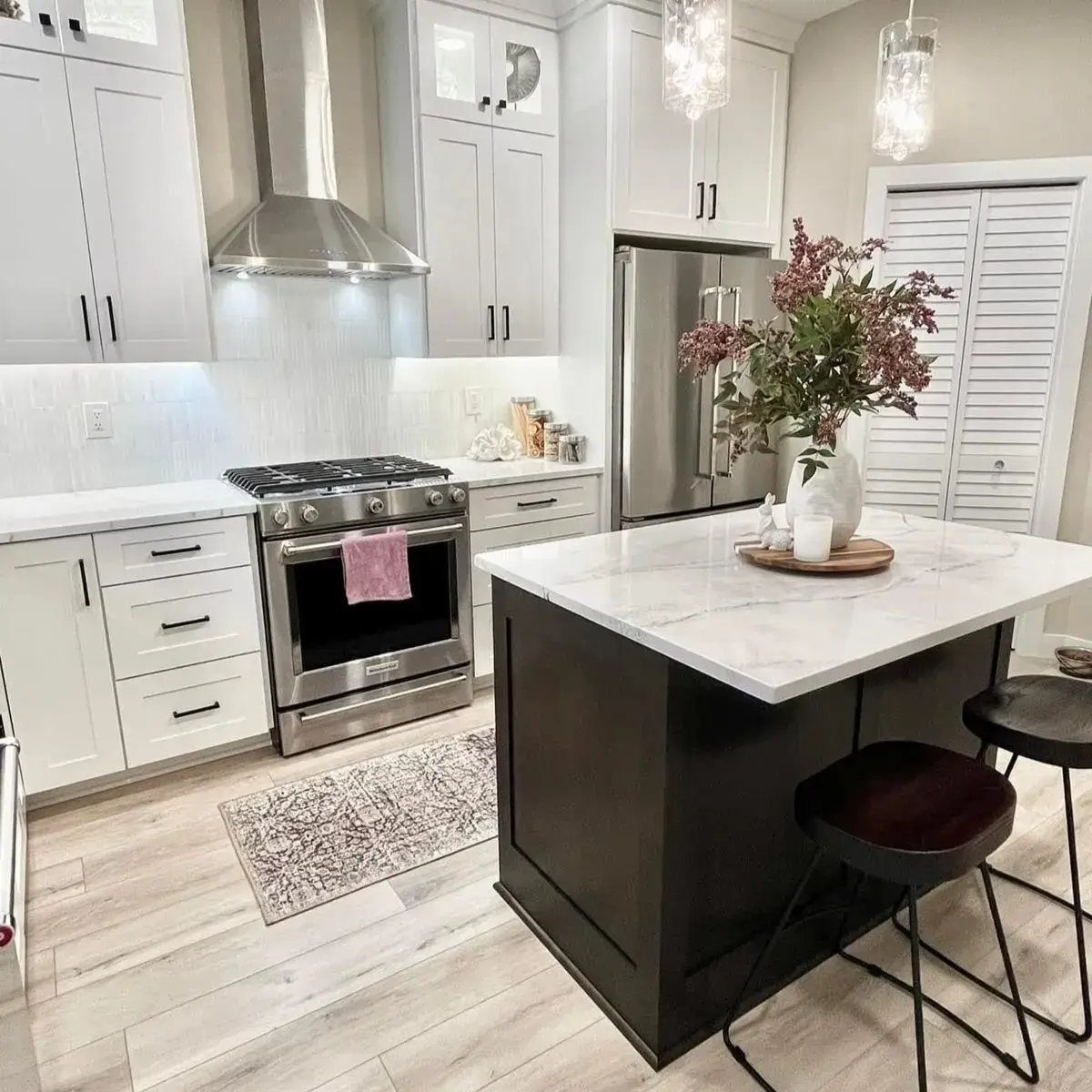
Why Kitchen Layout Mistakes Often Go Unnoticed Until It’s Too Late to Fix Them

Most homeowners don’t immediately recognize when something is wrong with their kitchen layout. In fact, many issues go unnoticed for months or even years. The space still functions, meals still get prepared, and daily routines continue, but there’s an underlying friction that slowly builds over time.
This is what makes kitchen design different from other parts of the home. Problems are not always obvious at first glance. They reveal themselves through repetition, through the small inefficiencies that show up every single day. By the time they become impossible to ignore, fixing them often requires a much larger effort than expected.
That’s why conversations around Kitchen Remodeling in Houston often begin not with aesthetics, but with identifying what isn’t working beneath the surface.
The Illusion of “It Works Fine”
One of the biggest reasons layout issues go unnoticed is because the kitchen still technically works. You can cook, clean, and move around, even if the process feels slightly inconvenient. Over time, these inconveniences become normalized.
People adjust without realizing it. They take extra steps, work around tight spaces, or avoid using certain areas altogether. What feels normal is often just a series of small compromises repeated daily.
The problem is that these adjustments mask the real issue. Instead of fixing the layout, homeowners adapt to it.
When Movement Feels Slightly Off
A well-designed kitchen allows movement to feel natural. You move between cooking, prepping, and cleaning without thinking about it. When the layout is off, that flow is disrupted in subtle ways.
You might find yourself walking longer distances than necessary or constantly turning around to access basic items. It doesn’t feel like a major problem, but it adds up over time.
This is where layout mistakes begin to affect efficiency. Not in dramatic ways, but in small, repeated interruptions that make everyday tasks more tiring than they should be.
The Hidden Cost of Poor Placement
Placement decisions often seem minor during the design phase. Where the sink goes, how far appliances are from each other, or how much counter space is available may not feel critical at first.
But once the kitchen is in use, these details become central to the experience. A poorly placed appliance can interrupt workflow. Limited counter space can make simple tasks feel cramped. Storage that’s not easily accessible can lead to clutter.
These are not immediate deal-breakers, but they slowly reduce how functional the space feels.
Why Storage Issues Show Up Later
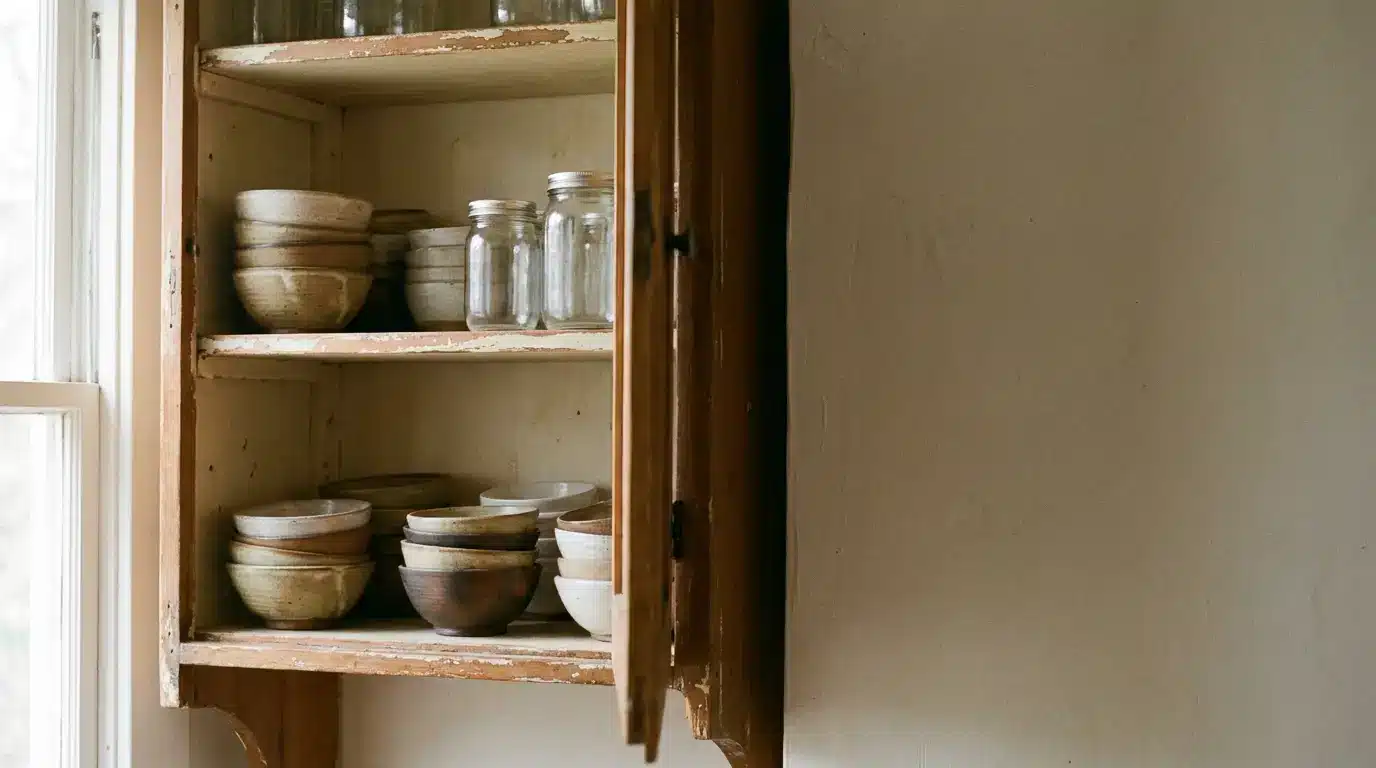
Storage is one of the most underestimated parts of kitchen design. At first, it may seem like there is enough space. Cabinets are installed, drawers are filled, and everything appears organized.
Over time, patterns emerge. Items that are used frequently may not be stored in convenient locations. Some areas become overcrowded while others remain underutilized.
This imbalance creates frustration, but it rarely points directly to a design flaw. Instead, it feels like a usage issue, even though the root cause is often the original layout.
The Disconnect Between Design and Daily Use
Many kitchen designs are based on how a space looks rather than how it functions. Visual appeal becomes the priority, while everyday use is considered later.
This creates a disconnect. The kitchen may look impressive, but it doesn’t fully support daily routines. Tasks take longer, movement feels less efficient, and the space doesn’t adapt well to real-life use.
That’s why effective remodeling focuses on bridging this gap. It aligns design decisions with how the kitchen will actually be used.
When Small Frustrations Turn Into Major Changes
At first, layout issues are easy to ignore. They don’t stop the kitchen from functioning, and they don’t seem urgent enough to fix. But over time, these small frustrations build up.
Eventually, they reach a point where the space no longer feels comfortable. What was once manageable becomes inconvenient, and what was once overlooked becomes obvious.
This is often when homeowners begin to consider remodeling. Not because something broke, but because the space no longer works the way it should.
The Challenge of Fixing Layout Mistakes Later
Correcting layout issues after a kitchen is already built is not simple. It often involves moving plumbing, electrical systems, and structural elements. What could have been addressed early becomes a more complex and costly process.
This is why early planning matters, even if it’s not immediately visible in the final design. Decisions made at the beginning determine how flexible the space will be later.
Once everything is in place, changes become harder to implement without significant disruption.
Why Experience Matters in Layout Planning
Recognizing potential layout issues before they happen requires experience. It’s not always obvious from drawings or initial plans. It comes from understanding how kitchens are actually used over time.
Professionals who specialize in kitchen remodeling services often look beyond surface-level design. They consider movement patterns, storage habits, and how different elements interact with each other.
This perspective helps prevent problems that homeowners might not anticipate on their own.
Looking Beyond the Immediate Result
A kitchen remodel is often judged by how it looks once completed. While appearance is important, it does not determine long-term satisfaction. The real test comes with daily use.
A well-designed kitchen continues to feel comfortable and efficient over time. It supports routines without requiring constant adjustment. It adapts naturally to how people live.
This long-term perspective is what separates a functional layout from one that only looks good initially.
Conclusion
Kitchen layout mistakes rarely announce themselves early. They exist quietly, hidden behind routines and adjustments that make them seem less important than they are. By the time they become clear, fixing them is often more complicated than expected.
For homeowners considering Kitchen Remodeling in Houston, recognizing these patterns early can make a significant difference. It shifts the focus from surface-level changes to deeper improvements that affect how the space actually works.
In the end, the success of a kitchen is not defined by how it looks on day one, but by how it performs every day after.