7 Ways ABA Therapy Supports a Child’s Growth and Development

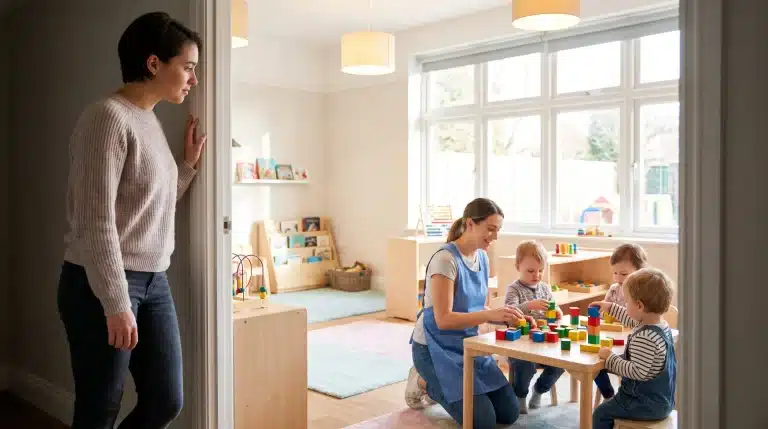
Child development depends on repeated practice, responsive teaching, and steady routines that fit daily life. Applied behavior analysis supports that process by turning broad goals into small, observable steps. Clinicians may target language, play, self-care, attention, or social interaction with methods that can be measured over time. Families often need practical guidance that connects clinic work with home, school, and community experiences, so progress becomes useful, visible, and easier to sustain.
Early Progress Starts With Clear Goals
Early support often begins once caregivers see delays in language, behavior, or play and need a clearer plan. Local resources, such as ABA autism in Oswego, may focus on functional communication, daily routines, and behavior patterns that affect each day. With defined targets, adults can track change more accurately, while children practice skills that carry into meals, transitions, learning time, and community activities.
Communication Becomes More Practical
Communication growth often starts with needs, not long conversations. A child may first learn to request food safely, ask for help, or refuse an unwanted task. Therapists teach those skills through repetition, prompting, and reinforcement linked to meaningful outcomes. As language becomes more functional, frustration can decrease, and participation may increase during family routines, classroom tasks, and simple social exchanges with peers.
Social Skills Grow Through Repetition
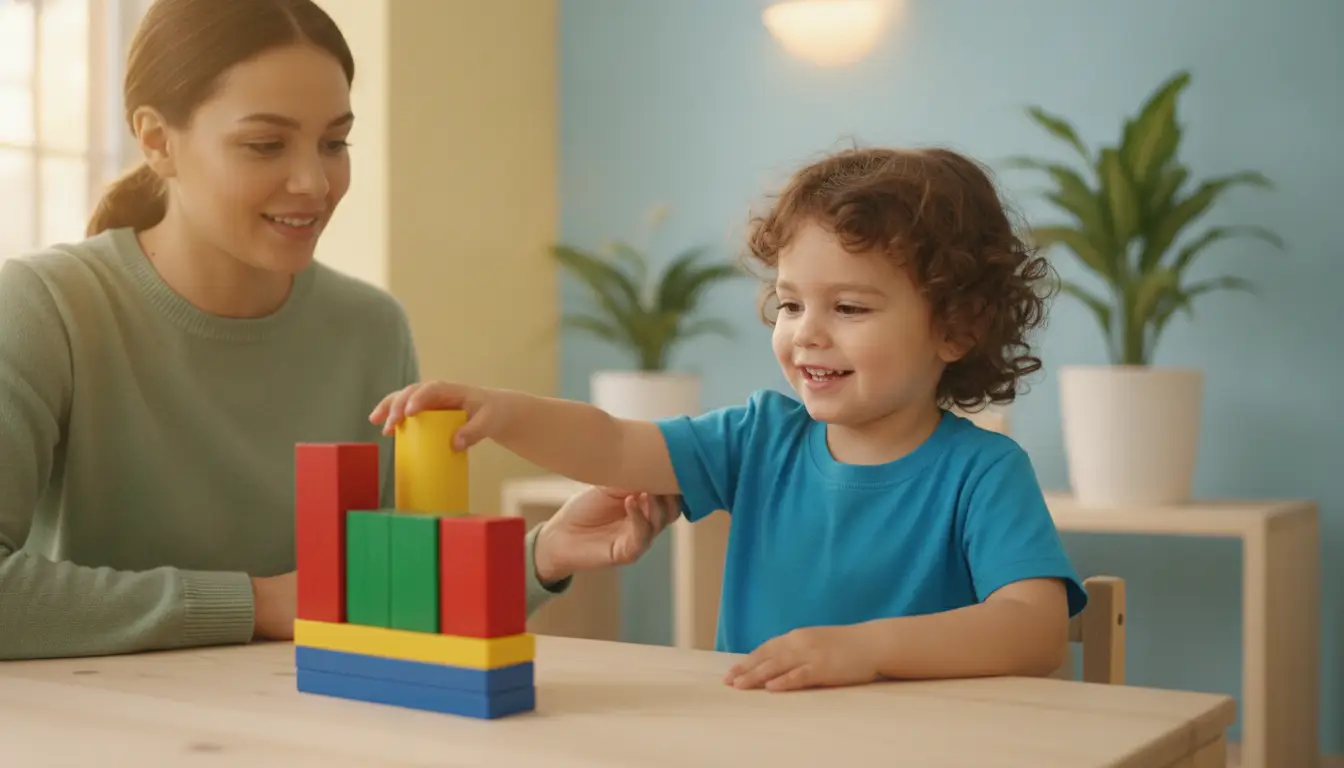
Social learning rarely appears on command, and many children need direct teaching before peer interaction feels manageable. Therapy can address greeting, waiting, joint attention, turn-taking, and reading facial cues during structured activities. Practice usually happens during games, shared tasks, and short play routines. Over time, repeated exposure may help children stay engaged longer, respond more appropriately, and recover more smoothly from social confusion.
Daily Routines Feel More Manageable
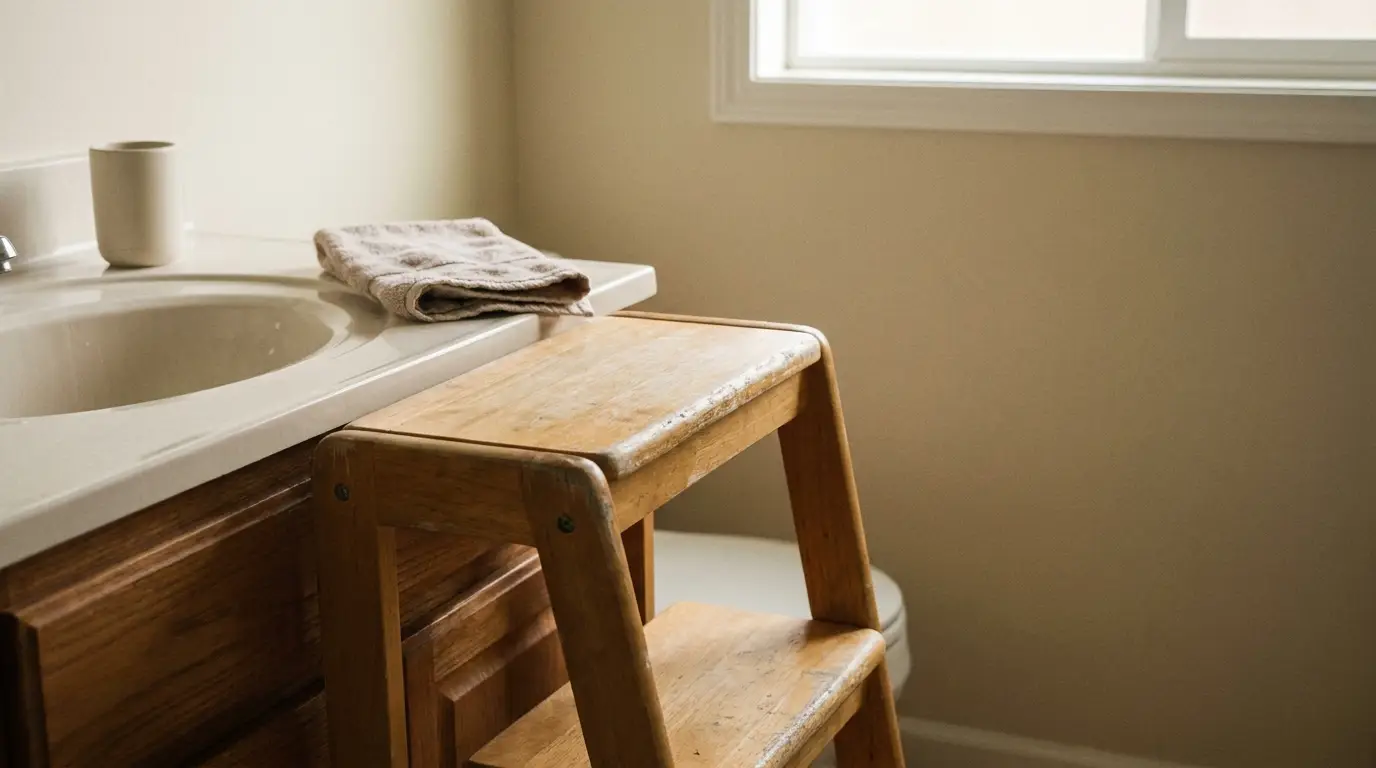
Daily care tasks can place a heavy demand on planning, motor control, and attention. For that reason, therapists often separate dressing, washing, toileting, and mealtime into smaller actions. Each part is practiced until the sequence becomes more familiar and easier to perform. When those routines improve, mornings may feel less rushed, transitions can become smoother, and children often gain confidence through ordinary success.
Challenging Behavior Gets a Closer Look
Behavior usually communicates a need, even when the message is hard to interpret. Instead of reacting only to the outburst, clinicians examine triggers, body state, timing, and consequences that may keep the pattern going. That process helps adults teach safer replacement responses. A child might learn to request a break, tolerate delay, or signal discomfort before escalation begins.
Learning Skills Carry Into Real Life
A skill has limited value if it appears only in a single room and nowhere else. Therapy, therefore, aims for transfer across settings, people, materials, and routines. A request learned during play should also work at lunch, during class, or while leaving the house. Lasting progress depends on that carryover because children need reliable access to skills where demands naturally occur.
Practice Stays Consistent
Consistency reduces confusion and helps children predict what comes next. When caregivers and clinicians respond in similar ways, progress is often easier to maintain and measure.
Independence Builds Step by Step
Independence usually grows through small gains, not sudden leaps. One child may learn to follow a brief direction without a prompt, while another begins completing a short routine alone. Those changes matter because independent action reduces reliance on adults during transitions and daily care. It also supports self-confidence by giving children more control over familiar parts of the day.
Families Gain Tools They Can Use
Children make stronger progress when adults use the same practical strategies outside formal sessions. Many programs teach caregivers how to prompt, reinforce, and shape routines during meals, play, dressing, or bedtime. That shared approach can reduce mixed signals and improve follow-through. With more chances to practice in natural settings, children often show steadier gains across the week.
Conclusion
Applied behavior analysis supports growth by teaching useful skills in a clear, observable, and practical way. Communication, self-care, social participation, and independence can improve when goals are broken into manageable parts and practiced consistently. Progress may appear gradual, yet those steady changes often shape confidence, comfort, and daily function. With thoughtful support, children can build habits that help them participate more fully at home, in school, and throughout their community.