What Are the Best Methods to Soften Hard Water?

Hard water is a common home problem that causes spotty dishes, dry skin, and damaged appliances. You might notice white buildup on faucets or feel that soaps don’t lather well. These signs point to high mineral content in your water that needs fixing.
I can show you effective methods to turn hard water into soft water without complex equipment or big spending. In this guide, I’ll share both quick fixes like vinegar and baking soda as well as long-term solutions such as filters and softening systems.
By the end, you’ll know which method fits your needs based on your water hardness, budget, and home setup. Let’s make your water better for your skin, clothes, and plumbing.
Why Do We Need to Soften Hard Water?
Hard water causes many home troubles that can hit your wallet and daily life. The minerals in hard water build up in pipes and appliances, making them break down faster and use more energy.
When you shower, these same minerals dry out your skin and hair. They also make soap less effective, so you use more cleaning products with worse results. Dishes come out spotty, clothes feel stiff, and you might see white scale on faucets and tubs.
By softening your water, you protect your home, improve your daily comfort, and save money on soaps, repairs, and energy bills.
What Are the Best Methods to Soften Hard Water?
1. Boiling Water
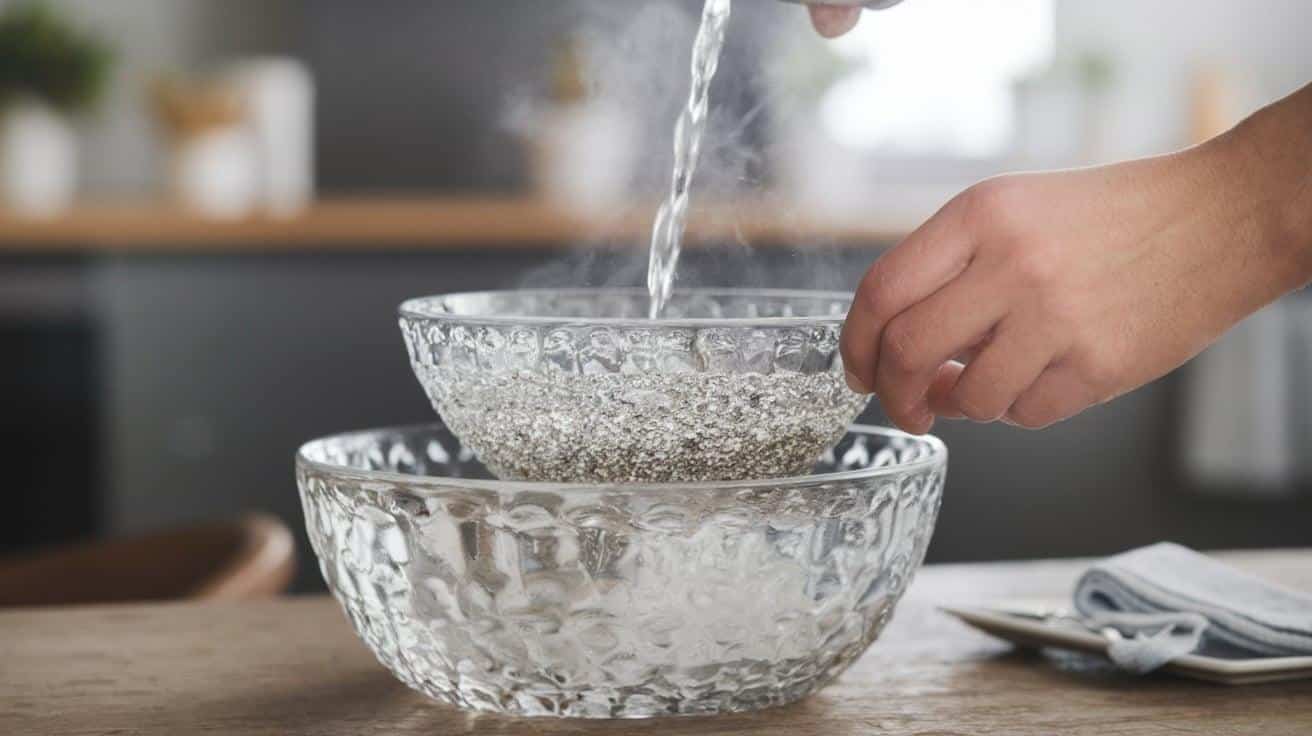
This simple method works well for water with temporary hardness. The heat makes calcium minerals form solids that sink to the bottom. After cooling, pour the water carefully to leave the sediment behind.
This works for small amounts of water but isn’t practical for whole-house needs or permanent hardness issues.
2. Ion-Exchange Water Softeners
These systems use small resin beads that swap calcium and magnesium for sodium or potassium. When water flows through the tank, the minerals stick to the beads. When full, the system cleans itself with salt water.
This method works for the whole house and even handles very hard water.
3. Natural Remedies
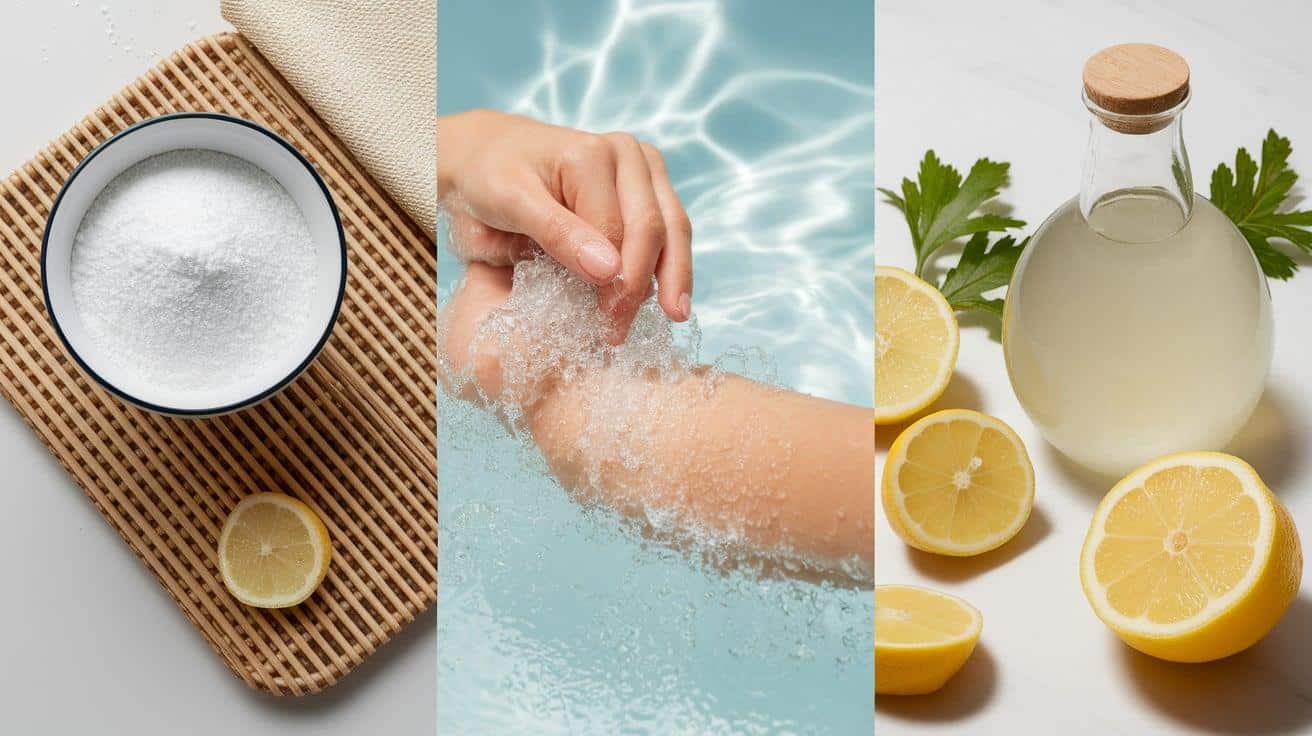
Household items can help reduce the effects of hard water. Baking soda in bath water makes the skin feel smoother. White vinegar removes scale from fixtures and helps clean laundry. Lemon juice, due to its acid content, works similarly to vinegar.
These methods are low-cost but need regular use.
4. Reverse Osmosis (RO)
This method forces water through a thin membrane that blocks minerals. The clean water collects on the other side, free from calcium and magnesium. RO systems fit under sinks or work as whole-house units.
They produce very clean water but waste some water during the process.
5. Shower Head Filters
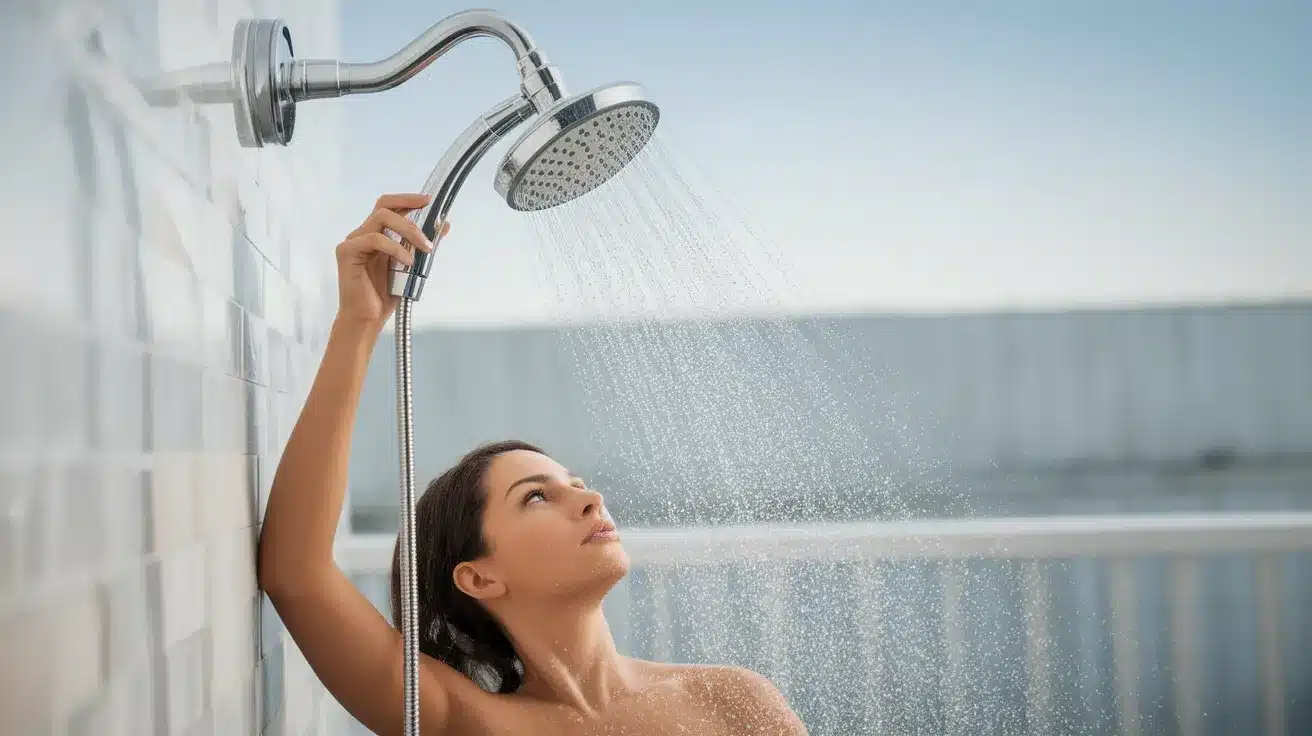
These attach to your shower pipe and reduce minerals before water reaches you. Most use special filter media that traps calcium and other minerals. They protect your skin and hair from hard water effects and prevent scale on shower walls.
They’re simple to install but need regular filter changes.
6. Magnetic and Electronic Conditioners

These devices attach to your water pipes and change how minerals act in water. They don’t remove minerals but make them less likely to stick to surfaces. They use no salt, waste no water, and need little upkeep. Results vary based on water type and home setup.
Comparing Water Softening Methods: Pros and Cons
| Method | Pros | Cons |
|---|---|---|
| Boiling Water | Fast and simple for small use. | Only works for temporary hardness. |
| Ion-Exchange Softeners | Best for long-term, whole-house use. | Needs upkeep and salt refills. |
| Reverse Osmosis | Removes most minerals completely. | Wastes water and needs maintenance. |
| Natural Methods | Cheap and easy to try. | Short-term fix, not for big needs. |
| Shower Head Filters | Simple to install, softens at the source. | The filter needs frequent changes. |
| Magnetic Conditioners | No salt or chemicals are needed. | Results can vary by water type. |
How to Choose the Right Water Softening Method for Your Needs
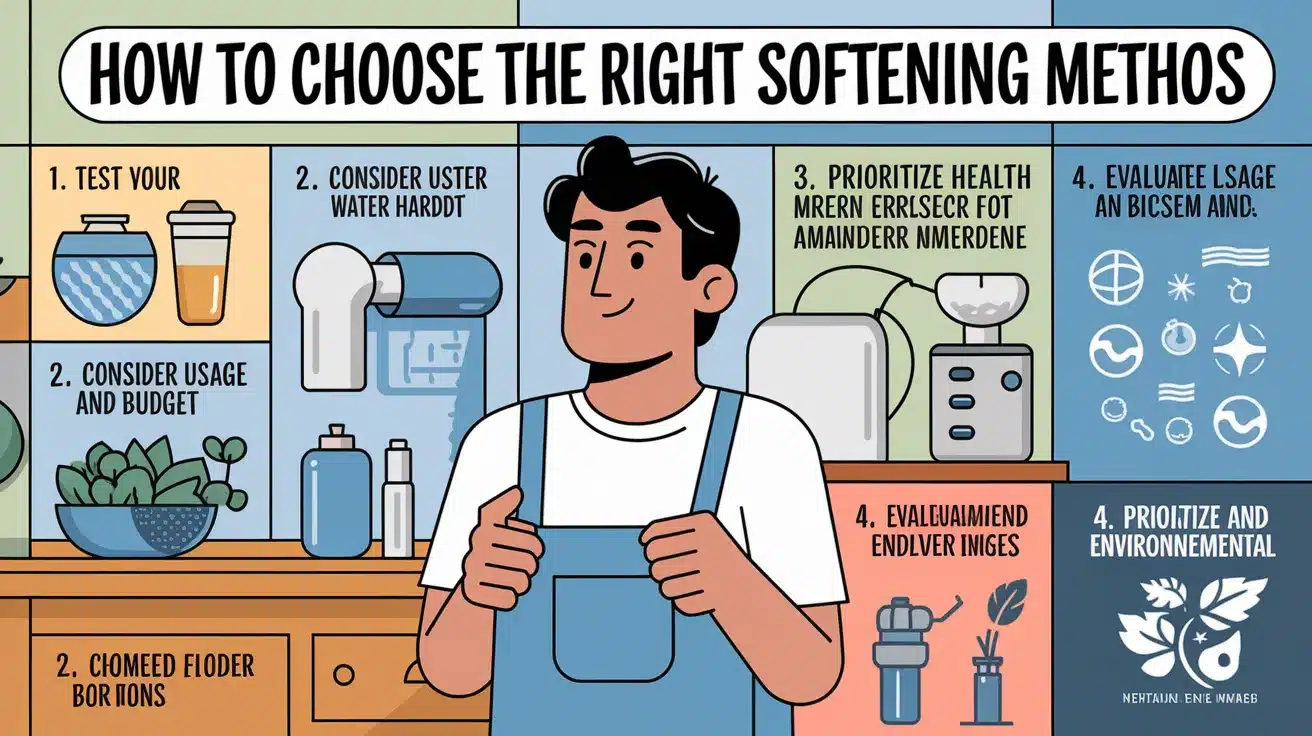
1. Test Your Water Hardness
Before picking any solution, find out how hard your water truly is. Buy a test kit from a local store or call your water company for testing. The results will show if you have mild, moderate, or very hard water.
This helps you avoid spending too much on a system that’s bigger than you need or too little on one that can’t handle your water’s mineral content.
2. Consider Usage and Budget
Think about how much water your home uses daily. A family of four needs a different system than a single person. Look at your starting budget and ongoing costs. Some methods cost less upfront but more over time.
Water softeners have higher initial costs but might save money long-term by protecting your pipes and appliances from damage.
3. Evaluate Long-Term Costs
Look beyond the price tag. Salt-based softeners need regular salt refills, filters need replacement parts, and some systems use extra water or electricity. Add up these costs for several years to see the true price of each option.
The cheapest system today might cost more over five years than a mid-priced one with lower running costs.
4. Prioritize Health and Environmental Impact
Think about how each method affects your health and local water systems. Salt-based softeners add sodium to water and send salty water down drains. If you have health concerns or live where salt discharge is restricted, look at salt-free options.
Consider systems that use less water and fewer chemicals for a smaller footprint on the planet.
Alternate Approaches to Consider
- Combination Methods: Pair a whole-house softener with point-of-use filters for complete protection and better drinking water quality.
- Descaling Systems: These prevent scale without changing water chemistry, keeping healthy minerals while protecting pipes.
- Salt-Free Conditioners: These conditioners convert hard minerals to crystal form so they don’t stick to surfaces, ideal for low-sodium households.
- Distillation for Drinking Water: This process creates pure water by collecting steam, removing nearly all minerals and impurities for drinking.
- Hydration Stations with Pre-Filtered Water: Install filtered water taps in kitchens and bathrooms for clean, soft water where you need it most.
Common Mistakes to Avoid When Softening Water
| Mistake | Why It’s a Problem |
|---|---|
| Using Incompatible Methods | Reduces effectiveness when mixed incorrectly. |
| Ignoring Maintenance | Causes systems to fail or work poorly. |
| Over-Soften Water | It may corrode pipes and increase sodium in water. |
| Neglecting Hardness Testing | You won’t know if your method is working. |
| Relying on Temporary Solutions | Doesn’t solve the root problem long term. |
Conclusion
Hard water doesn’t have to remain a daily struggle in your home. After exploring these methods, you can now make an informed choice that fits your situation. Remember to test your water hardness first, then select a solution that balances effectiveness with your budget.
The best approach might change based on your needs – perhaps a shower filter for renters or a whole-house system for homeowners. Whatever you choose, your efforts will pay off through longer-lasting appliances, softer skin, cleaner dishes, and less scrubbing.
Ready to take action? Start with a simple test kit, then implement one method at a time. Your pipes, skin, and wallet will thank you. Still have questions? Leave a comment below about your hard water challenges.
Frequently Asked Questions
1. How Much Salt Do I Need for a Water Softener?
Most homes use about 1-3 bags of salt per month, depending on water hardness and household size.
2. Can I Drink Softened Water?
Yes, softened water is safe to drink, though people on strict low-sodium diets might prefer a separate tap with unsoftened water.
3. How Often Should I Change My Shower Filter?
Most shower filters need replacement every 3-6 months, but check your specific model’s instructions.
4. Will a Water Softener Fix My Rusty Water?
No, rust (iron) requires a specific iron filter – a standard water softener alone won’t fully solve this issue.