Why Active Play and Exploration Matter in Early Childhood Care in Wallingford, CT

Many parents assume that early childhood programs are mainly about preparing children for kindergarten through structured lessons and academic activities. But the research tells a different story. For children under five, active play and free exploration are not breaks from learning. They are the learners. Families in Wallingford who understand this tend to approach childcare decisions with a much clearer sense of what to look for in a quality program.
What Active Play Actually Does for Young Children
When you look at a program offering preschool and daycare in Wallingford, one of the first things worth paying attention to is how much of the day children spend in active, self-directed play. This kind of activity builds more than physical fitness. It develops attention span, problem-solving ability, and the capacity to work through frustration, all skills that children will use long after they leave the early childhood classroom.
Active play also strengthens the connection between the body and the brain. When children run, climb, build, pour, stack, and take things apart, they are developing motor skills and spatial reasoning at the same time. These are not separate from academic readiness. They are part of what makes a child ready to sit, focus, and learn in a more structured setting later on.
How Exploration Supports Curiosity and Confidence
Exploration is how young children make sense of the world. When a child is given the freedom to investigate materials, test ideas, and repeat an activity until they understand it, they are building genuine curiosity rather than just following instructions. A program that leaves room for this kind of open-ended discovery produces children who are more comfortable with uncertainty and more willing to try things that are new or difficult.
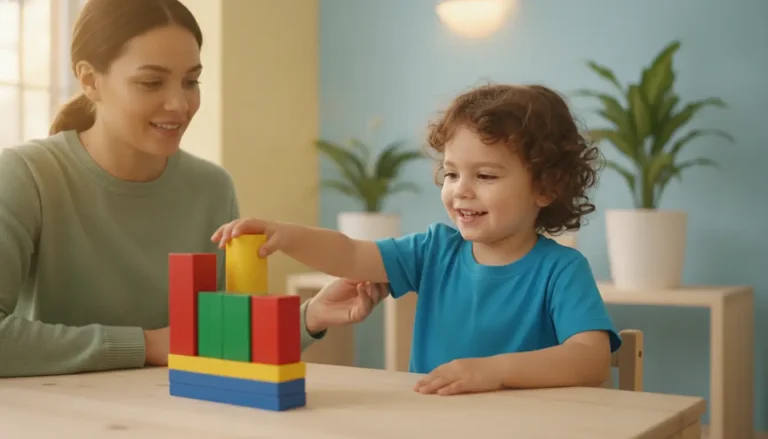
Confidence in young children does not come from praise alone. It comes from the experience of figuring something out independently. When a child builds something, takes it apart, and builds it again, or figures out how water moves through a tube, they are learning that their efforts lead to real results. That kind of self-trust is hard to teach directly but grows naturally through consistent exploration.
Why the Outdoor Environment Matters
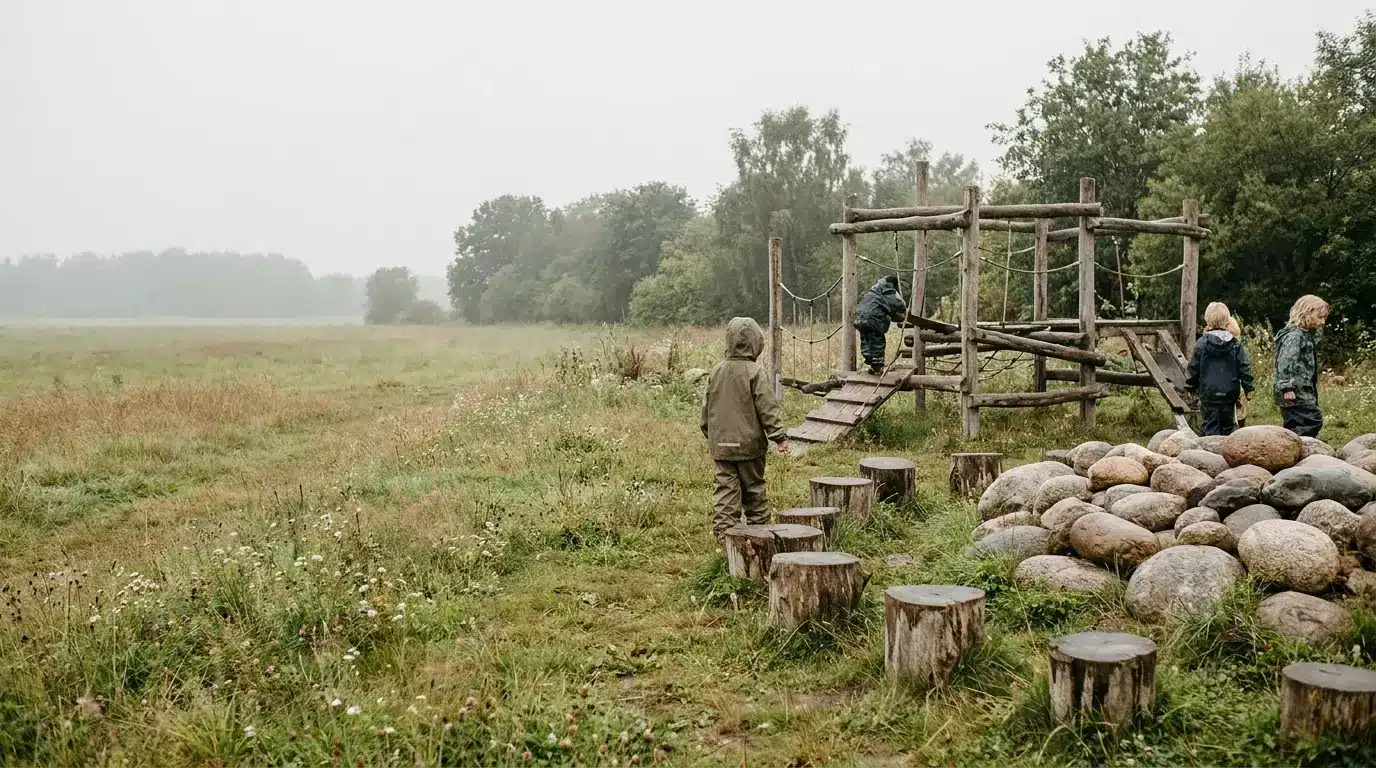
Outdoor time in a quality early childhood program is not just recess. When it is designed well, the outdoor environment becomes an extension of the classroom. Children in outdoor settings encounter natural materials, unpredictable terrain, and sensory experiences that an indoor space simply cannot replicate. These encounters build adaptability and sensory awareness in ways that support development across multiple areas.
In a place like Wallingford, where the seasons change significantly, outdoor play also teaches children to engage with the world as it actually is, rather than a controlled version of it. Programs that take outdoor time seriously, year-round and in varying weather, signal that they understand how children learn best rather than just keeping them comfortable.
The Connection Between Movement and Emotional Regulation
Children who get regular opportunities for physical activity throughout the day are generally better able to manage their emotions and behavior. It is not a coincidence. Movement helps regulate the nervous system, and children who have moved their bodies are more settled and ready to focus when quieter activities begin. Programs that limit physical activity in favor of seated learning often see more behavioral challenges, not fewer.
When a child has the chance to run, jump, and use their whole body during the day, they arrive at calmer moments with less pent-up energy and more capacity to listen, engage, and cooperate. Building movement into the daily routine is a practical strategy for emotional health, not just a developmental nicety.
What to Look for When Visiting a Program
If you are touring early childhood programs in Wallingford, here are a few specific things to observe:
- How much of the day is scheduled for open, child-directed play versus structured activities
- Whether outdoor time is built into the daily routine or treated as optional
- How teachers interact with children during play, whether they engage, observe, and support rather than simply supervise
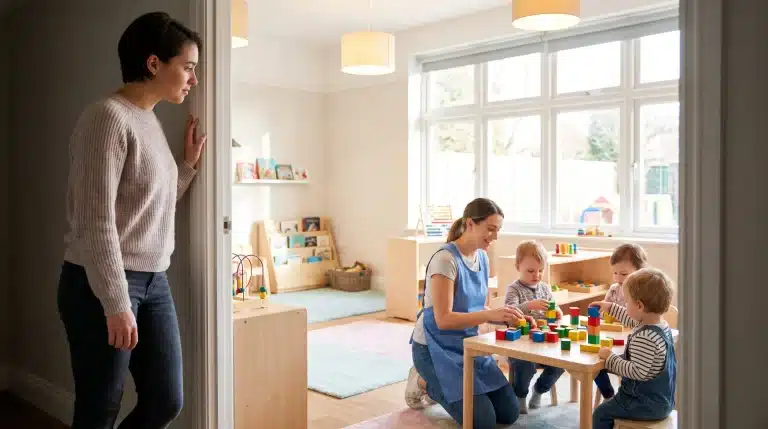
- Whether the indoor environment has materials that children can access and use independently
- How the program handles transitions between active and quiet periods
These details tell you more about a program’s actual approach than its marketing language ever will.
Giving Your Child a Strong Start Through Play-Based Care
Choosing a program that takes active play and exploration seriously is one of the most practical decisions you can make for your child’s early development. Children who spend their early years in environments that support movement, curiosity, and hands-on discovery tend to enter school with stronger skills across the board. In Wallingford, families who prioritize this approach are giving their children more than a good first experience with learning. They are building the habits of mind that make lifelong learning possible.