The Relationship Between Food Writing and Cultural Identity

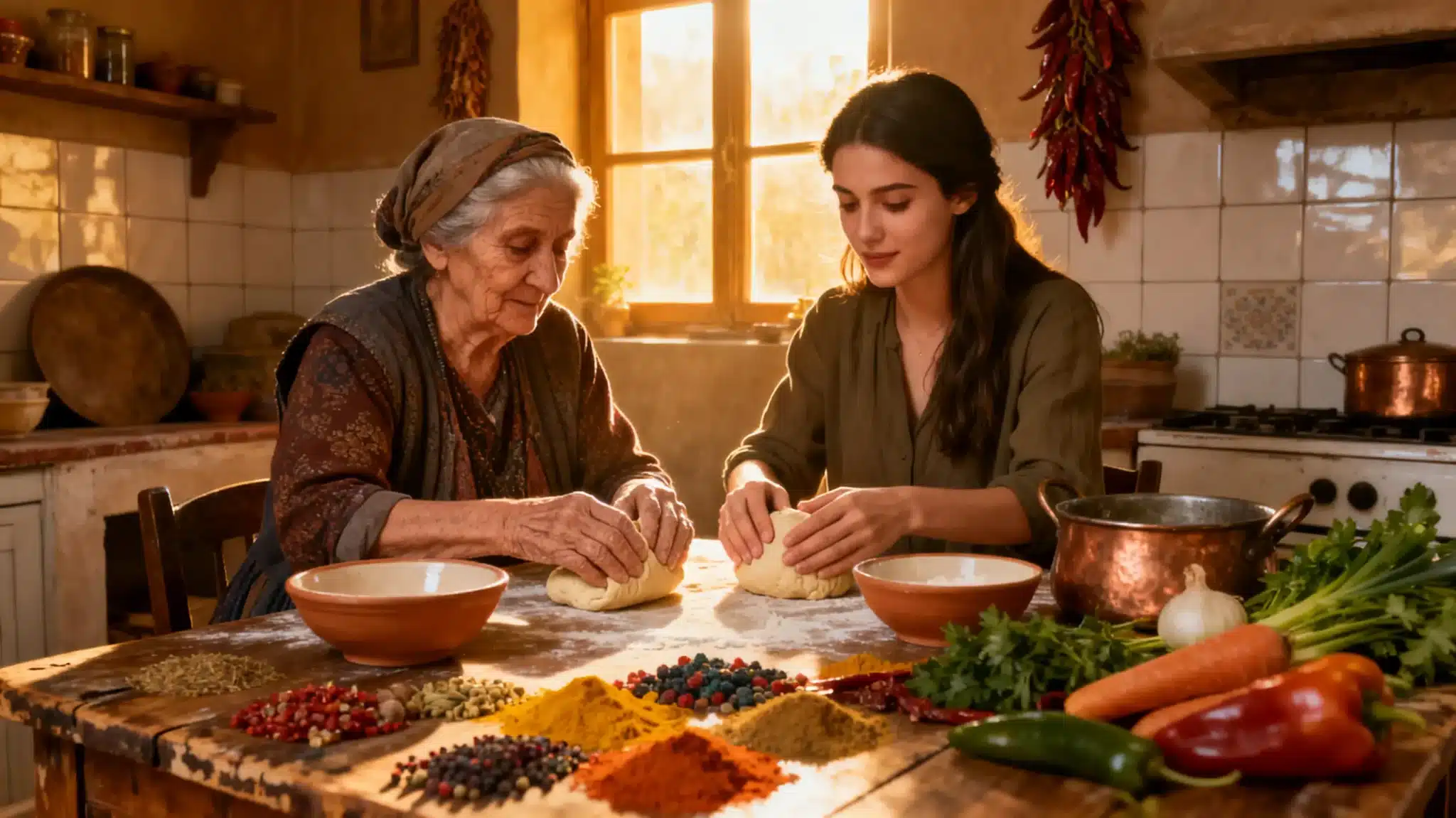
Food writing reflects culture and memory through taste and story. It captures daily life and shared habits. It turns meals into language that carries history and place. It also links identity with what people cook and how they describe it.
Cultural identity grows in recipes and stories passed across families and markets. Readers often explore archives and free books that preserve food traditions. Such writing shows how dishes shape belonging and memory across regions and generations in daily life today.
Food Writing as Cultural Memory
Food writing holds memory through simple dishes and local language. It records how people cook at home and in public spaces. It also shows migration paths and seasonal habits. Writers use taste and smell to connect readers with lived experience and cultural roots that stay strong over time in everyday settings across regions today stories.
Food writing also shapes how identity appears in everyday speech. It turns cooking notes into cultural records. Markets kitchens and homes all become sources of meaning. The language of food builds bridges between past and present and helps communities hold shared understanding through familiar meals and rituals and lasting cultural expression across generations today now.
Taste Identity and Place
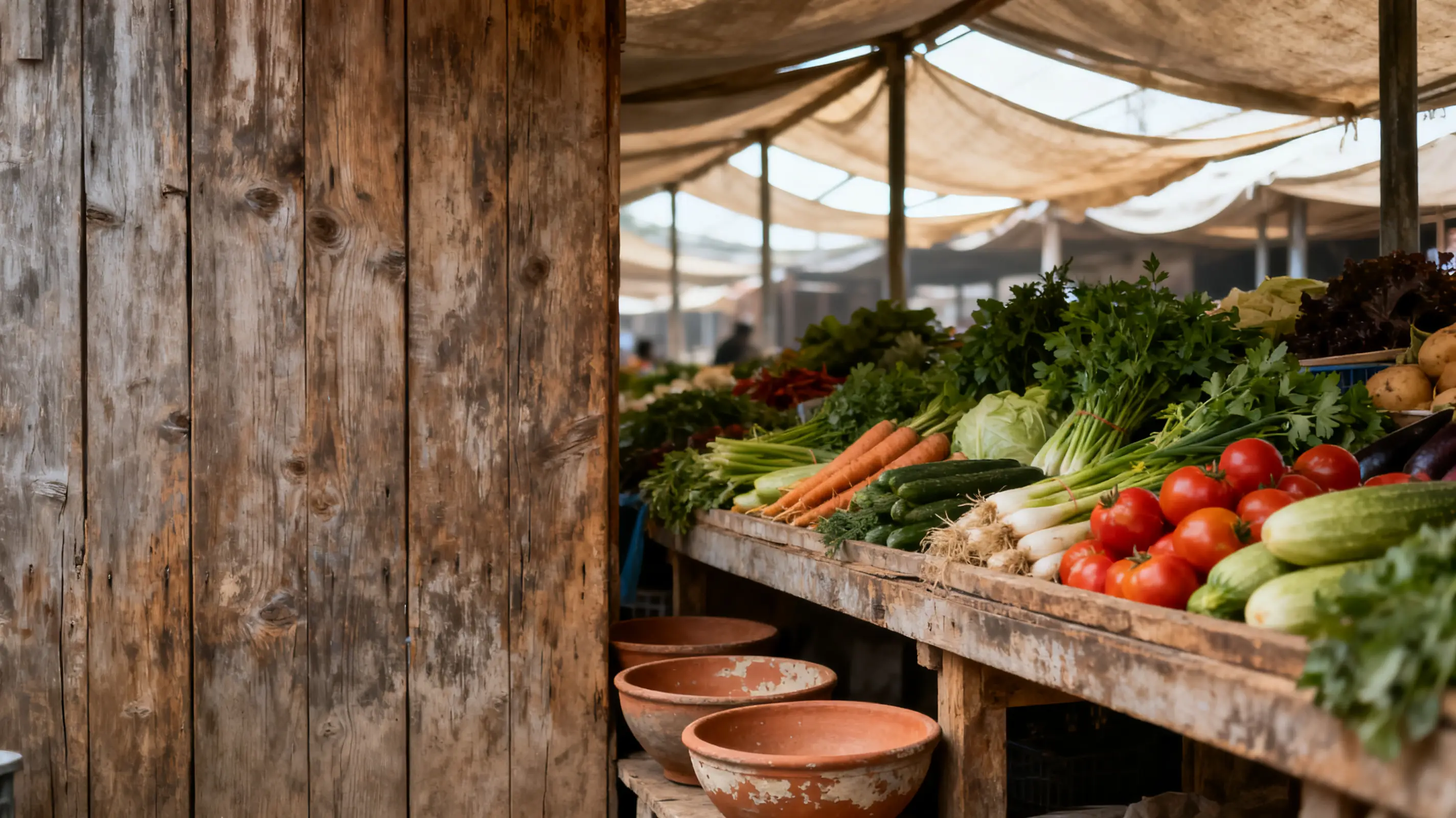
Taste shapes how places are remembered through food writing. Streets markets and kitchens become symbols of identity. Writers describe meals as markers of belonging and change. Each description builds a map of culture through flavor and shared experience that reflects both history and daily life across communities that connects people through food stories across regions and seasons today in life.
Food writing reveals deeper patterns of identity and place:
Food Memory Layers
Food writing stores memory in texture aroma and rhythm of meals. It captures family customs and street food scenes. These details form emotional records that reflect identity over time. The writer uses simple language to show how dishes carry meaning across generations and regions without heavy explanation or complex framing.
Food Market Voices
Markets show living culture through food writing and local speech. Vendors describe ingredients with pride and skill. Each stall becomes a story of place and craft. These voices shape understanding of community life and everyday exchange. The writing keeps attention on real interactions and shared routines that define local culture.
Seasonal Food Patterns
Seasonal food writing follows cycles of harvest weather and tradition. It shows how menus change with time and environment. Writers describe how communities adapt cooking styles and ingredient choices. This approach highlights connection between nature and daily meals while keeping focus on practical habits that shape cultural identity in clear form.
Food writing captures living rhythm and keeps attention on everyday change across culture and environment.
Food Writing and Identity Today
Food writing reflects identity in modern culture through stories of migration and shared meals that define belonging and personal memory clearly. It continues to evolve as writers document food traditions across communities and highlight how taste connects people with heritage and everyday life always.
Food Writing and Shared Meaning
Food writing creates shared meaning through stories that connect culture and memory across families markets and local spaces around the world naturally continues.
It remains a living form of expression that keeps cultural identity present in daily meals and spoken traditions across generations in shared life.