How to Plan a Night Out With Friends Without Defaulting to Bars

Yes, people can have fun and enjoy themselves without resorting to alcohol. That idea sounds somewhat obvious, yet there are many groups that still drift to the same plan: meet, sit, drink, repeat. A night out soon becomes a routine instead of an experience people want to remember. There’s a simple truth hiding in humans: we want connection, movement, a reason to laugh. Alcohol is often there, in the center of things, only because nobody paused to think of other options. With a little intention, the evening can open up. Games can appear, food can become an outstanding event, and conversation can enjoy some space. You can plan a night out with friends without defaulting to bars and still return home with stories worth repeating the next morning, too.
Start With a Clear Mood for the Evening
Every good evening should begin with a simple question: what kind of energy should the night carry? Some people want action; others might want conversation and slow discovery. If you’re the one organizing the outing, you should decide this early. A focused mood will keep the plan clear and prevent the group from drifting into the usual bar routine.
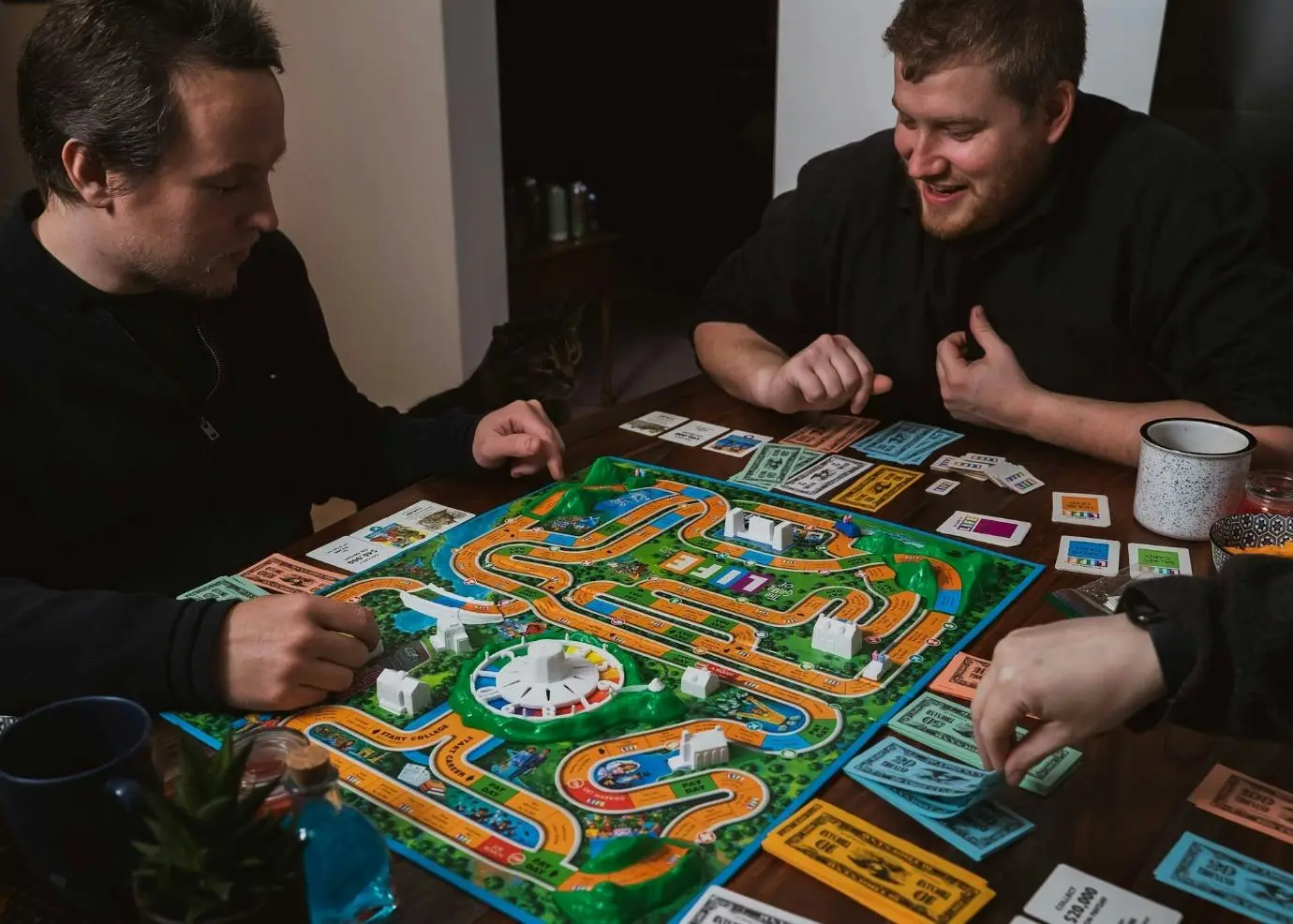
People respond well to a theme, even if it’s a small one. A board game café can create friendly competition. A late museum event might inspire curiosity. A street food walk turns dinner into an activity instead of a stop between drinks. Each of these ideas will give the group a reason to move, react, and share comments.
The goal is simple: give the night a center that encourages participation. When people stay active, conversation can flourish without much effort. Laughter arrives sooner; phones stay in pockets. A night that starts with purpose rarely collapses into boredom.

Change the Environment to Change the Habit
Habits follow places. When a group meets in the same district every weekend, the same bars appear again and again. The solution sounds simple, yet it works: move the evening somewhere else.
For people interested in cutting back on drinking, small changes in routine can have a surprisingly positive impact. Tracking alcohol consumption, setting personal limits, and choosing activities that do not center around drinking are all practical ways to reduce intake over time. Many people also find that changing their usual social environment helps break automatic habits and makes cutting back on drinking feel more manageable and sustainable.
A fresh environment does exactly that. A night market, an outdoor film screening, or a late dessert café pushes the group into a different rhythm. People explore the area, comment on the surroundings, and react to new sights. Attention spreads across the experience. Alcohol stops acting as the central activity.
Activities Create Natural Conversation
Conversation flows best when people are sharing a task. A small activity keeps energy moving through the group. It removes the awkward pause that sometimes appears in social gatherings.
Simple activities work well. Bowling lanes bring playful competition, and escape rooms encourage teamwork and quick thinking. A casual cooking class invites everyone to chop, taste, and comment. The evening becomes interactive. When people use their hands or solve problems together, stories emerge during the activity. Jokes travel across the table. Even that one quiet friend suddenly joins the moment.
Why Rethinking Nights Out Matters
Social habits around alcohol affect many communities. Data helps explain why fresh ideas for group outings matter. According to the National Institute on Alcohol Abuse and Alcoholism and the 2024 National Survey on Drug Use and Health, 27.9 million people ages twelve and older (or 9.7 percent of that age group) had alcohol use disorder (AUD) in the past year.
Many social plans revolve around drinking because people assume it’s the simplest path to connection. In truth, that assumption often limits creativity.
Food Can Become the Main Event
Dinner will often act as a short stop before the “real” night begins. That habit wastes a good opportunity. Food can carry the entire evening if the group treats it as an experience.
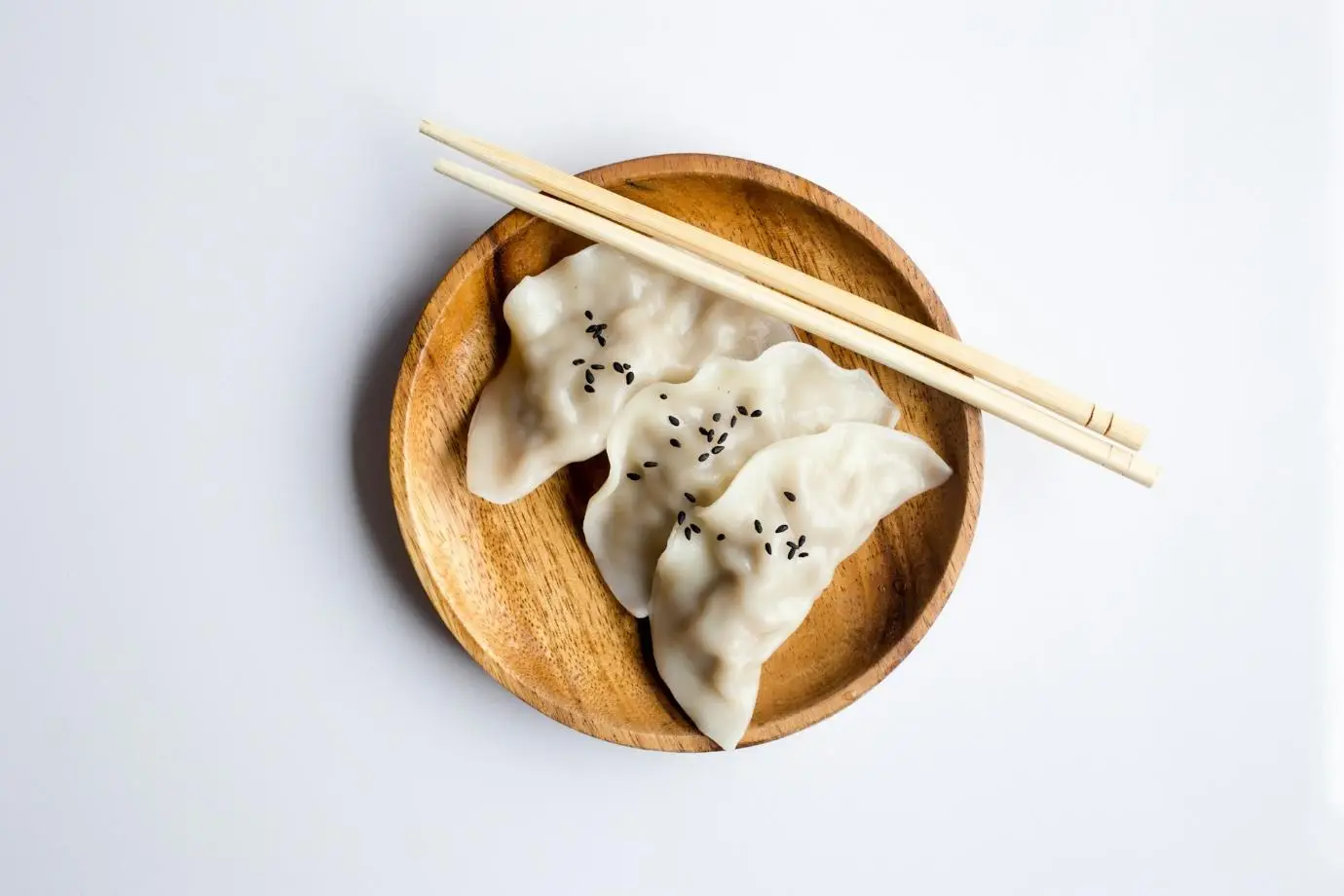
A progressive dinner works well for this purpose. Friends move between several small restaurants or cafés. Each location offers one dish. The group walks between stops and shares reactions along the way. Such movement will keep the energy intact and alive throughout the evening.
Another idea involves collaborative cooking. One friend hosts, others bring ingredients, and the group prepares the meal together. The kitchen is filled with discussion about flavors, memories, and small mistakes that turn into jokes. The evening develops its own rhythm.
People remember these nights because the experience unfolds step by step. Taste leads the conversation. Curiosity replaces routine. By the end of the evening, nobody asks why a bar was missing.
End the Night With a Shared Moment
A thoughtful ending gives your night out with friends without defaulting to bars and a sense of completion. Without it, the group might think of going back to familiar habits. A planned closing moment keeps the tone consistent with the rest of the outing.
Some groups choose a scenic viewpoint or a riverside path for a final walk. Others gather at a dessert shop that stays open late. A few friends might return to someone’s home for tea and relaxed conversation. The goal is, once again, simple: let the evening land gently while people are reflecting on the shared experience.
Let friends suggest creative endings of their own. One person might propose a night photography stroll. Another can suggest stargazing outside the city. For all we know, in this manner, the group can slowly build a tradition of inventive nights.
The closing moment matters because it reinforces the idea that connection does not depend on alcohol. Instead, it grows from attention, presence, and a bit of planning. Over time, experiences like these can help reshape social habits, showing that meaningful nights out are possible without drinking – a valuable realization for anyone working to prevent a return to old drinking patterns.
Conclusion: A Night Worth Repeating
A good evening with friends rarely depends on a single ingredient. People remember laughter, movement, and unexpected moments. They remember the strange trivia question, the perfect dessert, or the small adventure across town. Those details exist to build the story of the night.
Groups often fall into bar routines because the option feels easy. Yet ease can hide better ideas. With a little planning, social time expands in refreshing ways. Friends remain engaged. Conversations stretch longer. Memories gain texture.
Anyone who has organized a few creative outings learns this lesson quickly. The effort pays off in stronger connections and richer experiences. With that mindset, any group can plan a night out with friends without defaulting to bars and discover that the best nights often begin with a simple decision to try something different.
Meta Description: Here’s how to plan a night out with friends without defaulting to bars. Discover creative ideas and simple tips for evenings without alcohol.