Metal Roof Longevity: What to Expect and How to Extend It

Metal roofs are becoming the go-to choice for savvy property owners who want lasting protection and style.
But exactly how long do metal roofs last? The answer might surprise you: most metal roofs deliver 40 to 70 years of reliable performance, with premium options lasting over a century.
Compare that to asphalt shingles, which need replacement every 15-30 years, and you’ll see why metal roofing continues to gain popularity.
This comprehensive guide covers everything you need to know about metal roof lifespan, including different material types, their durability, and proven maintenance tips to extend your roof’s life.
Let’s explore why metal might be one of the best long-term roofing investments available.
How Long Do Metal Roofs Last?
Most metal roofs last 40 to 70 years, making them one of the longest-lasting roofing options available.
Steel and aluminum roofs typically fall within this range, while premium metals like copper and zinc can last 80 to 100+ years. Some well-maintained copper roofs have remained functional for well over a century.
Compare this to asphalt shingles that need replacement every 15-30 years, wood shakes that last 20-30 years, or clay tiles that last 50-75 years.
Metal roofs offer exceptional value when you consider their extended lifespan, as many property owners never need a second roof replacement during their ownership.
Types of Metal Roofing and Their Lifespans:
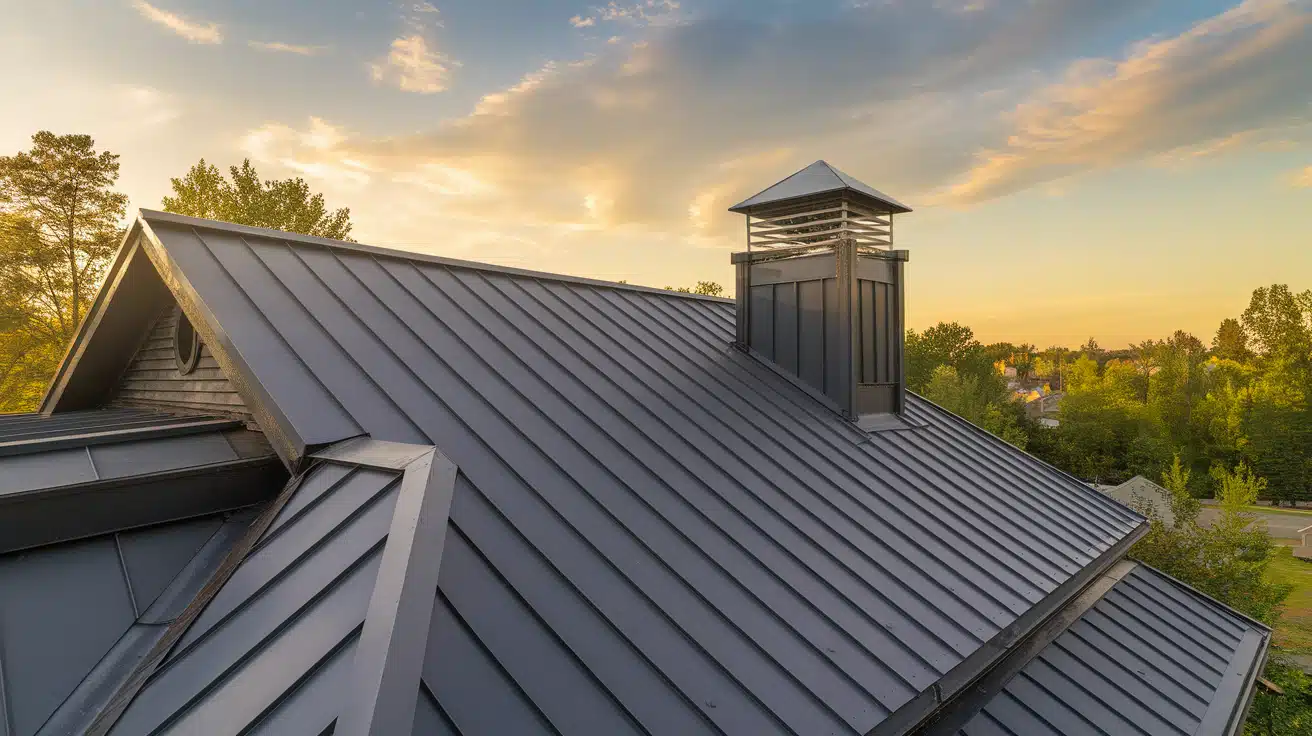
- Standing Seam Metal Roofs offer the best durability, with interlocking panels and concealed fasteners that resist leaks and weather damage, and typically last 50-70 years.
- Metal Shingles combine the look of traditional shingles with metal’s strength, providing 40-60 years of reliable protection while mimicking wood or slate styles.
- Corrugated Metal Roofing is the most budget-friendly option, with its wavy panel design and a lifespan of 20-45 years, depending on coating quality, climate, and maintenance.
- Specialty Metals like copper and zinc are premium choices that can last 80-100+ years, develop attractive patinas, and require minimal maintenance.
The Pros and Cons of Metal Roofs
Understanding the advantages and drawbacks of metal roofing helps you make an informed decision about this long-term investment for your home.
| Pros | Cons |
|---|---|
| Exceptional longevity | Higher upfront cost |
| Low maintenance compared to other materials | Potential for denting (hail, falling branches) |
| Energy efficiency and cooling benefits | Noise during heavy rain or hail (unless insulated) |
| Fire resistance and weather durability | Requires skilled installation |
| Lightweight and environmentally friendly (recyclable) | Color fading over decades without recoating |
Factors That Affect Metal Roof Longevity

Several key factors determine whether your metal roof reaches its maximum lifespan potential, from the base material quality and protective coatings to installation expertise and ongoing maintenance practices
1. Material Type
The base metal determines your roof’s lifespan potential. Steel offers good durability at a moderate cost, while aluminum resists corrosion better in coastal areas.
Copper and zinc offer superior longevity but require a higher upfront investment. Each material has different strengths against weather and wear.
2. Coatings & Finishes
Protective coatings play a major role in roof performance over time. Galvanized steel uses a zinc coating for rust protection and commonly lasts 30-40 years.
Galvalume combines zinc and aluminum to improve corrosion resistance, extending service life beyond 50 years. High-quality paint systems provide additional protection and color retention.
3. Installation Quality
Professional installation directly impacts how long your roof lasts. Proper fastening, sealing, and flashing prevent water infiltration and wind damage.
Poor installation can significantly shorten roof life through leaks and premature failure. Always hire qualified contractors with metal roofing experience.
4. Climate & Environment
Your location determines the challenges your roof faces daily. Saltwater exposure accelerates corrosion in coastal areas, requiring suitable materials and maintenance.
Heavy snow loads stress panels and fasteners over time. Extreme temperature changes cause expansion and contraction that can loosen connections.
5. Maintenance Practices
Regular care significantly extends your metal roof’s lifespan. Annual inspections catch minor problems before they become major repairs.
Cleaning debris prevents water pooling and corrosion. Prompt maintenance of loose fasteners or damaged panels helps preserve roof integrity and avoid costly replacements.
Signs Your Metal Roof May Need Replacement

Recognizing early warning signs of metal roof damage can save money on repairs and help prevent interior water damage.
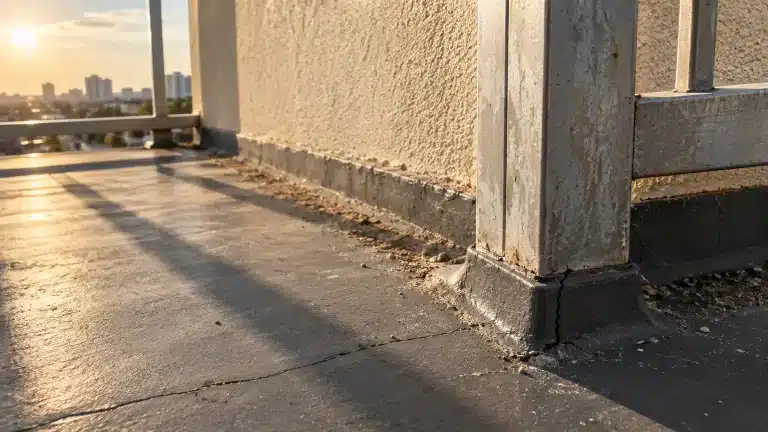
- Rust spots or corrosion indicate the protective coating has failed, allowing moisture to attack the base metal and weaken structural integrity.
- Loose or warped panels create gaps that let water and wind penetrate, compromising protection and energy efficiency.
- Failing fasteners or sealants allow water infiltration at connection points, leading to leaks and potential structural damage over time.
- Leaks or visible water damage inside the building signal the need for immediate repairs, as water intrusion can cause mold, rot, and costly interior damage.
Cost vs. Longevity: Is a Metal Roof Worth It?
While metal roofs cost more upfront, their lifespan and energy-saving potential often make them more economical than traditional roofing materials over time.
| Factor | Metal Roof | Asphalt Shingles |
| Average Lifespan | 40–70 years (premium metals 80–100+ years) | 15–30 years |
| Initial Cost | Higher upfront investment | Lower upfront cost |
| Long-Term Cost Savings | Significant (fewer replacements, lower maintenance) | Higher over time (more frequent replacements) |
| Energy Efficiency | High (cool-roof finishes may reduce cooling costs, especially in warm climates) | Low to moderate |
| Maintenance Needs | Minimal | Moderate to high |
| Resale Value & Curb Appeal | Can increase property value and curb appeal | Moderate impact on value |
| Environmental Impact | Often made from recycled materials and fully recyclable | Less eco-friendly, more landfill waste |
How to Extend the Life of Your Metal Roof

Regular maintenance can add decades to your metal roof’s lifespan and help prevent costly repairs.
Schedule annual inspections with roofing professionals to catch minor issues before they become significant problems.
Keep your roof clean by removing debris, moss, and mildew that can trap moisture and contribute to corrosion. Recoat or repaint the roof when the finish shows noticeable wear, fading, or chalking. Many modern factory-applied coatings can last for decades before recoating is needed.
In cold climates, help prevent ice dams with proper insulation and ventilation, and safely remove excessive snow loads to reduce structural stress on panels and fasteners.
Check and tighten loose fasteners during inspections, as thermal expansion can cause them to loosen over time. Trim overhanging tree branches to reduce scratches and debris accumulation.
Address any sealant failures promptly to maintain watertight protection around roof penetrations and seams.
The Bottom Line
Metal roofs stand out as one of the smartest long-term investments for your home, offering40 to 70 years of dependable protection that far exceeds traditional roofing materials.
While premium metals like copper and zinc can last over a century, even standard steel and aluminum options provide decades of reliable service with minimal maintenance.
The key to maximizing your metal roof’s lifespan lies in choosing high-quality materials, ensuring professional installation, and following simple maintenance practices such as annual inspections and periodic cleaning.
Though the upfront cost may be higher than that of asphalt shingles, the exceptional durability, energy savings, and reduced replacement frequency make metal roofing a wise financial choice.
Have you considered a metal roof for your home? Share your thoughts and experiences in the comments below!
Frequently Asked Questions
How Often Should a Metal Roof Be Replaced?
Metal roofs typically need replacement every 40-70 years, meaning most homeowners will never need to replace their metal roof during their lifetime.
Do Metal Roofs Leak a Lot?
Properly installed metal roofs rarely leak due to their interlocking-seam design and fewer penetration points than traditional shingle roofs.
Are Metal Roofs High Maintenance?
Metal roofs require minimal maintenance – just annual inspections, occasional cleaning, and recoating every 10-15 years to maintain optimal performance.
How Much Does It Cost to Put a Metal Roof on a 2000 Sq Ft House?
A metal roof for a 2000 sq ft house typically costs $14,000-$30,000 installed, depending on material type and local labor rates.