How to Organize Your Kitchen Cabinets

There is something frustrating about opening a cabinet and having a container lid fall on your head. It happens more than most people like to admit.
The kitchen is one of the busiest rooms in the house, and the cabinets tend to absorb the chaos. Pots get shoved wherever they fit, spices pile up behind each other, and that fancy serving dish you used once ends up buried behind a stack of mixing bowls.
The good news is that organizing your kitchen cabinets does not require a full renovation or a weekend of heavy lifting.
With a thoughtful approach and a little patience, you can turn cluttered shelves into a system that actually works for the way you cook and live.
Start With a Full Cleanout
The most effective way to reorganize any cabinet is to empty it completely. Pull everything out and set it on the counter or table.
This gives you a clear view of what you actually have, what you forgot about, and what probably should have been tossed a long time ago.
Sort items into three groups: keep, donate, and discard. Be honest with yourself. That bread maker collecting dust since 2019?
It might be time to let it go. Duplicate spatulas, cracked containers without lids, and expired spices are all fair game. The less you put back, the easier everything becomes.
Think in Zones, Not Just Shelves
Professional kitchen designers talk about zones for a reason. When your cooking tools, prep supplies, baking essentials, and everyday dishes each have a designated area, you spend less time digging and more time cooking.
The idea is simple: group items by how and when you use them, then store them close to where the action happens.
Pots and pans belong near the stove. Glasses and mugs should be within reach of the sink or coffee station. Baking supplies can share a cabinet together.
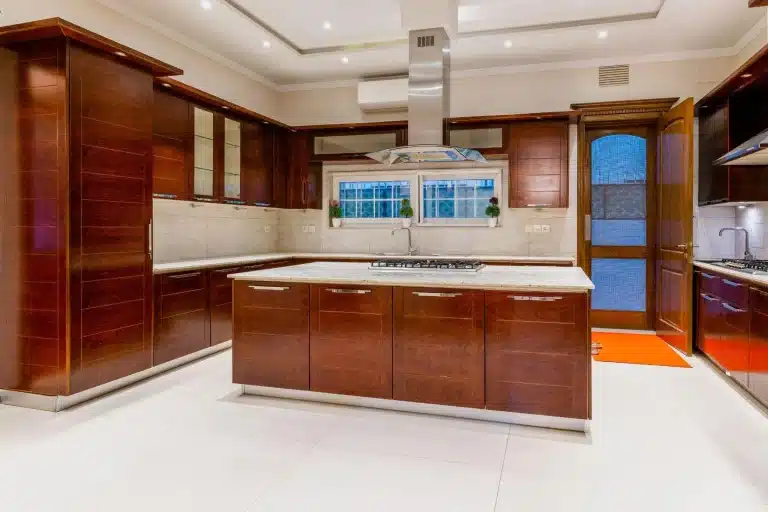
If you are planning custom cabinets in Longmont or anywhere along the Colorado Front Range, a zone based layout is something worth discussing with your designer from the start. It is much easier to build smart storage into a new design than to retrofit it later.
Use Vertical Space and Simple Organizers
Most cabinets have more vertical space than people actually use. Stackable shelf risers, pull out drawers, and turntables can instantly double the usable space inside a standard cabinet.
Shelf risers are especially helpful for plates and bowls, letting you separate everyday items from the ones reserved for company.
For deeper cabinets, consider a lazy Susan or tiered organizer so nothing disappears into the back. Door mounted racks work well for spices, foil, and wrap.
And do not overlook the inside of cabinet doors for hanging measuring cups or small cutting boards. These small changes can make a big visual impact without any major construction.
Tackle the Trouble Spots
A few cabinet areas tend to get messy faster than others. The food storage container cabinet is a common offender. One of the best solutions is to store containers with their lids attached, or dedicate a small bin just for lids. Matching sets also help.
If you switch from a random collection of mismatched tubs to a single nesting set, you will be amazed at how much space opens up.
Under the sink is another notorious clutter zone. Group cleaning supplies in a small caddy or bin so they stay corralled.
Keep a small tray underneath to catch any drips, and resist the urge to stockpile supplies down there. It should be functional, not a holding area for every bottle you have ever purchased.
Match Your Cabinets to Your Routine
The best organization system is the one that fits your life. If you meal prep every Sunday, dedicate a shelf to your containers and prep tools.
If your kids help with cooking, keep a lower cabinet stocked with their cups, plates, and snack items so they can reach them independently.
According to the National Kitchen and Bath Association’s planning guidelines, thoughtful space planning is one of the most important factors in a kitchen that works well day after day.
That principle applies whether you are designing a brand new kitchen or simply rethinking how your current cabinets are arranged.
Keep the System Going
Organizing your cabinets once feels great, but maintaining it is where the real payoff lives. A good rule of thumb is the one in, one out approach: every time a new item comes into the kitchen, something old leaves. Schedule a quick seasonal check to clear out expired goods and reassess what is working and what is not.
Labels can help the whole household stay on the same page. Even simple masking tape labels on shelf edges remind everyone where things belong. Over time, the system becomes second nature and the cabinets practically maintain themselves.

When Organization Calls for a Bigger Change
Sometimes the problem is not the stuff in your cabinets. It is the cabinets themselves. Outdated layouts, shallow shelves, or a lack of interior fittings can make even the most disciplined organizer feel stuck.
If you have tried every trick and your kitchen still fights you, it may be worth exploring whether your cabinetry itself needs an upgrade.
For example, Kitchens Elevated offers personalized kitchen design near Boulder CO for homeowners who want cabinets designed around the way they actually cook and live.
Working with a designer who understands storage and workflow can transform a frustrating kitchen into one that practically organizes itself.
Whether you are refreshing what you already have or dreaming about something new, a well organized kitchen makes every meal a little easier and a lot more enjoyable. Start with one cabinet today and see where it takes you.