How to Organize Kitchen Drawers Easily

You open the drawer, and suddenly everything spills forward. Spatulas, random batteries, a takeout menu from 2019.
A messy kitchen drawer is one of those everyday frustrations that quietly slows you down. You waste time searching, lose tools you did not know you had, and feel a little defeated before the cooking even starts.
But here is the good news: it does not take a weekend project to fix it. Learning how to organize kitchen drawers is simpler than it looks.
With the right steps and a few smart tools, you can turn every drawer into a space that actually works for you. Let us get into it.
What Does It Mean to Organize Kitchen Drawers?
Organizing kitchen drawers means giving every item a specific, logical place and keeping it there. It is not just about making things look neat. It is about creating a system that works for how you actually use your kitchen.
A well-organized drawer puts the right tool in your hand without any searching. A disorganized one costs you time, patience, and sometimes a scraped knuckle digging through cluttered utensils.
So, how do you know your drawers need organizing? A few clear signs:
- You struggle to close a drawer fully
- You can never find what you need on the first try
- Items from different categories are mixed together
- You own duplicates because you forgot you already had something
If any of these sound familiar, it is time to rethink your drawer setup.
Benefits of Organizing Kitchen Drawers
Getting your drawers in order does more than just look good. The impact is practical and immediate.
- Saves Time While Cooking: When everything has a place, you grab what you need and move on. No pausing, no rummaging.
- Improves Storage Efficiency: A structured drawer holds more than a messy one. Dividers and organizers use space smartly, so nothing is wasted.
- Reduces Clutter and Frustration: A chaotic drawer creates mental noise. An organized one removes it. Cooking becomes calmer and more focused.
- Keeps Items Easy to Access: Frequently used tools stay front and center. Less-used items stay out of the way but are still easy to find when needed.
- Extends the Life of Your Tools: When items are stored properly and not crammed together, they are less likely to get damaged. Good storage protects your kitchen tools over the long run.
Step-by-Step Process to Organize Kitchen Drawers

The best way to organize kitchen drawers is to start from scratch. Follow these steps in order for the best results.
Step 1: Empty Every Drawer Completely
Pull everything out and lay it on the counter where you can see it all clearly. Do not sort while items are still inside, as that leads to half-measures.
This step also forces you to confront what is actually in each drawer, which is often surprising.
Step 2: Sort Items by Category
Group similar items together. Spatulas with spatulas. Measuring tools together. Baking utensils are separate from everyday cooking tools.
Sorting by category makes the next steps much easier and helps you see exactly what you have.
Step 3: Declutter and Remove Unused Items
Once sorted, be honest. If you have not used something in over a year, you probably do not need it taking up drawer space. Set aside items to donate, relocate, or discard.
The goal is to keep only what you actually use. Less clutter means better organization.
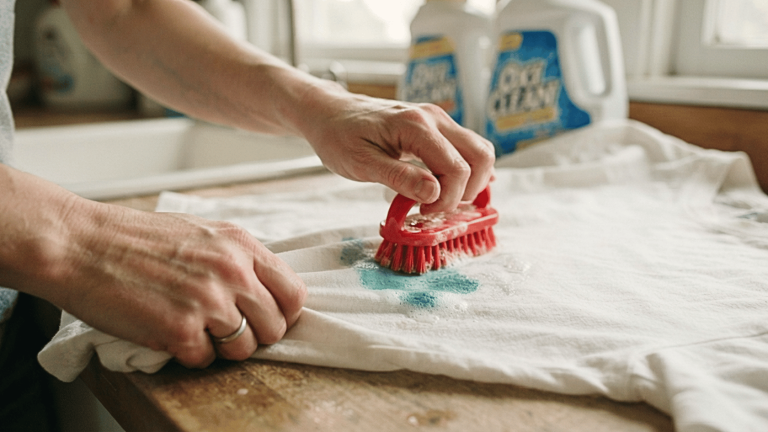
Step 4: Clean the Drawers Properly
Before putting anything back, wipe down every drawer. Remove crumbs, dust, and any sticky residue. A clean surface keeps liners and organizers flat and in place.
This step is quick but often skipped. Do not skip it.
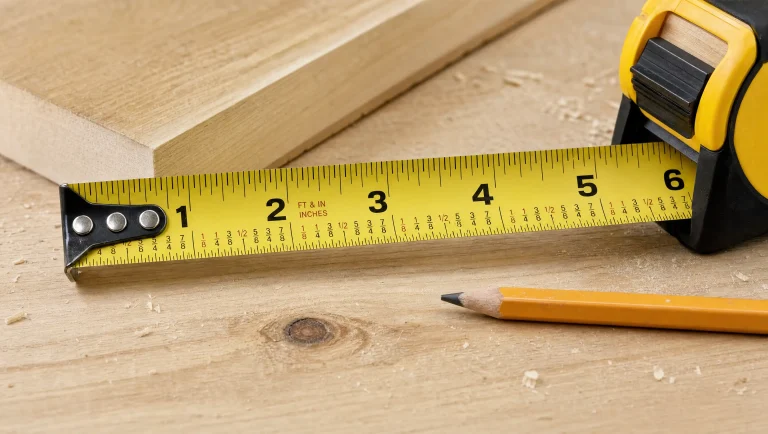
Step 5: Measure Drawer Space Before Organizing
Measure the length, width, and depth of each drawer before buying any organizers. Not all drawers are the same size, and the wrong organizer will either not fit or leave wasted space.
A few minutes with a tape measure saves you a wasted trip back to the store.
Step 6: Use Drawer Dividers and Organizers
This is where real structure comes in. The right tools keep your system running smoothly over time.
- Adjustable dividers offer flexibility. You can shift them as your needs change without replacing anything.
- Stackable trays are ideal for small items like measuring spoons, clips, or twist ties. They make use of vertical space in deeper drawers.
- Non-slip liners keep organizers and loose items from sliding around every time you open or close the drawer.
- Expandable organizers adapt to different drawer sizes, making them a practical choice when drawers vary in width.
- Vertical storage inserts work well in deeper drawers, letting you store items upright rather than flat. Cutting boards and baking sheets benefit from this especially.
Step 7: Assign Zones for Different Items
Each drawer should serve one purpose. A utensil drawer. A baking tools drawer. Even a junk drawer can have categories.
When drawers have assigned zones, everyone in the household knows where things go, which means things actually get put back correctly.
Step 8: Place Frequently Used Items in Easy Reach
The drawer closest to the stove should hold your most-used cooking tools. Drawers further away can store items you reach for less often.
The same logic applies inside a drawer. Most-used items go at the front. Rarely used items go toward the back.
How to Maintain Organized Kitchen Drawers?
Setting up a system is only half the work. Maintaining it is what makes the effort last. Here are four simple habits to keep your drawers in order in the long term.
| Habit | What to Do | Why It Helps |
|---|---|---|
| Weekly Quick Reset | Spend 2–3 minutes putting stray items back in place | Stops small mess from turning into a big one |
| Monthly Decluttering | Scan each drawer and remove anything out of place | Keeps categories clean and drawers from overflowing |
| One-In, One-Out Rule | When a new tool comes in, an old one goes out | Prevents drawers from gradually filling up again |
| Keep Categories Consistent | Do not let unrelated items drift into the wrong drawer | Maintains the system so everyone knows where things go |
Stick to these habits and your drawers will stay organized without needing a full reset every few months.
Conclusion
Organized kitchen drawers make everyday cooking smoother, faster, and a lot less stressful.
Once you have a system in place, you will wonder why you did not do it sooner. Start simple: empty, sort, clean, and put things back with intention.
You do not need to overhaul everything at once. Even sorting one drawer today makes a real difference.
With the right maintenance habits, your kitchen stays tidy with little effort. So pick a drawer and get started.
If you found this guide helpful, share it with someone whose kitchen drawers could use a little love, too.