

4 Smart Ways to Save Money on Student Housing

Housing is one of the largest costs college students face. Rent, utilities, food, transportation, and school supplies can quickly strain a limited budget. When tuition and textbooks already cost so much, finding affordable housing becomes even more important.
The good news is that students have several ways to lower housing costs without giving up comfort or safety. Careful planning can make a major difference. These four strategies can help students spend less on housing and keep more money for school and daily needs.
Share Housing With Roommates
Living with roommates is one of the easiest ways to reduce housing costs. Instead of paying the full rent alone, each person covers part of the total amount.
Roommates can also split many other expenses, including:
- Electricity
- Water
- Internet
- Cleaning supplies
- Household items
Sharing these costs can save a large amount each month. It may also allow students to rent a larger home or choose a place with better features.
Compare Off-Campus Housing Options
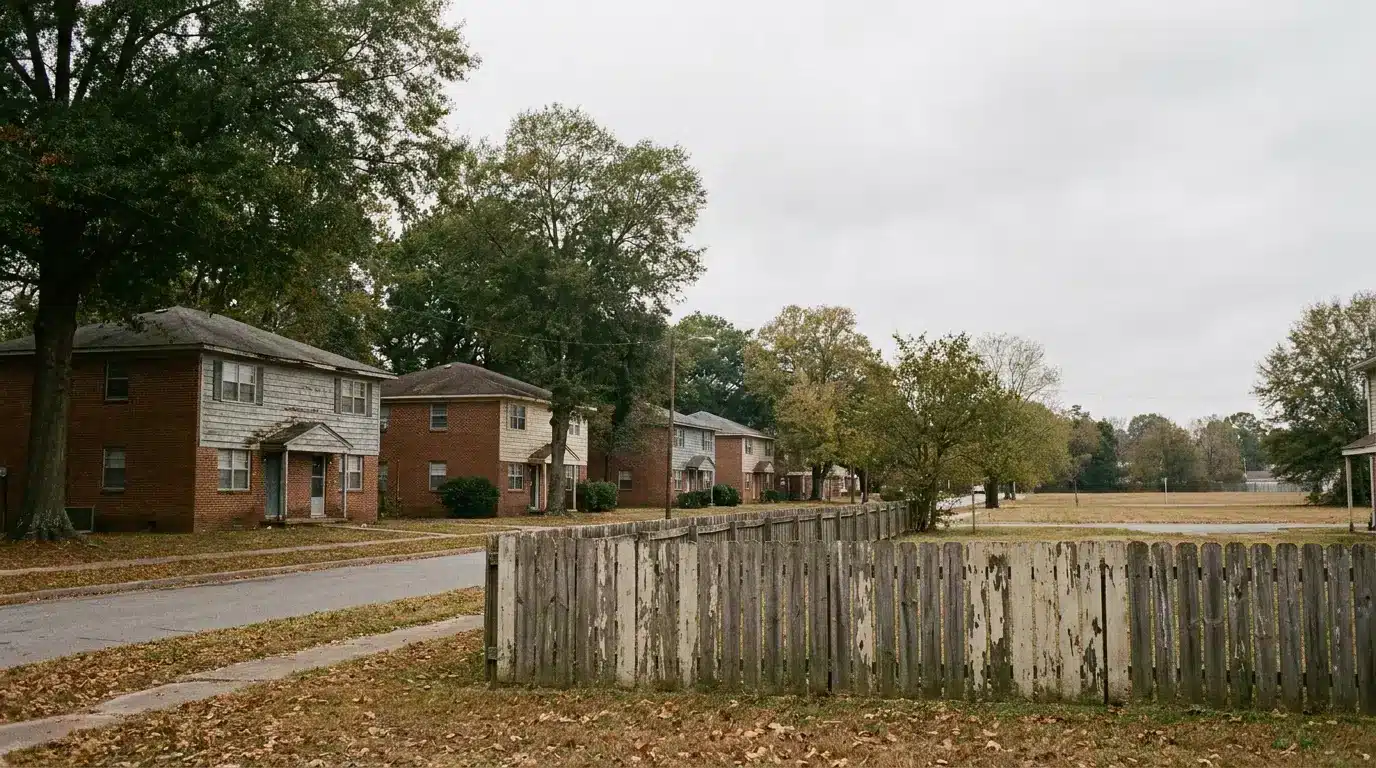
On-campus housing is convenient, but it may not always be the lowest-cost choice. Students should compare dorm prices with nearby apartments, houses, and shared rentals.
Start by checking local rental websites, community boards, and student housing listings. People searching for student housing in Ann Arbor can compare different layouts, rental prices, amenities, and locations before choosing a home.
Distance from campus is another important factor. A rental farther away may cost less, but transportation expenses can reduce the savings. Students should consider bus routes, parking fees, fuel costs, and travel time.
Ask About Better Lease Terms
Some students do not realize that parts of a lease may be open to discussion. Landlords may offer better terms when they want to fill an empty unit or keep a reliable tenant.
Students can ask about lower rent, reduced deposits, or included utilities. Signing a longer lease may also lead to a better monthly rate. However, students should only agree to a longer term if they are sure they can stay.
Flexible move-in dates may also help. A landlord with an empty unit might offer a discount to someone who can move in quickly.
Explore Family and University Housing
Students with children may qualify for family housing through their college or university. These homes are often designed for students with dependents and may cost less than private rentals.
Family housing may include useful features such as playgrounds, child care support, laundry rooms, and access to campus services. Students should contact the school’s housing office early because these units may have waiting lists.
Local community groups may also offer affordable housing resources for families. Other student parents can be a helpful source of information about costs, rules, and the application process.
Conclusion: Lower Housing Costs and Reduce Stress
Affordable housing can make college life easier and less stressful. Sharing a home, comparing off-campus rentals, discussing lease terms, and exploring university programs can all lower monthly costs.
Start searching early and review every expense before making a choice. A lower rent is helpful, but students should also consider utilities, transportation, safety, and lease rules. With careful planning, it is possible to find housing that supports both your budget and your education.