How Aging Outdoor Water Systems Impact Plant Health and Soil Stability

A yard can look green and still be struggling underneath. One side feels soft and soggy, another turns dry within a day, and plants start acting unpredictably. Some grow fine, others stall out for no clear reason. It’s easy to blame the weather, the soil, or even the plants themselves. But a lot of the time, the real issue sits quietly in the background. The water system isn’t doing its job the way it used to.
In states like Florida, this doesn’t take long to become obvious. Rain shows up often, humidity stays high, and the soil doesn’t always hold water the same way across the yard. When an older system is added to that mix, things get messy fast. Water might rush through one area and barely reach another. Eventually, this throws off the balance of the entire landscape. Plants stop responding the way they should, and the ground itself begins to change in ways that are hard to fix later.
Restoring Flow Before Bigger Issues Build
Aging water systems don’t fail all at once. They lose consistency first. Pressure drops slightly, then becomes uneven, and before long, certain areas of the yard start behaving differently. One zone may stay soaked while another struggles to get enough moisture. This uneven flow directly impacts how roots develop and how soil holds together.
Fixing this starts with getting the flow back under control. Well pump services become an important step once pressure issues begin showing up across different zones. A steady water supply allows each section of the yard to receive what it actually needs. Once that balance is restored, plants begin to recover, and the soil stops shifting between extremes. Looking up well pump services near me Florida can help you find experts who can overcome such issues in no time.
Managing Hidden Leaks in Irrigation Lines
Small leaks don’t make a big scene. They quietly release water into the same spot day after day. At first, it may just look like a slightly greener patch. After some time, that area becomes oversaturated, and the soil starts losing its strength. What seems like a minor issue can slowly weaken the ground beneath it.
These leaks also steal water from other areas. While one section gets too much, another gets less than it needs. This creates a cycle where plants struggle in one zone, and soil breaks down in another. Fixing these hidden leaks brings the system back into balance and helps the yard behave more predictably.
Preventing Soil Erosion from Poor Control
Older systems often lose precision. Water may come out too fast or in the wrong direction, especially in areas with slight slopes. Instead of soaking into the ground, it runs off, taking soil and nutrients along with it. However, this creates uneven surfaces and weakens the structure of the yard.
Controlling how water is released makes a big difference here. Slower, more consistent delivery allows the soil to absorb moisture properly. This helps keep nutrients in place and prevents the ground from shifting. A yard that holds its shape supports stronger plant growth and feels more stable underfoot.
Supporting Deeper Root Growth
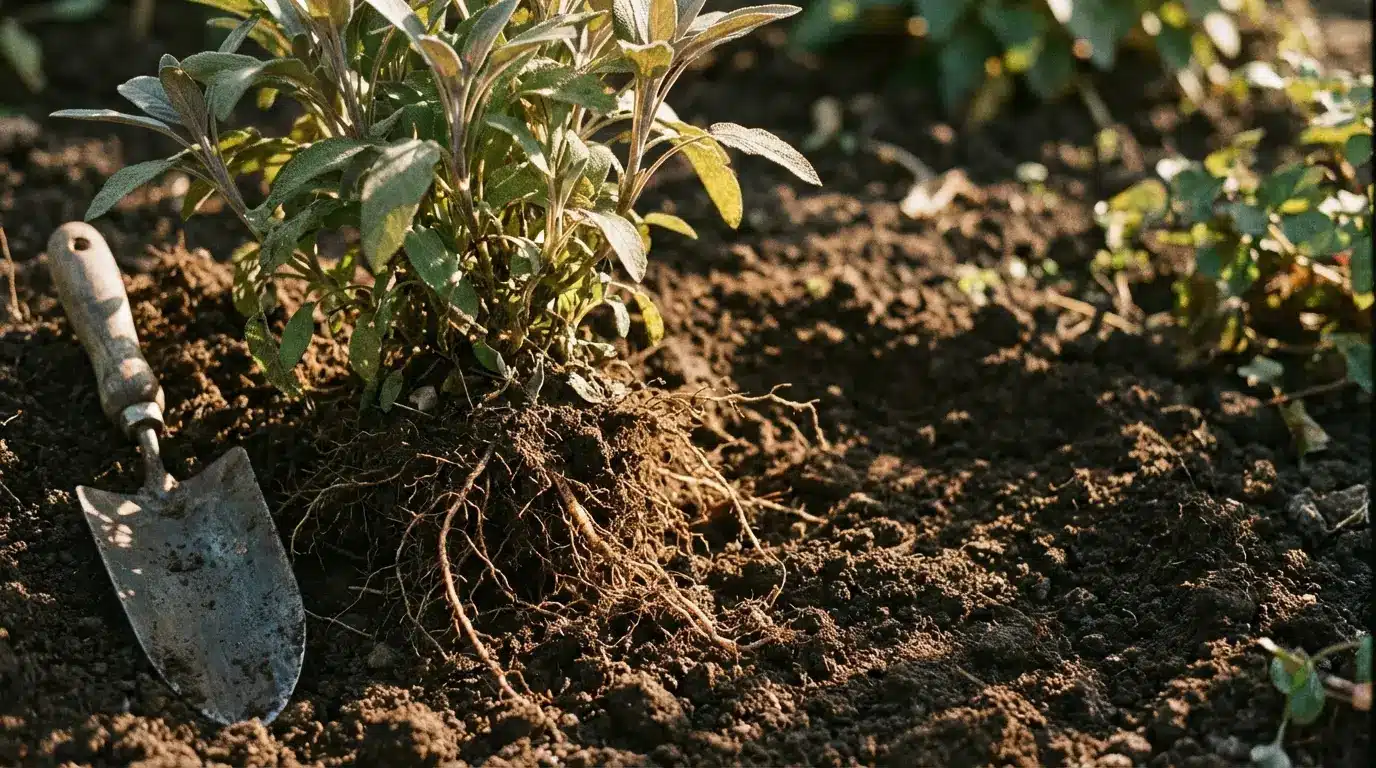
Water that stays near the surface creates shallow roots. Plants grow quickly at first, but they don’t build the depth needed to handle heat or dry conditions. Moreover, this becomes a problem in environments where conditions can change quickly. Plants that rely on surface moisture struggle once that layer dries out.
A well-functioning system encourages water to reach deeper into the soil. It supports stronger root systems that anchor plants and help them handle stress. A homeowner may notice that plants with deeper roots stay healthier even during hotter days.
Maintaining Reliable Distribution Through Components
Valves and connectors don’t usually fail overnight. They wear down gradually, which makes them easy to ignore. One zone might start receiving slightly less water, another might get a bit more than it should. At first, the difference feels minor. Afterward, those small inconsistencies turn into visible problems across the yard.
A faulty valve can throw off the balance of an entire section. Water may not shut off properly, or pressure may drop without warning. Fixing these components brings everything back into alignment. Once distribution is even again, the yard stops reacting in extremes and starts behaving in a steady, predictable way.
Avoiding Long-Term Soil Saturation Issues
Too much water doesn’t always look dramatic. It builds slowly. Soil stays damp longer than it should, roots sit in moisture without enough air, and plants begin to weaken even though they’re being watered regularly. This kind of condition often goes unnoticed because it doesn’t look like a typical “dry” problem.
Soil needs a balance between moisture and airflow. When that balance is off, roots struggle to develop properly. Over time, plants lose strength, and the ground itself becomes less supportive. Adjusting how water is delivered helps bring that balance back, allowing the soil to support healthy growth again.
Maintaining Clean Water Flow Through Filtration
Water quality matters just as much as quantity. Aging systems often struggle with filtration, allowing debris to move through irrigation lines. This buildup can affect how water flows and where it ends up, creating small disruptions that add up over time.
Debris in the system can result in partial blockages or uneven pressure. Clearing and maintaining filtration helps keep water moving smoothly. A cleaner system supports more reliable performance, which shows up in healthier plants and more consistent soil conditions across the yard.
Adapting Systems to Updated Landscape Layouts
Landscapes change over time. New plants are added, sections are redesigned, and layouts evolve based on how the space is used. An older water system may not match these changes, leaving certain areas without proper coverage while overwatering others.
Updating the system to match the current layout brings everything back into balance. A garden bed added after the original setup, for example, may not be receiving enough water. Adjusting the system ensures that every part of the yard gets the attention it needs, keeping growth consistent across the space.
Balancing Pressure Across All Zones
Pressure differences across zones can create uneven results, even when everything else seems to be working. One section may receive strong flow while another barely gets enough water to stay healthy. This kind of imbalance often leads to patchy growth and inconsistent soil conditions.
Balancing pressure allows the system to work as one unit instead of separate, uneven parts. Once each zone receives a steady and appropriate flow, the yard begins to even out. Plants respond more consistently, and the overall appearance becomes more uniform without constant adjustments.
Aging water systems impact how the entire landscape behaves. From plant growth to balancing pressure, every part of the yard responds to how well water is delivered and managed. Catering to such issues brings everything back into balance. The yard becomes easier to maintain, plants grow more reliably, and the ground stays stable.