Home Insurance: How to Choose the Right Coverage and Get the Best Price

Buying your first home is a major life step. You’ve proven your financial responsibility, escaped the rent trap, and now have your own space for everything that comes next. You’ve also taken on the responsibility of protecting the property should anything go wrong.
Why Does Finding the Right Home Insurance Matter?
Your new home will likely be your biggest asset. It is therefore crucial to find a well-rounded coverage. A good policy will protect your assets against unexpected events, such as storms, fires, and theft.
Unfortunately for new homeowners, the cost of home insurance is at an all-time high, having increased by 70% since 2021. However, this does not mean you should cut corners. Opting for the cheapest policy can leave you underinsured. Your insurer could reject your claims, and you’d have no money to cover repairs.
Top Tips for Selecting the Right Coverage
When reviewing different insurance options, consider how well each policy will protect your home for the price you’ll be paying.
Choose Replacement Cost Value
Replacement cost value (RCV) gives you fuller coverage. It will pay to repair your home using new materials of similar quality. It does not reduce the payout based on age or wear and tear, as actual cash value (ACV) does.
Consider Deductibles
Opting for higher deductibles can lower your insurance costs significantly. However, in the event of a disaster, it will leave you paying more out of pocket.
Select Add-Ons
No standard policy covers everything. Think about the location of your home and select the necessary add-ons. For example, you can choose add-on protection for sewer backups, earthquakes, and floods.
Compare Quotes
Prices, deductibles, and add-ons can vary significantly depending on the insurance provider. Compare several providers to find the best quote. Some comparison sites use your location and browsing history to personalize quotes, which can affect the prices you see. You can use a VPN for Mac or Windows. A VPN masks your IP address, which can help you browse from another location. It is useful if you want to check whether prices differ by region.
What Does a Basic Policy Cover?
Standard policies cover four main areas.
- Dwelling Coverage. Covers the cost of repairing or rebuilding your home in the event of a disaster. The definition of “disaster” typically includes damage caused by fire, lightning, hail, or a hurricane.
- Personal Property. Covers furniture, electronics, and other personal items.
- Liability Protection. Should someone sustain an injury while at your property, liability protection will cover the costs.
- Additional Living Expenses (ALE). Should your property require major repairs, ALE covers the cost of alternative housing.
Your home insurance policy should feature these four protections at a bare minimum. It’s worth noting that Dwelling Coverage does not include damage caused by flooding, earthquakes, or sewage. To make your policy fully comprehensive, you have to pay for a flood and earthquake policy separately.
The Most Common Home Insurance Claims
Understanding the most common home insurance claims can help you make a better choice among policy options.
Wind and Hail
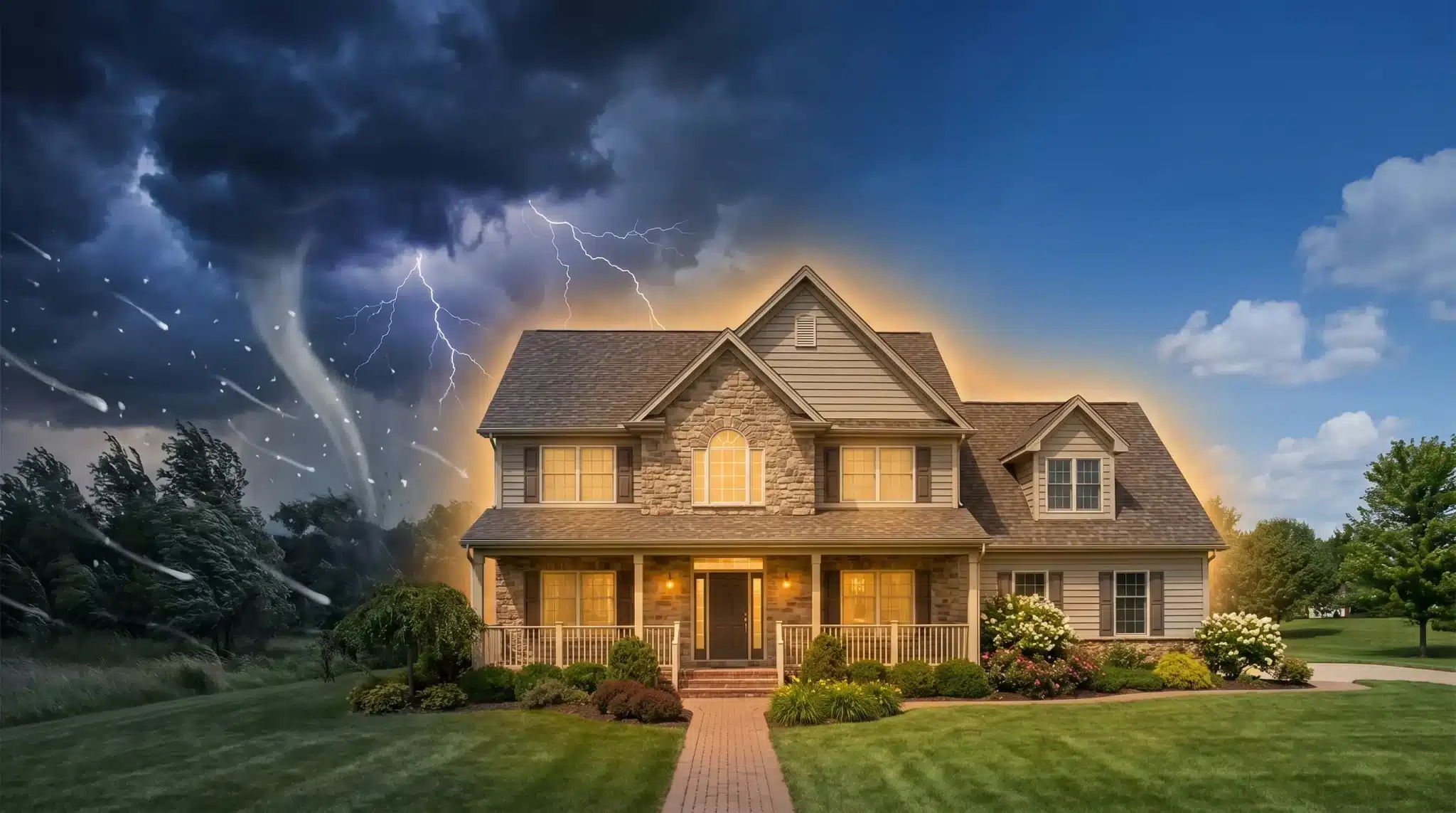
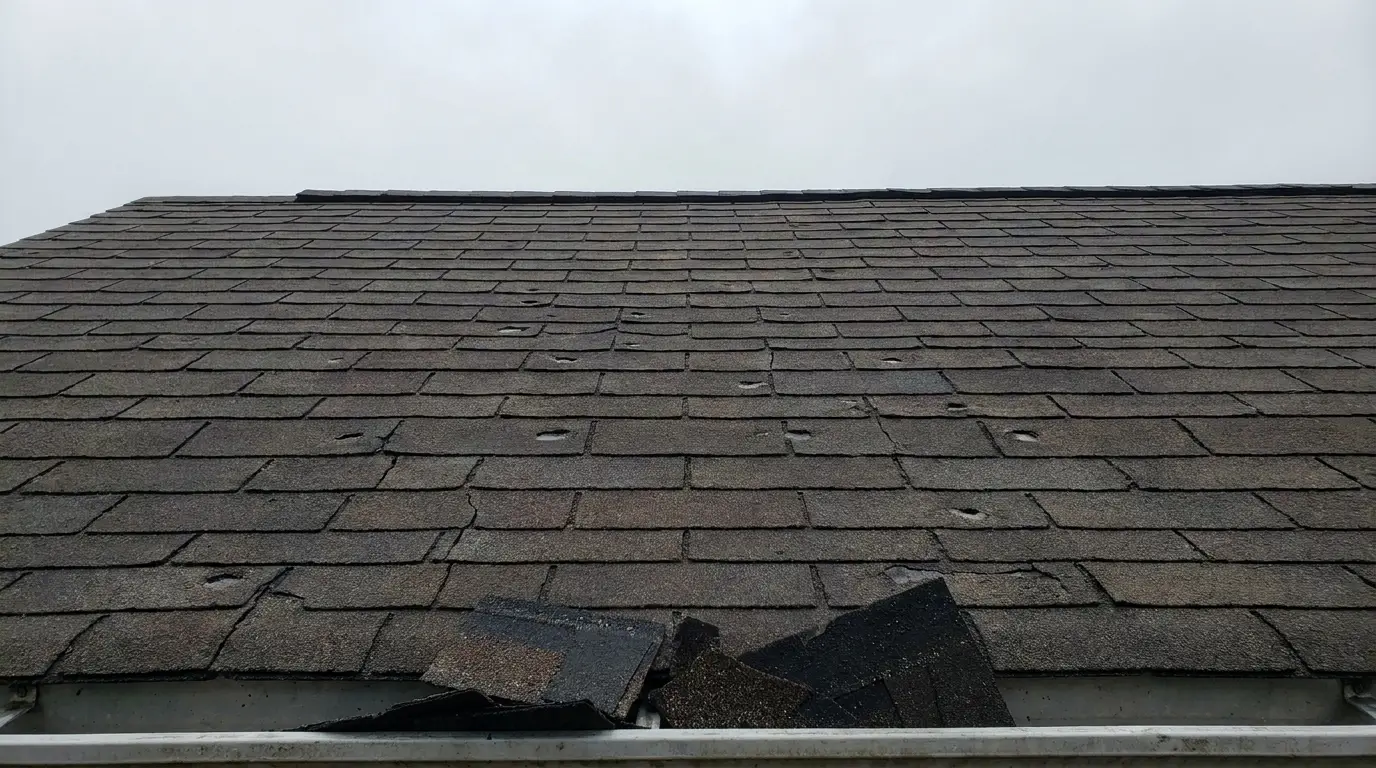
Damage caused by hail, tornadoes, wind, and hurricanes is the most common reason homeowners in the US file insurance claims. Hailstorms alone cost insurance companies between $8 and $14 billion in claims annually.
Water Damage and Freezing
Water damage, freezing pipes, and leakages are common throughout the US, which is often a result of poor insulation in homes and aging infrastructure. Extreme weather conditions can also cause water damage. Water damage coverage is worth having regardless of how new your home is.
Fire and Lightning Damage
Fire and lightning are not the most common damage types, but they are certainly the most expensive. Even a small fire can cause severe structural damage to your home that requires long-term repairs. Plus, hotter and drier seasons have made wildfires more frequent. Last year, wildfires damaged 390 million hectares of land globally.
Don’t Cut Corners on Home Insurance
Home insurance should never be about finding the lowest price. Feel confident in your investment by selecting a thorough policy. A few hours of research now can save you tens of thousands of dollars after a storm, a fire, or a burst pipe.