
Gamified Learning for Dyslexia: How Interactive Games Build Core Reading and Literacy Skills

A dyslexic ten-year-old will spend 40 minutes doing many flashcards but not retain much information. The same student will keep on playing the game and trying the same level 30 times in a bid to win, and he/she does not require any encouragement to do so.
That gap is the reason why you see gamified learning talked about in reading talks. A person gets better at reading by doing a lot of practice the right way. But most kids who have trouble with reading stop before they practice enough times. When parents look for real help, like a school reading teacher or dyslexia tutoring des moines, they usually ask the same question. They want to know: How do I get my child to practice reading without fighting every night?
Games answer part of that question. Not all of it.
Why Reading Falls Apart in the First Place
Dyslexia is not a visual disability, and neither is it linked to your intelligence. According to the National Institute of Child Health and Human Development (NICHD), dyslexic individuals tend to read way below their expected capabilities in comparison to their other skills.
The main problem is how we connect sounds. Spoken English uses about 44 sounds, but we use 26 letters together to show these sounds when writing. A good reader links sounds to letters so well that they do not even think about it. A dyslexic reader has to do this step by step. It stays hard for them for many years.
That is why a lot of working memory gets used when sounding out words. If your child is busy just trying to read a word like “reluctant,” there is no brain space left to keep track of what the text means. It may seem like the real problem is understanding. But the main thing to fix is how they read the words.
The fix is clear and explained. According to the findings of the National Reading Panel, the direct instruction of the skills for manipulating the sounds within words contributes to improved reading and spelling performance. These effects were observed in many students at various grade levels and proved to be stable even long after the instruction was completed. This approach is systematic and sequential.
The drawback of such an instructional approach is that the same topics will keep coming back time and again.
What a Game Fixes That a Worksheet Never Will
Repetition Stops Feeling Like a Punishment
Structured literacy wants a child to practice the same sound and symbol pair until it becomes easy. On paper, this will be the same line of words put into a different order. When you put this practice into a game, there is a new challenge and a new prize each time you play. The practice stays almost the same under the game, but it feels fresh every round.
The things taught in the lessons are the same. What changes is whether your child wants to do 200 practice problems or just 40.
Feedback Lands in Under a Second
If you give back a fixed worksheet on Thursday, people may already forget the mistake they made on Tuesday. When this happens, the fix does not feel connected. Well-made games give feedback right away. If you get something wrong, you see a signal fast and can try again right then. The problem and the answer have to be close in time. This way, the brain puts them together.
Being Wrong Gets Cheap
By the time kids reach the third or fourth grade, most kids with dyslexia feel like they are not smart. They tell themselves that they are the dumb one. When they read out loud in class, it makes them feel this even more. Other people see it too, so these kids stop trying. Not trying helps them feel safe.
A game does not have an audience. No one sighs when you play. If you lose, you try again. The price for making a mistake is almost nothing.
The Five Skills Any Decent Literacy Game Should Be Training
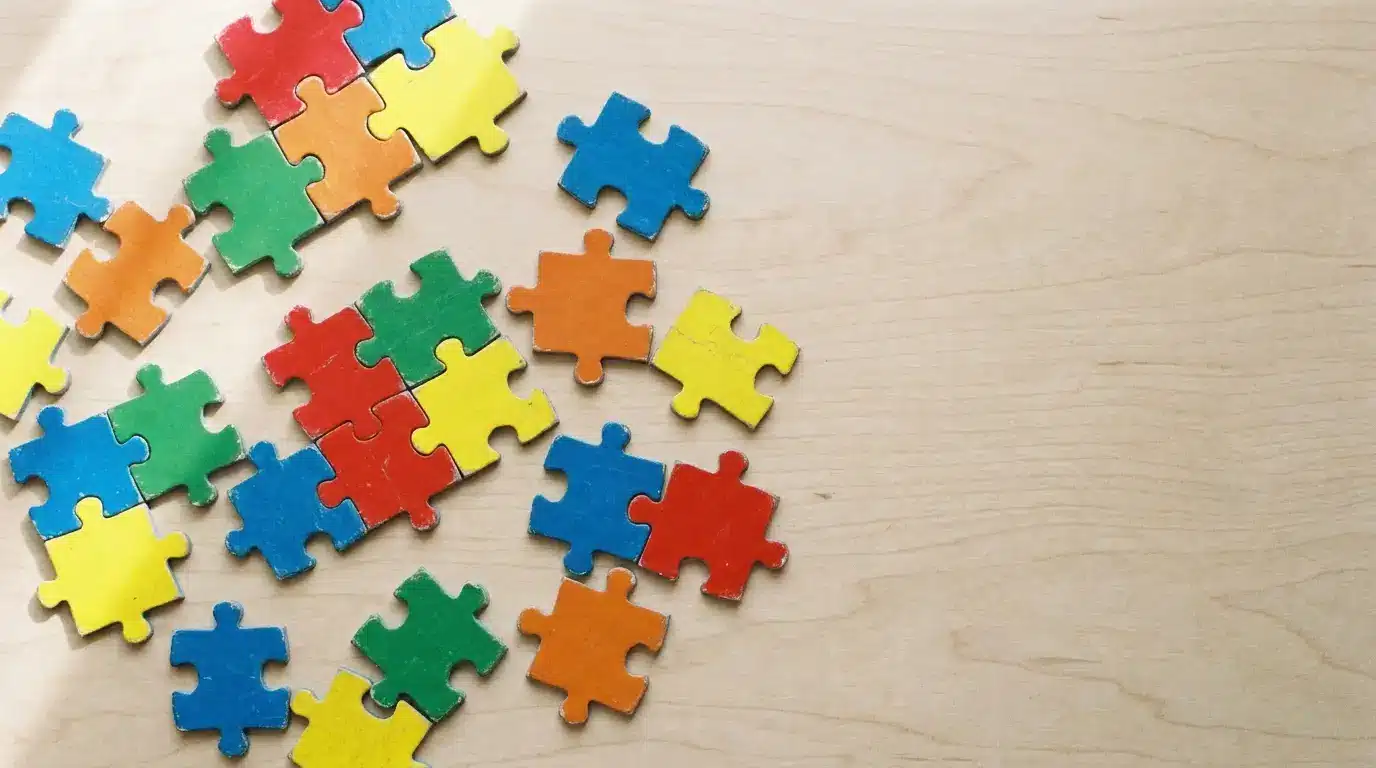
A lot of reading games are word quizzes that have fun pictures or movements. You can use this to help pick the best ones:
| Skill | What it means | What good practice looks like |
|---|---|---|
| Phonemic awareness | Hearing and moving individual sounds inside spoken words | Blending, segmenting, swapping one sound to make a new word |
| Phonics and decoding | Matching those sounds to the letters that spell them | Building words from letter tiles, sorting by spelling pattern, reading nonsense words |
| Fluency | Reading accurately at a comfortable pace | Timed passages, repeated reading, oral reading with playback |
| Vocabulary | Knowing what words mean once decoded | Words taught in context, work on prefixes, roots, and suffixes |
| Comprehension | Building meaning across sentences | Prediction, retelling, tracking who did what to whom |
The first two are at the top for a good reason. If you skip them, everything else is not steady. If a game spends time on learning new words but your child can’t read a two-part word, it’s like building the roof before making the base.
What the Research Actually Shows
A study followed 90 high school students with dyslexia over time. This study was published in Research in Developmental Disabilities. It compared a game-based way of teaching with the old way of teaching. They ran the study over 15 sessions. Each session was one hour long. The group using games showed statistically significant gains in reading skills and school performance. The changes in this group were much bigger.
Now, let’s look at the other side. A 2025 review in Brain Sciences looked at AI-based and flexible help for students with learning problems. The review covered 11 studies, and a bit over 3,000 people took part. Each study showed good results. The authors also found that none had a low risk of bias, which means the way the studies were done was not strong.
Here’s the truth: using games in practice really helps people feel motivated and spend more time learning. There is good proof that reading can get better from it, but only if there is strong teaching behind it. This is not a fix by itself.
How to Tell a Real Literacy Game From a Time-Waster
- The level of challenge changes: If you miss three in a row, it should get easier. If you get ten right, it should make things harder.
- Reading is part of the game, not just something you get at the end: Some tools hide five seconds of reading during two minutes of pictures moving around. Try to watch one and count for yourself.
- It helps with sounds, not just whole words: Learning words from memory might help with about 300 words. Learning to break down words helps you read the rest of the language.
- The sound is clear: A person can hear each sound spoken, play it when they want, and even record and listen to their own voice reading.
- It shows information that helps: You can see which sound or word patterns are not strong, which ones are strong, and how much practice really happened. A message like “Level 12 complete” doesn’t say much.
A Weekly Rhythm That Holds Up
Short and daily is better than long and not often. Doing fifteen to twenty minutes for five days in a week helps you more than a long 90-minute session on Saturday that leaves you upset.
Pair it with something you do face-to-face. Spend ten minutes reading out loud together on the same days. Take turns reading one page each. This is how you see if the skills move over, as a kid can do well in a game but still get stuck on a real book.
Get ready for a wait. He will start to practice more in a few weeks. But your reading speed will not change for two or three months. This happens because you need to read many times to let this feel easy and automatic. A lot of families give up during this time.
Where This Leaves You
Games help people practice. But they don’t teach or give step-by-step instruction.
Your child needs a person who can find out what kind of mistake was made and see which phonics rule did not work. This person has to be able to plan the next eight weeks to help. It should be someone trained for this. It can be a school specialist, a certified teacher who knows phonics and reading, or a dyslexia tutoring des moines program with the right papers to do the work. The game is what helps your child want to come back to each session.
See game practice as the volume. See planned teaching as the direction. If you skip the second part, you will have a kid who is happy to practice but just keeps going in circles.