DIY Home Projects: 25 Ideas for Every Room and Budget

Your home does not need a full renovation to look and feel different. DIY home projects let you make real changes, one room at a time, on a budget that works for you. A fresh coat of paint, new cabinet handles, or a few floating shelves can shift how a space feels entirely.
This article covers practical projects for every part of your home, including budget-friendly ideas beginners can tackle on their own.
DIY Home Projects for the Living Room
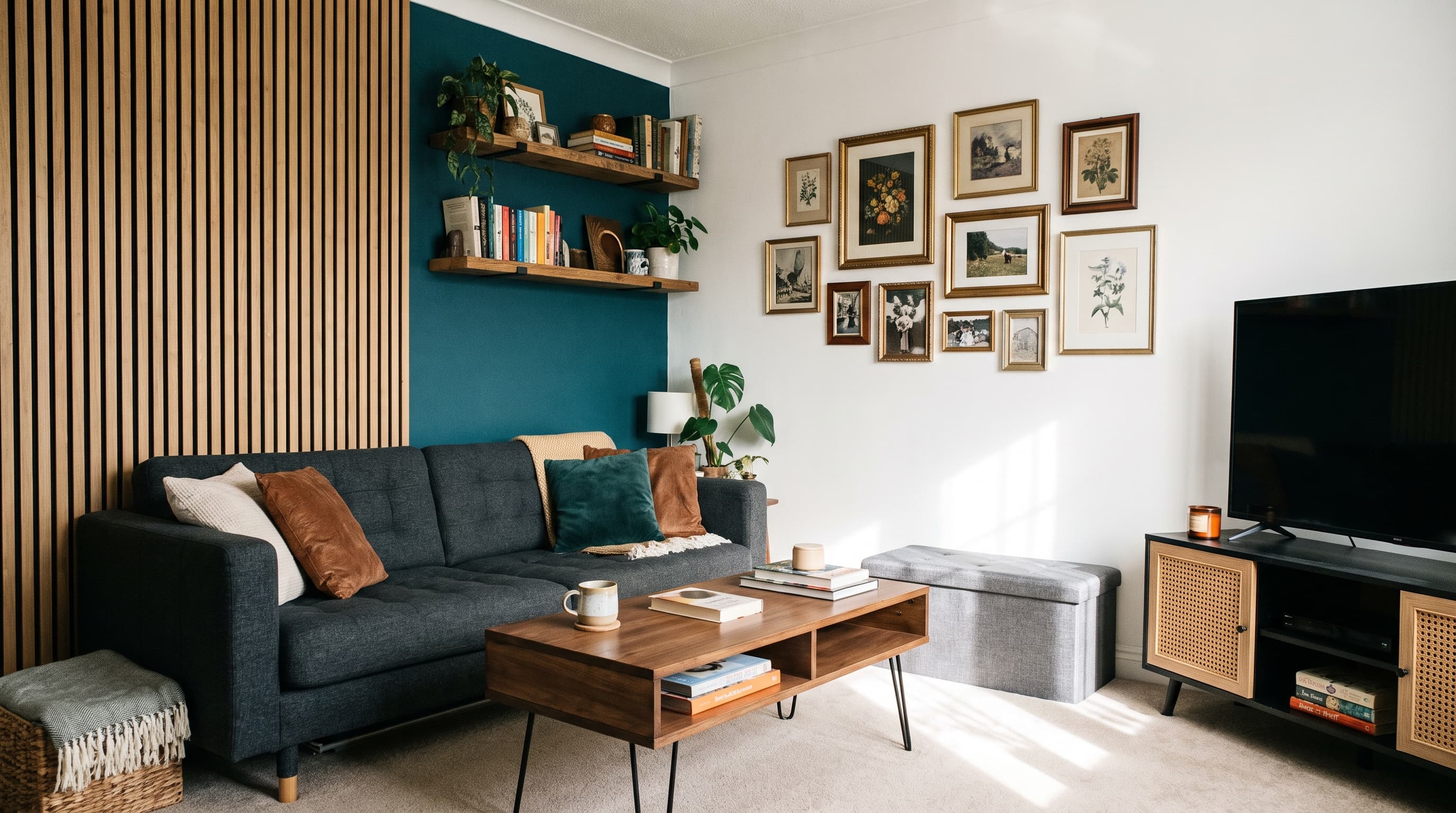
The living room is where your family spends the most time. Small changes here create a big visual difference without a big spend.
1. Create a DIY Accent Wall
An accent wall changes the feel of a room without repainting every surface. Pick the wall behind your sofa or TV as your starting point.
Paint is the cheapest option. One gallon covers roughly 400 square feet and costs $25–$50. For more texture, try peel-and-stick wallpaper, wood slat panels, or shiplap boards, which work well in both classic and modern rooms.
Before you start, clean the wall, fill holes, and sand rough patches. Skipping prep leads to peeling and uneven results later.
2. Build Floating Shelves
Floating shelves add storage and visual interest without taking up floor space. They suit books, plants, and small objects in a living room.
What you need:
- Wooden boards (pine or MDF work well)
- Wall brackets or hidden shelf hardware
- Drill, level, and screws
- Sandpaper and paint or stain
Use a stud finder before drilling. Shelves fixed into studs hold far more weight than those in drywall alone. Keep a level handy at every step. Even a slight tilt is noticeable once the shelf is up.
3. Refresh an Old Coffee Table
You do not need to buy a new coffee table. A tired one can look completely different with a few small changes.
Sand the surface, apply primer, and use chalk paint or spray paint for a clean finish. If the table has solid wood legs, swap them out for metal hairpin legs to update the style. Add adhesive mosaic tiles for a textured, water-resistant top. This takes one afternoon and costs well under $50.
4. Create a Gallery Wall
A gallery wall turns blank space into something personal. The key is planning before a single nail goes into the wall.
Lay all your frames on the floor first. Arrange them until the layout looks right. Then measure and transfer those positions to the wall. Leave 2–3 inches between each frame.
Use a level for every piece. Mix frame sizes, but keep the tones consistent: all black, all wood, or all white. Command Strips work well for lighter frames and avoid extra holes in the wall.
5. Add Hidden Storage to the Living Room
Living rooms collect clutter quickly. Hidden storage keeps surfaces clear without changing the look of the room.
- Ottoman with a lid: Use it as a coffee table and store blankets or remotes inside
- Floating TV unit with closed cabinets: Hides cords, remotes, and media clutter
- Bookshelf bins: Labeled fabric bins on open shelves hide small items
- Built-in bench with drawers: Works well under a bay window or window seat
The goal is a place for everything so surfaces stay clean day to day.
DIY Home Projects for the Kitchen
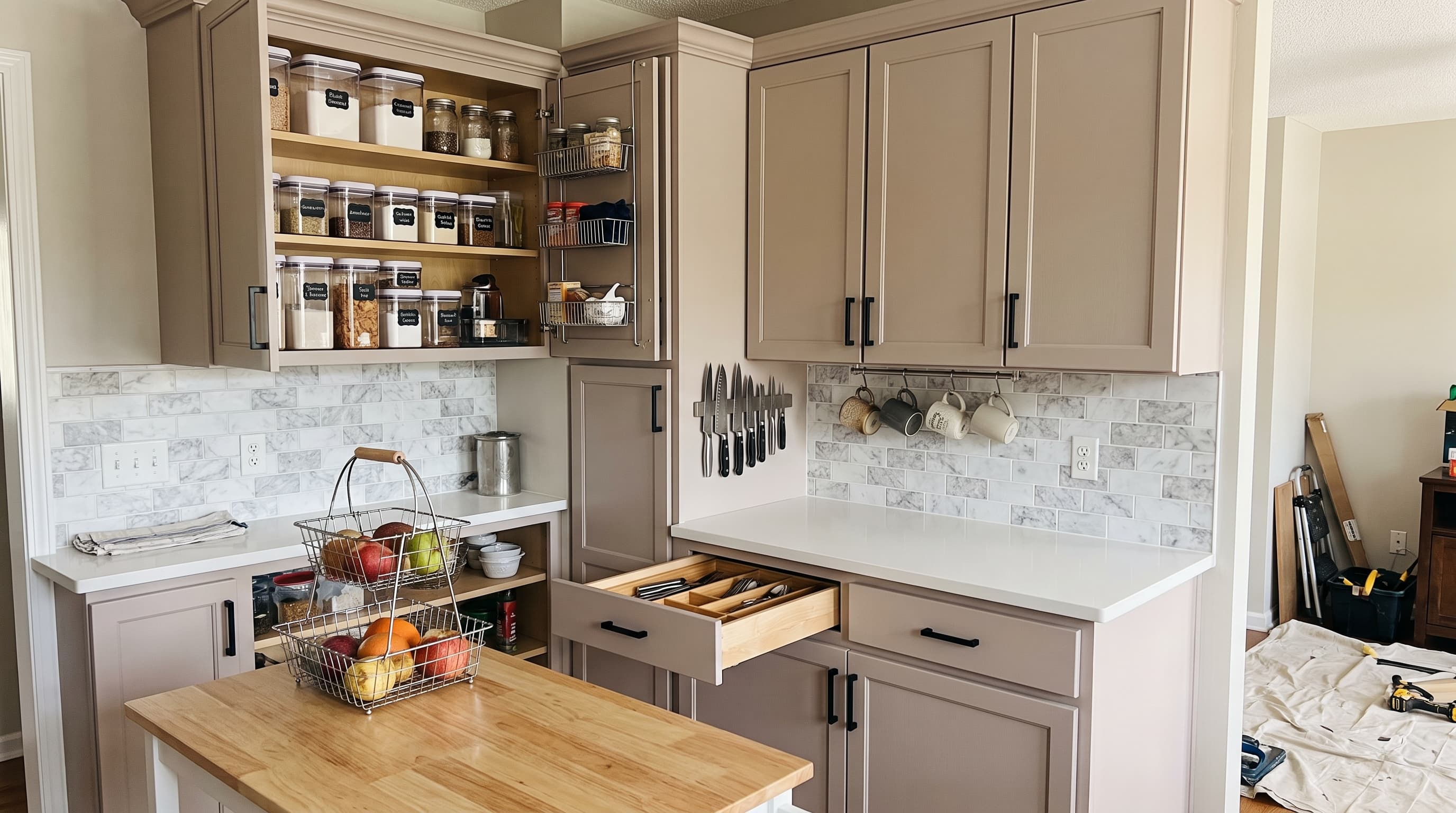
The kitchen is one of the most used rooms in the house. It is also one of the best places to add value through DIY without a full renovation.
6. Paint Kitchen Cabinets
Painting kitchen cabinets is one of the highest-impact home improvement ideas on a budget. It costs a fraction of what replacement would and gives the kitchen a completely fresh look.
Remove all doors and hardware before starting. Clean the surfaces well. Grease stops paint from sticking. Apply deglosser or sand lightly, then use two coats of oil-based primer. Follow with two coats of cabinet paint in a semi-gloss or satin finish. Sand lightly between coats.
Do not rush drying time. Cabinets that are not fully cured chip quickly under daily use.
7. Replace Cabinet Hardware
New handles and knobs change the style of a kitchen in under an hour. You only need a screwdriver.
Measure the hole spacing before buying new pulls. Most standard pulls sit 3 or 5 inches apart, center-to-center. Match the finish to other fixtures in the kitchen: faucet, light fittings, and appliance handles.
Use knobs on doors and pulls on drawers for a layered look. Popular finishes right now include matte black, brushed brass, and satin nickel.
8. Install a Peel-and-Stick Backsplash
A peel-and-stick backsplash protects walls and adds a design element behind the stove or sink. No grout, no special tools, and very little mess.
Clean the wall thoroughly first. Grease reduces how well the tiles stick. Measure the area, plan the tile layout, and start from the center. Work outward. Use a utility knife to cut around outlets or corners. Press each tile firmly and use a roller on the edges for a strong hold.
9. Add Small Kitchen Storage Upgrades
Small additions fix everyday frustrations without major work. Each one takes under an hour and costs under $20:
- Mount a magnetic knife strip to free up counter space
- Add pull-out organizers for pots and lids
- Install hooks under cabinets for mugs or utensils
- Add a tension rod under the sink for hanging spray bottles
- Use drawer dividers for small tools and utensils
10. Create a DIY Pantry Organization System
A messy pantry wastes food and time. A good system fixes both problems without an expensive kit.
Add bracket shelves to create more vertical space. Use clear bins with labels, grouped by category: snacks, canned goods, spices. Install an over-the-door rack for small packets and oils.
Add lazy Susans on corner shelves for easy access. Slide-out bins on deep shelves let you reach items at the back.
Measure the pantry carefully before buying anything. This prevents bringing home organizers that do not fit.
DIY Bedroom Projects
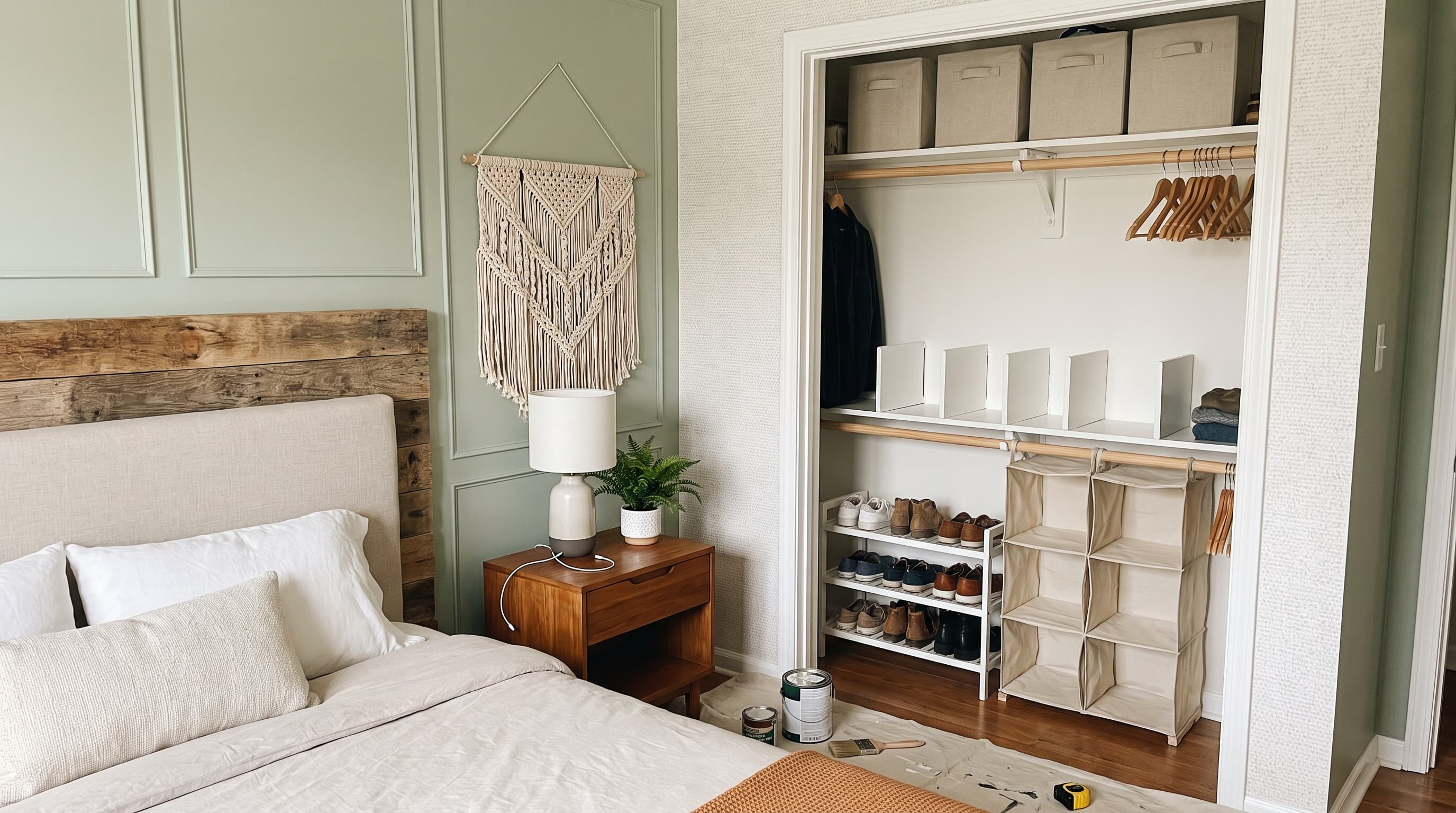
The bedroom should feel like a restful space. These projects help get there without a large spend.
11. Make a DIY Headboard
A headboard changes how a bedroom looks and feels. You can build one without advanced carpentry skills.
Upholstered panel: Cut a piece of plywood to your desired size. Attach 2-inch foam padding with spray adhesive. Wrap with fabric and staple the edges to the back. Mount directly on the wall above the bed.
Reclaimed wood headboard: Arrange wooden planks horizontally or in a herringbone pattern. Sand and stain them. Mount to a backing board and attach to the wall.
Macramé headboard: Use thick cotton cord and tie knots along a wooden dowel rod hung on the wall. No tools required.
12. Build Closet Organization Solutions
Most standard closets have one rod and one shelf. That setup leaves a lot of usable space empty.
Add a second rod below the first for shorter hanging items like shirts. Install shelf dividers to keep folded clothes from toppling. Use stackable bins for seasonal items on high shelves. Add a shoe rack at floor level to free up extra space. Small drawers or cubbies work well for accessories and belts.
Measure the closet before buying any materials. Every inch counts in a small space.
13. Refresh Bedroom Walls
Bedroom walls set the mood for the whole room. You do not need to repaint every surface to make a noticeable difference.
Paint the wall behind the bed in a warm, soft tone to create a focal point. Use removable wallpaper on one wall for pattern without long-term commitment. Add wall molding using simple trim pieces for a more polished look. Textured wall art, including preserved moss pieces, adds depth and a natural quality to plain bedroom walls.
Tones like warm white, sage green, or dusty blue work well for bedrooms. They support rest without making the room feel cold.
14. Upgrade Nightstands
Nightstands affect how functional and finished a bedroom feels. They are easy to overlook.
Repaint an old one in a contrasting color to the bed frame. Build a simple version using a wooden crate and hairpin legs. Mount floating nightstands to free up floor space entirely. Add a small tray with a hidden power strip for a cleaner charging setup.
Even swapping in a new lamp and a small plant makes a noticeable difference without replacing anything.
DIY Home Projects for Bathrooms
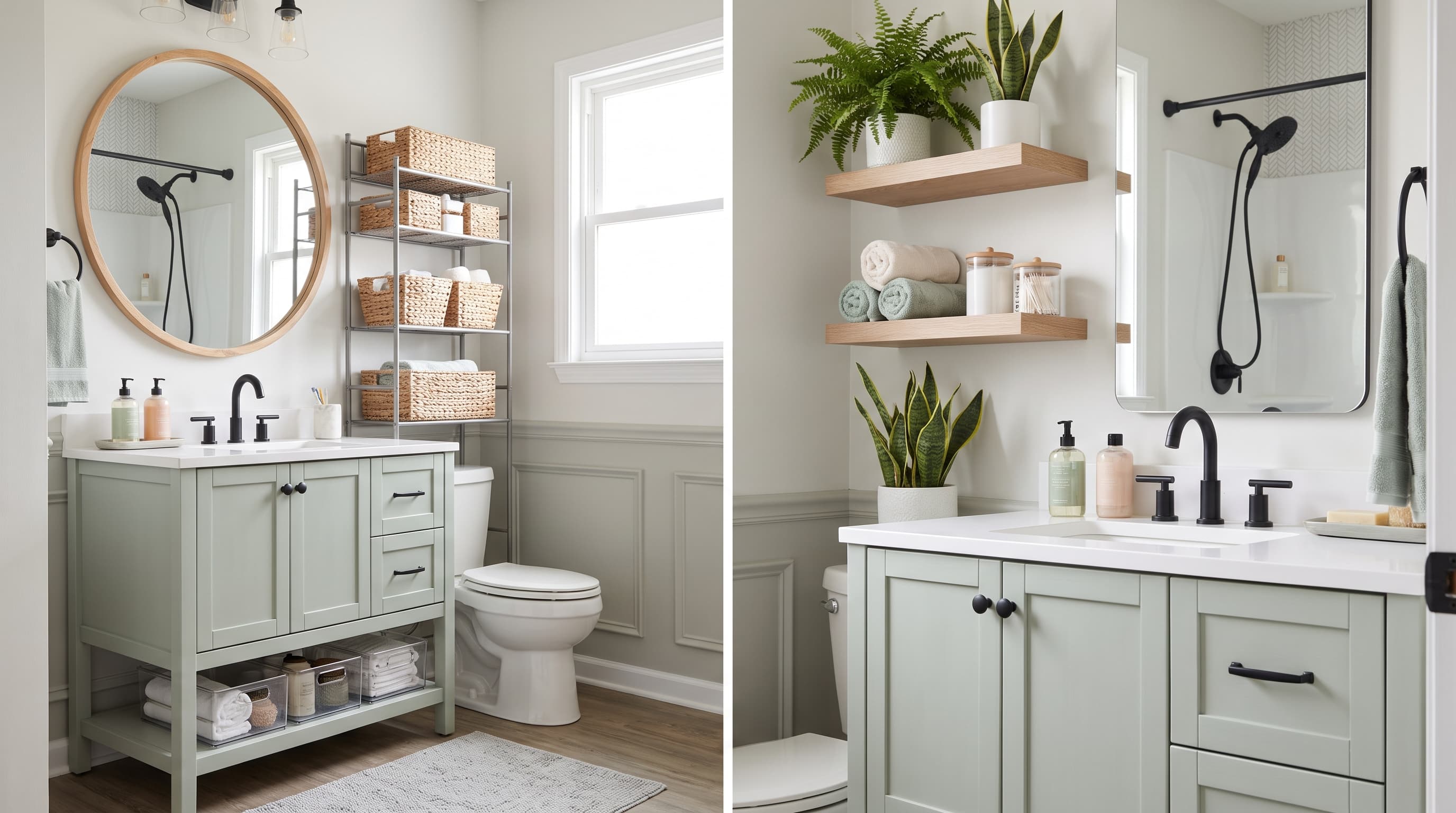
Bathrooms are small spaces, but even small changes make a noticeable difference. These projects focus on function and freshness.
15. Replace Bathroom Fixtures
Old faucets, towel bars, and showerheads can date a bathroom quickly. Replacing them is easier than you might think.
Turn off the water supply before starting. Disconnect the old faucet and install the new one using the included instructions. A showerhead swap takes about 10 minutes. Unscrew the old one, wrap new thread tape on the pipe, and screw the replacement in place.
Match finishes across all fixtures in the room. Chrome, brushed nickel, and matte black each create a different feel. Mixing them makes the space look unfinished.
16. Refresh a Bathroom Vanity
The vanity is the visual center of most bathrooms. Refreshing it changes the whole room.
Paint the cabinet using furniture-grade or cabinet paint. Clean and sand the surface first. Add a wood trim frame directly over an existing mirror.
Swap a dated bar light for a modern fixture, but turn off the breaker before touching any wiring. Replace the countertop with peel-and-stick film that mimics marble or stone. It goes over the existing surface and costs a fraction of a full replacement.
17. Add More Storage Without Demolition
Small bathrooms run out of space fast. These fixes add storage without tearing anything apart:
- A freestanding over-toilet shelving unit uses dead vertical space
- Floating shelves mounted above the towel bar
- Under-sink organizers: stackable bins or pull-out trays
- Hooks mounted on the back of the door for towels and robes
None of these require demolition. Most take under an hour to set up.
18. Add Decorative Bathroom Details
Small finishing touches make a bathroom feel more complete:
- Add wainscoting using beadboard panels on the lower half of walls
- Lay peel-and-stick floor tiles directly over existing flooring
- Paint the ceiling in a soft color to add depth to a small room
- Add pothos, ferns, or spider plants, which all do well in bathroom humidity
- Use a matching soap dispenser, toothbrush holder, and tray for a pulled-together look
Entryway and Laundry Room DIY Projects
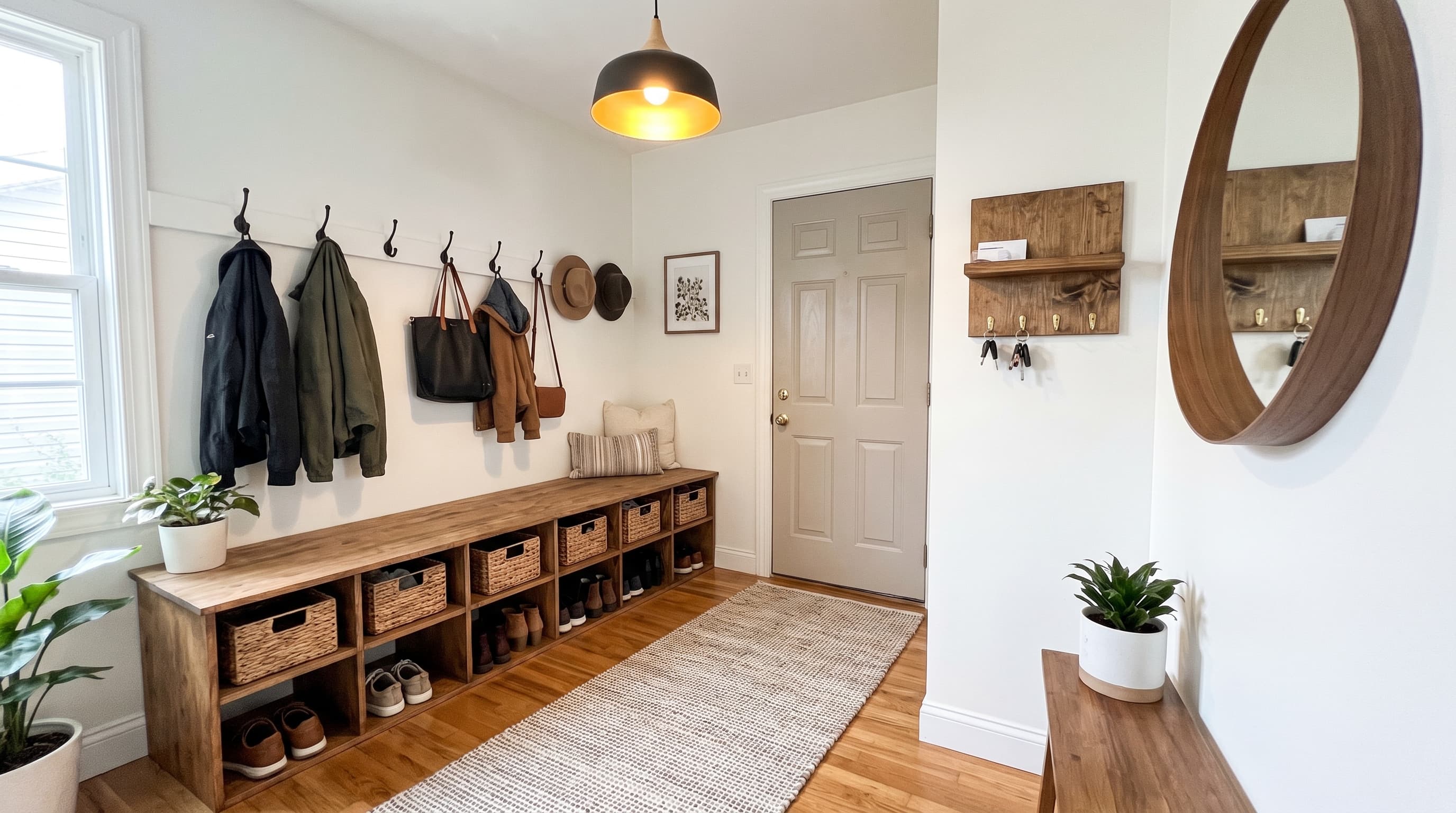
These two spaces are often overlooked. Improving them has a direct effect on daily life at home.
19. Build an Entryway Organizer
A good entryway organizer handles shoes, bags, coats, and keys in one spot.
Build a simple bench using a wooden board and hairpin legs. Mount a row of hooks on the wall above it for coats and bags. Stack and secure wooden crates on their sides as cubbies for shoes.
A hall tree with a coat rack on top, a bench in the middle, and storage at the bottom works well in narrow hallways. Keep the design simple. The entryway is a high-traffic space, so function matters more than decoration.
20. Create a DIY Key Holder
A dedicated key holder near the door is one of the most practical additions to an entryway.
Cut a small piece of wood, sand it, stain it, and add three or four small screw-in hooks. Mount it near the door at eye level. Add a small shelf below for wallets, sunglasses, or mail. Alternatively, repurpose a picture frame with a cork backing and hooks along the bottom edge.
21. Add Laundry Room Shelving and Sorting Stations
Most laundry rooms waste the wall space above the washer and dryer. Two or three open shelves above the machines hold detergent, dryer sheets, and supplies neatly. Set shelves at least 18 inches above the machines to leave room for loading and unloading.
For sorting, build a simple wooden frame with three labeled sections for lights, darks, and colors. Alternatively, mount three hooks on the wall and hang labeled canvas bags from each one.
A fold-down ironing board mounted on the wall saves floor space. A retractable clothesline stretched between two walls is useful for air-drying clothes.
DIY Outdoor Home Projects
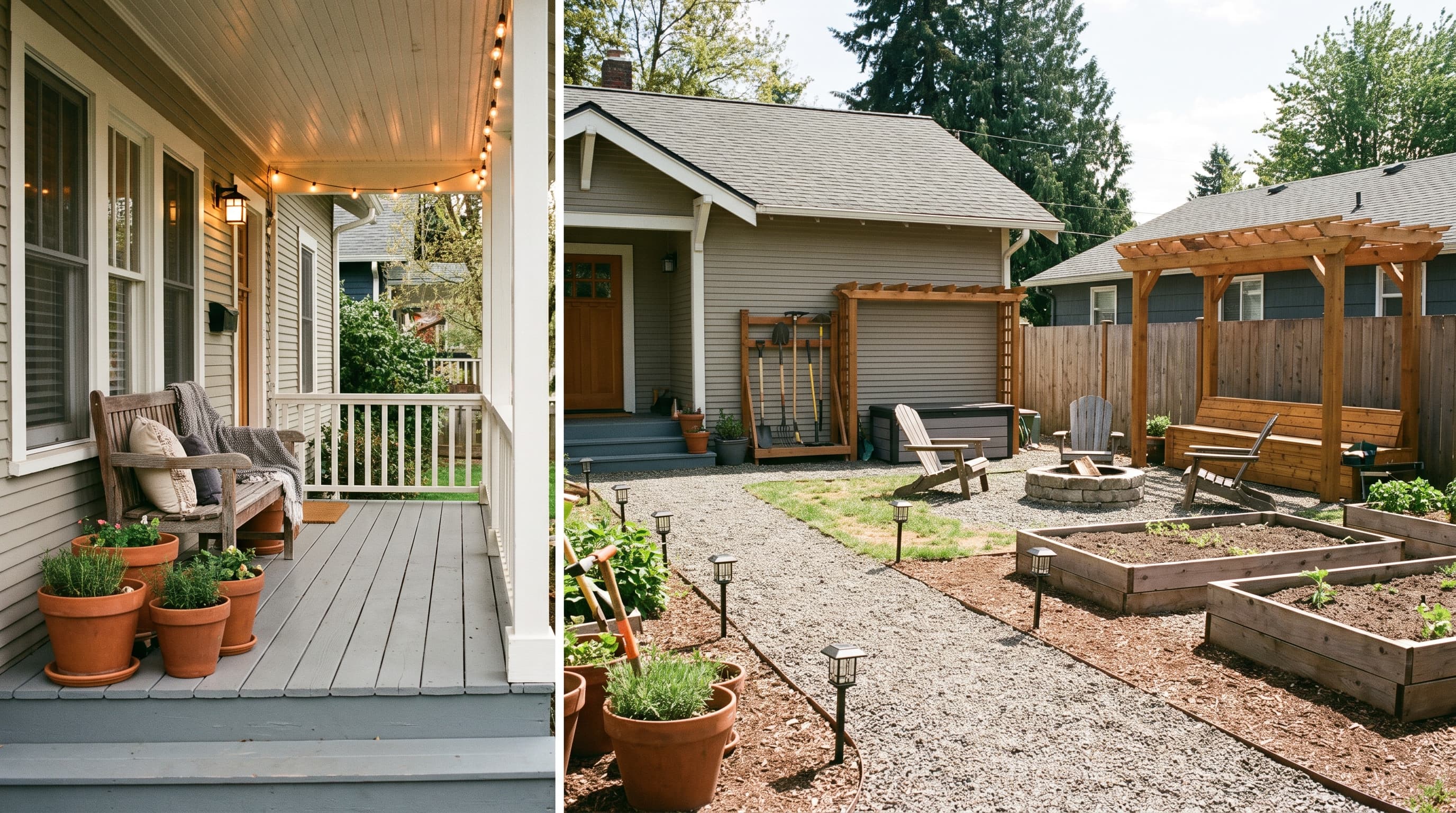
Outdoor spaces are extensions of your home. These projects improve them without major construction.
22. Refresh Your Front Porch
Your front porch is what visitors see first. A few updates make it feel far more welcoming.
Paint the porch floor with porch-and-floor paint for a clean, durable finish. Add matching planters on either side of the front door. Hang outdoor string lights along the porch ceiling or railing for a warm evening feel. Replace the welcome mat and paint the front door a strong color like navy, black, or deep red.
Adding a single wooden bench changes how usable the porch feels daily.
23. Improve Your Backyard Space
A backyard does not need an expensive renovation. Focus on one area at a time.
Build a raised garden bed using cedar boards in a simple rectangular frame. Fill it with soil and grow vegetables or flowers. Lay a gravel path by removing grass, adding weed-barrier fabric, and pouring gravel over it.
For a fire pit area, arrange retaining wall blocks in a circle on a flat surface. Add a metal fire ring insert and gravel around the outside.
24. Create Outdoor Storage
Outdoor tools, cushions, and gear need a proper home.
Build a storage bench with a hinged wooden lid. It holds cushions, garden tools, or seasonal items. Mount a pegboard panel on a fence or shed wall and add hooks for rakes, shovels, and hoses.
Build a basic firewood rack by stacking two posts in the ground with horizontal supports between them. It takes less than two hours to complete.
Keep outdoor storage close to where you actually use each item. A tool rack next to the garden beds saves time every day.
25. Upgrade Outdoor Lighting
Good outdoor lighting makes your yard safer and more useful after dark.
- Solar path lights: Stake along walkways. No wiring needed
- String lights on a pergola or fence: Use outdoor-rated lights with cable clips
- Motion sensor lights: Easy to install near garage doors or back gates for security
- Landscape spotlights: Solar or low-voltage lights highlight trees or planters
Always use lights rated for outdoor use. Indoor lights break down quickly when exposed to moisture and temperature changes.
Home Improvement Ideas on a Budget
The projects that give the most visible results tend to involve paint, hardware, or storage. Big change does not always require big spending.
| Project | Estimated Cost | Time Needed |
|---|---|---|
| Paint a room | $25–$50 | Half day |
| Replace cabinet hardware | $20–$80 | 1 hour |
| Peel-and-stick backsplash | $50–$150 | Half day |
| New light switch and outlet covers | $1–$5 each | 5 minutes each |
| Build a gallery wall | $10–$50 | 2–3 hours |
| Install floating shelves | $30–$60 | 2 hours |
| Closet rod and shelf upgrade | $50–$150 | 3–4 hours |
| Repaint the front door | $25–$40 | 2 hours |
Rearranging what you already own costs nothing. Move furniture to improve traffic flow. Swap objects between rooms. Group small items in sets of three on shelves. This often shows you already have what you need. It just was not placed in the most useful way.
Start with One Room, One Project
DIY home projects give you control over your space one room at a time. You do not need a large budget or years of experience. Start with the space that bothers you most. Paint one wall.
Replace one set of handles. Build one shelf. Each small project builds your confidence for the next one. Pick something from this list and get moving this weekend.
Frequently Asked Questions
What is the easiest DIY home project for beginners?
Replacing cabinet hardware is the easiest starting point. You only need a screwdriver. It takes under an hour and gives a kitchen or bathroom a noticeably updated look.
How much do DIY home projects cost?
Most beginner projects cost between $10 and $150. Painting a room runs $25–$50. Replacing hardware costs $20–$80. More involved work like painting cabinets ranges from $100 to $200 for materials.
Can DIY projects increase home value?
Yes. Kitchen and bathroom updates, fresh paint, new fixtures, and improved outdoor spaces all add value. Low-cost hardware and lighting swaps offer a strong return for minimal spend.
What tools does every beginner DIYer need?
A basic kit includes a drill, measuring tape, level, hammer, screwdrivers, utility knife, stud finder, and sandpaper. These tools handle most small home improvement tasks.
Which DIY home projects can finish in one weekend?
Painting a room, replacing hardware, installing shelves, and building a gallery wall can all be finished in one day. Have materials ready before you start to keep things moving.
Is it better to DIY or hire a professional?
DIY works well for painting, organizing, and hardware swaps. Electrical, plumbing, and structural work should go to licensed professionals. Taking on complex work without training often costs more to fix later.
What DIY projects are best for a small apartment?
Peel-and-stick wallpaper, floating shelves, over-door hooks, and removable wall art work well in apartments. They add function and personality without permanent changes.