Decluttering Checklist: 67 Things You Should Toss Now

Decluttering is often seen as a one-time task, but the real challenge lies in maintaining a clean, organized home over time. The problem isn’t that clutter accumulates; it’s that we don’t always address the right things.
A decluttering checklist can help you stay on top of what truly needs to go. From expired items to worn-out clothes, clearing out your space has lasting benefits for both functionality and mental clarity.
The key isn’t simply to discard, but to create a space that supports your lifestyle and well-being.
Let’s see how to remove the clutter from each area of your home.
What are the 4 C’s of Decluttering?
Decluttering your space can feel overwhelming, but breaking it down into manageable steps can help make the process smoother.
The 4 C’s of decluttering offer a simple and effective approach to help you get started and maintain a clutter-free home.
- Clear: Remove unnecessary items from your space.
- Categorize: Sort items into categories (keep, toss, donate).
- Contain: Organize remaining items into containers to avoid clutter.
- Customize: Adapt your space to your needs and lifestyle, keeping it organized.
By following these four steps, you’ll not only declutter your space but also make it easier to maintain an organized, functional, and peaceful environment.
Decluttering Checklist
Download the free printable decluttering checklist PDF and keep every room organized without the stress.
Decluttering your home can be a game-changer, helping you create a cleaner and stress-free space.
This checklist breaks down common items to purge room by room, so you can tackle your home one area at a time:
Kitchen

- Expired Food: Dispose of expired pantry, fridge, and freezer items.
- Stale Spices: Discard spices that have lost their potency.
- Unused Appliances: Remove gadgets you haven’t used in the past year.
- Missing Lid Containers: Toss containers without matching lids.
- Unwanted Mugs: Eliminate mugs you don’t use or that are damaged.
- Extra Utensils: Clear out redundant kitchen tools serving the same purpose.
- Cracked Plates: Expel plates that are chipped or broken.
- Damaged Towels: Throw out worn, stained, or ineffective towels.
- Unnecessary Cookbooks: Donate or discard books you don’t use.
- Excessive Wrap: Purge extra rolls of foil or plastic wrap.
- Outdated Cleaners: Exclude cleaning products that are no longer useful.
Keep only what truly serves you, and you’ll be amazed at how much smoother your cooking routine becomes.
Bedroom & Closet

- Unworn Clothes: Donate clothes you haven’t worn in the last year.
- Old Shoes: Throw away shoes that are too worn out or uncomfortable.
- Excess Hangers: Keep only the hangers you actually use.
- Outgrown Kids’ Clothing: Donate clothing that no longer fits your children.
- Socks with Holes: Toss any socks that are missing a mate or have holes.
- Old Underwear: Replace worn-out or uncomfortable underwear.
- Stained or Worn-out Bedding: Get rid of any bedding that’s no longer in good condition.
- Unused Throw Pillows: Remove extra throw pillows that aren’t used.
- Unused Blankets: Donate blankets that are rarely used or don’t match your decor.
- Old Pajamas: Get rid of old pajamas that are too worn out or no longer fit.
By getting rid of items you no longer need, you create a more comfortable, tidier space that invites relaxation. Start today for a cozier, clutter-free retreat!
Bathroom

- Expired Cosmetics: Discard expired makeup and skincare products.
- Old Toiletries: Get rid of nearly empty shampoo bottles or expired lotions.
- Stale or Expired Medication: Dispose of expired or unused prescription medications.
- Old Toothbrushes: Replace your toothbrush after three months, or sooner if it’s worn out.
- Dried-up Nail Polish: Throw out any nail polish that’s become thick or dried up.
- Expired Sunscreen: Toss sunscreen that’s past its expiration date.
- Old Razors: Replace old razors that no longer work well or are rusted.
- Worn-out Cleaning Supplies: Discard old cleaning cloths, sponges, or brushes.
- Old Towels: Replace towels that are worn out, frayed, or no longer absorbent.
- Expired First Aid Supplies: Replace expired band-aids, ointments, or other first aid items.
By clearing out these items, you’ll create a clutter-free bedroom and closet, allowing for a more restful environment and making it easier to find what you truly need.
Living Area & Office

- Old Magazines: Recycle magazines that have piled up.
- Unused Books: Donate books you no longer read or that don’t hold value.
- Obsolete frames: Pass them along when you no longer need them.
- Outdated Coupons: Check for expired coupons and toss them.
- Unused Fitness Equipment: Sell or donate exercise equipment you no longer use.
- Old Calendars: Toss old calendars that have already passed their year.
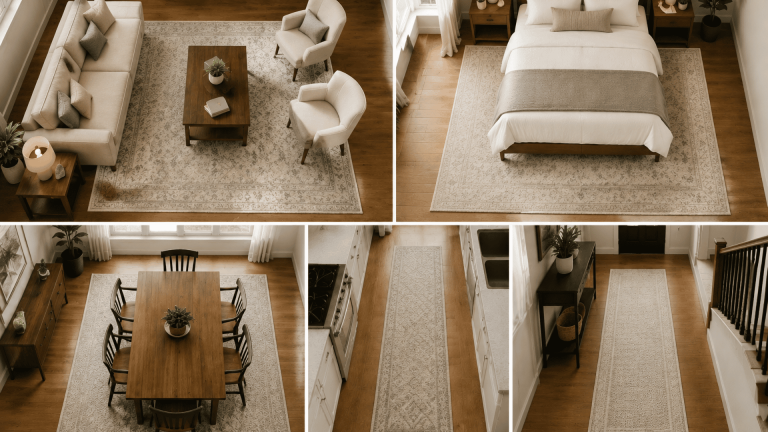
- Tattered Rugs: Get rid of any rugs that are stained, worn out, or no longer match your space.
- Outdated Artwork: Donate or toss artwork you no longer appreciate or that doesn’t match your style.
- Old DVDs or CDs: Recycle any DVDs or CDs you no longer watch or listen to.
- Unused Board Games: Donate or toss incomplete board games.
By decluttering your living and office areas, you can create a more inviting, functional space. Not only will your environment feel more open, but you’ll also have easier access to everything you truly use and need.
General Home

- Old Paint Cans: Dispose of unused or old paint cans taking up space.
- Unfinished Craft Projects: Toss or donate any craft projects you will never complete.
- Expired Batteries: Discard any batteries that are no longer useful.
- Broken Jewelry: Fix or toss any jewelry that’s damaged or doesn’t fit.
- Old Wallets or Bags: Get rid of old wallets, purses, or bags you don’t use.
- Unused Travel Accessories: remove any extra items, such as old luggage tags or unused neck pillows.
- Outdated Gift Cards: Toss unused gift cards.
- Unused Gardening Tools: Get rid of gardening tools you don’t use or that are broken.
- Unused Sports Equipment: Donate or sell sports equipment you no longer use.
- Excess Water Bottles: Recycle plastic water bottles or toss ones you don’t use.
- Single-Use Items: Toss disposable items like plastic straws or utensils you rarely use.
- Excess Furniture: Evict any extra furniture that clutters up space or isn’t needed.
- Outdated Prescription Glasses: Donate prescription glasses you no longer need.
- Old Baby Gear: Clear out baby gear that your kids have outgrown or no longer need.
- Toys with Missing Pieces: Get rid of toys that no longer serve their purpose or are incomplete.
- Old Holiday Decorations: Purge decorations you no longer use or that are broken.
- Unnecessary Paperwork: Shred or recycle old paperwork you no longer need.
By staying on top of purging unnecessary items, you’ll maintain an organized and welcoming home.
Digital Decluttering

59. Unnecessary Apps: Delete apps on your phone or computer that you no longer use.
60. Old Emails: Clean out your email inbox by deleting or archiving unnecessary emails.
61. Outdated Files: Delete old files from your computer or cloud storage that are no longer needed.
62. Unused Accounts: Close old accounts or cancel subscriptions that you no longer need.
63. Old Photos: Delete duplicate or blurry photos that are taking up storage space.
64. Unused Cloud Services: Cancel or delete unused cloud storage services or subscriptions.
65. Browser Bookmarks: Clear out outdated or unused browser bookmarks.
66. Old Digital Music: Delete or stream old music that you no longer listen to.
67. Unused Video Games: Uninstall or delete video games you no longer play.
Digital clutter can slow down your devices and overwhelm your digital space. By regularly cleaning up your digital files and apps, you’ll free up storage and create a more organized, efficient digital environment.
What Should You Not Throw out When Decluttering?
Decluttering does not mean getting rid of everything. Some items hold practical, sentimental, or financial value, making them the smarter choice.
Before tossing something, pause and think about whether it genuinely serves a purpose in your life.
Items worth holding onto include:
- Important documents like birth certificates, tax records, and insurance papers
- Sentimental items such as handwritten letters, family photos, or inherited keepsakes
- Quality clothing that fits well and is worn regularly
- Functional tools and appliances still in good working condition
- Medications that are still valid and part of your current routine
- Emergency supplies like first aid kits, flashlights, and batteries
How Often Should You Declutter?
A thorough declutter once or twice a year works well for most homes. That said, smaller habits make a big difference.
Clearing expired pantry items monthly, doing a quick closet pass each season, and regularly deleting unused digital files keeps clutter from building up.
Consistency matters more than frequency, so find a routine that fits your lifestyle and stick to it.
Conclusion
Decluttering isn’t just about removing items; it’s about creating a functional, organized space that supports your lifestyle.
By tackling each room with a decluttering checklist, you can reduce the chaos and transform your home into a more peaceful environment.
The 4 C’s of decluttering: Clear, Categorize, Contain, and Customize, offer a simple framework to guide you through the process.
Remember, maintaining a clutter-free space is a continuous effort and regular dismissal of unnecessary items is key to keeping things organized. Start decluttering today and enjoy a more organized, stress-free living space.
Ready to get started? Check our complete decluttering checklist and transform your space today!
Frequently Asked Questions
What is the 20 20 20 Rule for Decluttering?
The 20/20/20 rule suggests that if an item can be replaced for under $20, in under 20 minutes, within 20 miles of your home, it is safe to let it go.
What Is the ‘One-Year Rule’ for Clothes?
If you haven’t worn a piece of clothing in the past year, it’s a strong signal you don’t need it. Exceptions include formalwear or special-occasion items. If it no longer fits or you don’t love it, consider donating it.
Will Decluttering Really Reduce Stress?
Yes, research consistently links cluttered environments to elevated cortisol levels. A cleaner space reduces visual noise, makes it easier to find things, and creates a greater sense of control over your environment, all of which contribute to improved mental clarity and calm.