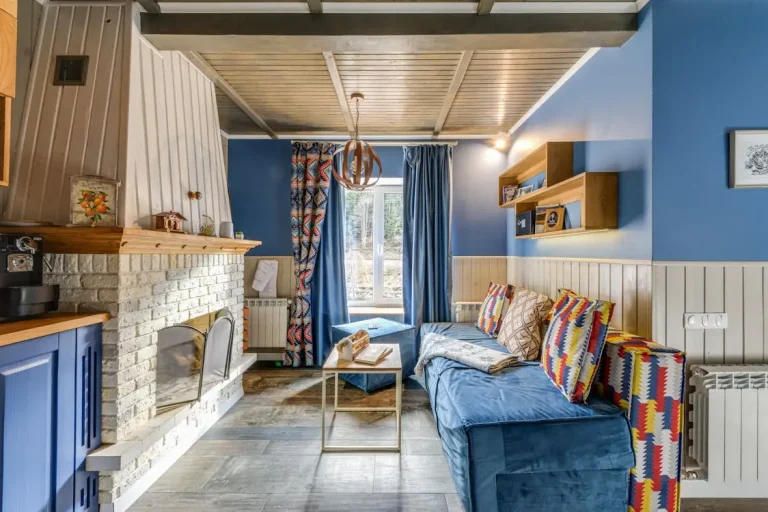
Converting Unused Spaces Into Personal Sanctuary Zones

Walk through your home right now. Guest bedroom collecting dust? Corner of the basement serving as a junk repository? That weird alcove under the stairs housing holiday decorations from forever ago?
All that unused square footage? It’s a potential sanctuary space you’re ignoring.
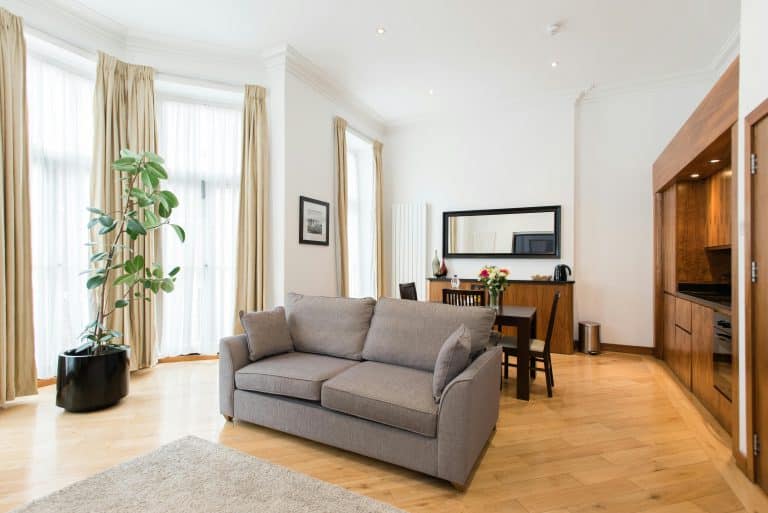
Creating a personal retreat doesn’t require adding onto your house or renting a separate space. Most homes have somewhere between 40 and 200 square feet of underutilized areas sitting empty. Corners nobody uses. Rooms that serve no real purpose except making you feel guilty about wasted rent or mortgage payments.
Here’s how to claim that space for yourself.
Finding Your Hidden Sanctuary
Not all unused spaces work. Guest rooms that host visitors maybe twice a year make obvious candidates, but honestly? Smaller areas often work better.
You need three things: some separation from where everyone walks through constantly, decent ventilation (even just a window), and enough room to sit without your knees hitting a wall. Like, 4×6 feet works. That’s smaller than most walk-in closets.
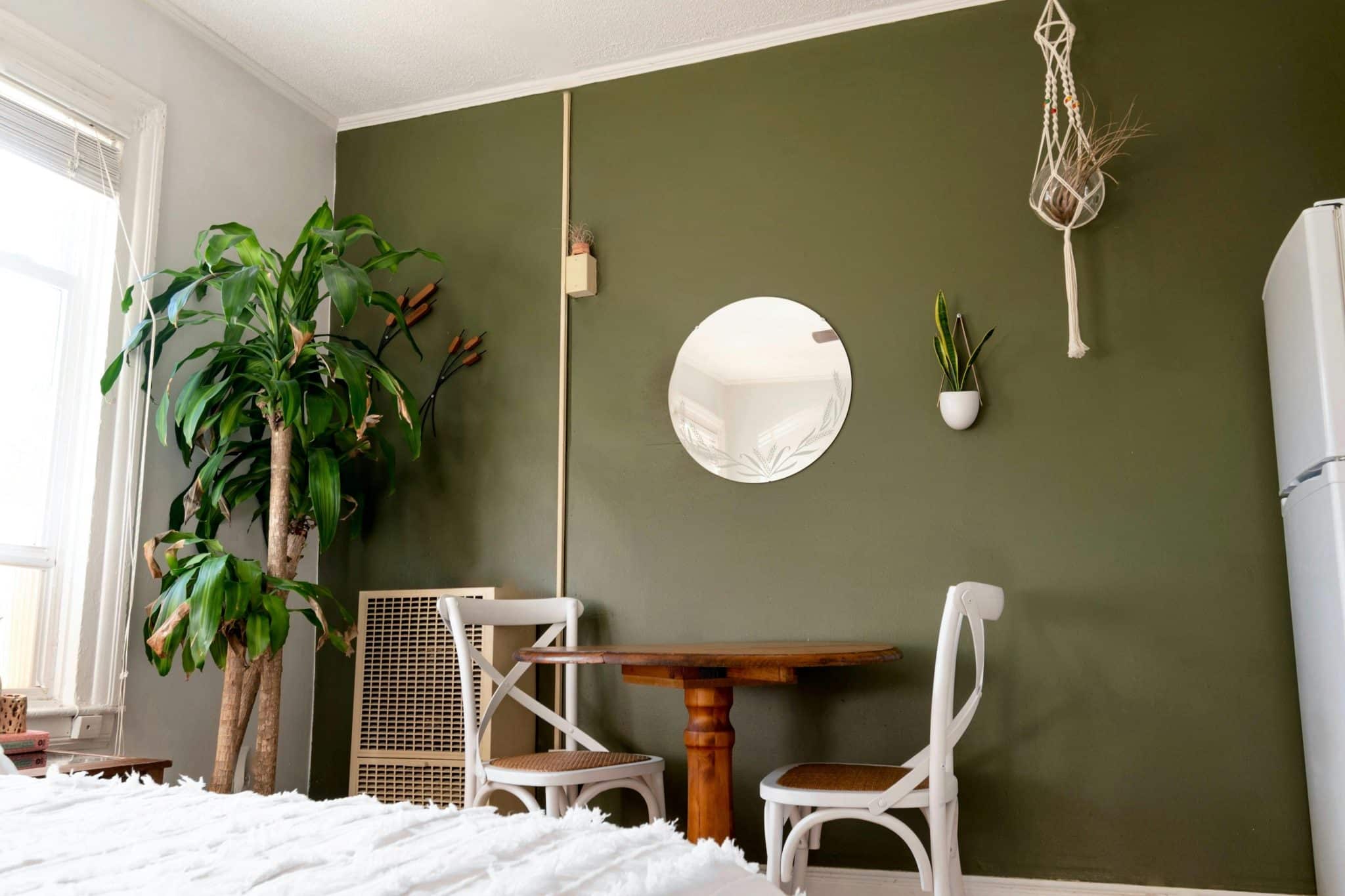
Basement corners work. Enclosed porches. Large closets if you’re willing to get creative. Attic spaces with decent climate control. Bedroom nooks.
Reality check: If there’s no natural light or airflow, you’ll need to add both. That gets complicated and expensive fast. Start with areas that already have windows.
The Non-Negotiable Design Elements
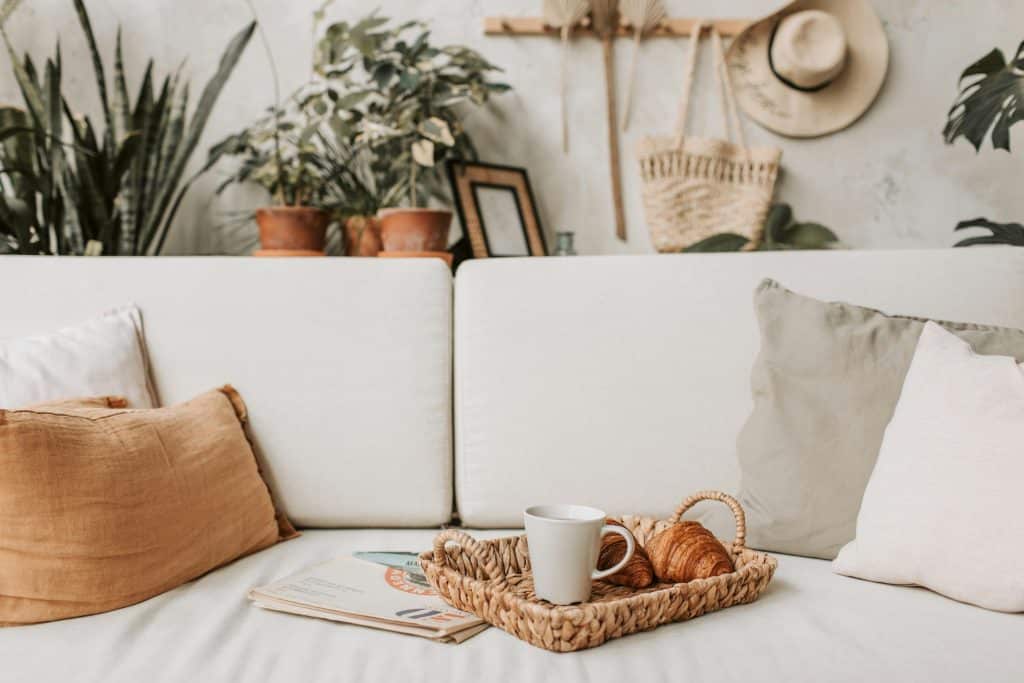
Sanctuary spaces fail when you cheap out on basics. You need actual seating (not folding chairs), appropriate lighting on a dimmer, and dedicated storage for whatever you use to unwind.
That storage piece matters way more than you’d think. If your relaxation involves wellness products—essential oils, pure and potent THCA dabs, tea collections, meditation stuff—you need it organized and accessible. Nothing kills the vibe faster than hunting through three rooms for what you need.
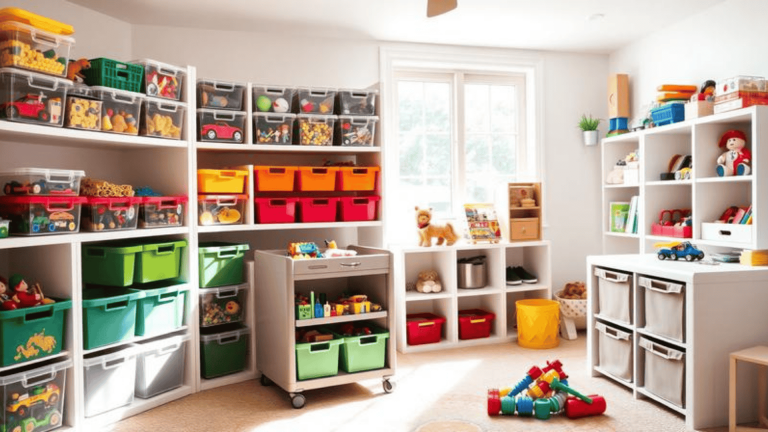
Small shelving units work. Decorative boxes. Dedicated drawers. Whatever. The key is making everything you use regularly within arm’s reach of where you sit.
The Budget Reality
Converting space doesn’t require renovation money. Most functional sanctuary zones cost somewhere between $150 and $300 to set up.
Start with seating. Floor cushions run around $40-80, work in tight spaces. A quality armchair from Facebook Marketplace or thrift stores? Usually $50-100. Skip the cheap stuff that hurts after 20 minutes. You’ll just stop using it.
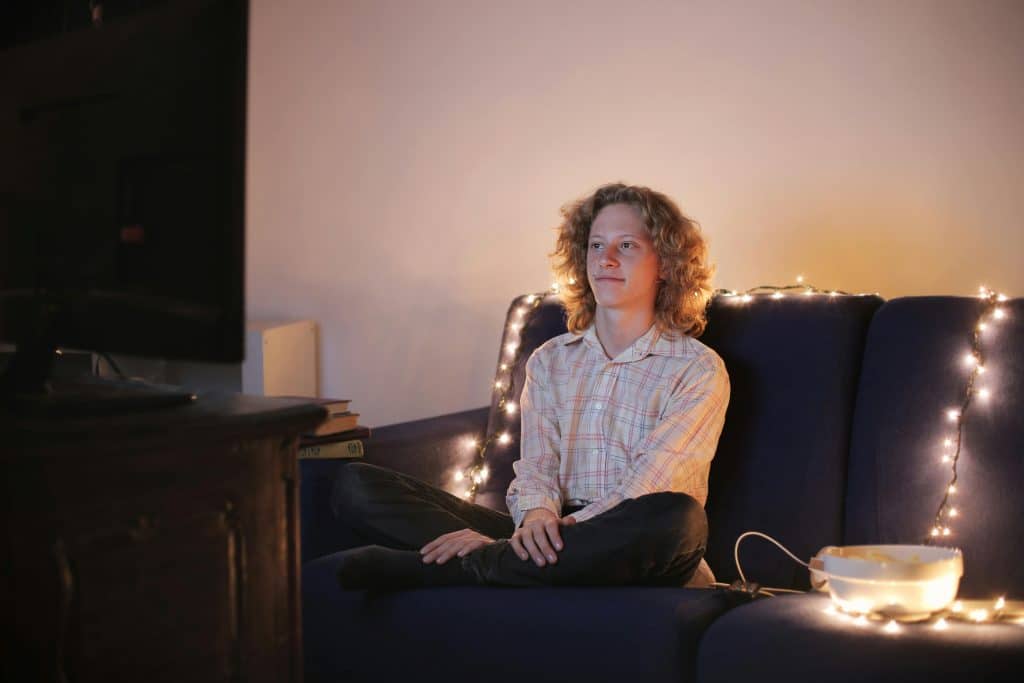
Lighting’s next. String lights are like $15. Floor lamps maybe $30-60. Clip-on spotlights are around $20. The critical thing is adjustable brightness. Harsh overhead lighting kills any ambiance instantly.
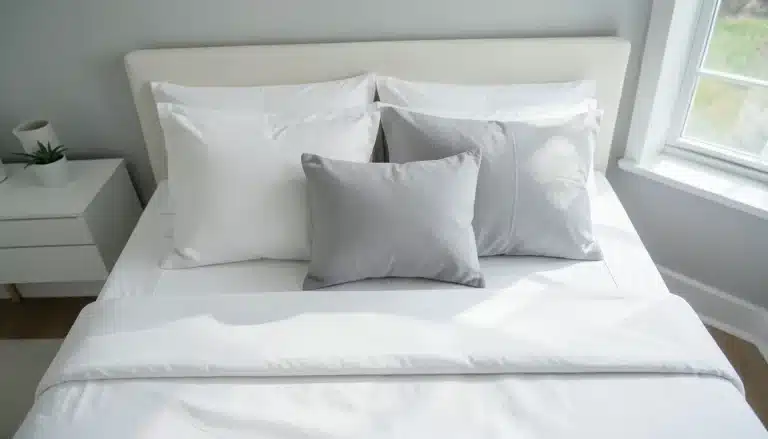
Then add textiles. One good throw blanket, $25-40. Maybe a small rug if the floor’s uncomfortable, $40-80. Done.
The “sanctuary aesthetic” Instagram sells—multiple throw pillows, everything coordinated, decorative objects—adds cost without adding function. Focus money on things you’ll actually use.
What Kills Sanctuary Spaces
Making your retreat too public ruins it. If the family constantly interrupts or the space is visible from the main living areas, you won’t relax there.
The solution isn’t always physical barriers. Sometimes it’s just communication. Setting “do not disturb” hours for your sanctuary space works if everyone respects them. A closed door or curtain serves as the visual signal.
Another failure? Letting the space accumulate other functions. Your sanctuary becomes where you fold laundry, answer work emails, and store overflow items. This drift happens so gradually, but destroys the purpose completely.
One function only. Even if that means saying no to “practical” uses that seem harmless.
Ventilation mistake: Enclosed spaces need airflow. Especially if you’re using any products that create smoke or vapor. A window you can open, or a small fan prevents stuffiness and keeps things comfortable.
Making It Actually Happen
Most people research sanctuary spaces, plan extensively, then never build them. The gap between intention and execution? Viewing it as a big project instead of a weekend task.
Block four hours. Clear the space, bring in seating, add lighting, and organize storage. You’re done.
Refine later. But a functional version takes one afternoon.
The space doesn’t need perfection before you use it. Using it imperfectly beats not using it at all.
* * *
Unused spaces stay unused because we imagine transformation requires more than we have available—more money, time, expertise. But converting like 50 square feet into a personal sanctuary costs less than most people spend monthly on streaming services they barely watch. The difference is what you get back. A dedicated space for actual relaxation that exists whenever you need it, not just when your schedule magically clears.