Panama, Region by Region

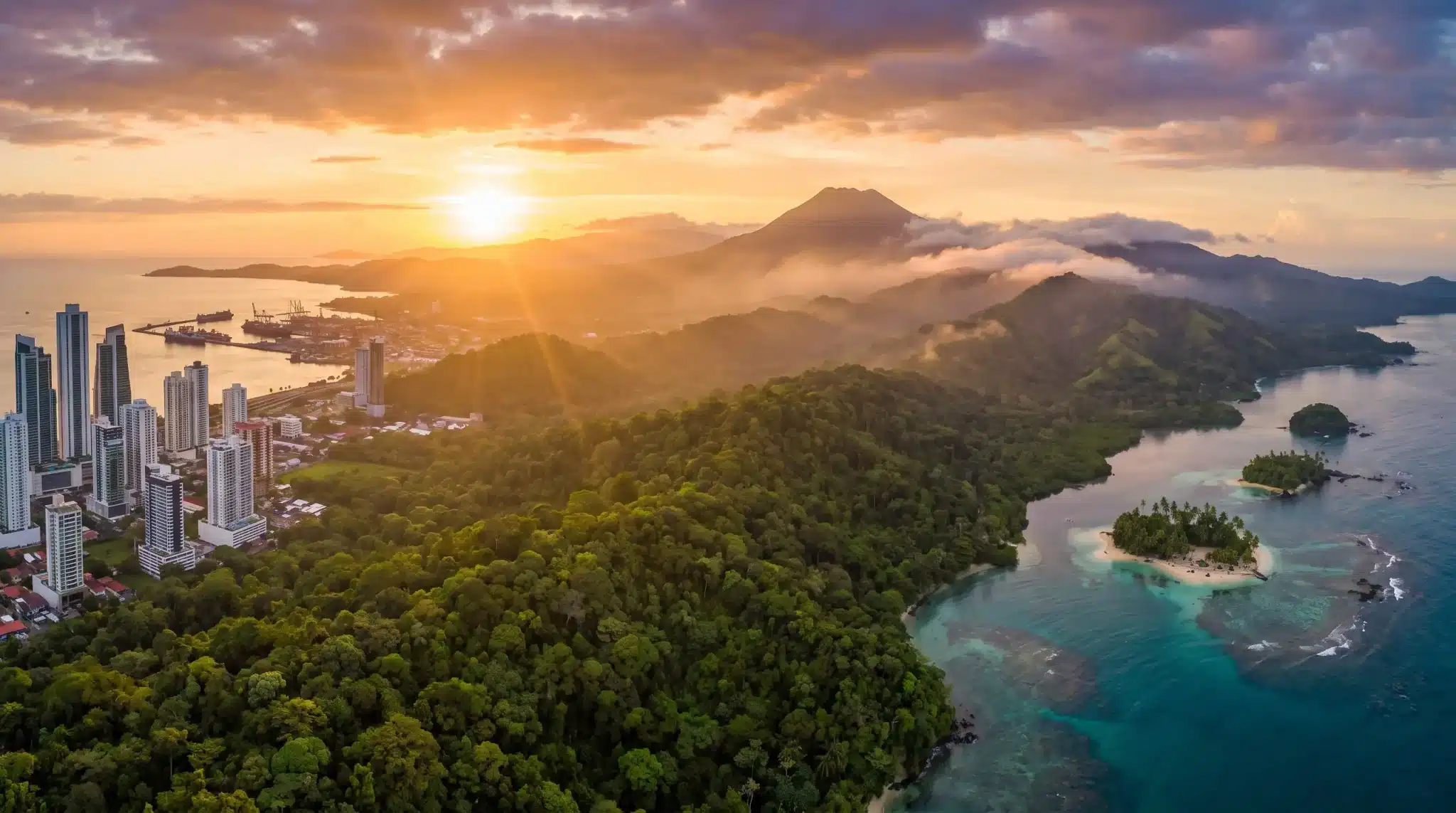
Panama gets treated as a canal and not much else, which shortchanges a country that packs cloud forest, two coastlines, an indigenous archipelago, and a modern skyline into an area smaller than South Carolina.
Driving from one region to another can mean a temperature swing of 20 degrees and a complete change in scenery within three hours. Here’s what each part of the country actually offers, and why lumping them together does Panama a disservice.
Panama City and the Canal Zone
Panama City is the only Central American capital with a skyline that could pass for Miami’s, and the contrast with its own history sits a few blocks away in Casco Viejo, the restored colonial quarter of balconied buildings and rooftop bars.
The Panama Canal itself is worth a half-day beyond the postcard photo — Miraflores Locks has an observation deck where you can watch container ships get walked through by mule locomotives, often with a cruise ship squeezed in with inches to spare on either side.
Just outside the city, Soberanía National Park puts serious rainforest within a 40-minute drive of downtown skyscrapers.
Trails like Pipeline Road are consistently ranked among the best birdwatching spots on the planet, with over 400 recorded species. This proximity of jungle to metropolis is the one thing that surprises first-time visitors more than anything else in the country.
Bocas del Toro
On the Caribbean side, Bocas del Toro is an archipelago of nine main islands and dozens of smaller cays, built around a laid-back, slightly ramshackle main town on Isla Colón.
The vibe here leans backpacker and surfer, with Wizard Beach and Playa Bluff drawing wave-chasers between December and March.
Red Frog Beach, named for the tiny poison dart frogs that hop through the leaf litter nearby, is the postcard shot most people come for.
Getting between islands means small boats, not cars, which sets the pace for the whole region. Sloths, dolphins, and coral reefs suitable for snorkeling are all within a short water taxi ride of most lodging.
The infrastructure is looser than in Panama City, so travelers who want polish should look elsewhere, but those chasing a barefoot, salt-air atmosphere will find it here.
The Azuero Peninsula
The Azuero Peninsula is where Panama’s cattle-ranching, folkloric heart still beats, and it gets far fewer foreign visitors than the coasts.
Towns like Guararé and Las Tablas host some of the most elaborate Carnival celebrations in the country, along with the Festival de la Mejorana, a folk music and dance event held every September.
Handmade guayabera shirts and the wide-brimmed sombrero pintado still come out of small workshops here rather than souvenir factories.
The peninsula’s Pacific-facing beaches, particularly around Pedasí, have quietly become a surf destination, with breaks like Playa Venao pulling in a mix of pros and beginners.
Whale shark and humpback whale sightings occur seasonally offshore, adding a marine draw to a region better known for cowboy culture than water sports.
It’s a slower, more traditional slice of Panama that rewards travelers willing to skip the more obvious stops.
Boquete and the Chiriquí Highlands
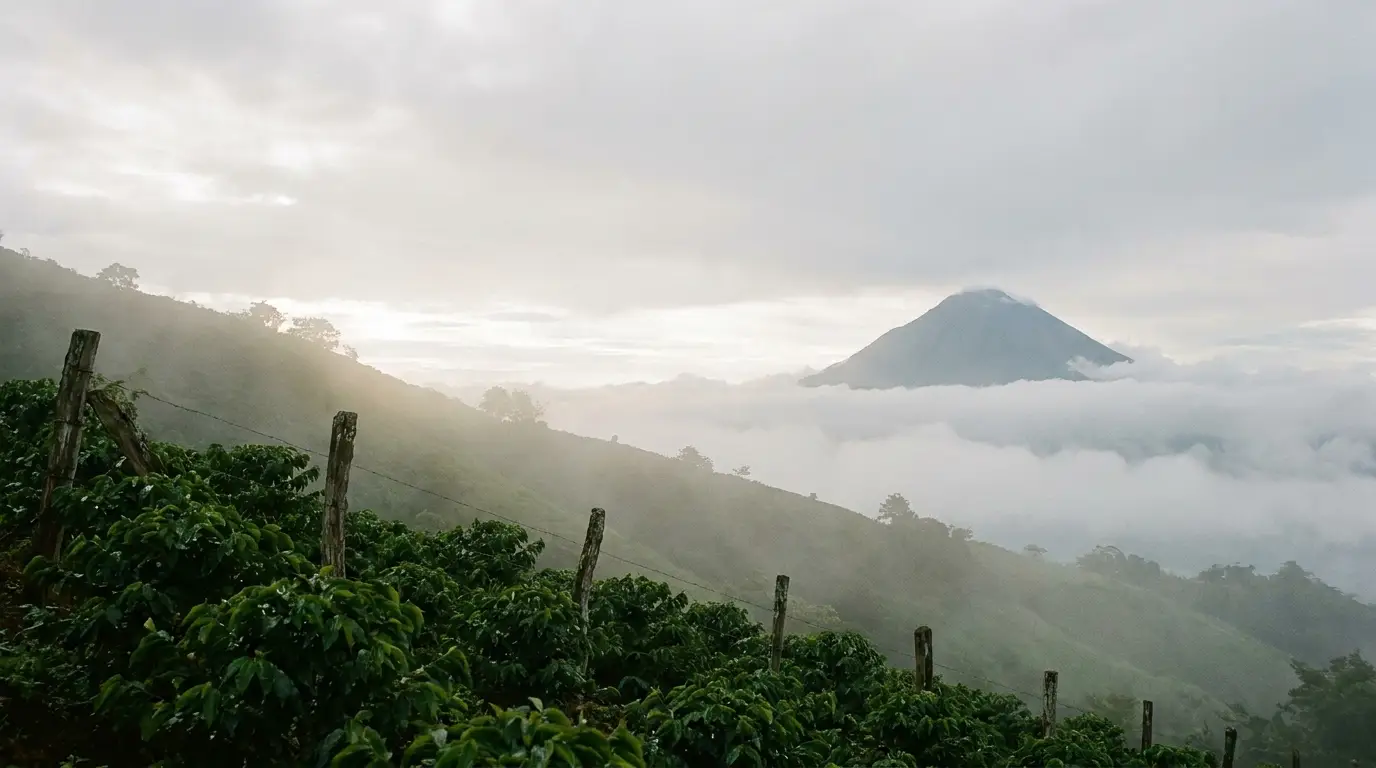 Up in the mountains near the Costa Rican border, Boquete sits at roughly 3,900 feet of elevation, which keeps temperatures in the 60s and 70s year-round.
This is coffee country, home to geisha beans that fetch some of the highest prices in the specialty coffee market, and farm tours here go well beyond a quick tasting.
Volcán Barú, Panama’s only volcano and highest peak at 11,401 feet, anchors the region and offers a summit hike that, on a clear morning, lets you see both the Pacific and Caribbean coasts at once.
The highlands attract a different kind of traveler than the beach towns — retirees, hikers, and anyone craving cooler air after a stretch on the coast. Zip-lining canopies, hot springs, and the Quetzal Trail round out a region that feels more like the Pacific Northwest than the tropics.
Guna Yala (San Blas Islands)
Guna Yala, still commonly called San Blas, is an autonomous indigenous territory made up of roughly 365 islands, most of them uninhabited sandy specks with a few palm trees.
The Guna people govern the region independently, and visiting means working with Guna-run lodges and boat operators rather than international hotel chains.
Days here tend to revolve around swimming, snorkeling, and eating freshly caught fish, with little in the way of nightlife or organized activity.
This is also where the country’s more upscale travel operators have started building itineraries, since the mix of overwater bungalows, private boat charters, and untouched reefs lends itself well to Panama luxury tours that pair remote island time with a few nights back in the capital.
The contrast between rustic island living and Panama City’s polish is part of the appeal rather than a drawback.
Choosing Where to Go
Panama rewards travelers who resist trying to see everything in one trip. Pairing two contrasting regions — say, Boquete’s mountain air with Bocas del Toro’s beaches, or Panama City’s canal views with a few nights in Guna Yala — gives a fuller sense of the country than rushing through four stops in ten days.
Build the itinerary around the kind of landscape you actually want to wake up to, and let the rest of the country wait for a second visit.