Why Chain-Free Property Sales Appeal to So Many Sellers Today

For years, the traditional home-selling process has followed a familiar script: list the property, accept an offer, hope the buyer’s sale goes through, and then wait for everyone else in the chain to keep moving. When it works, it works well enough. When it doesn’t, it can drag on for months and unravel for reasons that have nothing to do with your own home.
That’s exactly why chain-free sales have gained so much attention. Sellers aren’t simply looking for speed, although that matters. More often, they’re looking for certainty, control, and a way to reduce the number of moving parts in what is already one of life’s more stressful transactions.
In a market where mortgage rates have shifted, buyer confidence can wobble, and conveyancing delays remain common, chain-free sales offer something many sellers value more than ever: fewer dependencies.
The Problem With Chains Isn’t Just Time
A property chain is fragile by design. Each transaction depends on another one completing, often with five, six, or even more households involved. One survey issue, one mortgage hiccup, one change of heart, and the whole structure can stall.
Small Delays Have a Way of Spreading
This is what makes chains so frustrating. A buyer at the bottom of the chain might be ready to go, but if someone further up is waiting on probate documents, or a lender down-values a property, everyone feels the knock-on effect.
In practical terms, that can mean:
- delayed exchange dates
- repeated paperwork requests
- removals being rescheduled
- sellers feeling unable to make firm plans
And then there’s the emotional toll. When a sale drifts for weeks, sellers often stay in limbo. They postpone school decisions, job relocations, renovation work, and even family arrangements because they don’t know whether completion will happen this month or three months from now.
Industry figures vary, but agreed sales falling through is hardly rare in the UK. For sellers who have already packed boxes, paid solicitors, and mentally moved on, that uncertainty carries a real cost.
Why Certainty Now Matters More Than “Best Possible” Price
There’s been a noticeable shift in seller priorities. Not everyone is chasing the highest headline offer anymore. Many are asking a more grounded question: what is the most dependable route from where I am now to a completed sale?
Real Life Doesn’t Always Leave Room for a Perfect Sale
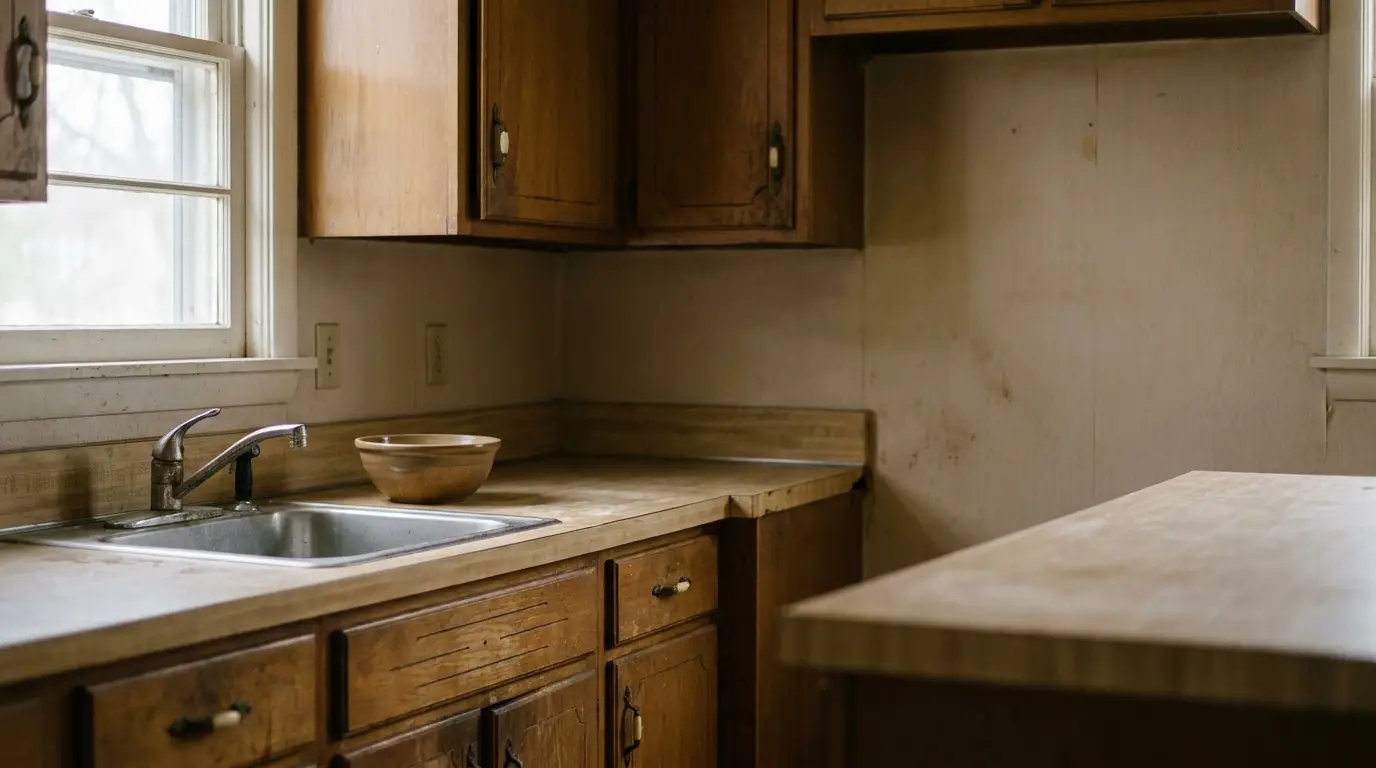
That’s especially true when the property itself presents challenges. Not every home is freshly decorated and market-ready. Some are inherited. Some have been rented out for years and need updating. Others come with structural concerns, dated kitchens, unfinished work, or simple wear and tear that would put off mortgage-backed buyers.
In those situations, a conventional sale can become slower and more complicated. A buyer may negotiate hard after survey results come back, or disappear altogether once repair estimates surface. That’s why some owners explore alternatives, including cash buyers for homes as-is without repairs, when the priority is to avoid spending more time and money preparing a property for the open market.
That doesn’t mean one route suits everyone. It means sellers are being more pragmatic. If a chain-free option removes uncertainty, reduces holding costs, and gets the sale completed on a workable timeline, the trade-off can be worth it.
Chain-Free Sales Often Match the Seller’s Situation Better
One of the biggest reasons these sales appeal today is simple: they fit the realities many people are dealing with.
Relocation, Separation, Probate, and Landlord Exits
A seller moving for work may need a definite completion date, not a vague promise. Someone going through a separation usually wants the process resolved cleanly, without a chain extending the stress. Executors handling probate are often less interested in staging a house than in settling an estate efficiently. And landlords leaving the market may want to release capital without carrying a vacant property for another season.
These aren’t niche scenarios anymore. They’re common, and they each favour certainty over complexity.
In those cases, chain-free sales offer something the traditional route often struggles to provide: a clear path. That can be more valuable than squeezing out an extra percentage on paper, particularly if delays would eat into that gain anyway.
The Hidden Costs of Waiting
This is where the conversation gets more nuanced. Sellers sometimes compare routes based only on sale price, but time has a price too.
Every extra month can mean additional mortgage payments, council tax, utilities, insurance, and maintenance. If the property is empty, there may be security concerns and special insurance terms. If it needs work, deterioration doesn’t pause while you wait for the “right” buyer.
Then there’s the less visible cost: price drift. A home listed at an ambitious figure may end up reduced after weeks of low interest, and then reduced again after a failed sale. By the time the property finally completes, the seller may be in a similar financial position to where they would have been with a faster, cleaner transaction.
What Sellers Should Look at Before Choosing a Chain-Free Sale
Chain-free doesn’t automatically mean better. It means different, and it should be assessed on practical terms.
Speed Is Only Part of the Picture
A quick offer sounds attractive, but sellers should look beyond the headline. How likely is the buyer to complete? Are there fees involved? Is the proposed timeline realistic? Will the seller have flexibility over the completion date?
These questions matter because a true chain-free sale should reduce friction, not simply move it somewhere else.
Ask for Clarity Early
Any seller considering this route should want straightforward answers on a few basics: proof of funds, legal process, expected timescales, and whether the agreed figure is likely to change after inspection. Transparency is usually a good sign. Vagueness rarely is.
The strongest chain-free transactions tend to share one feature: everyone knows what is happening and when.
The Appeal Comes Down to Control
In the end, the popularity of chain-free property sales reflects a broader change in mindset. Sellers are less willing to accept months of uncertainty as the default cost of moving home. They want options that reflect real pressures, whether that’s financial, personal, or practical.
For some, the traditional estate agent route will still make perfect sense. But for many others, especially those facing tight deadlines or difficult-to-market properties, a chain-free sale offers a calmer and more predictable alternative.
That’s the real appeal. Not just speed, and not just convenience. It’s the chance to move forward without waiting for a dozen unrelated variables to line up first.