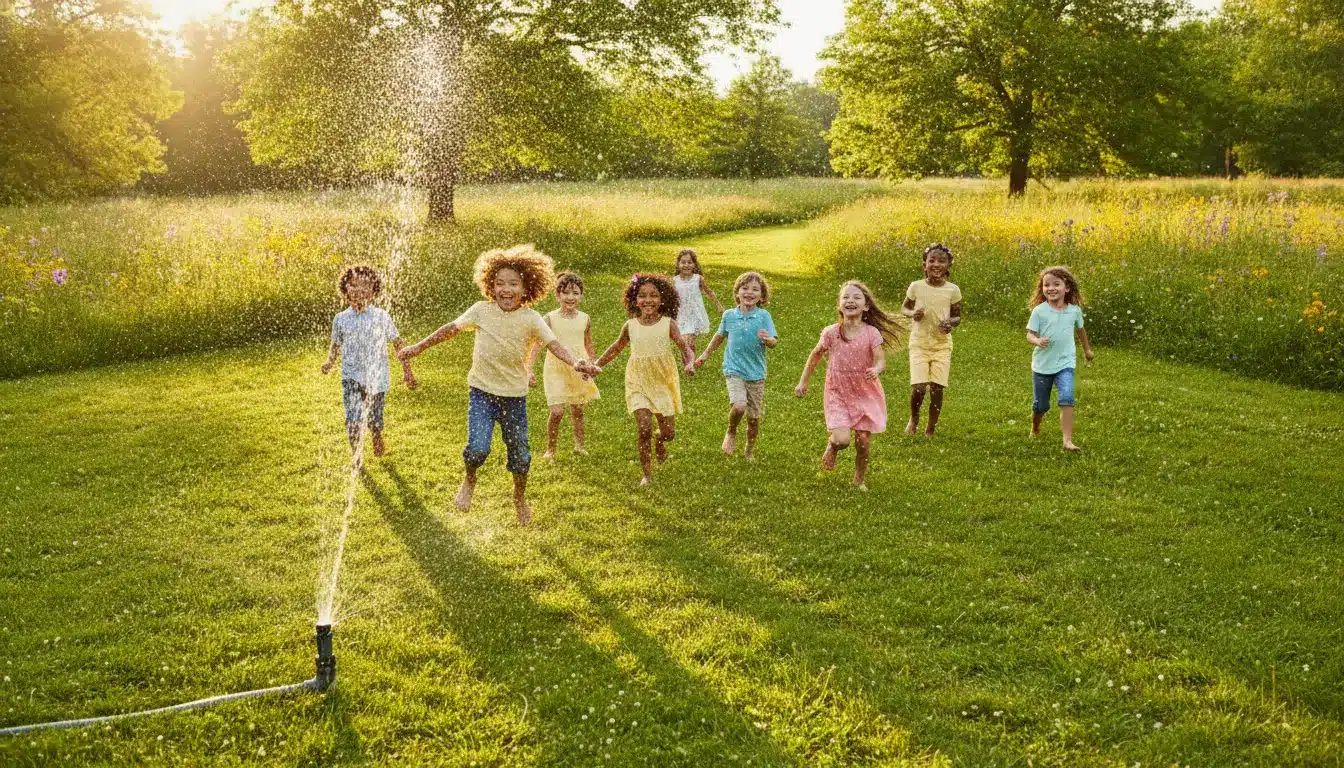
The Best Ways to Keep Kids Happy and Active All Summer Long

Summer has a way of stretching out before families like a blank canvas. School schedules disappear, alarm clocks get ignored, and children suddenly have hours to fill each day. While that freedom can feel exciting at first, many parents know that boredom often arrives sooner than expected. The key is finding a balance between adventure, downtime, and activities that help children stay engaged without turning every day into a carefully managed event.
A memorable summer does not require expensive trips or a packed calendar. In many cases, the best experiences come from simple routines, outdoor exploration, and opportunities for kids to discover new interests.
Make Outdoor Exploration a Weekly Tradition
One of the easiest ways to create excitement during the summer months is to build a habit of exploring new places. Parks, nature preserves, beaches, lakes, and hiking trails offer fresh scenery and plenty of opportunities for children to burn energy while learning about the world around them.
Families looking for inspiration can create a list of local attractions and nearby summer destinations that are easy to visit on weekends. Even short day trips can feel special when children are encouraged to help plan the adventure. Giving kids a sense of ownership often makes them more enthusiastic about getting outside and trying something new.
Outdoor exploration also provides a natural break from screens. Instead of spending entire afternoons indoors, children have a chance to move, observe wildlife, and experience environments that feel very different from their everyday surroundings.
Create a Flexible Summer Routine
Many parents worry about overscheduling their children during school months, yet the opposite challenge can appear during summer. Without any structure at all, days can quickly become repetitive.
A simple routine provides enough predictability to help everyone stay on track. Mornings might include reading, crafts, or educational activities, while afternoons can be reserved for outdoor play or visits with friends. The goal is not to recreate a classroom schedule. Instead, it is about creating a rhythm that keeps children engaged while still leaving room for spontaneity.
This approach can also make transitions back to school much easier when summer comes to an end. Children who maintain some level of routine often adjust more comfortably when academic schedules return.
Dress for Comfort and Adventure
Summer activities often involve movement, whether kids are running through sprinklers, exploring playgrounds, or joining family outings. Comfortable clothing helps children focus on having fun rather than dealing with uncomfortable outfits or restrictive fabrics.
Lightweight materials, breathable shoes, and practical layers make a noticeable difference during hot weather. For many families, everyday outfits are built around simple combinations like trendy toddler shorts and a graphic t-shirt, which provide comfort while allowing children to move freely throughout the day. The best summer wardrobe choices are often the ones that can handle everything from a morning trip to the park to an afternoon ice cream stop without requiring multiple outfit changes.
When children feel comfortable, they tend to stay active longer and participate more enthusiastically in outdoor activities.
Encourage Creative Projects at Home
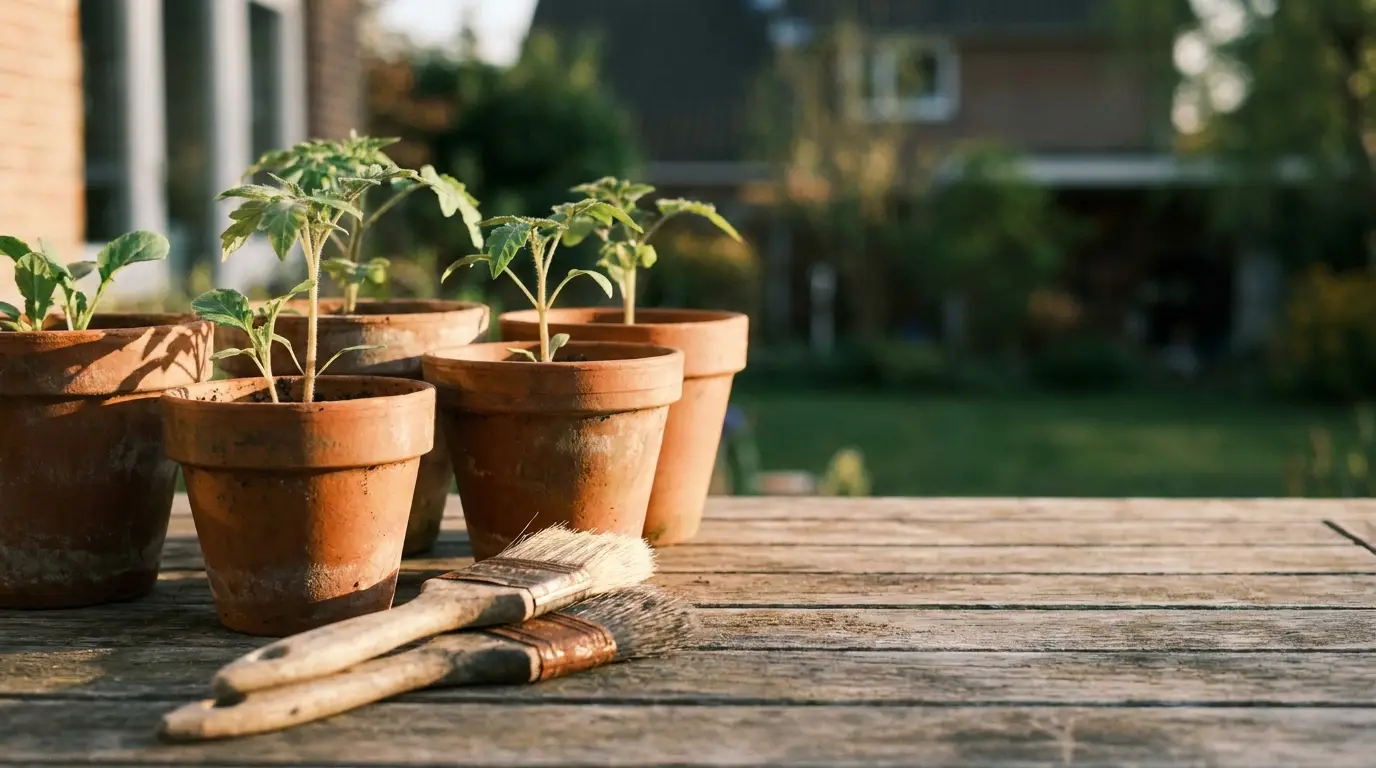
Not every memorable summer moment happens away from home. Some of the most rewarding experiences come from giving children opportunities to create something themselves.
Art projects, gardening, simple science experiments, and building activities can all help kids develop problem-solving skills while having fun. A small vegetable garden, for example, allows children to learn responsibility while watching something grow over time. Painting projects or homemade crafts provide a creative outlet that can keep children entertained for hours.
Parents do not need elaborate supplies or complicated instructions. Often, the simplest projects become the most enjoyable because children have room to use their imagination.
Prioritize Social Connections
Summer is an ideal time for children to strengthen friendships and develop social skills outside the classroom. Playdates, neighborhood gatherings, community events, and family barbecues all provide opportunities for meaningful interaction.
Social experiences help children learn cooperation, communication, and confidence. They also create memories that often last long after summer ends. While organized camps and activities can be valuable, informal gatherings are equally important because they allow children to engage more naturally with their peers.
Families can support these connections by making time for casual meetups and encouraging children to maintain friendships throughout the break.
Leave Room for Downtime
Parents sometimes feel pressure to keep children entertained every minute of the day. In reality, boredom can be surprisingly beneficial. Unstructured time encourages kids to think creatively, invent games, and explore interests they might not discover otherwise.
Downtime also gives children an opportunity to recharge. A summer filled with constant activities can become exhausting rather than enjoyable. Allowing space for quiet afternoons, reading, drawing, or simply relaxing helps create a healthier balance.
Children often develop independence when they are given opportunities to decide how they want to spend some of their free time.
The best summers are rarely the busiest ones. They are the seasons filled with simple adventures, outdoor exploration, creativity, friendships, and plenty of time to enjoy being a kid. With a thoughtful mix of activity and flexibility, families can create memories that last long after the warm weather fades.