Why Open Space and Access Matter in Residential Land Development

Residential communities are no longer judged solely by the homes they contain. Today’s homebuyers, developers, and municipalities increasingly evaluate neighborhoods based on how people interact with the environment around them. Open spaces, walkability, accessibility, and community connectivity have become essential components of successful residential land development.
As cities continue to grow and populations expand, thoughtful planning plays a critical role in creating neighborhoods that are not only functional but also enjoyable places to live. Developers who prioritize open space and access often create communities that experience stronger demand, higher property values, and greater long-term sustainability.
For this reason, experienced firms providing land development services in Dallas and other rapidly growing markets place significant emphasis on integrating parks, trails, green corridors, and transportation access into their development strategies from the earliest planning stages.
The Evolution of Residential Land Development
Residential development has evolved considerably over the past several decades.
Historically, many subdivisions focused primarily on maximizing the number of lots that could fit within a parcel of land. While this approach increased housing inventory, it often left little room for recreational spaces, pedestrian connectivity, or environmental preservation.
Modern land development follows a different philosophy.
Today’s communities are expected to provide:
- Green spaces
- Recreational opportunities
- Safe pedestrian pathways
- Efficient traffic circulation
- Environmental stewardship
- Convenient access to schools and services
Developers recognize that quality of life has become a major factor in homebuying decisions.
As a result, open space and accessibility are no longer optional amenities—they are fundamental elements of successful neighborhood design.
Why Open Space Matters
Open space refers to areas intentionally preserved for recreation, environmental protection, and community use.
Examples include:
- Parks
- Walking trails
- Greenbelts
- Playgrounds
- Community gathering areas
- Natural preservation zones
These spaces provide benefits that extend far beyond aesthetics.
Improved Quality of Life
Research consistently shows that access to green space contributes to physical and mental well-being.
Residents who live near parks and recreational areas often enjoy:
- Increased outdoor activity
- Reduced stress levels
- Better social interaction
- Enhanced overall health
Families especially value neighborhoods where children can safely play and explore outdoor environments.
Stronger Community Connections
Open spaces naturally encourage social interaction.
Parks, walking paths, and community gathering areas provide opportunities for neighbors to connect, helping create stronger and more engaged communities.
These shared spaces often become focal points for:
- Community events
- Outdoor activities
- Family gatherings
- Neighborhood celebrations
The result is a greater sense of belonging among residents.
Enhanced Property Values
Numerous studies have demonstrated a positive relationship between nearby green space and property values.
Homes located near attractive parks and open areas often command higher prices because buyers recognize the long-term lifestyle benefits these features provide.
Open Space Supports Environmental Sustainability
Thoughtful land development balances growth with environmental responsibility.
Preserving open space helps protect natural resources while reducing the environmental impact of development.
Benefits may include:
- Improved stormwater management
- Reduced flooding risks
- Wildlife habitat preservation
- Better air quality
- Natural erosion control
Green infrastructure often works alongside engineered systems to create more resilient communities.
The Importance of Accessibility in Residential Communities
While open space attracts residents, accessibility determines how effectively they can use and enjoy those amenities.
Accessibility refers to how easily people can move throughout a community and reach important destinations.
This includes access to:
- Schools
- Parks
- Retail centers
- Healthcare facilities
- Employment hubs
- Transportation networks
Poorly connected neighborhoods can create inconvenience and traffic congestion, while well-designed communities improve daily living experiences.
Walkability Enhances Livability
Walkability has become one of the most sought-after features in residential development.
Pedestrian-friendly neighborhoods encourage residents to:
- Exercise more frequently
- Reduce vehicle dependence
- Engage with neighbors
- Access amenities conveniently
Sidewalk networks, trails, and safe street crossings help create environments where residents feel comfortable moving around without relying entirely on automobiles.
Transportation Access Matters
Efficient transportation planning remains a critical aspect of residential development.
Roadways must accommodate current traffic demands while supporting future growth.
Effective planning considers:
- Traffic circulation
- Road connectivity
- Emergency access
- Public transportation opportunities
- Future infrastructure needs
This is one reason why professional land development services in Dallasoften include traffic studies, infrastructure assessments, and long-term transportation planning as part of the development process.
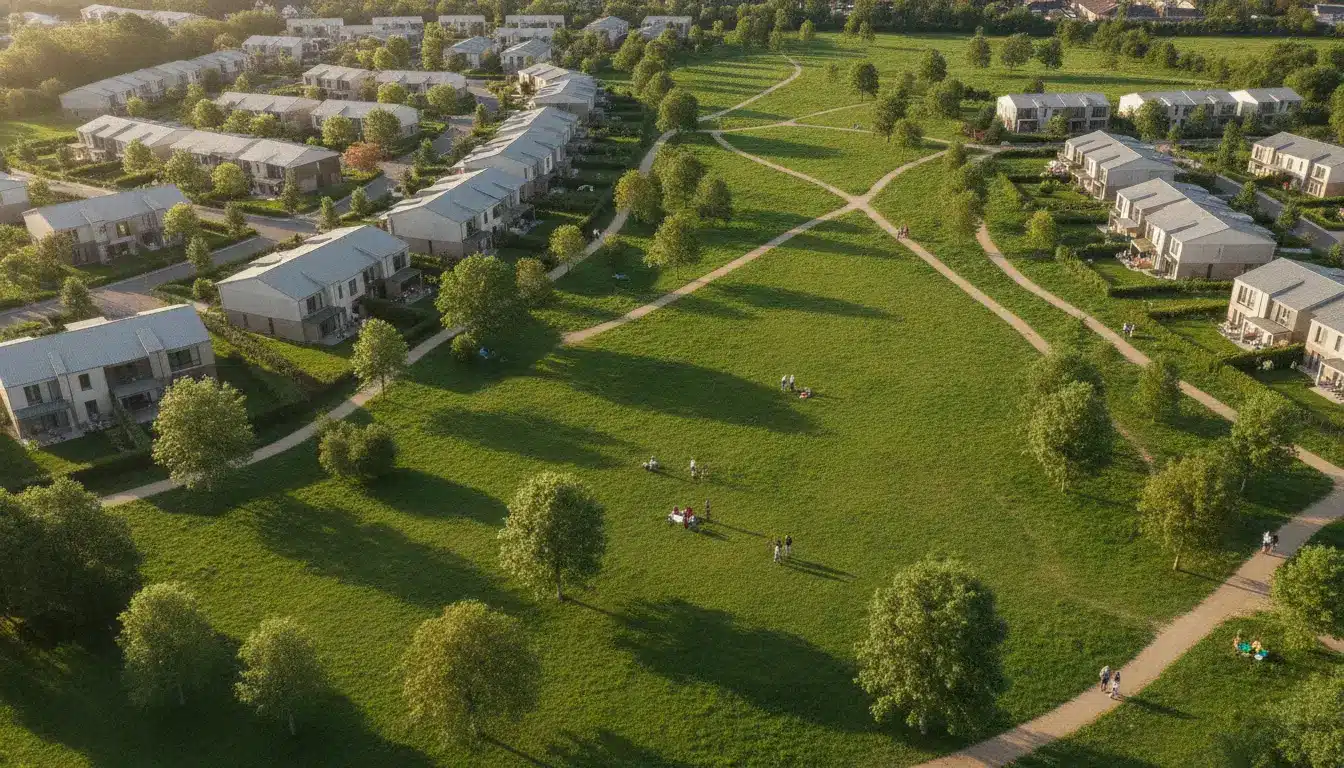
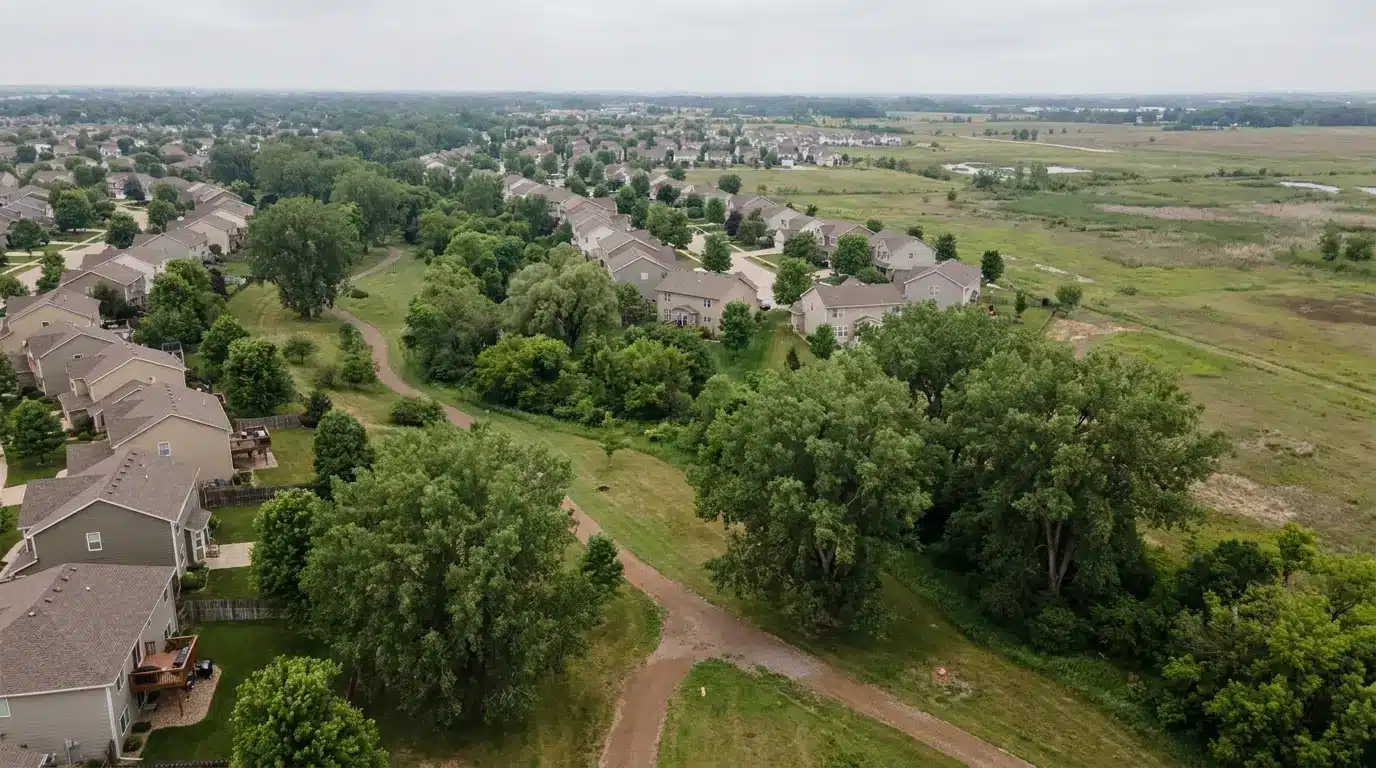
Visual Examples of Open Space in Residential Communities
Well-designed communities integrate recreational spaces into the overall neighborhood layout rather than treating them as afterthoughts.
These features improve both functionality and visual appeal.
Balancing Density and Open Space
One of the biggest challenges in residential development is balancing housing demand with the need for open space.
As urban areas grow, developers must maximize land efficiency while preserving areas that contribute to quality of life.
Successful projects often achieve this balance through:
- Clustered development patterns
- Shared recreational amenities
- Greenbelt preservation
- Mixed-use planning
- Strategic lot layouts
These approaches allow communities to accommodate growth without sacrificing livability.
The Role of Professional Land Development Engineering
Creating successful residential communities requires expertise across multiple disciplines.
Land development engineering involves:
- Feasibility studies
- Site planning
- Utility design
- Traffic analysis
- Stormwater management
- Permitting and regulatory compliance
- Subdivision platting
Professional engineering teams help ensure that every aspect of a development works together cohesively.
Open Space and Access Influence Long-Term Success
The most successful residential developments are designed with the future in mind.
Open spaces provide room for recreation, relaxation, and environmental preservation. Accessibility ensures residents can efficiently connect with essential destinations and community amenities.
Together, these elements create neighborhoods that attract buyers, support healthy lifestyles, and maintain value over time.
As population growth continues in major metropolitan regions, thoughtful planning will become increasingly important. Developers who prioritize open space, connectivity, and sustainable infrastructure are better positioned to meet evolving homeowner expectations.
Conclusion
Residential land development is about far more than dividing land into lots and building homes. It involves creating environments where people can thrive, connect, and enjoy a high quality of life.
Open space contributes to health, community engagement, environmental sustainability, and property value. Accessibility ensures residents can move safely and efficiently throughout their neighborhoods while maintaining strong connections to surrounding services and infrastructure.
For developers seeking long-term success, these factors should remain central to every project. Through strategic planning and expert land development services in Dallas, communities can be designed to balance growth, functionality, and livability—creating places where residents truly want to live for years to come.