

How to Choose Electric Fence Supplies That Last

Electric fencing stays useful when each component suits the stock, soil, and daily workload. Premature failure often starts with low conductivity, unstable posts, or joints that loosen when exposed to heat and rain. Price draws early attention, yet service life usually depends on material quality and system balance. A careful review of wire, netting, energizers, grounding, and hardware helps buyers avoid uneven output, frequent repairs, and repeated replacement costs.
Start With the System
Durability begins with the whole fence, rather than a single strong part. Buyers reviewing electric fence supplies should compare conductor quality, post stability, gate hardware, and energizer capacity as one working setup. A sturdy net still wears out early if the clips slip or the grounding stays weak. Good planning limits strain during moves, storms, and daily animal contact, where early faults usually appear first.
Match Material to Pressure
Different animals stress a fence in very different ways. Poultry tests lower strands, while goats lean, climb, and press with far more force. Deer can strike suddenly, which exposes brittle plastic and weak joints. Buyers should match height, spacing, and post intervals to that behavior. A garden barrier may stay light, yet cattle or mixed stock usually need thicker conductors and stronger support.
Check Conductors
Conductive strands carry the pulse, so their quality affects every other part. Stainless steel filaments usually hold charge better over time than cheaper mixed materials. Higher conductivity helps maintain output across long runs and reduces weak response at the far end. Buyers should also inspect how those filaments are woven into netting or rope. Loose construction frays sooner after rolling, dragging, and seasonal storage.
Posts Need Flex and Grip
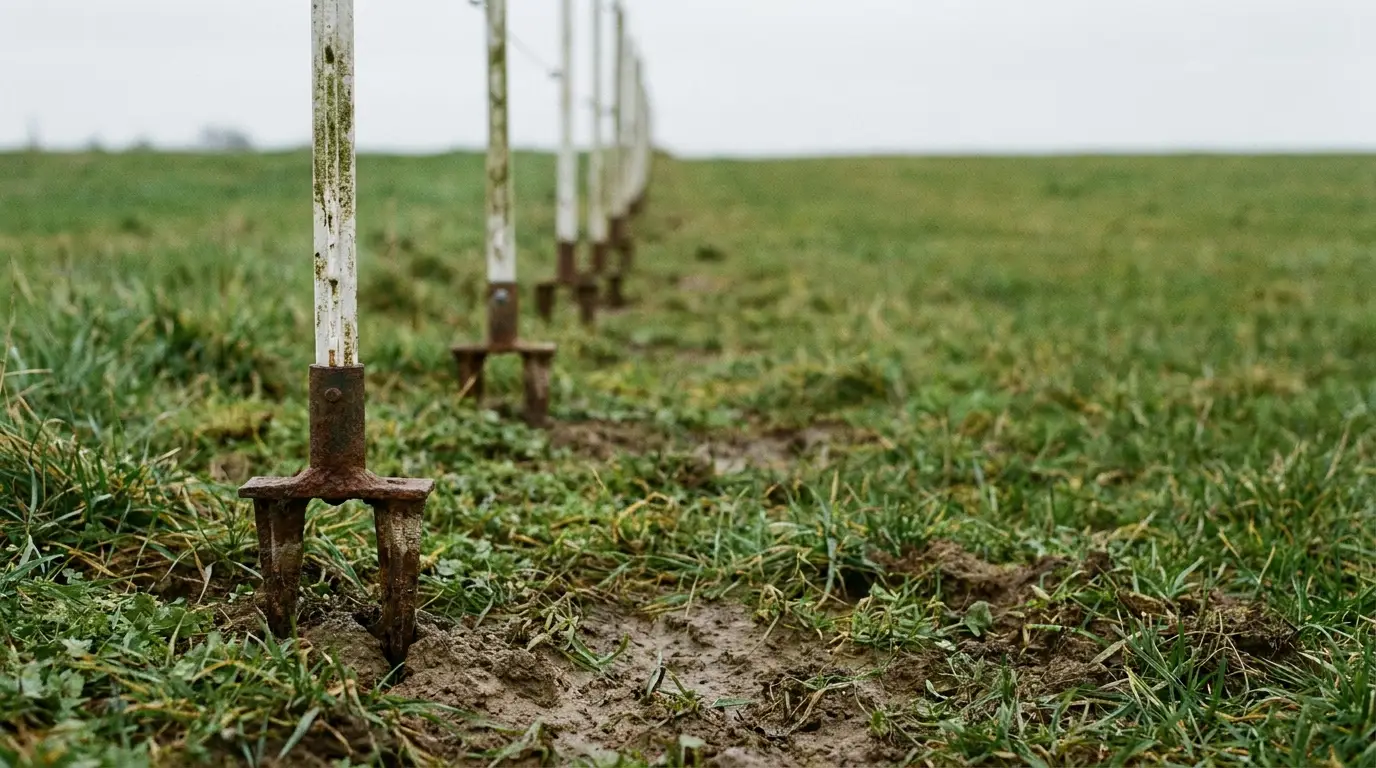
Posts are subject to wind pressure, ground shifting, and repeated animal contact. Fiberglass often outlasts brittle plastic because it bends under stress rather than snaps. Double-spiked bases can improve lateral hold, especially on uneven terrain or softer soil. Buyers should check stake length, foot placement, and top fittings before choosing a set. Straighter fence lines usually result from secure posts that require less post-installation correction.
Energizer Fit Matters
The energizer should match fence length, animal type, and site conditions. A unit with too little output creates inconsistent shocks and encourages repeated contact. Larger models can work well, provided grounding stays correct and accessories handle the load safely. Solar units suit remote areas with reliable sun exposure. AC models often support permanent layouts where steady power matters more than easy transport.
Weather Resistance Counts
Rain, frost, heat, and intense sunlight age fence parts faster than routine use does. Buyers should look for sealed housings, corrosion-resistant metal, and coatings that slow surface breakdown. Galvanized spikes and weather-ready clips often hold up longer at connection points. Netting color also matters because visible barriers reduce accidental pressure from livestock. Less impact usually means fewer bent posts, fewer snags, and slower material fatigue.
Gates and Connectors
Small accessories often decide whether a fence lasts one season or several. Lead cables, gate handles, clips, and joiners should fit securely without awkward bends or forced tension. Poor contact increases resistance and can leave the line with an uneven charge. Buyers should also consider field replacement speed. Simple hardware reduces labor and limits temporary fixes, which often become chronic weak spots during busy periods.
Ground Conditions Change Everything
Soil condition affects shock performance more than many buyers expect. Dry sand, frozen earth, and deep snow can interrupt the circuit and weaken animal response. In those settings, positive and negative netting may perform better because adjacent strands complete the path. That arrangement helps maintain function during dry periods. A fence can appear intact while delivering far less effect than the operator assumes.
Maintenance Shapes Lifespan
Even high-grade fencing needs routine inspection to reach a long working life. Weekly checks should cover broken filaments, leaning posts, vegetation contact, and loose connectors. Grass against lower strands can drain charge for days before anyone notices the drop. Storage matters as well after seasonal use. Rolled netting kept dry, elevated, and clear of sharp edges usually returns to service in much better condition.
Conclusion
The lowest price rarely delivers the best long-term value in electric fencing. Reliable service comes from balanced choices across conductors, posts, energizers, connectors, and grounding conditions. Buyers who assess animal pressure, terrain, and climate before ordering usually avoid the most common failure points. With thoughtful selection and regular upkeep, an electric fence can remain dependable, easier to manage, and more economical across many seasons of active use.