
How to Spot Early Signs of Roof Damage Before It’s Too Late

How to Spot Early Signs of Roof Damage Before It’s Too Late
Roof damage rarely starts with something dramatic. Most times, it begins with a lifted shingle, a faint ceiling mark, or gutters that stop draining right. Catching those signs early can save your home from bigger, messier repairs. Below, we’ll talk through the early signs homeowners should notice, where roof problems often show up first, and when a small concern needs a closer look.
Check Your Shingles for Visible Wear
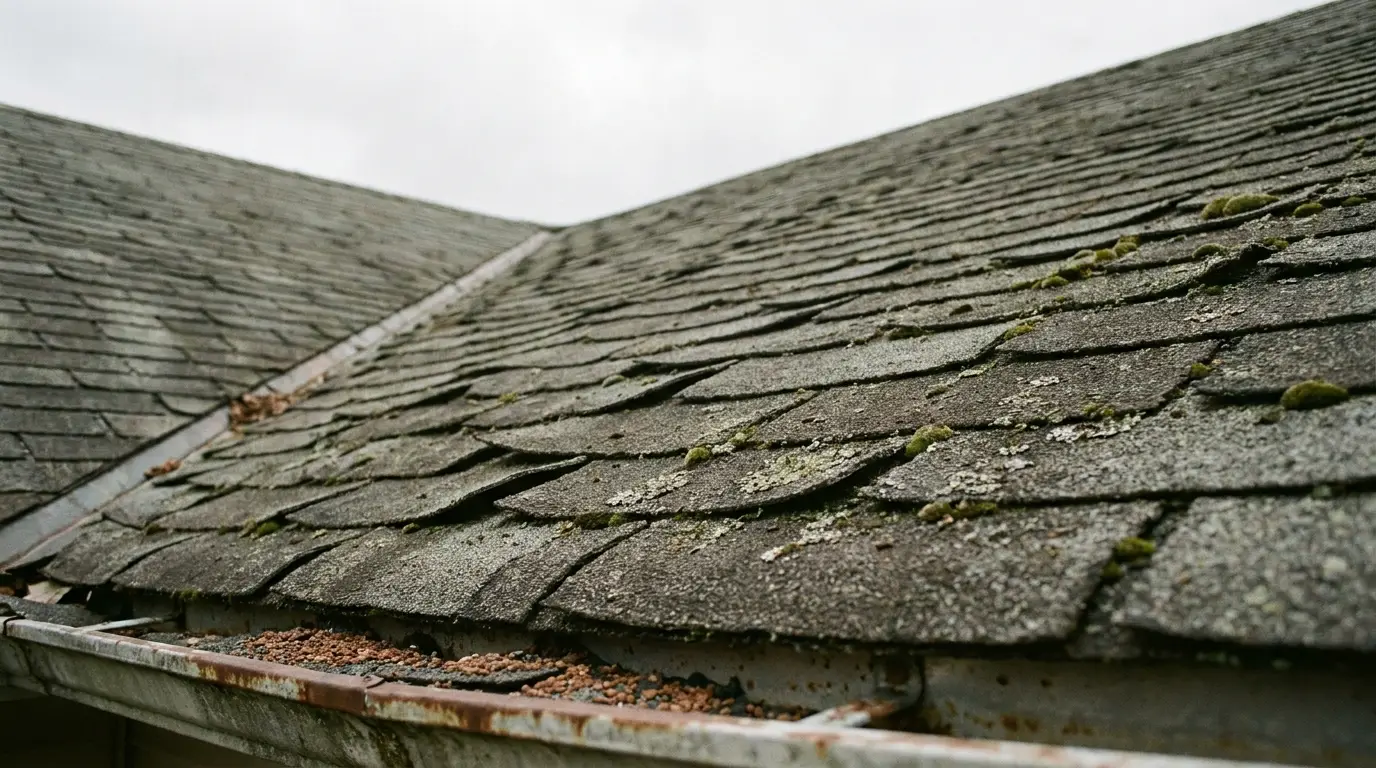
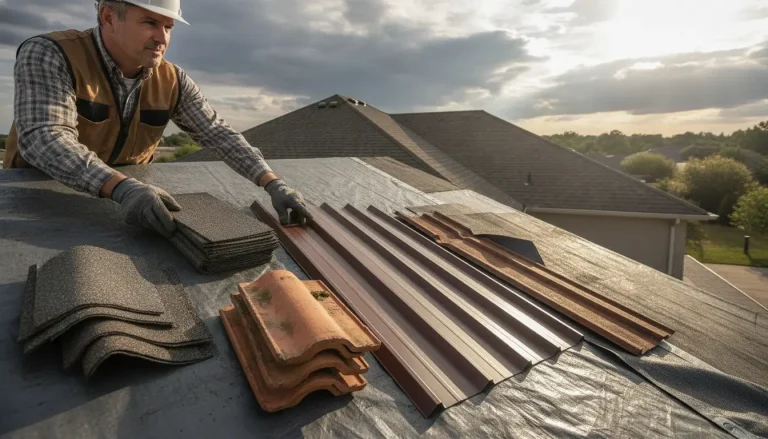
Start by checking the shingles you can spot from the yard, mostly after strong sun, rough wind, or steady rain. When edges curl up, corners lift, or rows look uneven, the roof covering may already be pulling away where water slowly sneaks inside.
If sandy pieces collect near gutters, downspouts, or splash areas, the shingles could be wearing down. Since small roofing issues often stay hidden for a while, losing granules should never be brushed aside.
Try not to ignore missing sections, even when the damage seems tiny from below. One open area can let moisture slip under the roof surface and reach nails or seams. In warm, humid places, problems like that tend to spread surprisingly fast during storms.
If parts of the roof start dipping, shingles keep coming loose, or certain patches look oddly different, it is probably time for an inspection. A skilled roofer, especially the best roofing company in South Florida, can usually tell if repairs will solve the issue.
Look for Water Stains Inside the Home
Roof leaks have a way of showing themselves indoors first, sometimes well before outside damage is noticed. Look around ceilings, upper walls, and light fixtures for yellow, brown, or gray marks. Even a small stain can point to water moving through layers above.
When paint starts peeling, drywall begins bubbling, or part of the ceiling feels soft, do not treat it as a simple cosmetic issue. Moisture slowly weakens materials from within. If the area feels spongy when touched gently, it is best to call for help.
Keep an eye on rooms below roof valleys, attic corners, bathrooms with vents, and areas around chimneys or skylights. Water does not always drip straight down. Quite often it follows beams first and shows up far from where it originally entered.
A musty odor after a rainstorm can be another sign something is wrong, even before stains appear. That smell may come from trapped moisture hidden in insulation or attic spaces. A roof inspection can identify the source and assist with a roof damage claim if needed.
Pay Attention to Gutters, Flashing, and Roof Edges
Gutters often provide early clues about what is happening on the roof above. When they start sagging, overflowing, or pulling away from the fascia, water may be sitting in places it should not. That added weight can slowly damage boards and fasteners.
Take time to examine the flashing because it protects some of the most important roof connections. Areas around vents, skylights, chimneys, and walls rely on it. Rust, gaps, bent metal, or cracked sealant can create openings that allow water to sneak through.
Roof edges also deserve attention since they are exposed to both wind and water. Look carefully for loose drip edges, stained soffits, peeling paint, or fascia that appears rotted. Small details like these often point toward drainage problems that started above.
When any part of the gutters, flashing, or roof edges looks worn, resist making a quick patch with caulk alone. Consistent seasonal home maintenance can reveal whether the issue stands alone or comes from deeper roof wear, drainage trouble, or failing materials.
Watch for Changes After Storms or Heavy Rain
After a major storm, it is worth checking the roof from a safe location outside. Look for loose vents, fallen branches, fresh debris, or roofing materials that seem shifted. Even when damage is not obvious, impacts can still weaken parts of the surface.
Take a slow walk around the yard and look for anything that seems out of place. Roofing nails, broken sealant, metal pieces, or shingle tabs may have fallen from above. Photograph what you find, especially if hurricane home insurance claims related to hurricane damage become necessary.
When checking the attic, bring a flashlight and move carefully through the space. Look for wet insulation, damp boards, or thin streaks of daylight. Fresh dark stains or signs of moisture can suggest the roof opened up during the storm.
Strong rainfall can make drainage problems easier to spot than usual. Watch where water pools, rushes over edges, or runs along outside walls. If the same location causes trouble after every storm, ask a roofing professional to take a closer look.
Know When to Call a Roofing Professional
Call a roofer when damage appears in more than one place, or when the same problem returns after a quick fix. Repeated leaks, soft decking, loose roof materials, and attic moisture usually mean the issue needs more than surface repair.
A good inspection should explain what is damaged, why it happened, and what options make sense. Ask for photos, clear notes, and a written estimate. That gives you something real to compare, instead of guessing from the ground.
Do not wait until water reaches flooring, wiring, or stored items. Roof problems get more expensive when moisture stays trapped. If the signs are growing, schedule service while repair is still possible, before replacement becomes the only practical choice.
Endnote
Spotting roof damage early comes down to paying attention before small signs grow. Shingles, stains, gutters, flashing, roof edges, and storm changes all tell part of the story. The sooner you notice them, the easier repairs usually become. Therefore, if something looks wrong, feels damp, or keeps coming back after rain, do not wait. A roof inspection can catch the problem while there is still time.