From Pipe Fabrication Contractor to Full-Scale Mechanical Contractor – Our Story

How a Small Welding Crew Grew Into a Trusted Industrial Partner Across Scandinavia and The Baltics
Every serious Mechanical Contractor has a starting point. Ours was small, loud, and smelled like fresh weld seams.
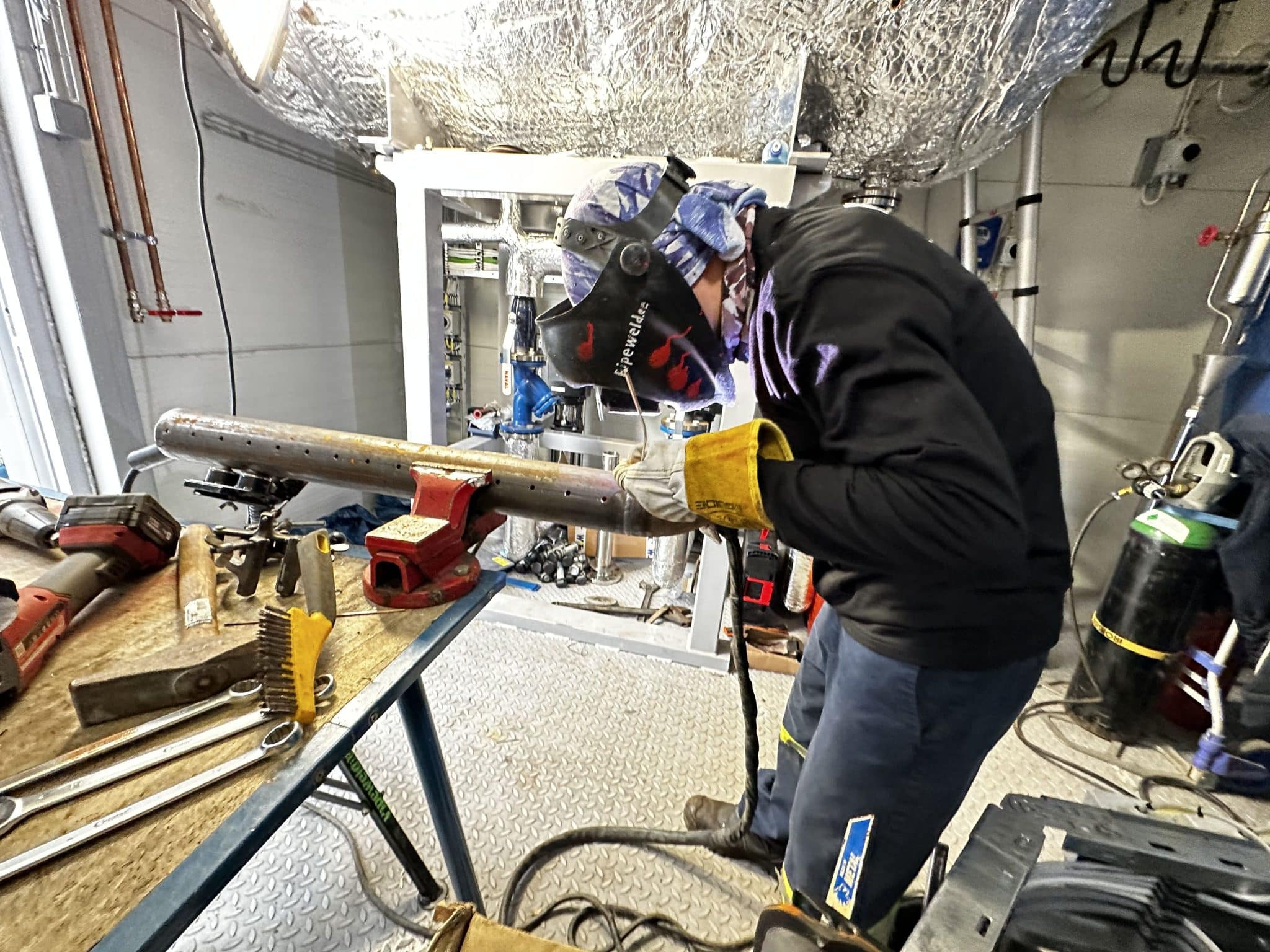
Fifteen years ago, we were not a brand. We were not a company with a workshop, a welding engineer, or a library of WPS documents. We were simply a crew of welders and pipefitters moving from one industrial project to the next. Good people. Solid skills. But no stability.
Today, we are a certified pipe fabrication contractor with our own prefabrication facility in Estonia, an ISO 3834‑2 certificate, and a long list of completed projects across Sweden, Norway, and the Baltics.
This article is not a marketing brochure. It is an honest story about how we grew — what pushed us forward, what nearly broke us, and what we learned about becoming a real Mechanical Contractor.
Part One: The Crew Era – Good Work, No Future
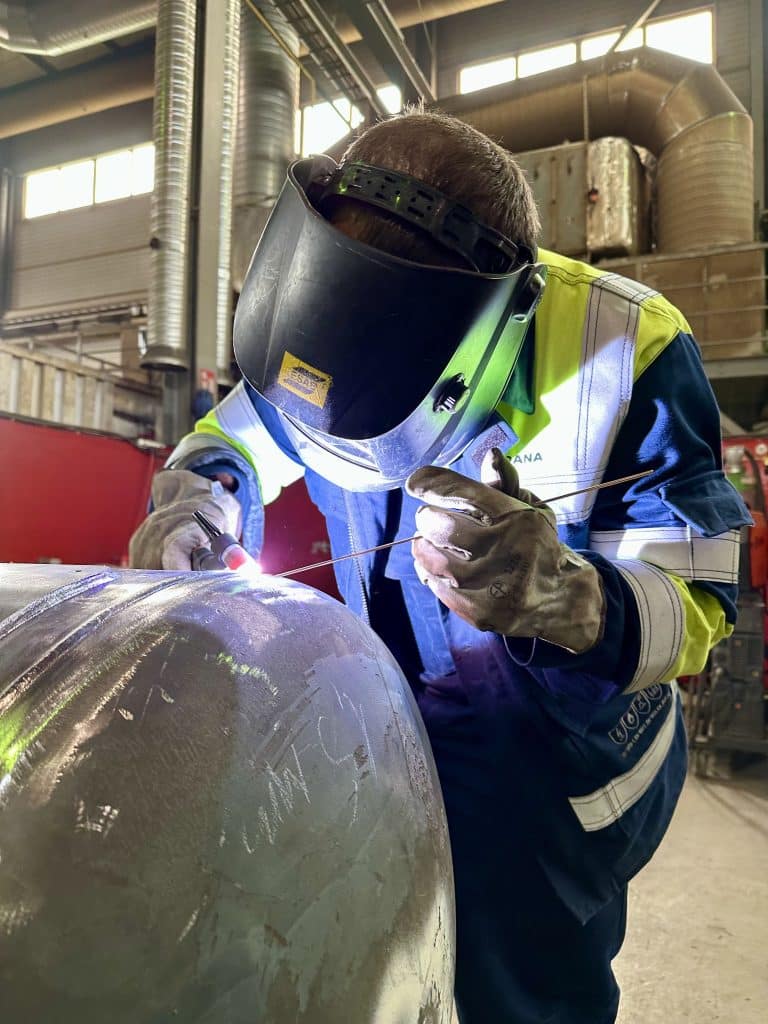
In the beginning, we were just a welding team.
We would get a call: a steam line needed replacement in a factory near Stockholm. Or a chemical process pipe required repair in Tallinn. We showed up, did the job well, and left.
The work was good. The clients were satisfied. But there was a quiet problem hiding behind every successful project.
No next project.
We would finish a job, celebrate, and then… wait. Sometimes for weeks. Sometimes longer. The phone would go silent. The crew would sit at home, unsure when the next paycheck would come. Talented welders started looking for permanent jobs elsewhere. And I could not blame them.
That was my first real lesson:
A good Mechanical Contractor is not defined by one successful project. A good Mechanical Contractor is defined by the ability to keep working, keep growing, and keep the team together.
But back then, we did not know how to solve that problem.
Part Two: The First Hard Turn – Investing in Visibility
The silence after a finished project was painful. So I started reading. Books about business. Books about marketing. Books about branding. I had never written a sales page before. I had never thought about “lead generation” or “customer journey.”
But I learned.
We started small: a simple website, a few ads, some basic outreach. It was clumsy at first. But slowly, the phone started ringing more often. Not just random calls — real inquiries. Industrial facilities needed pipe fabrication. Engineering companies needed subcontractors for their Scandinavian projects.
That was the moment we stopped being just a “crew” and started becoming a pipe fabrication contractor.
We realised:
- Clients were not just looking for welders.
- They were looking for someone who could deliver prefabricated pipe spools, ready for installation.
- Someone who could take a process drawing and turn it into a physical, weld-ready component in a workshop — not in a muddy trench.
We had our own workshop in Estonia. We had skilled fitters and welders. So we leaned into it.
We became a pipe fabrication contractor before we fully understood what that title meant. But we grew into it.
Part Three: Too Many Requests – The Automation Wake-Up Call
Then a new problem arrived.
The phone would not stop ringing.
Sounds like a good problem, right? It was — and it was not.
We had inquiries from Sweden, Norway, Estonia, and beyond. Each request needed a response. Each request needed a quote. Each quote needed a site visit, a materials take-off, a labour estimate, a timeline.
We were drowning in manual work.
I remember sitting late at night, answering emails one by one, building Excel estimates line by line. It was unsustainable. The more we grew, the slower we became. And slow does not work in industrial construction.
So again — I studied.
I learned about CRM systems. I learned about estimating software. I learned how to automate the boring parts so our engineers could focus on the interesting parts: welding, fitting, solving real client puzzles.
We built a system. Not a perfect one. But a functional one.
Today, when a client asks for a quote on a steam pipe installation or a low‑temperature refrigeration line, we respond fast. Professionally. With real numbers, not guesses.
That is the difference between a hobby and a serious Mechanical Contractor.
Part Four: People – The Hardest and Most Important Step
You cannot grow without people.
But finding the right people is brutally difficult.
We need certified welders who understand WPS and WPQR. We need project managers who speak Swedish, English, and Estonian — and who understand industrial safety. We need estimators who know the difference between a steam line and a chemical drain line.
Hiring is expensive. Training is slow. Mistakes are painful.
We learned to invest in people properly:
- Clear expectations
- Fair pay
- Real responsibility
- And a culture of openness (yes, even the morning coffee conversations that solve complex problems)
We also learned to let people go when it was not working. That is part of being a professional Mechanical Contractor, too.
Part Five: Working with Giants – Large Partners, Their Own Problems, and Our Role
As we grew, we started working with larger partners.
International engineering companies. Big manufacturers installing equipment across Europe and Scandinavia.
These partners are professional — but they also have their own chaos. Last‑minute changes. Tight budgets. Complex compliance requirements. Unclear timelines.
We learned to navigate their world without losing our own identity.
We do not complain about their problems. We solve them.
We do not hide behind “that is not our responsibility.” We take ownership — when it makes sense for the project and for safety.
This ability to work with large, demanding partners turned us from a local pipe fabrication shop into a real Mechanical Contractor serving the entire Nordic region.
What Makes a Mechanical Contractor Today?
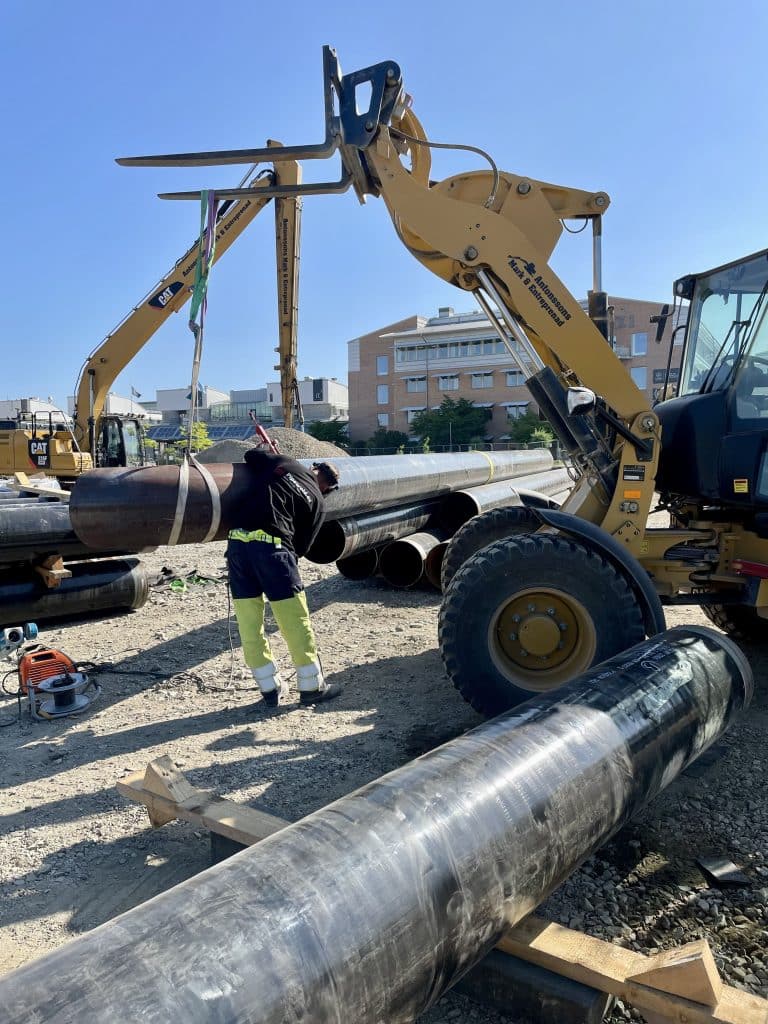
A Mechanical Contractor is not just a title. It is a promise.
It means:
- You can design, install, and maintain industrial mechanical systems — from steam to chemical to low‑temperature refrigeration.
- You understand HVAC for industrial, commercial, and civil buildings.
- You hold certifications (ISO 3834‑2), follow regulations, and prioritise safety.
- You have a workshop, a welding engineer, a library of WPS.
- And most importantly — you keep your promises, even when the project gets hard.
We did not wake up one day as a Mechanical Contractor.
We became one — project by project, mistake by mistake, and lesson by lesson.
Final Word
If you are looking for a pipe fabrication contractor or a full Mechanical Contractor for your industrial project in Sweden, Norway, or the Baltics — let us talk.
We are not the biggest.
But we are honest, experienced, and ready to help.
Bring your drawings. Bring your challenges.
We will bring our welders, our workshop, and our morning coffee.
Stinsenman – From pipe fabrication to full mechanical contracting. From start to finish.