Sofa vs Couch: What’s the Real Difference?

Many people assume sofa and couch mean exactly the same thing. Small differences in style, comfort, and usage still shape how both terms are used today.
The sofa vs couch debate usually comes down to formality and function.
Some seating feels structured and polished, while other designs focus more on comfort and lounging.
Furniture stores, designers, and homeowners often use these words differently.
Here you’ll find the key differences, origins, styles, and modern usage explained in simple terms. The distinction between sofas and couches matters less than it once did.
Modern furniture now blends comfort, structure, and style into designs that fit both descriptions easily.
What Is the Difference Between a Sofa and a Couch?
The word sofa comes from the Arabic term “suffah,” linked to formal, structured seating, while couch derives from the French word “couche,” meaning to lie down, reflecting comfort and rest.
These origins still shape how both terms feel today.
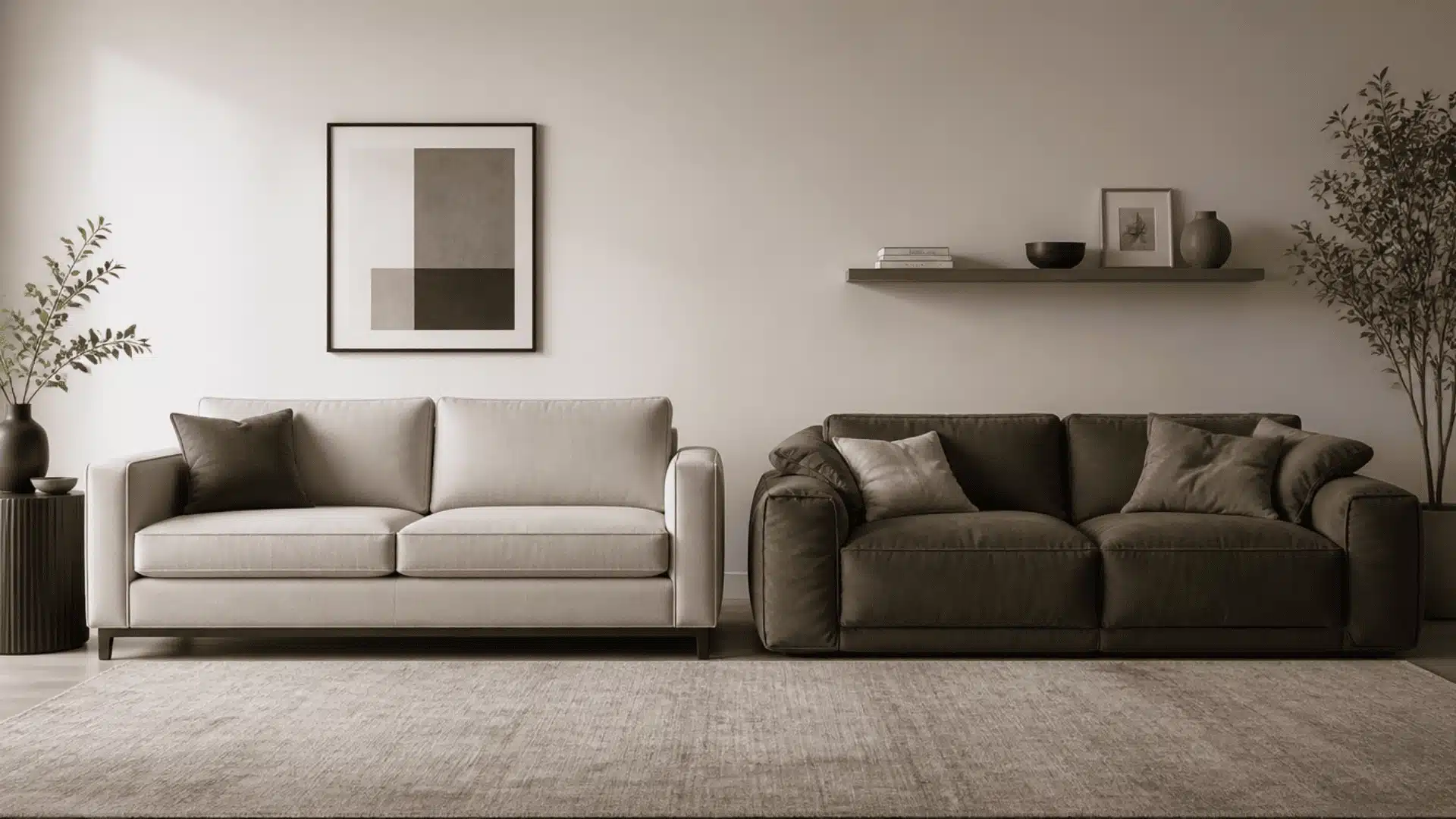
A sofa suggests a polished, upright seating experience suited for guest-friendly spaces, while a couch leans toward casual, everyday lounging.
Though modern furniture often blends both qualities, the difference in tone and perception between the two words remains noticeable in conversation and design.
Functional Differences Between a Sofa and a Couch
Sofas and couches differ in structure, comfort, and placement, even when the terms overlap. Understanding these practical differences makes it easier to pick the right seating for any space.
Both serve different everyday needs, but modern designs increasingly combine the best of both.
1. Design and Structure
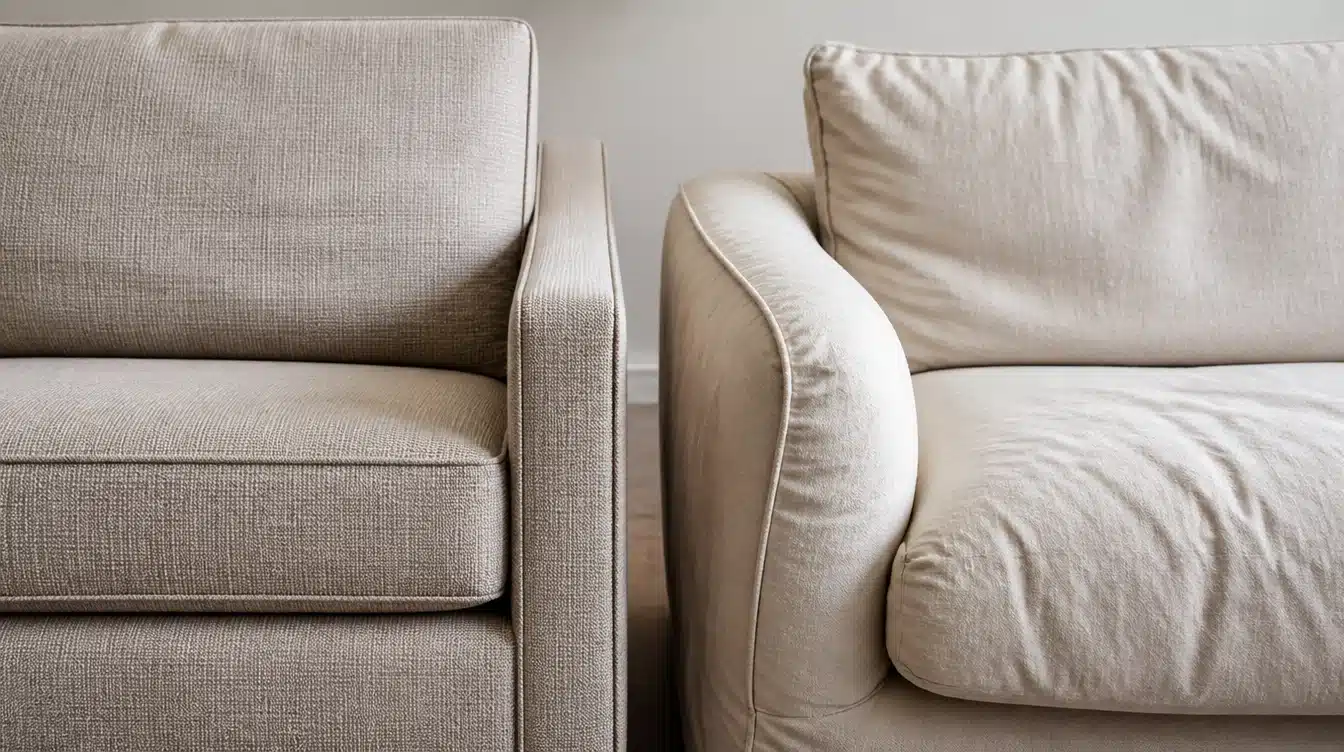
Sofa has a more structured and polished look that suits formal and organized spaces well.
- Defined arms and shaped back
- Firmer cushions
- Cleaner, tailored lines
Couch leans toward a softer and more relaxed design built primarily around comfort.
- Deep, plush seating
- Oversized, rounded arms
- Softer cushion padding
2. Comfort and Intended Use
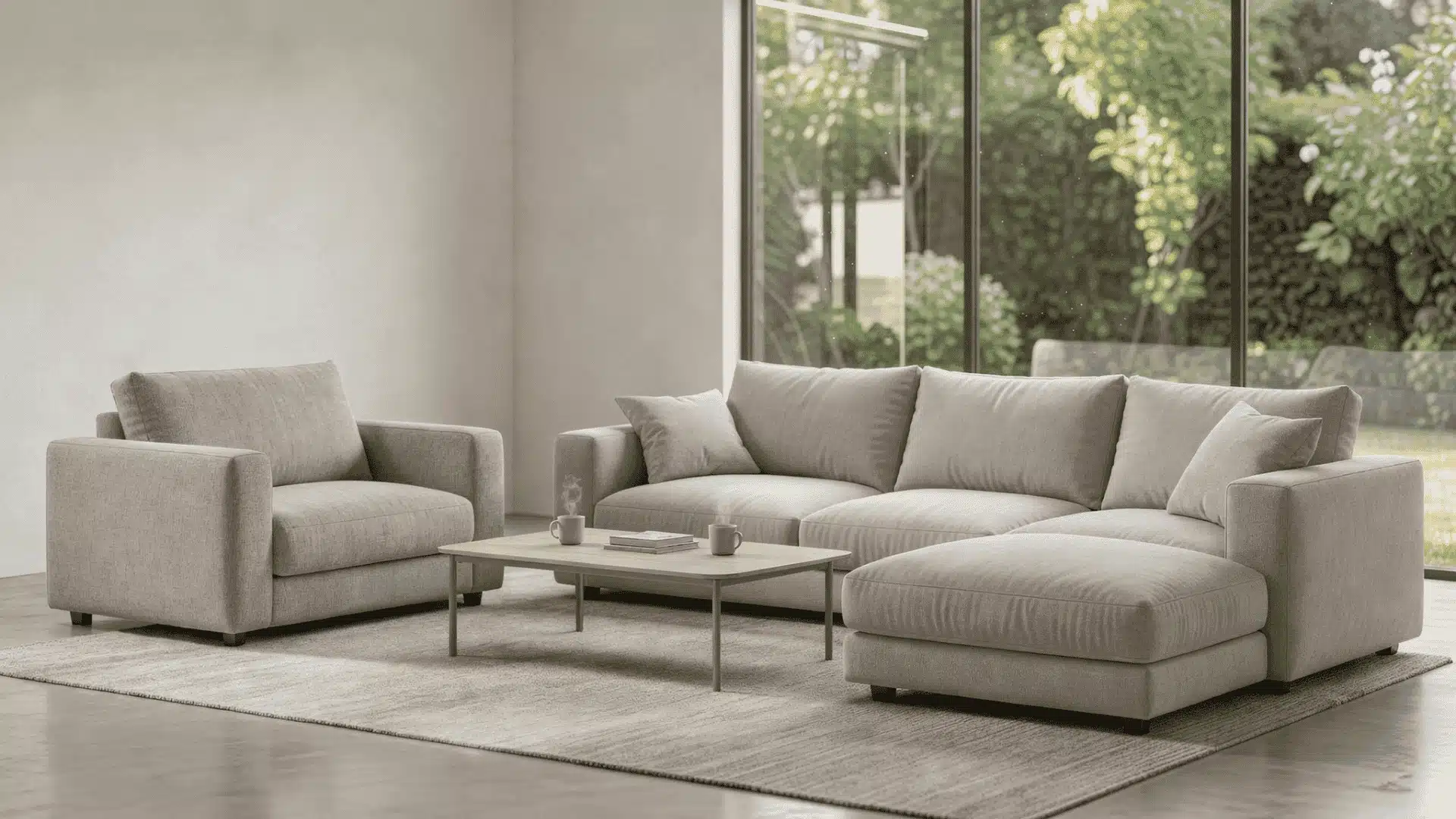
Sofa is designed to support upright sitting, making social and guest-focused settings more comfortable.
- Formal gatherings and conversations
- Guest visits and meetings
- Structured everyday sitting
Couch focuses on relaxed, everyday comfort where lounging and unwinding take priority.
- Watching television
- Stretching out and resting
- Long hours of casual use
In simple terms, sofas support social seating while couches prioritize comfort-focused daily use. Still, modern furniture often blends both styles together.
3. Placement in the Home

Sofa suits spaces where a cleaner, more decorative appearance is the priority.
- Formal living rooms
- Sitting and guest areas
- Organized, decorative interiors
Couch works best in everyday spaces designed around comfort and casual activities.
- Family rooms and dens
- Basements and entertainment areas
- Relaxed, activity-focused spaces
These rooms are usually designed around comfort, relaxation, and everyday activities.
Are Sofa and Couch Interchangeable Today?
For most practical purposes, yes. Both words describe the same upholstered seating found in modern homes, and most people use them without thinking twice.
The real difference today is in tone rather than design. Sofa tends to sound more polished, which is why furniture retailers and interior designers prefer it in catalogs and showrooms.
Couch feels more natural in everyday conversation, especially when talking about relaxing at home.
Regional habits also influence which word people reach for, but neither choice is wrong in modern usage.
Today, the difference between a sofa and a couch matters more in tone and perception than actual furniture design. Most people simply use the word that feels most natural to them.
Sofa vs Couch vs Loveseat vs Settee
Not all seating furniture is built the same. Each type serves a different purpose, fits a different space, and suits a different lifestyle.
Here is a quick breakdown of how each one differs:
| Type | Best For | Size | Feel |
|---|---|---|---|
| Sofa | Formal living rooms, guest spaces | Large | Structured, polished |
| Couch | Family rooms, everyday use | Large | Casual, comfort-focused |
| Loveseat | Small apartments, bedrooms | Compact | Cozy, intimate |
| Settee | Entryways, accent corners | Narrow | Decorative, upright |
| Sectional | Open layouts, large families | Extra large | Spacious, relaxed |
| Davenport | Multipurpose spaces | Large | Sleeper-friendly, vintage |
Choosing the right seating comes down to your room size, daily habits, and the overall look you want to achieve.
Wrapping Up
The sofa vs couch debate is more about language and lifestyle than actual furniture design.
Sofas carry a formal, structured image rooted in Arabic tradition, while couches bring a relaxed, comfort-first energy borrowed from French origins.
Both have earned their place in modern homes, just in different rooms and different conversations.
Retailers lean toward sofa for its polished ring, while everyday talk naturally reaches for couch.
Today, most furniture blurs the line between the two anyway, combining style with comfort in a single piece.
At the end of the day, the best seating is simply the one that fits your space and feels right to you.
Which do you prefer; a sofa or a couch? Drop your experience or favorite pick in the comments below!
Frequently Asked Questions
Is a Sofa More Formal than a Couch?
Traditionally, a sofa is considered more formal because it usually has structured arms, firmer cushions, and a cleaner appearance. It is often linked with guest spaces and formal living rooms.
Why Do Furniture Stores Use the Word Sofa?
Most furniture stores prefer the word sofa because it sounds more professional and polished. The term is commonly used in catalogs, product listings, and discussions of interior design.
Which Term Is More Common in the U.S.?
Both terms are widely used in the United States, but couch is more common in casual conversation. Sofa appears more often in retail stores and design-related settings.