How to Organize a Small Closet Simply and Smartly

You open the closet door, something falls out, and you just close it back?
A small closet doesn’t have to mean a stressful one. The real problem isn’t the size. It’s the lack of a system. Most people stuff things in and hope for the best, and that never works.
Knowing how to organize a small closet can completely change your daily routine.
You spend less time searching and less time stressing. Everything has a place, and you actually know where that place is.
This guide walks you through exactly what to do, from clearing it out to keeping it that way. Simple steps, no complicated tools, just a closet that finally works.
What Makes Small Closets Hard to Organize
Knowing how to organize a small closet starts with understanding why it feels so chaotic in the first place. Most small closets share the same core problems, and once you spot them, fixing them becomes a lot easier.
Limited Space and Poor Layout: Small closets often have just one rod and a single shelf. That default setup wastes a lot of usable space. Without a smart layout, even a tidy closet quickly feels cramped.
Too Many Items for the Area: It’s easy to keep adding things without removing old ones. Over time, the closet holds far more than it was designed for. More items in less space always lead to clutter.
Lack of Built-In Storage: Most small closets come with minimal built-ins. There are no drawers, dividers, or extra rods. Everything ends up piled together, making it hard to find anything quickly.
Step-by-Step Process to Organize a Small Closet

A little structure goes a long way. Follow these steps to turn a cluttered space into one that actually works for you.
Step 1: Empty the Closet Completely
Before organizing, take everything out. This gives you a clear view of the actual space you’re working with.
- Remove every item: clothes, boxes, accessories, everything
- Clean the shelves and floor while it’s empty
- Lay everything out so you can see what you own
- A fresh start makes the next steps much easier
Step 2: Declutter and Sort Items
This is the most important step. Be honest about what you actually use.
- Keep: items you use regularly and are in good condition
- Donate: things that still have value but no longer serve you
- Discard: worn-out, broken, or expired items
- The less you put back, the easier everything else becomes
Step 3: Categorize Everything
Grouping similar items together makes organizing and finding things much faster.
- Sort clothes by type: tops, bottoms, outerwear
- Group by season: current-season items upfront, off-season in the back
- Keep frequently used items at eye level
- Accessories, shoes, and bags should each have their own zone
Step 4: Measure Your Closet Space
Don’t skip this step before buying any storage products.
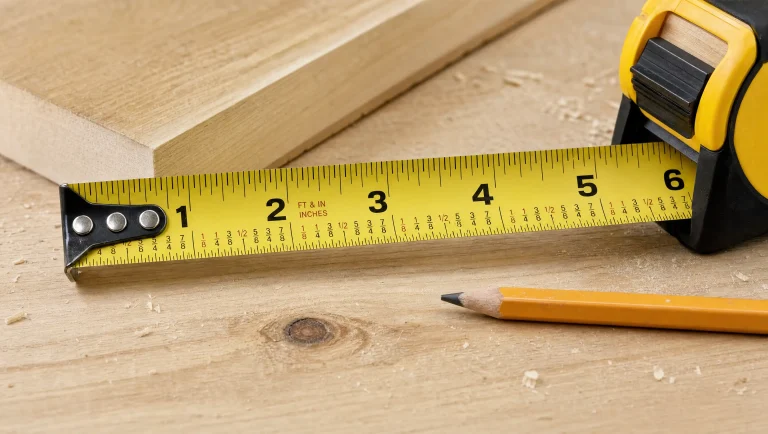
- Measure the height, width, and depth of your closet
- Note the rod height and shelf spacing
- Check if the floor space can hold baskets or a small rack
- Accurate measurements help you choose storage that actually fits
How to Store Different Items in a Small Closet
Every item type needs a different approach. Here’s how to handle each one without wasting space.
Clothes
Not everything needs a hanger. Being selective saves a lot of rod space.
- Hang structured items: blazers, dresses, button-downs
- Fold and stack casual wear: t-shirts, jeans, loungewear
- Use slim, non-slip hangers to save rod space
- Double-hang rods work well for shirts and folded pants
Shoes
Compact storage keeps shoes accessible without eating up floor space.
- Use a vertical shoe rack or over-the-door organizer
- Stack clear boxes for shoes you don’t wear daily
- Keep frequently worn pairs on the floor, easy to grab
- Avoid piling shoes as it damages them and creates clutter
Accessories
Small items get lost fast. Keep them grouped and visible.
- Use hooks for bags, belts, and scarves
- Store jewelry in a small tray or hanging organizer
- Drawer dividers or small bins keep accessories from mixing
- Mount hooks on the inside of the closet door to save shelf space
Seasonal Items
Off-season items shouldn’t take up prime closet space.
- Store winter clothes in vacuum bags during summer and vice versa
- Use high shelves or under-bed storage for off-season items
- Label every storage bin clearly
- Rotate items at the start of each season
Common Mistakes to Avoid While Organizing aSmall Closet
Even a well-planned closet can fall apart over time. A few simple habits can make the difference between a closet that stays organized and one that turns chaotic again within weeks.
| Mistake | The Fix |
|---|---|
| Overfilling the closet | Declutter regularly. If something new comes in, something old should go out. |
| Ignoring vertical space | Add extra shelves or stackable bins above the rod to use the full wall height. |
| Using bulky hangers | Switch to slim velvet hangers. They save significant rod space immediately. |
| Not maintaining organization | Spend five minutes weekly putting things back in their place. Small habits prevent big messes. |
Conclusion
A small closet isn’t a lost cause. It just needs the right approach. Once you sort what you own and put things back with a plan, the difference is immediate.
You don’t need to spend a lot of money or do it all in one day. Start with one step, even if that’s just emptying the closet, and build from there.
Small spaces can be incredibly functional when used well. A little effort upfront saves you a lot of frustration every single day.
Ready to get started? Pick a free afternoon, follow the steps, and take back your closet. You’ve got this.