
How to Find Better Value on Essential Car Expenses

Owning a car gives you freedom and convenience, but the costs can quickly add up. Between fuel, maintenance, insurance, and unexpected repairs, many drivers end up spending far more than they need to. The good news is that finding better value on essential car expenses does not always mean cutting corners. Small changes in how you manage your vehicle can make a noticeable difference over time.
With a little planning and smarter decision-making, you can reduce costs while still keeping your car safe, reliable, and ready for everyday use.
Compare Insurance Policies Regularly
One of the biggest mistakes drivers make is automatically renewing the same insurance policy every year. Insurance rates can change frequently, and staying loyal to one provider does not always guarantee the best deal.
Taking time to compare policies annually can help you find more competitive pricing and better coverage options. Many drivers discover savings simply by adjusting their excess, updating mileage estimates, or removing unnecessary extras from their policy.
It is also worth looking into discounts for safe driving, multi-car households, or bundled services. Searching for cheap car insurance options can be a smart way to lower your monthly expenses without sacrificing essential protection.
Stay Ahead of Maintenance
Skipping routine maintenance may seem like an easy way to save money, but it often leads to larger repair bills later. Simple jobs like oil changes, tire pressure checks, and replacing worn filters can help prevent more serious mechanical issues.
Keeping your vehicle in good condition can also improve fuel efficiency and extend the lifespan of important components. Preventative maintenance usually costs far less than emergency repairs, making it one of the best ways to control long-term car expenses.
Creating a yearly maintenance budget can help spread costs more evenly, rather than dealing with unexpected financial surprises.
Drive More Efficiently
Fuel remains one of the most expensive parts of running a car. However, driving habits have a major impact on how much you spend at the pump.
Aggressive acceleration, harsh braking, and speeding all increase fuel consumption. Smoother driving not only improves efficiency but can also reduce wear on your brakes and tires.
Other simple ways to improve fuel economy include:
- Removing unnecessary weight from your vehicle
- Keeping tires properly inflated
- Avoiding excessive idling
- Planning routes to reduce traffic delays
- Combining errands into one trip
These small adjustments may not seem significant individually, but together they can save a surprising amount over the course of a year.
Think Beyond the Purchase Price
Many drivers focus heavily on the upfront cost of buying a car, but the ongoing running costs are equally important. A cheaper vehicle with poor fuel economy or expensive parts may cost more overall in the long run.
Before buying a car, consider factors such as:
- Insurance group ratings
- Average servicing costs
- Fuel efficiency
- Road tax rates
- Reliability reviews
- Availability of replacement parts
Choosing a vehicle with lower ownership costs can help you save consistently over time, even if the initial purchase price is slightly higher.
Shop Around for Repairs and Services
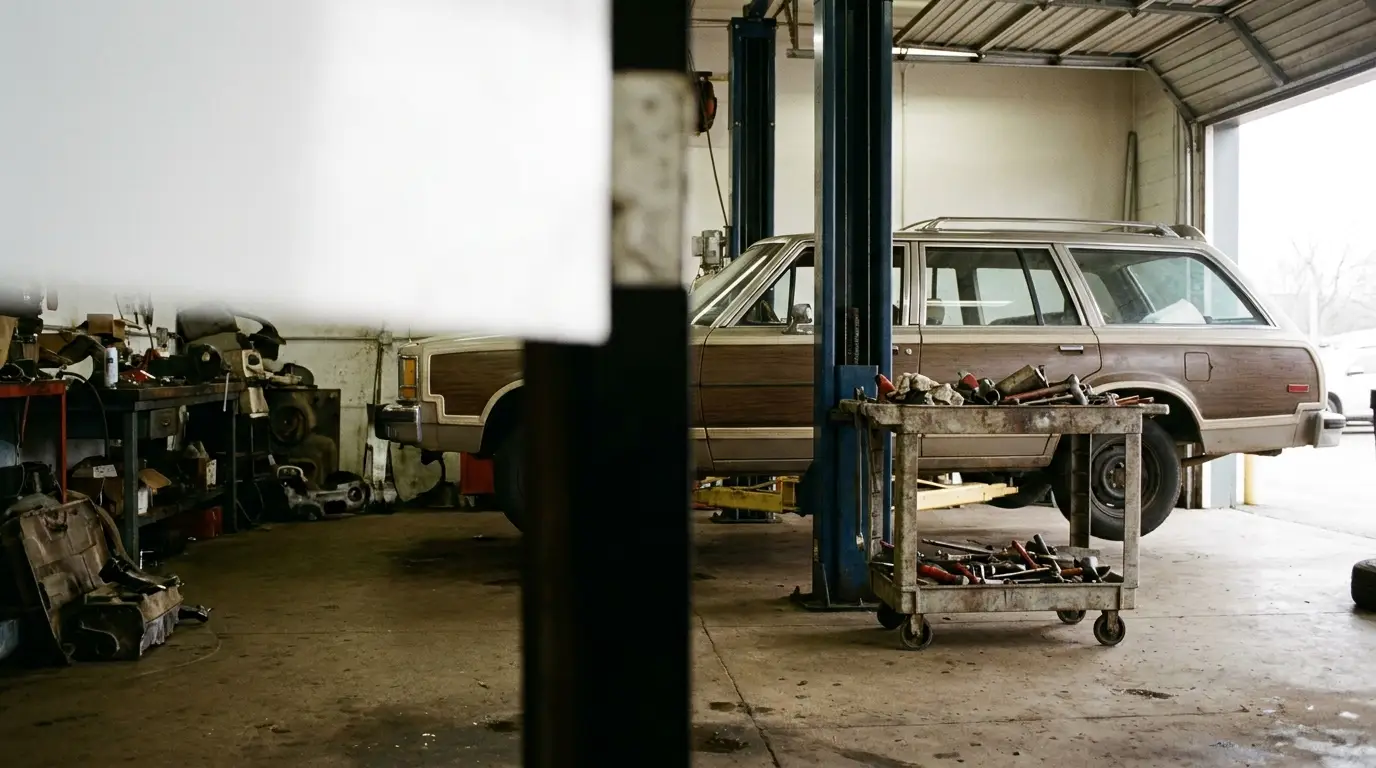
Not all garages charge the same prices for repairs or servicing. Getting multiple quotes before agreeing to work can help you avoid overpaying.
Independent garages often provide excellent service at lower prices than dealerships, especially for older vehicles. It is still important to choose reputable mechanics with positive reviews and transparent pricing.
For smaller maintenance jobs, learning a few basic DIY skills can also help reduce expenses. Tasks like replacing wiper blades, changing bulbs, or topping up fluids are often simple enough to handle yourself.
Build an Emergency Car Fund
Unexpected car costs can happen at any time. A flat tire, dead battery, or sudden repair bill can quickly disrupt your budget if you are unprepared.
Setting aside a small amount each month into a dedicated car fund can make these situations far less stressful. Even modest savings can help cover emergency expenses without relying on credit cards or loans.
Having a financial buffer also allows you to make better decisions rather than rushing into expensive repairs because you have no other option.
Smart Habits That Cut Costs
Finding better value on essential car expenses is really about being proactive. Comparing prices, maintaining your vehicle properly, and making smarter driving choices can all help reduce the overall cost of ownership.
Over time, these habits can lead to significant savings while helping you avoid unnecessary stress and unexpected financial setbacks.