How to Balance Home Energy Efficiency and Natural Cooling

When it is hot, it may also lead to increased consumption of energy in maintaining a house especially during periods when air conditioning systems are overworked. Most homeowners resort to mechanical solutions widely without the idea that natural cooling methods can save energy consumption and money. Striking the right balance between the two methods will enable you to have a comfortable interior environment and at the same time be conscious of efficiency. This is not only a pragmatic balance, but it contributes to a sustainable manner of living which proves beneficial to your home and the environment.
Understanding Energy Use
The first step to energy efficiency is to know how and where your house gains and loses heat. Incidents of sunlight through windows, insulation deficiency and heating produced by appliances all contribute to increasing the indoor temperatures. They are uncontrollable factors and so, cooling systems must go the extra mile in order to compensate, which raises the energy bills and wastage of equipment.
Knowing these sources of heat, homeowners are able to make knowledgeable choices to decrease the use of mechanical cooling. Even such easy steps as sealing the holes, improving the insulation, and decreasing the amount of heat stored in the house may result in immense improvements in overall efficiency. These adjustments offer a ground where less energy consumed and natural cooling can be justifiable.
Role of Natural Airflow
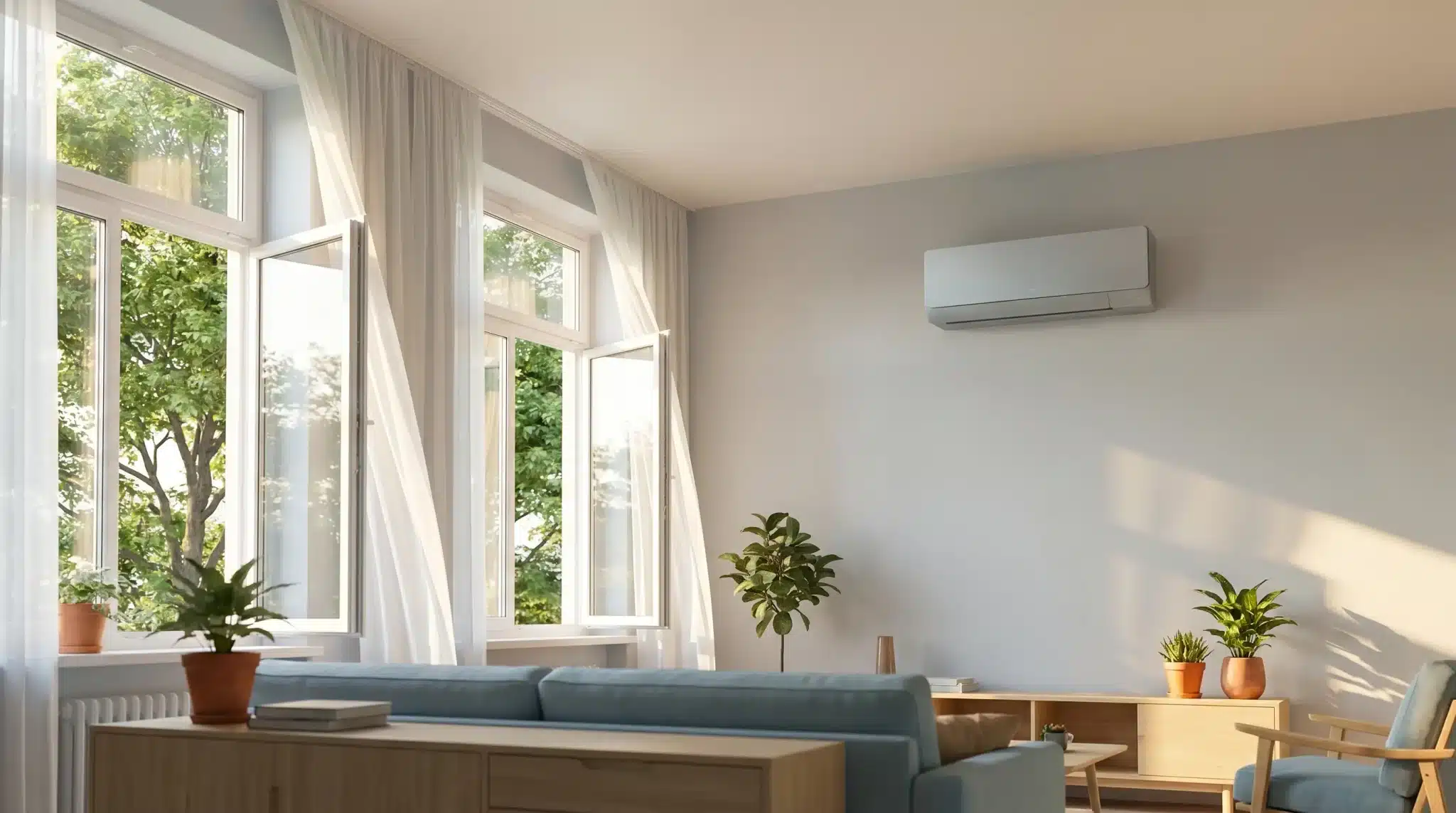
One of the most efficient methods of cooling a home without using power fully is by using natural air flow. When windows are opened in strategic locations, it helps the air to circulate in the house expelling warm air and bringing in cooler air outside. This technique is most effective in the mornings and evenings when the outside temperatures are lower.
To develop a steady airflow, it is important to consider the entrance and exit of air in your home. With openings on opposite sides, cross ventilation is promoted thus improving cooling with no additional use of energy. In the long-term, this solution can minimize the necessity of continuous air conditioning and design a more comfortable environment.
Managing Sunlight
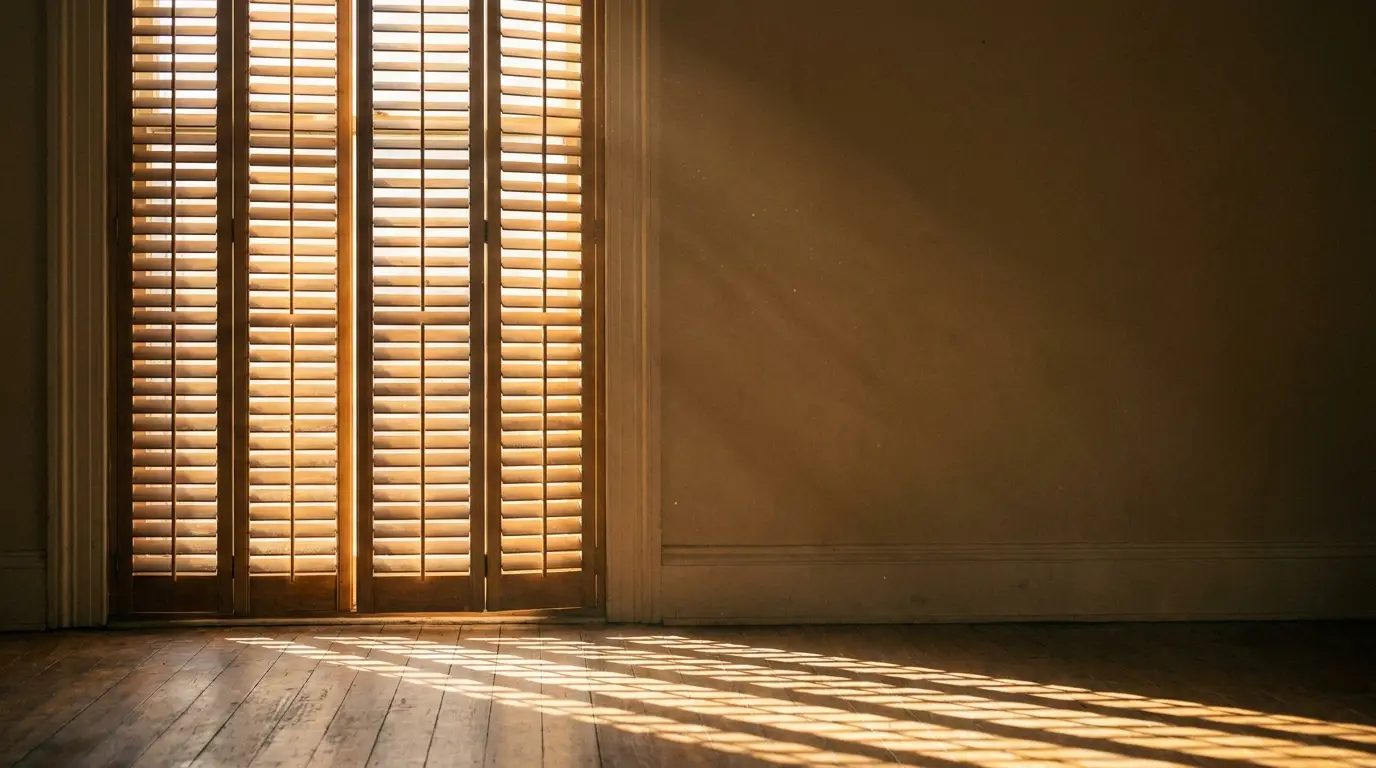
The amount of sunlight contributes significantly to the indoor temperature level, particularly on sunny days. The sunlight is uncontrolled and may soon overheat the rooms so that it becomes hard to keep the rooms comfortable without further energy consumption. The proper control of sunlight can help stop this accumulation of heat before it becomes an issue.
Even some basic measures like shutting blinds or covering with curtains during the hottest hours of the day could help. Shading of exterior can also be done by using awnings or by planting trees to minimize the sun penetration. You can reduce the amount of direct sunlight, which will make the interior cooler and will not need as much mechanical intervention.
Improving Insulation
The insulation is commonly linked with warm homes during winter, but it is also necessary to stay cool during the summer. The appropriate insulation helps in ensuring that the heat does not get into the house, thus lowering the cooling systems. Even the most effective cooling techniques might have trouble keeping the temperature constant without it.
Enhancing insulation in such spaces as the attic and the walls can greatly enhance the comfort indoors. These enhancements would stabilize the temperatures in the day and therefore it would be easier to depend on natural cooling methods. Consequently, this would enable homeowners to enjoy better efficiency without compromising on comfort.
Mechanical Cooling
Natural means are good, but mechanical cooling is also significant in ensuring comfort in hot weather. The trick is to apply these systems judiciously but not to make use of them all the time. Actually, adjusting the temperature to realistic levels and eliminating unnecessary usage can contribute greatly to the energy-saving.
As an example, natural strategies, such as ventilation and shading, can be combined with homeowners relying on an air conditioner Edmonton. This would ease the burden on the system but would still relieve it during the hottest times. In the long-run, this balance will ensure that the equipment has a longer lifespan and will reduce the total costs.
Reducing Internal Heat
A lot of normal things that people do without the knowledge of the home owners add to the indoor heat. Cooking, usage of some appliances and even lighting can raise temperatures in the house. A decrease in these sources of heat may noticeably improve the level of comfort.
Easy measures like cooking in the morning when the weather is cooler or using energy saving devices can be used to reduce the amount of heat generated. The conversion of lighting to one that generates less heat also helps in making the environment indoors cooler. The modifications help in promoting natural cooling and minimize the need to use extra energy.
Creating Daily Habits
Consistency is essential when balancing energy efficiency and natural cooling. Creating daily routines that aid in cooling may allow keeping the environment comfortable without having to change the settings every day. One of the examples of a simple but effective routine is to open the windows at the appropriate time and shut them before the temperature can get too high.
Other measures like closing the blinds at the brightest time of the day and reducing the activities that produce heat during the day are other habits that lead to improved outcomes. These little measures become a habit and contribute greatly with time, to the saving of energy and still being comfortable.
Long Term Benefits
Finding the compromise between natural cooling and energy efficiency has more than short-term comfort benefits. The reduced energy consumption will result in the reduction of utility costs and the decreased impact on the environment. These advantages make it a good option to home owners who would want to increase sustainability and affordability.
Besides saving money, this balance also enhances a healthier indoor environment. The reduction in the use of mechanical systems will also improve the quality of air and will bring the living conditions closer to nature. By being smart, well-designed, and powered, homeowners will experience a comfortable life with minimum energy use.
The balancing of energy efficiency and natural cooling is concerned with making considerate decisions that complement each other as opposed to depending on one solution. Knowing how heat gets into your house and applying some straightforward things such as airflow, shading and insulation can save you the hassle of having to have the heating turned on all the time. These not only make things more comfortable but also assist to reduce energy consumption in a practical and sustainable manner.