How Much Does an Electrical Safety Certificate Cost for Homes and Businesses?

Electrical safety is a critical aspect of property ownership, whether you’re managing a residential home or a commercial space. One of the key requirements is obtaining an Electrical Installation Condition Report (EICR), commonly referred to as an electrical safety certificate. Understanding the cost of an electrical safety certificate helps property owners plan and ensure compliance with safety regulations.
What Does the Certificate Cover?
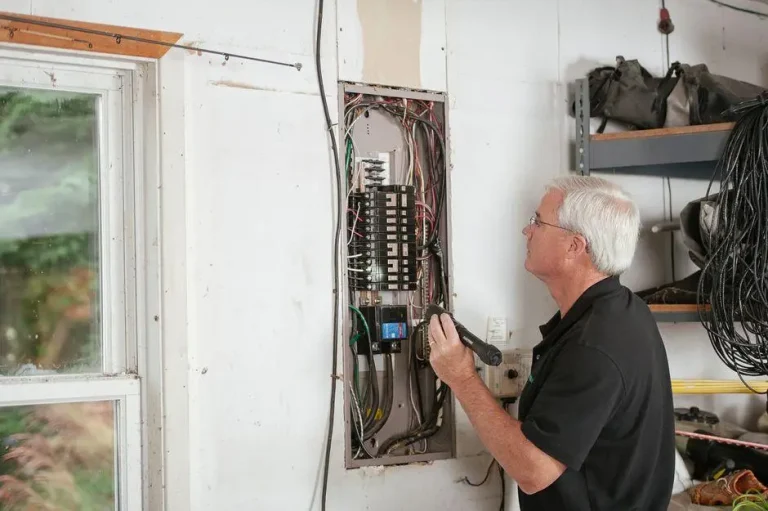
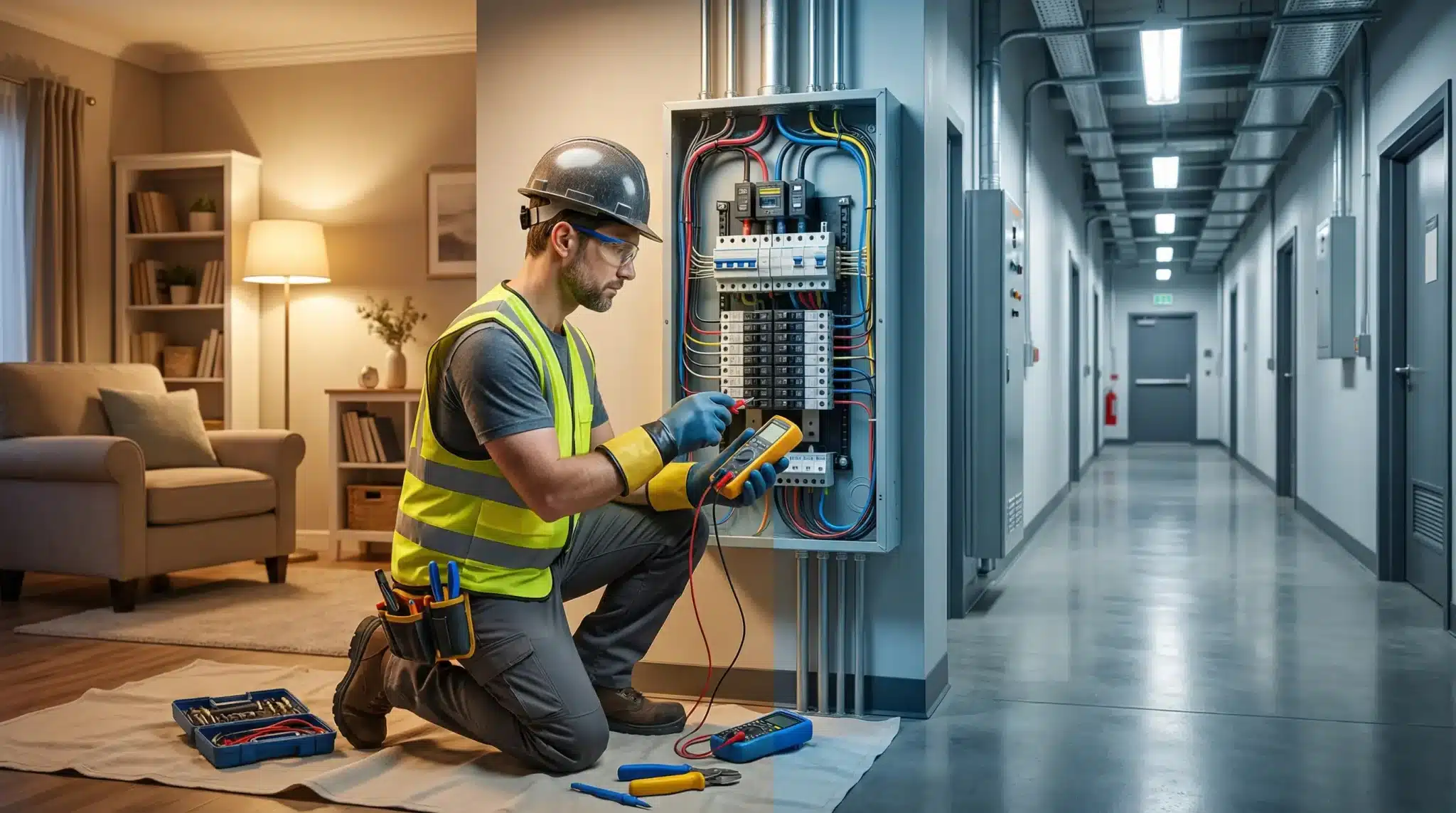
An electrical safety certificate involves a detailed inspection of a property’s electrical systems by a qualified electrician. This includes checking wiring, fuse boards, sockets, and other installations to ensure they meet current safety standards.
The inspection identifies potential hazards, such as faulty wiring or overloaded circuits, and provides a report outlining any necessary repairs. The base electrical safety certificate cost typically covers the inspection itself, while any additional work is charged separately.
Average Cost for Homes and Businesses
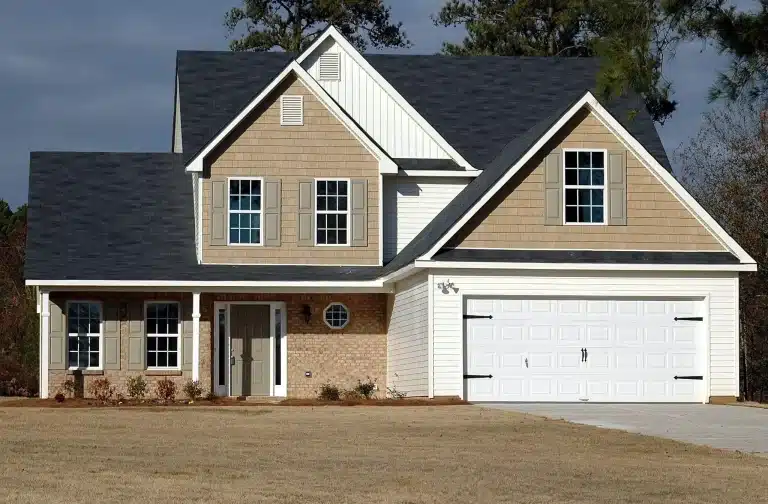
The cost of an electrical safety certificate can vary depending on the property’s type and size. Residential properties generally have lower inspection costs than commercial properties, which often involve more complex systems.
- Homes: Smaller properties tend to cost less due to fewer circuits and simpler layouts
- Larger homes: May incur higher fees due to extended inspection time
- Businesses: Usually more expensive because of larger electrical systems and compliance requirements
Location, service provider, and installation complexity all play a role in determining the final price.
Key Factors That Influence Pricing
Several factors can impact how much you pay for an electrical safety certificate:
- Property size and layout
- Number of electrical circuits
- Age of the building
- Accessibility of electrical components
- Condition of the existing system
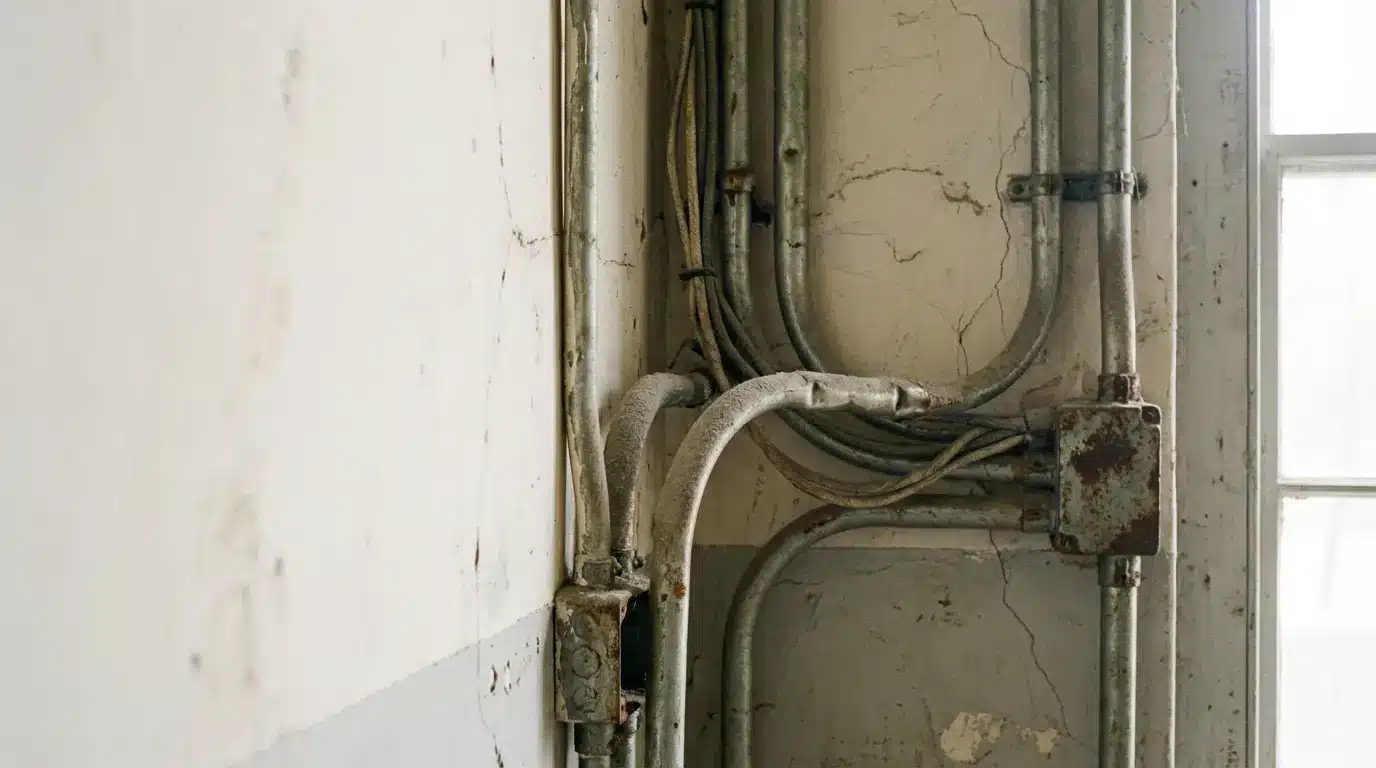
Older or poorly maintained systems may require more detailed inspections, which can increase the overall cost.
Additional Costs to Consider
While the inspection fee is the primary expense, there are often additional costs to keep in mind:
- Repairs or upgrades required to meet safety standards
- Follow-up inspections if issues are identified
- Urgent fixes for serious hazards
Being prepared for these extra expenses can help you avoid unexpected financial strain.
Final Thoughts
The cost of an electrical safety certificate is a necessary investment in safety, compliance, and peace of mind. Whether for a home or a business, regular inspections ensure that electrical systems are functioning safely and efficiently. By understanding what affects pricing and planning accordingly, property owners can make informed decisions while maintaining a secure environment for occupants.