Custom Home Building Mistakes: What to Avoid Before You Start

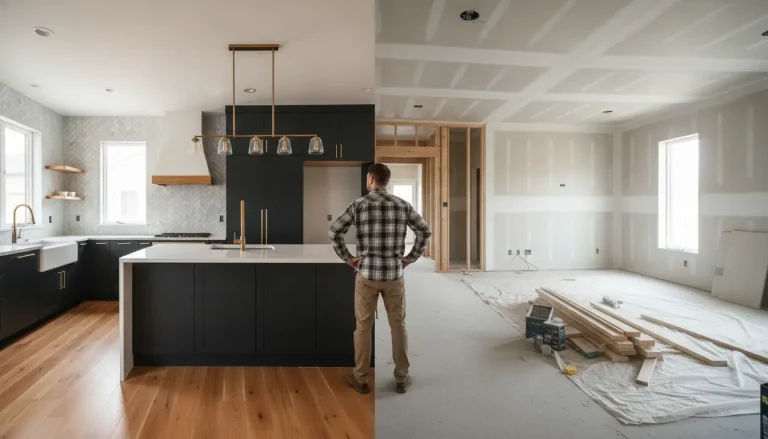
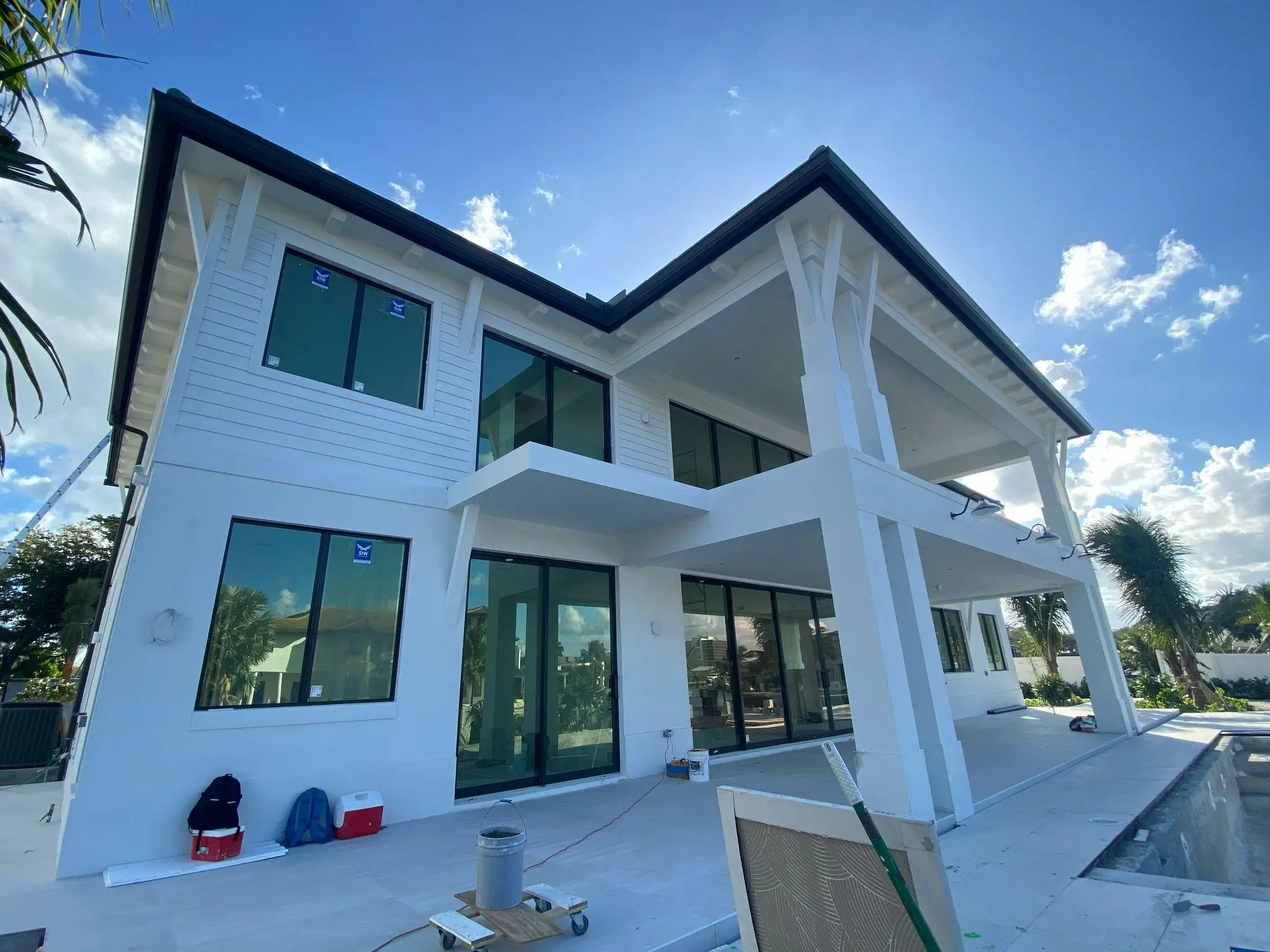
Building a custom home offers the chance to tailor every detail, from layout and materials to lighting and landscaping, to fit your lifestyle and aesthetic preferences. But with that freedom comes responsibility, and overlooking key decisions early on can turn a dream home into an overwhelming project. If you’re planning to build a custom home, here are the common mistakes homeowners make and how to avoid them.
Rushing the Planning Phase
Many homeowners rush into construction without developing a clear vision, selecting a fully detailed floor plan, or thinking ahead about how their home will function for years to come. When creating a plan, ask yourself crucial questions like, will your layout suit your lifestyle five or ten years from now?
Or, is there room for family expansion, aging-in-place considerations, or a home office? Thoughtful planning also includes assessing the site’s natural features, such as sunlight, slope, drainage, and views, elements that can influence both design and long-term comfort.
Taking the extra time during this phase allows you to collaborate effectively with architects and designers, ensuring your ideas are translated into a cohesive, buildable plan rather than a collection of last-minute decisions. It also reduces the likelihood of costly revisions once construction is underway.
Ignoring the Importance of Communication
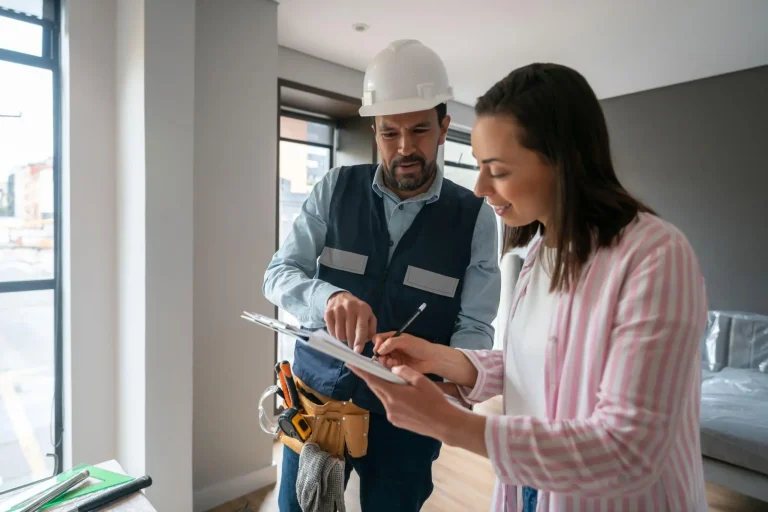
Strong communication between you, your architect, and your contractor is essential. Misunderstandings about materials, design changes, or structural details can lead to additional expenses, delays, and compromised results.
Establish a communication strategy early on, like weekly updates, shared design documents, and written confirmations of changes. Being involved in key decisions doesn’t mean micromanaging; it means staying informed and ensuring your expectations are clearly understood.
Residents in Virginia and even from other states find that working with an experienced Custom Home Builder Richmond VA, who understands the importance of effective client-builder communication, makes the entire building process more efficient and smoother. Seasoned professionals often have structured processes in place to keep clients informed and projects on track. Clear communication also helps build trust and helps prevent avoidable setbacks.
Failing to Create a Realistic Budget
Another major pitfall is underestimating how much the project will truly cost. Many first-time custom home builders assume that a basic estimate provided in the early stages will cover the entire build. In reality, you’ll need to account for design fees, permits, utility hookups, and finishing details, as well as unpredictable surprises.
Mid-project changes tend to creep into the budget, so creating a contingency fund is crucial. Keep in mind that location, material choices, and labor availability can all influence home cost, especially if you’re aiming for premium finishes or sustainable features.
A well-planned budget should also include allowances for upgrades and design enhancements, giving you flexibility without derailing your finances. Regularly reviewing expenses with your builder can help you stay aligned with your financial goals throughout the process.
Skipping Energy Efficiency and Sustainability
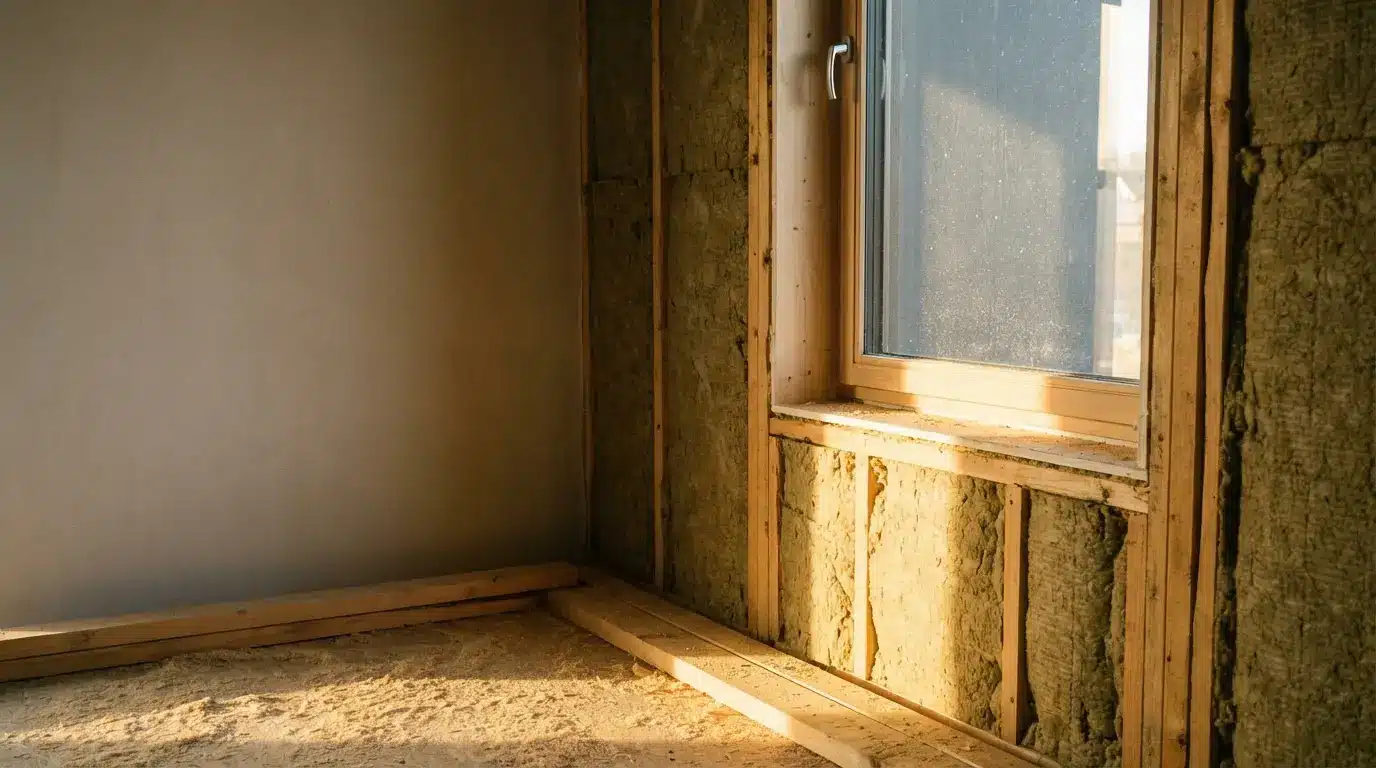
For a modern, design-forward home, efficiency isn’t an afterthought; it’s a priority. Sustainable materials, high-performance windows, and proper insulation can significantly reduce energy consumption. They also contribute to long-term comfort, healthier interiors, and reduced utility bills. Investing in energy efficiency during the build is significantly more cost-effective than retrofitting later on.
Incorporating smart home technologies, solar-ready systems, and water-saving fixtures can further enhance your home’s sustainability. These features not only lower your environmental footprint but can also increase the long-term value of your property.
Overlooking Flow and Functionality
While aesthetics are essential, beauty shouldn’t overshadow function. Without considering how spaces connect and flow, you may end up with rooms that look visually appealing but feel uncomfortable or impractical. Think about furniture placement, storage, walking paths, natural light, and outdoor transitions. The best custom homes balance style and purpose, ensuring form supports function.
It’s also helpful to visualize your daily routines within the space, like how you move from room to room, where clutter might accumulate, and how each area will be used throughout the day. This approach can help you create a home that feels comfortable and efficient to live in.
Forgetting the Exterior and Landscape
Many homeowners focus on the interiors and leave landscaping as an afterthought. Outdoor spaces extend the usable living space and help enhance curb appeal. If you’re seeking harmony between architecture and nature, make sure to integrate it in the early planning stages.
Planning your outdoor areas alongside your home’s design ensures a seamless transition between indoor and outdoor living. Thoughtfully designed landscapes not only help enhance privacy but also create inviting spaces for relaxation and entertainment.
Endnote
Building a custom home is a rewarding process. Avoiding these common mistakes can significantly save time, stress, and money while helping you create a home that’s both stunning and functional.
By approaching the process with patience, surrounding yourself with the right professionals, and staying actively involved, you help ensure that your vision is executed with precision, resulting in a home that truly reflects your lifestyle and aspirations for years to come.