Fix It Right: Exterior Upgrades That Add Charm and Strength

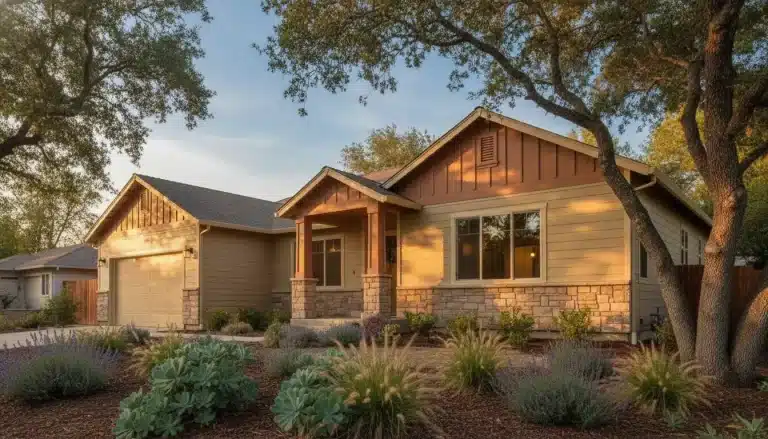
You can tell when a home gets attention. The paint looks fresh. The driveway stays smooth. The roofline sits straight and solid. It doesn’t scream for attention, but it feels cared for.
So, now you need to perhaps step outside and look at your place for a second. Does it still reflect the pride you felt the day you moved in? Or have small issues started to show up?
Exterior upgrades don’t have to mean huge makeovers. Most of the time, they come down to fixing what’s worn and strengthening what protects you. The outside of your home faces a lot -sun, rain, wind. Ignore it, and problems start piling up. Stay ahead and your home stays sharp and strong.
So where should you focus? What actually adds value and durability instead of just changing appearances? That’s what we’re getting into here.
Upgrade and Maintain Your Garage Door
Now let’s talk about something you probably use every day without thinking twice. Your garage door. How does it sound when it opens? Smooth and quiet? Or does it groan and shake like it’s had enough? Those noises mean something. Springs wear down. Tracks shift. Motors strain.
Look at the surface too. Is it dented? Rusting? Faded? Since it takes up a big chunk of your home’s front view, it plays a major role in curb appeal. An outdated door can make the entire exterior look tired.
Upgrading to a modern, insulated garage door does more than improve appearance. It helps regulate temperature. It improves security and runs smoother.
But installation and serious repairs? Leave that to professionals who install and service garage doors every day. They know how to balance the system safely. They align tracks correctly. They make sure the door works the way it should.
A strong, quiet garage door doesn’t draw attention. And that’s exactly the point.
Protect the Top: Keep Your Roof in Prime Condition
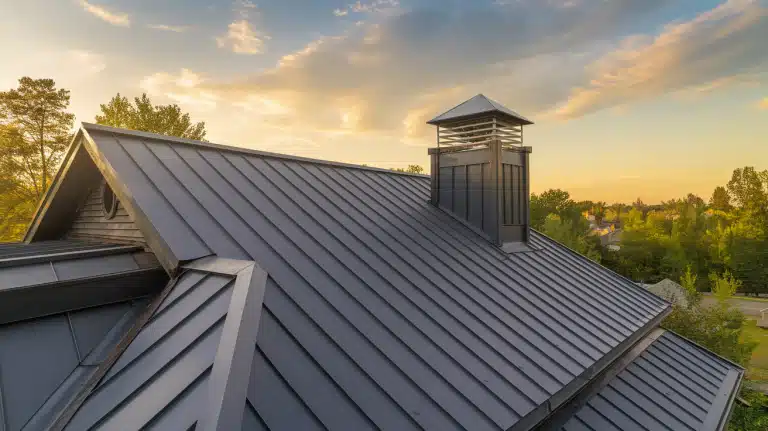
Your roof shields everything underneath it. Rain, debris, harsh sunlight — it handles all of it.
But when was the last time you checked it? Missing shingles, dark streaks, sagging areas, or loose flashing – they signal trouble. Even minor damage can allow moisture to seep in. What happens when water gets inside? Your savings get drained on repairs.
Inspect your roof at least once a year. After a heavy storm, take a look from the ground. Check your attic. See any water stains or damp insulation? If you do, call a licensed roofer. Quick repairs cost far less than full replacements.
A strong roof doesn’t just prevent leaks. It protects framing, insulation, and ceilings.
Strengthen the Shield: Repair and Refresh Your Siding
Walk around your house slowly. What does your siding look like up close?
Notice any peeling paint, small cracks, or warped panels? Doesn’t seem too urgent, right? Wrong! Siding stands between your home and the weather. When it weakens, moisture finds a way in.
Wash it once a year. Nothing intense. Just enough to clear dirt and mildew. While you’re at it, check for gaps near seams and corners. Seal them. Repaint areas that have started to fade or peel. If damage runs deeper, patching again and again may not solve it. In some cases, replacing a section makes more sense than constantly repairing it.
Good siding doesn’t just improve how your home looks. It protects the structure behind it.
Seal It Tight: Upgrade Windows for Efficiency
Stand near a window on a cold or windy day. Feel that slight draft? That’s your home losing efficiency. Windows age quietly. Seals crack. Weatherstripping dries out. You may not notice until your energy bill climbs or rooms feel uneven in temperature.
Check the edges. Replace brittle weatherstripping. Reapply caulk where gaps appear. Make sure windows open and close without sticking.
Outdated windows? Upgrade them. Modern designs insulate better. They reduce outside noise. The exterior looks a lot better, too. Windows frame your home visually. But more importantly, they help control comfort inside. When they work properly, you barely think about them. And that’s how it should be.
Guide the Water Away: Fix Gutters and Drainage
Water is patient. It waits for weak spots.
Your gutters have one job. Move rain away from your home. When they clog, water spills over the sides. It pools near the foundation. It seeps into siding.
Clean them twice a year. More often, if you have overhanging trees. Check that downspouts extend far enough away from the base of your home. Look for sagging sections that need tightening.
After heavy rain, take a quick walk outside. Do you see standing water near the foundation? That’s a sign drainage needs attention.
Proper water flow protects your roof, walls, and foundation. It’s simple maintenance. But it prevents serious damage.
None of these upgrades is dramatic on its own. But together? They change everything.
They keep small problems from growing. They protect what protects you. And they make your home feel solid again.
So instead of waiting for something to fail, why not handle it now? Fix what’s worn. Strengthen what works hard every day. Because when the outside stands strong, the rest of your home follows.